
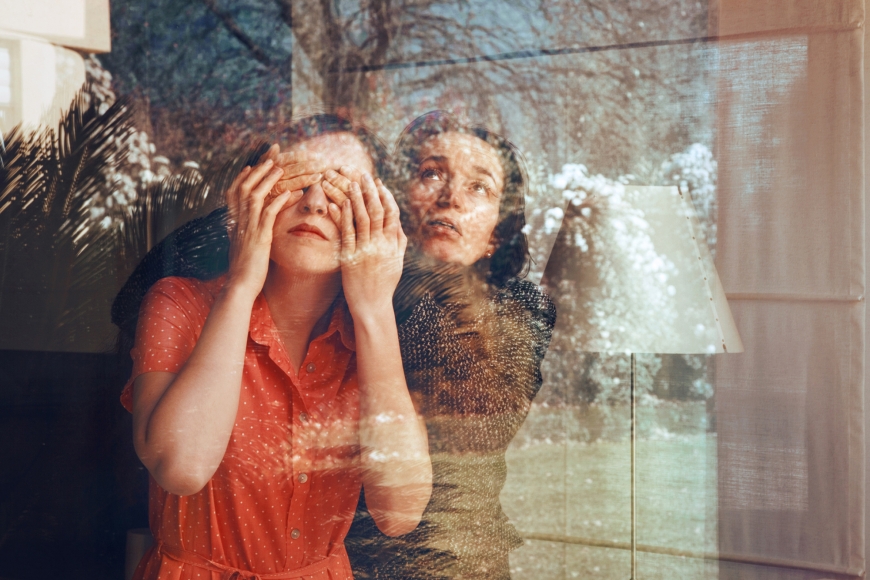
LUOGHI FAMILIARI
Fotografie di Anna Di Prospero
con testo critico di Antonio Grulli
18 ottobre 2018 - 19 gennaio 2019
Spazio Arte di CUBO, P.zza Vieira de Mello, 5 – Bologna
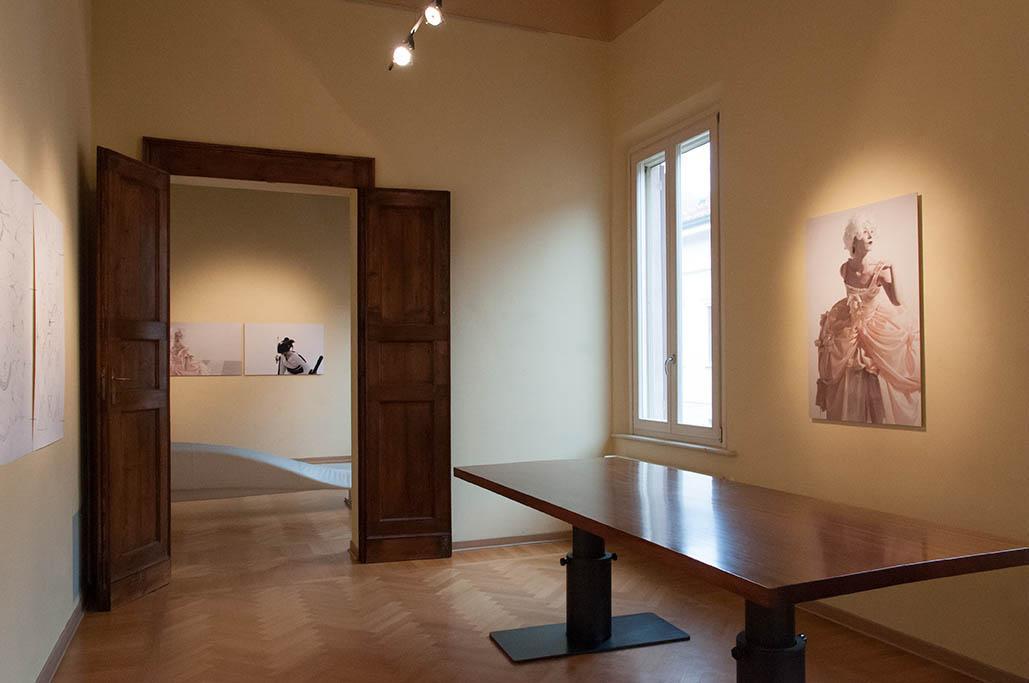
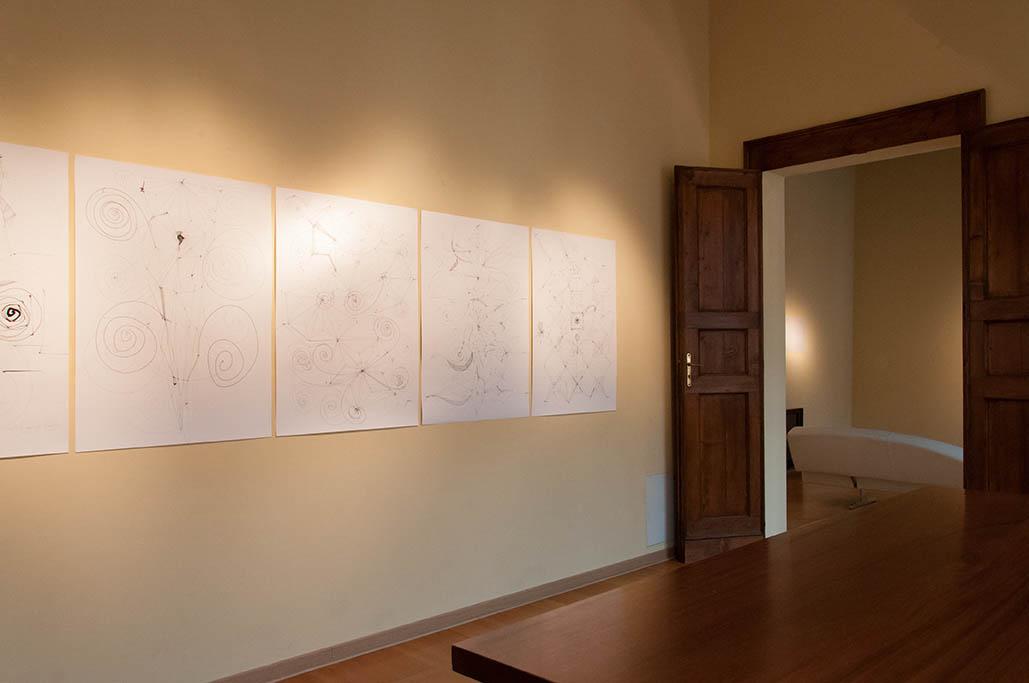
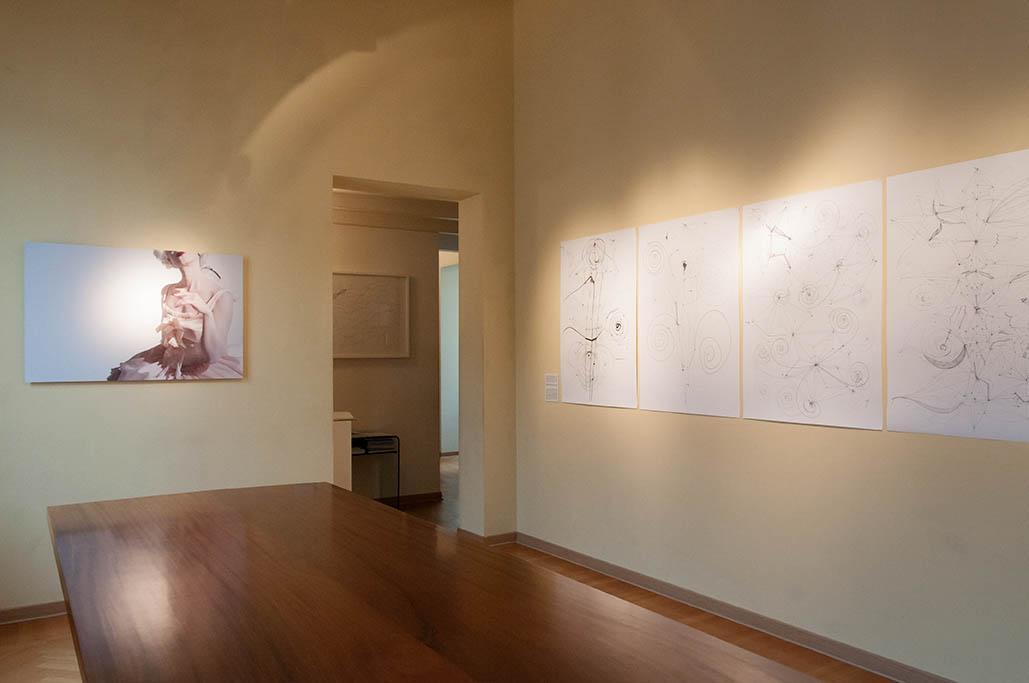
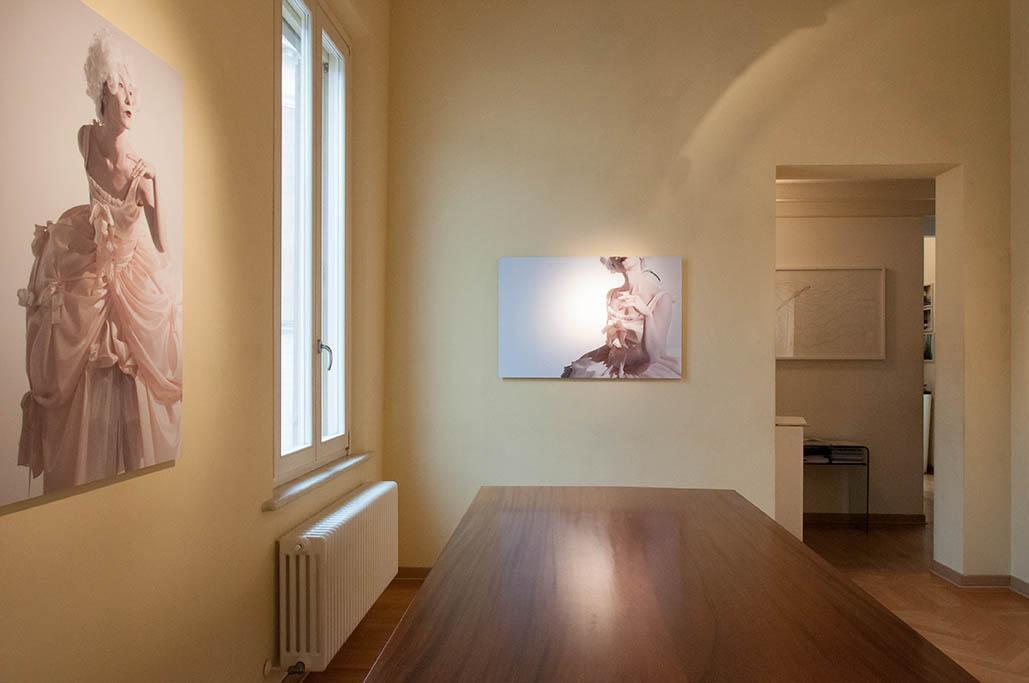
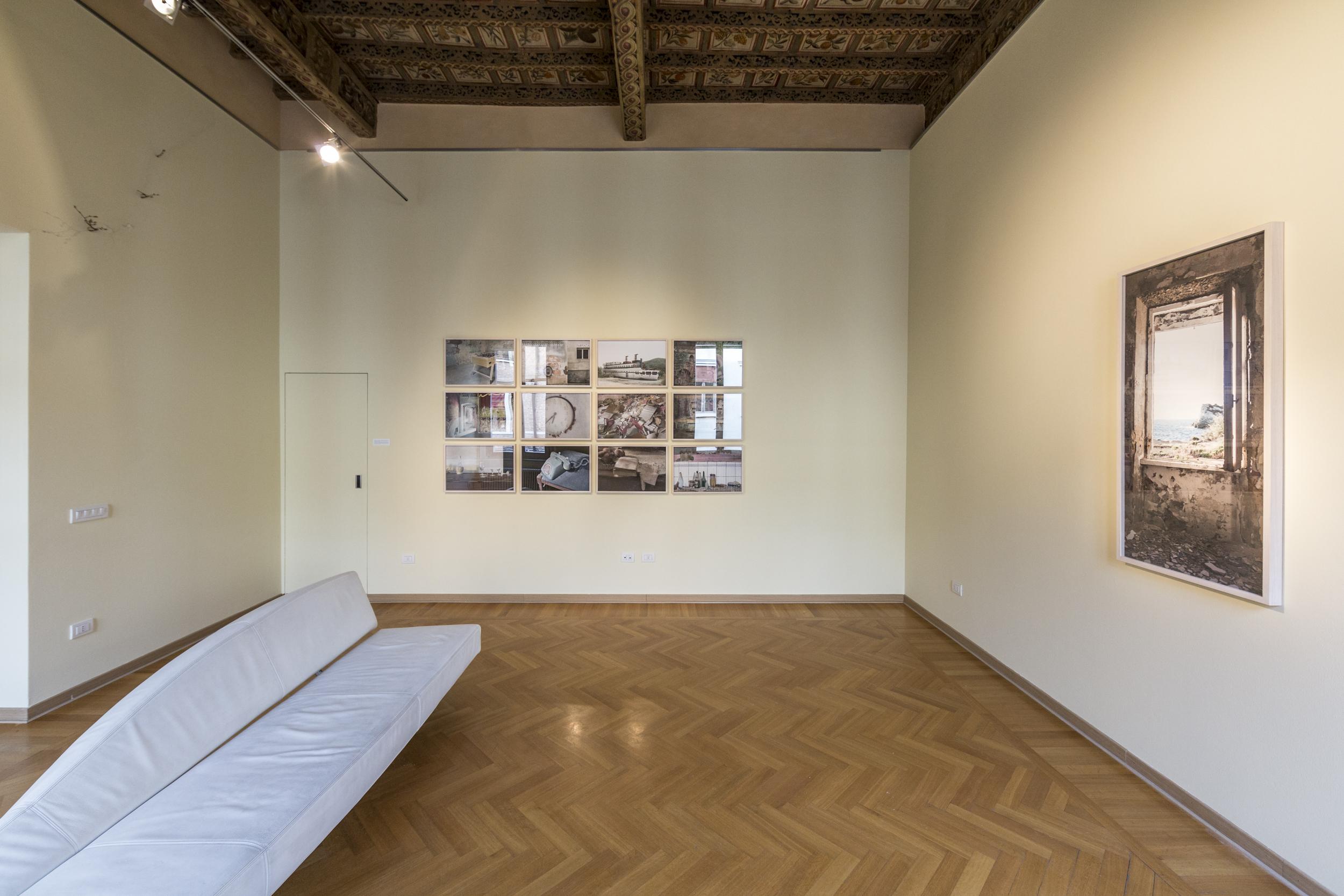
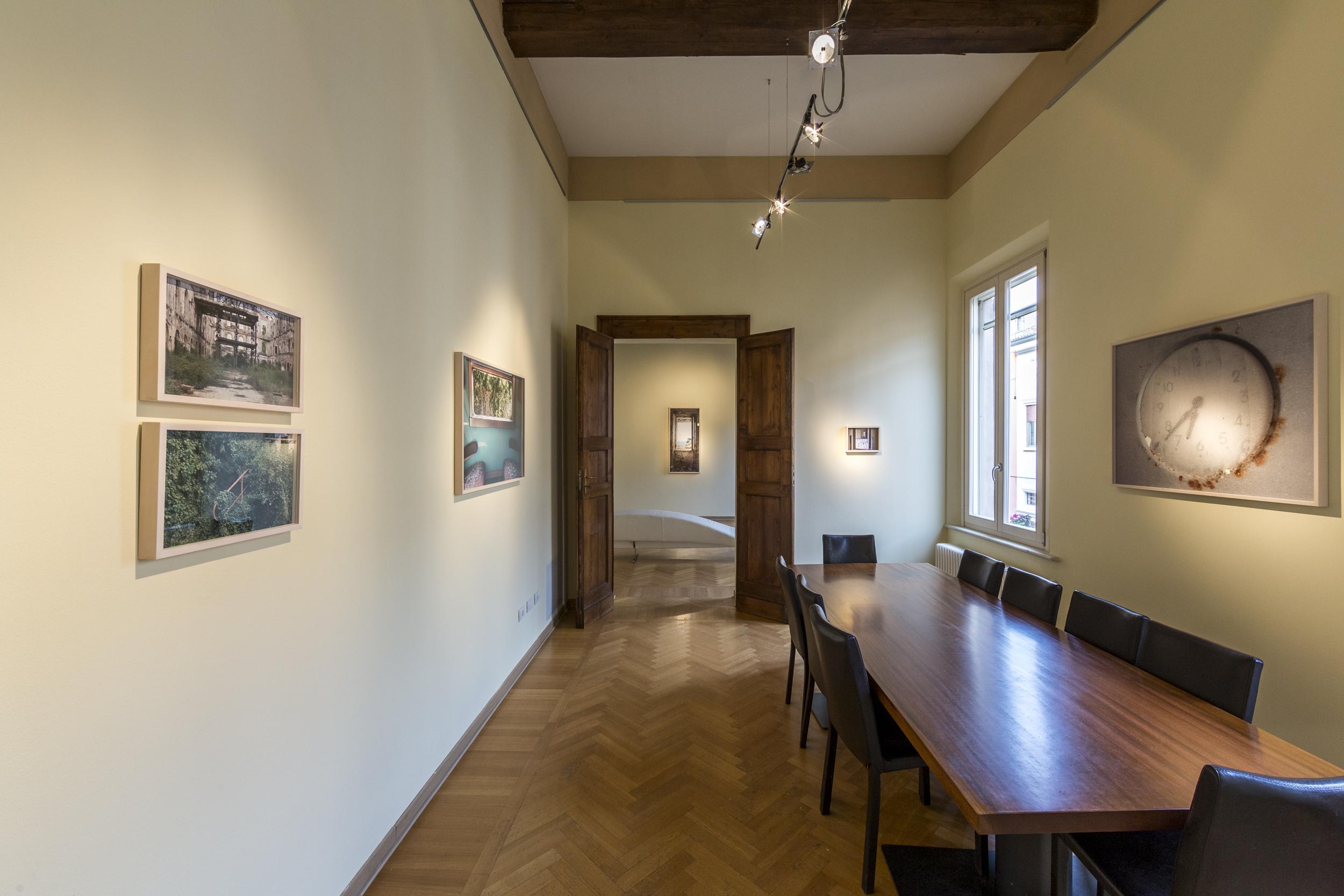
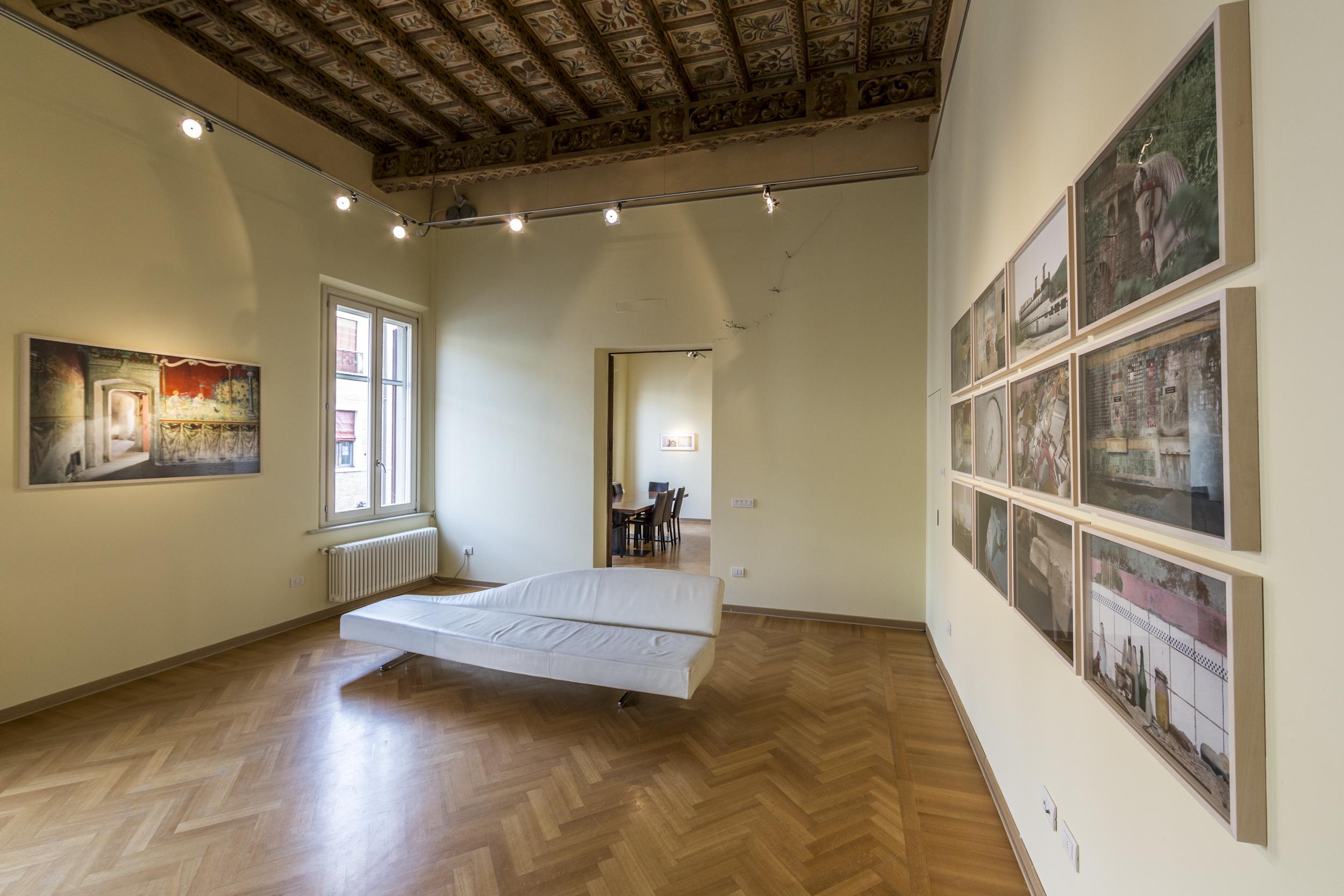
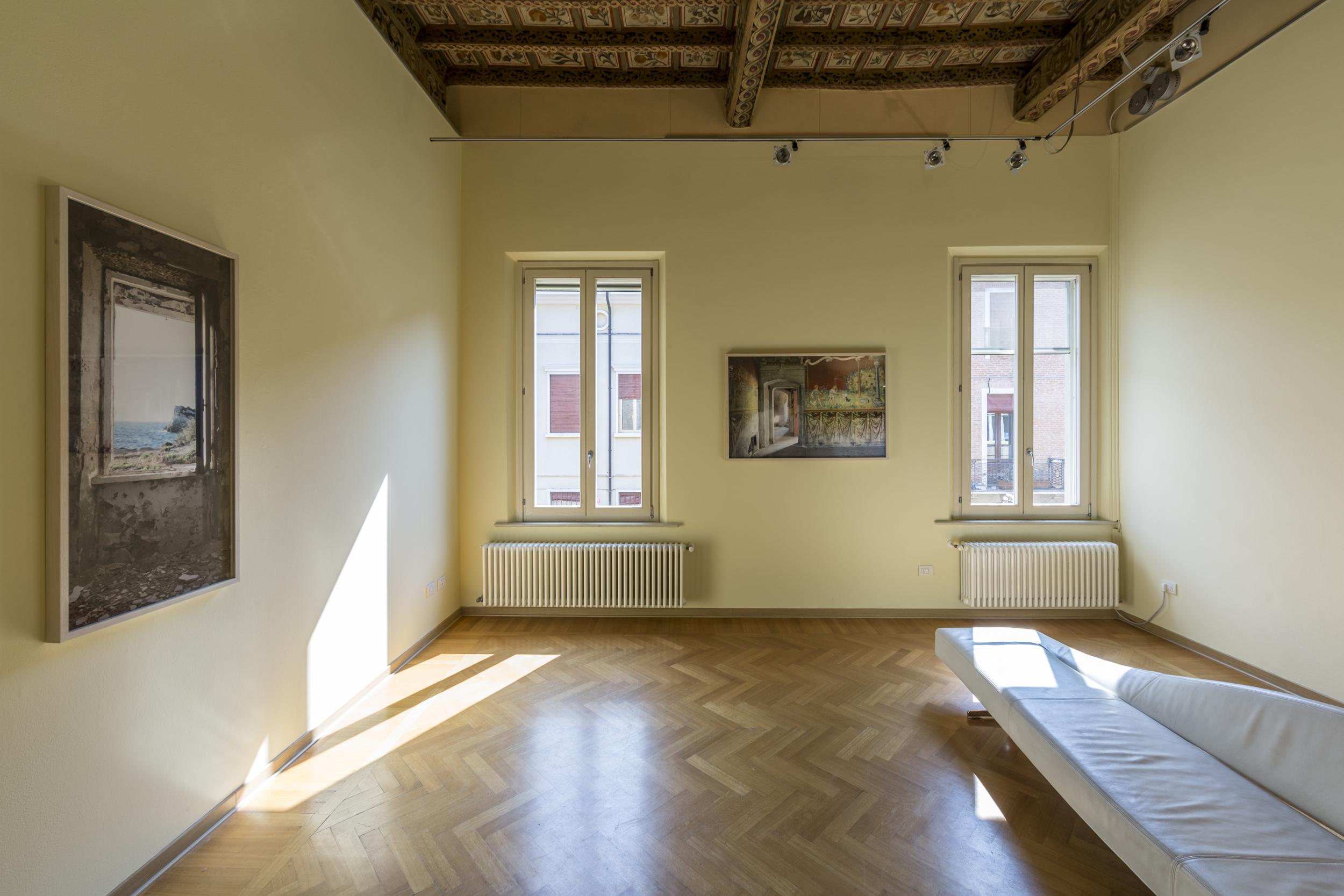
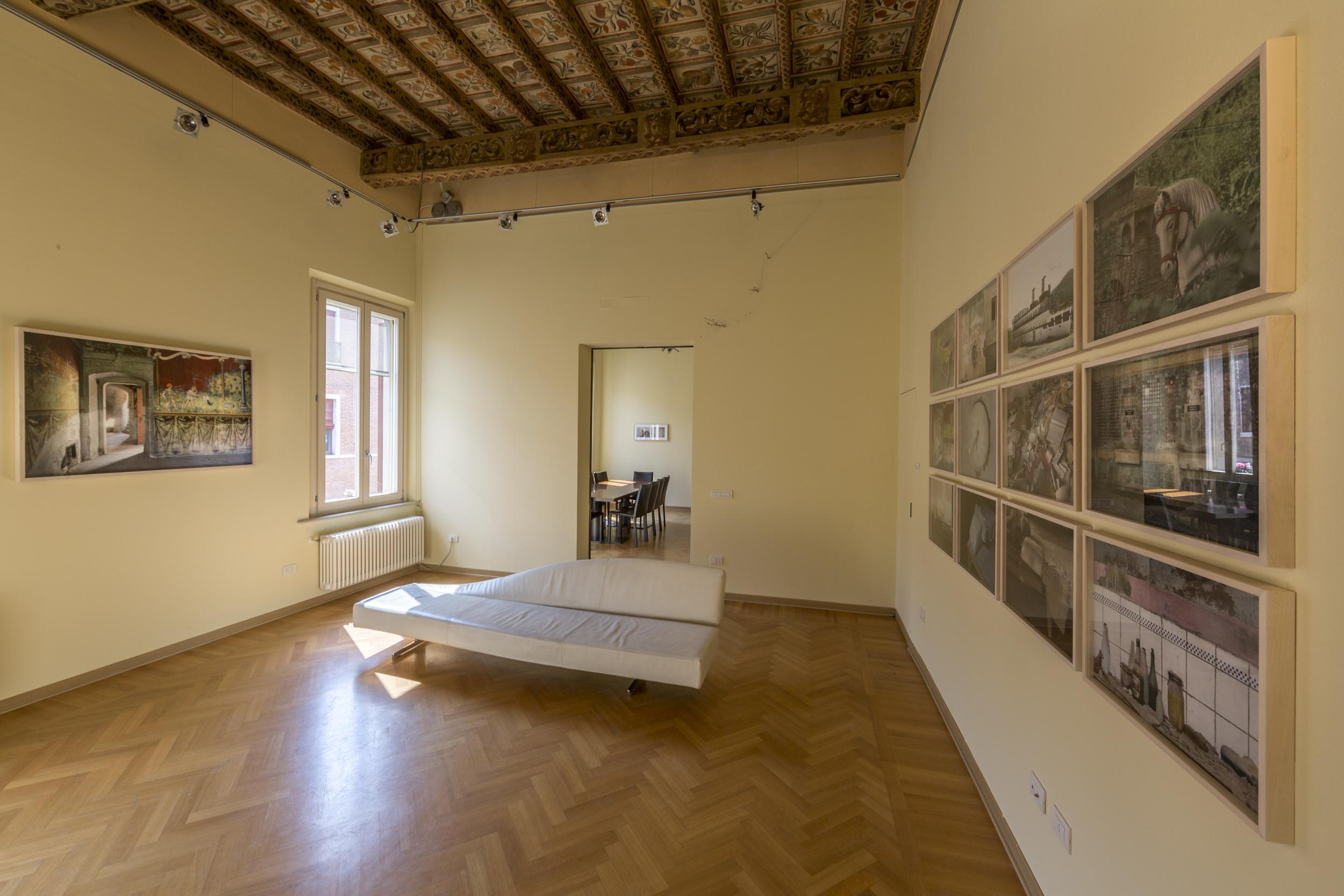
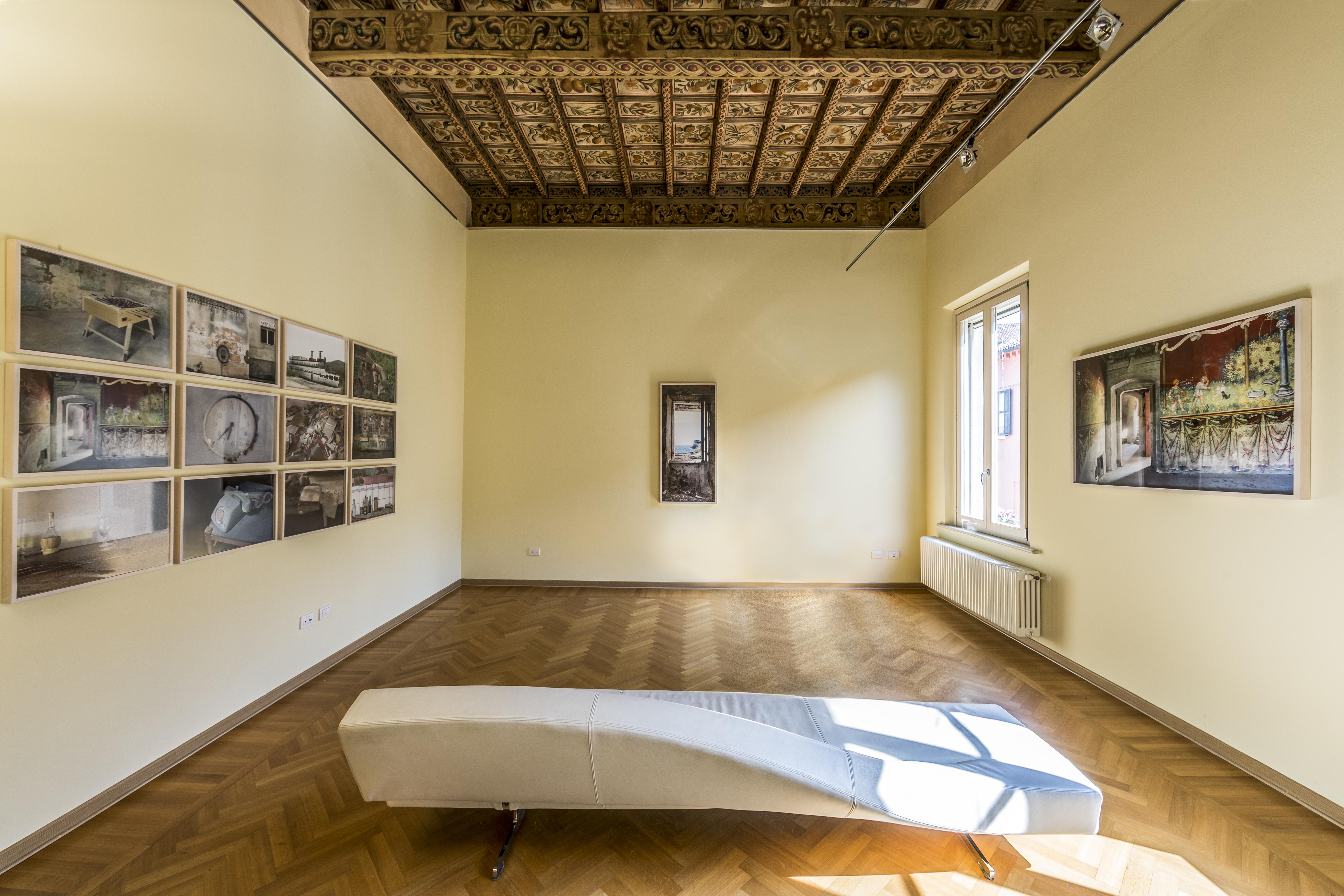
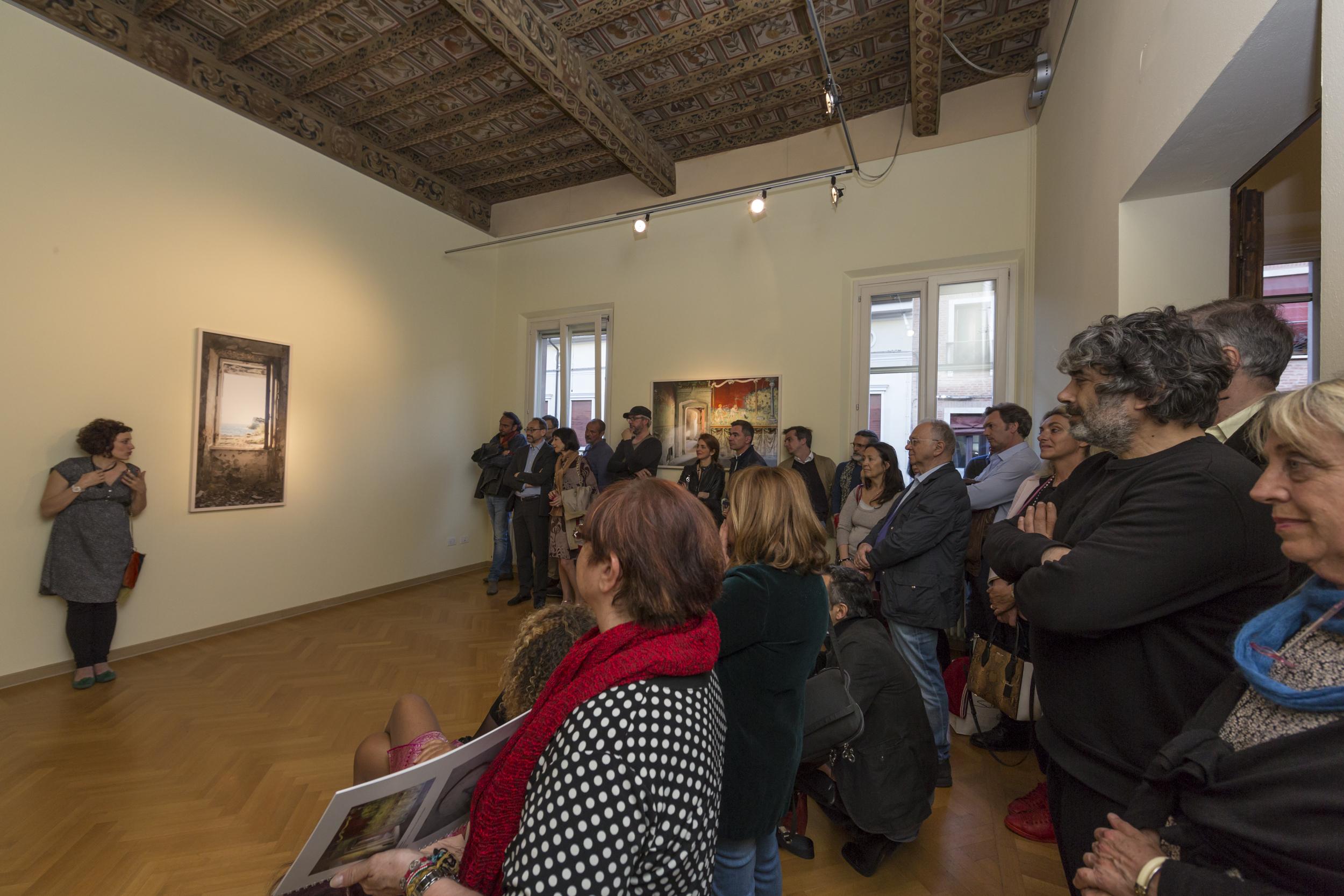
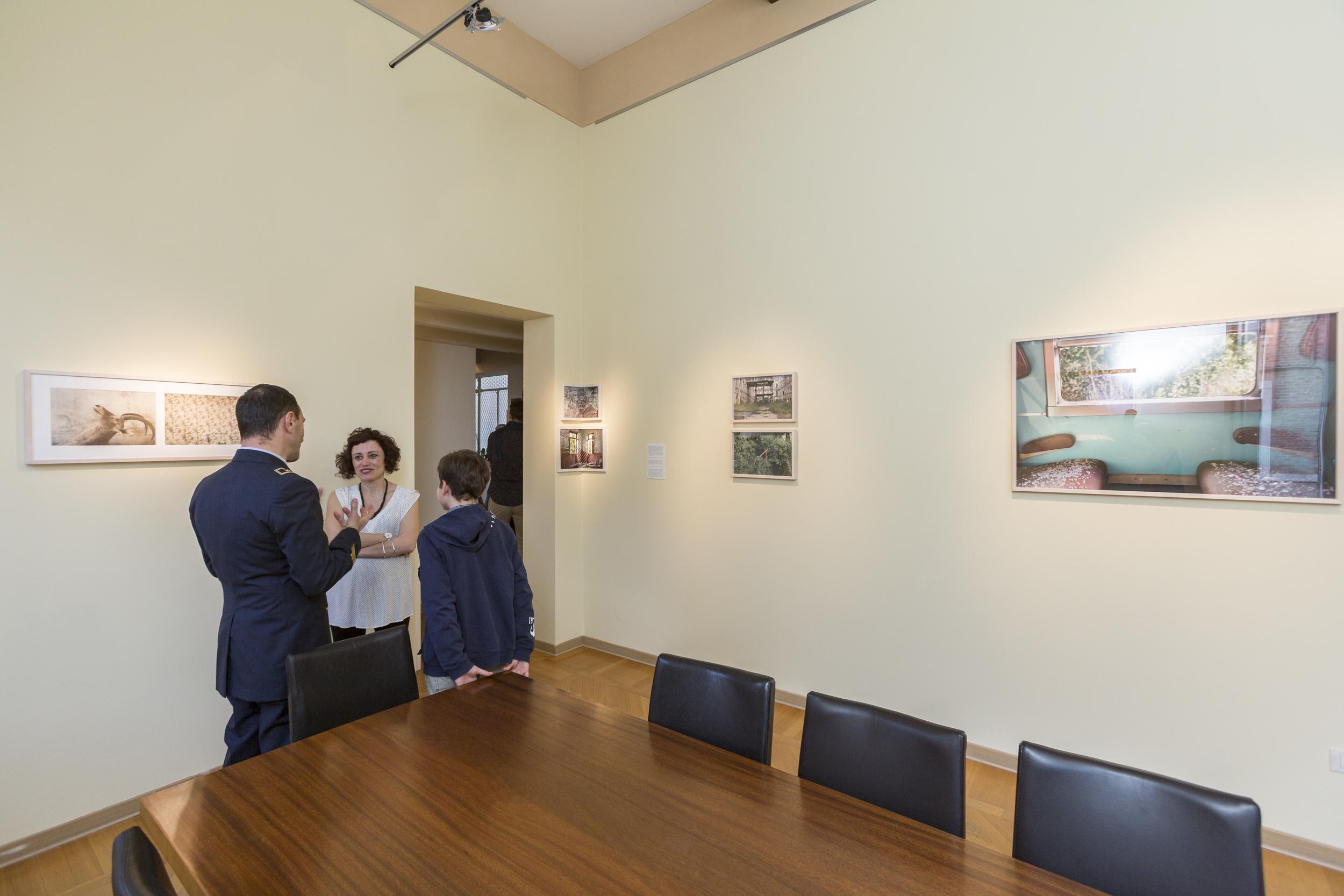
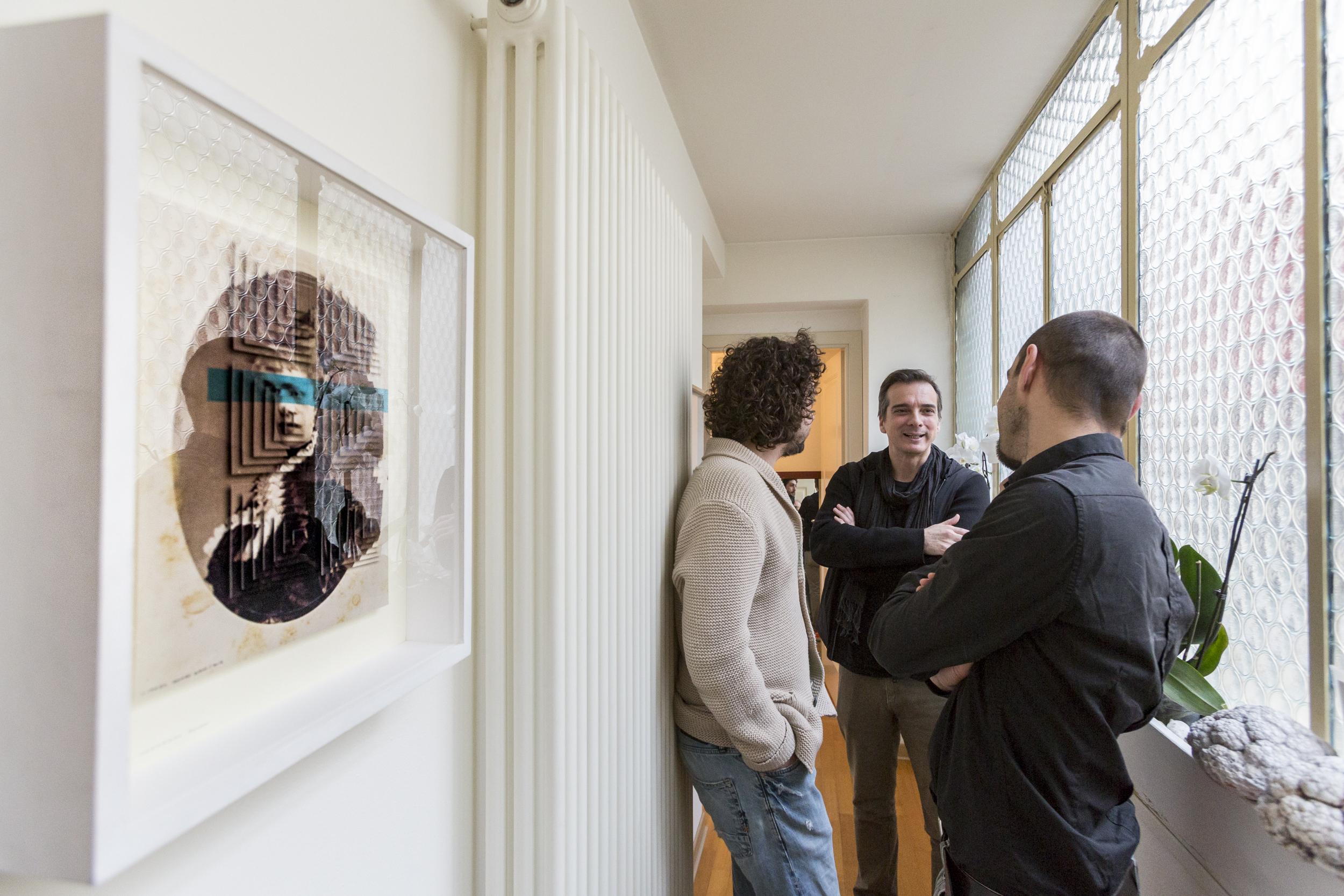
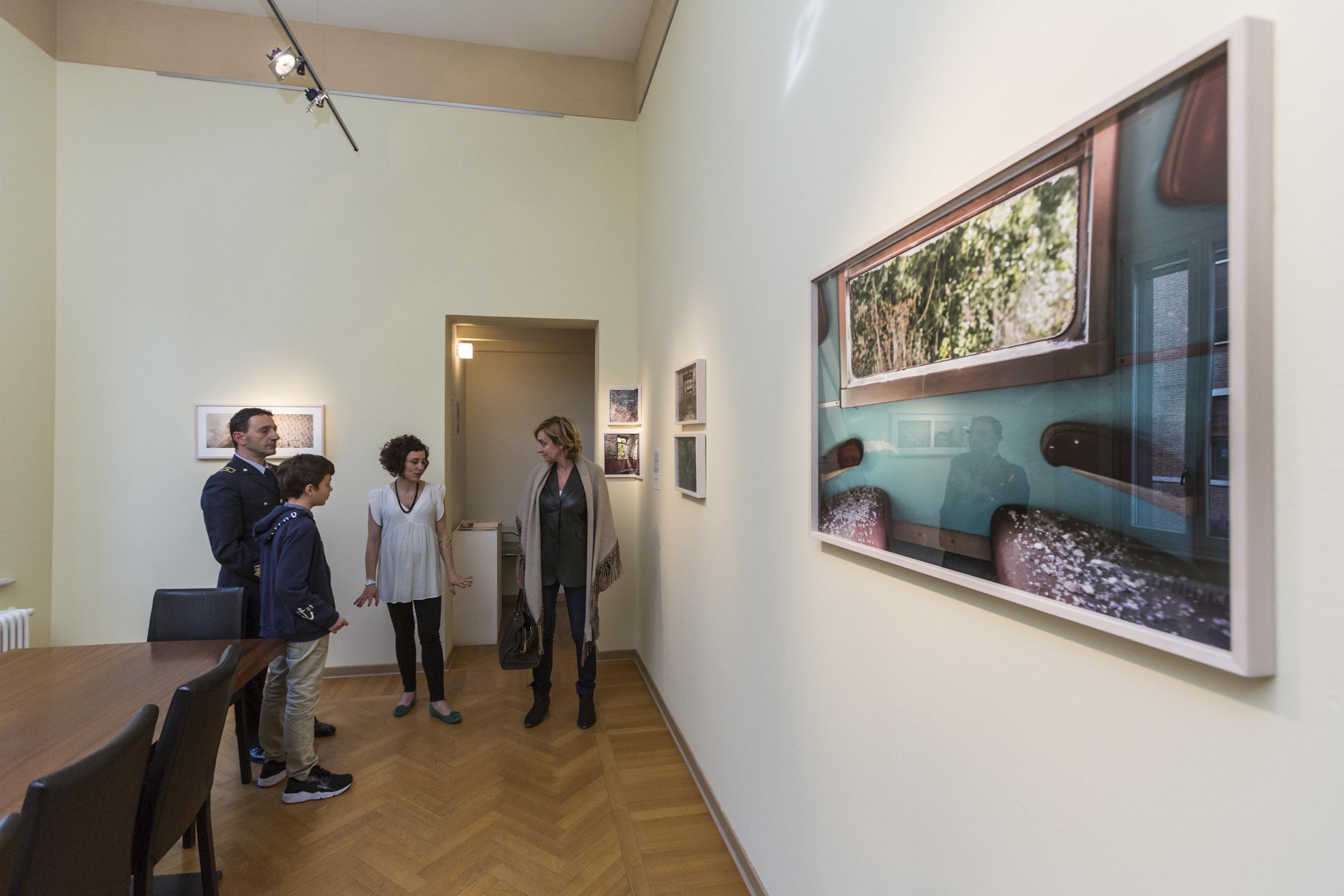
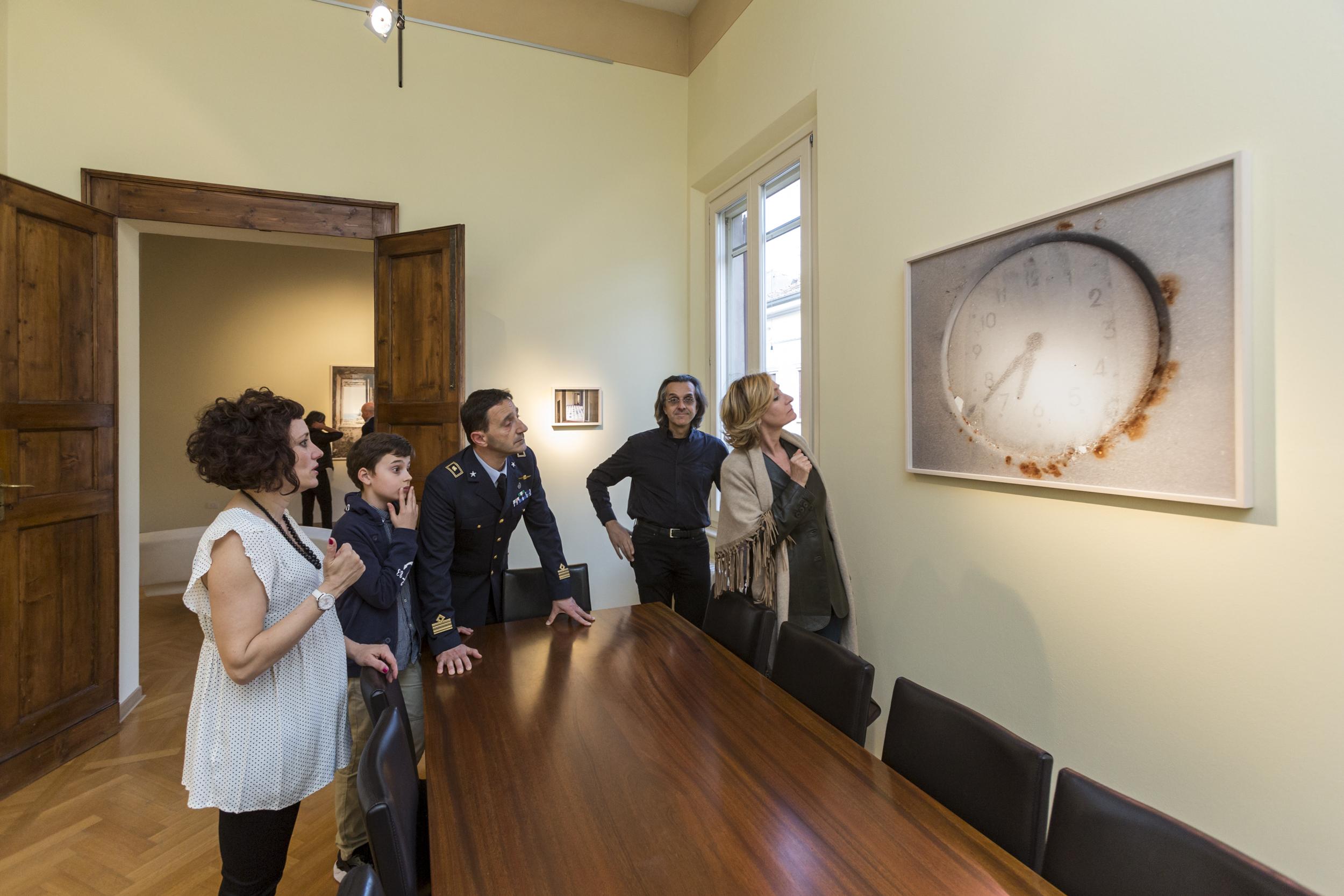
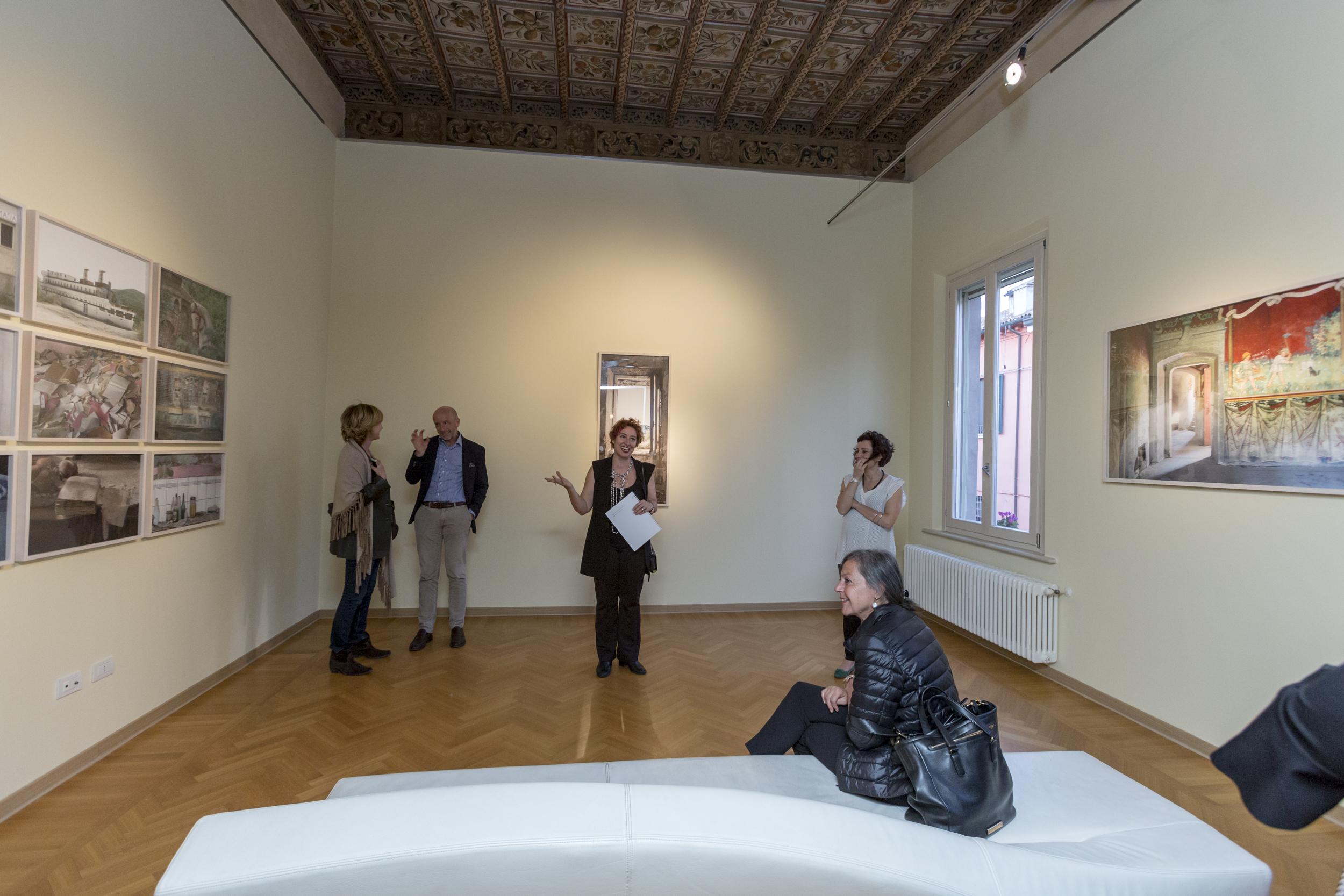
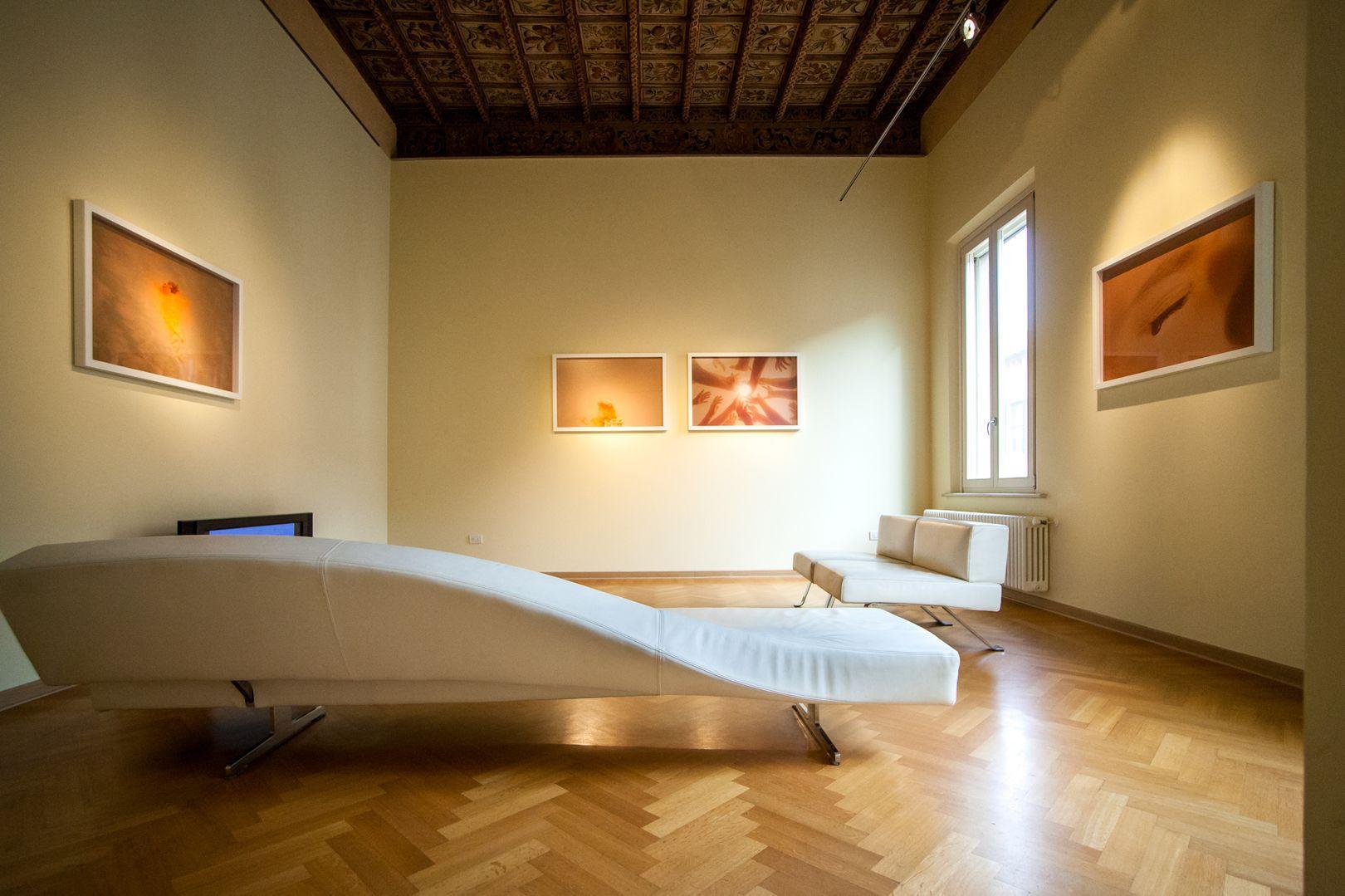
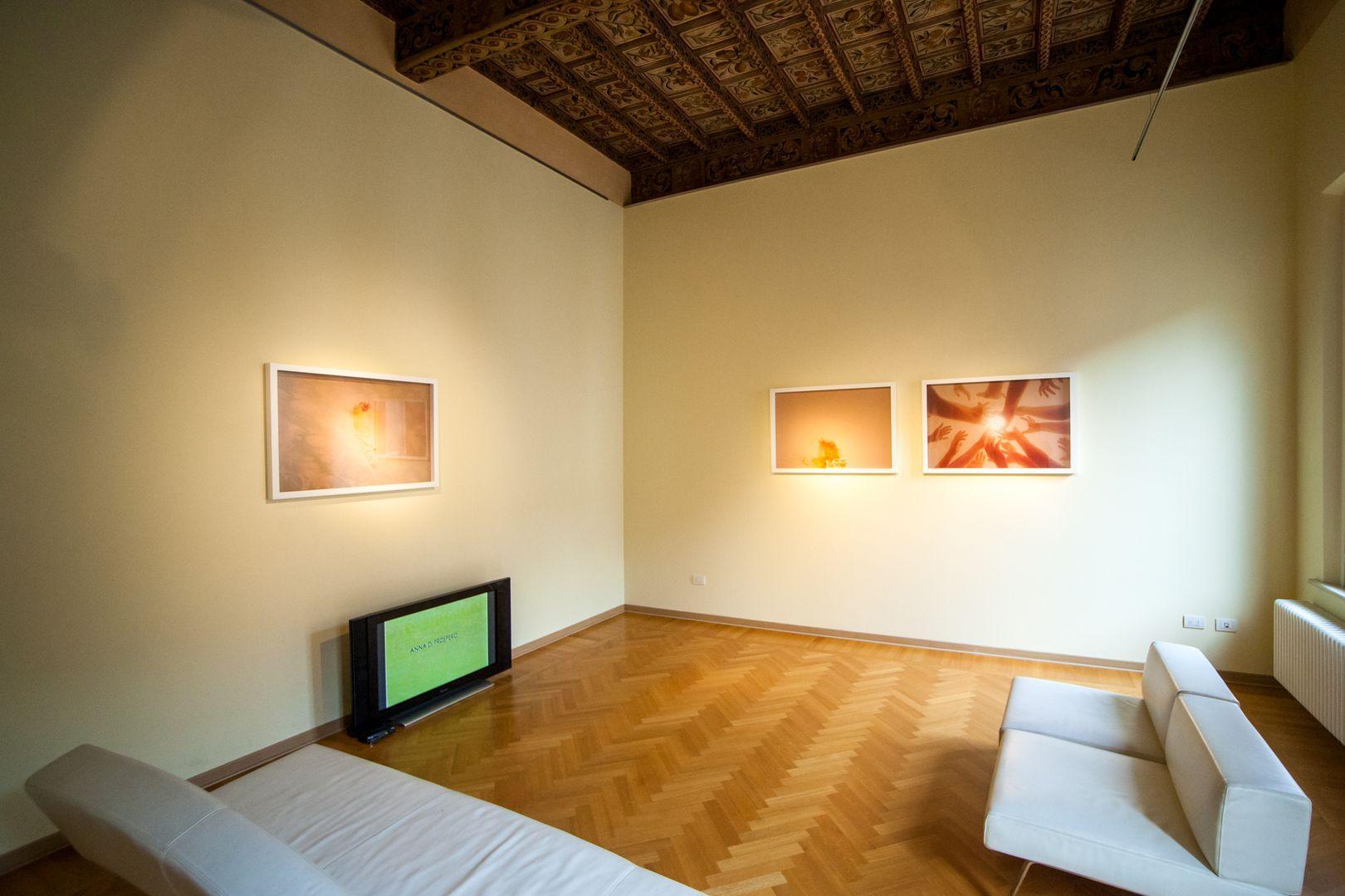
CUBO presenta “Luoghi familiari”, mostra dell'artista Anna Di Prospero all’interno dello Spazio Arte, dal 18 ottobre 2018 al 19 gennaio 2019 con testo in catalogo del critico d’arte Antonio Grulli.
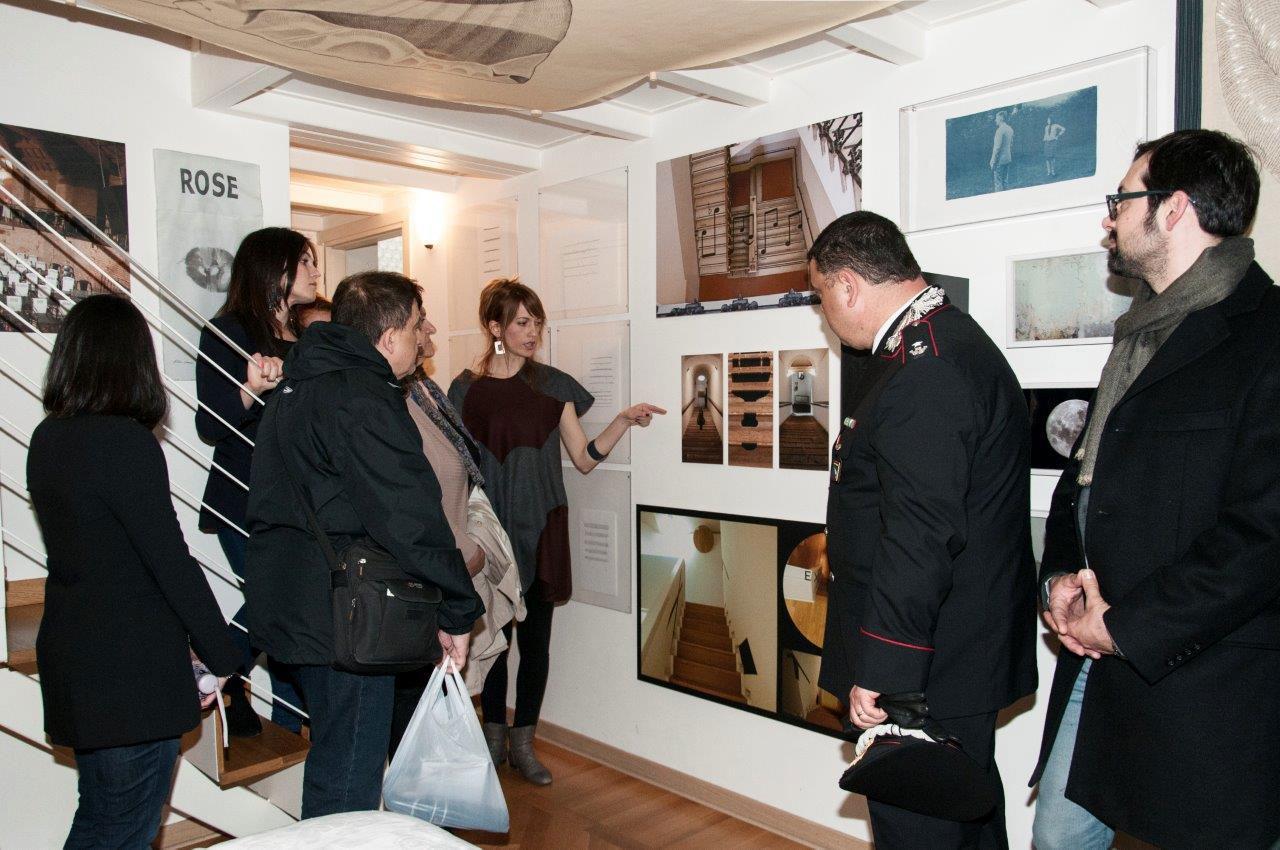
Il progetto espositivo si compone degli scatti fotografici tratti da due delle principali serie su cui l'artista ha lavorato negli ultimi anni. La parte principale dei lavori verte sulla ricerca legata all'architettura urbana, che Anna Di Prospero ha realizzato attraverso lunghe residenze di ricerca che l'hanno tenuta in viaggio per il mondo.
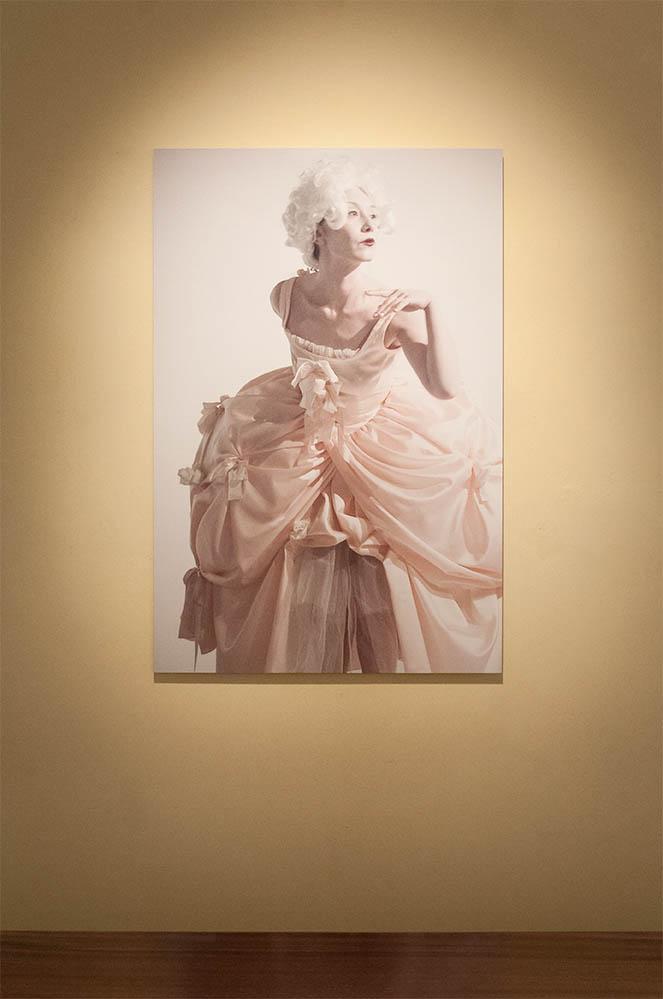
“Quelli che attraggono Anna – con i quali inizia a danzare e dialogare – sono edifici sinuosi, definiti, limpidi e colmi di dettagli, dove la luce scintilla e si adagia misteriosa. Per la loro definizione possono ricordare i dipinti fiamminghi, basti pensare alle pieghe “rigide” dell’abito rosso o ai sui riccioli sciolti nel vento, ma immobili. Frank Gehry, Zaha Hadid possono essere i riferimenti, precisi e puntuali, riconoscibili quasi a voler fare un inconscio tributo alla loro capacità di scolpire l’architettura. Intanto echeggiano nella nostra memoria visiva le silenziose inquadrature di Edward Hopper, il suo raffinato e nostalgico realismo e l’uso sapiente dei tagli di luce. Il corpo di Anna, nelle inquadrature, diventa un’architettura morbida […] In quei gesti netti, precisi, costruiti con cura, che possono far pensare a un’attenzione particolare per le coreografiche di Pina Bausch, emergono le emozioni. Ecco dunque il secondo cuore della mostra, le immagini dei membri della sua famiglia, progettate insieme a loro in ogni dettaglio, dalla scelta del vestito al luogo, alla posa." (dal testo in catalogo di Antonio Grulli).
Le restanti foto in mostra hanno come soggetto i legami e i rapporti familiari e sono tratte dalla serie “Self portrait with my family” con cui l’artista ha vinto alcuni tra i maggiori premi mondiali di fotografia.
Queste opere sono parte di una più ampia ricerca intitolata “With you”, sulle relazioni, i legami con familiari, amici e anche sconosciuti. Qui la figura è presente e si presenta, perde ogni anonimato […]. Le scene sono ricostruzioni del reale, con una tecnica che può essere paragonata a quella di grandi fotografi come Gregory Crewdson, capaci di esaltare il reale, renderlo più evocativo, fino per assurdo all’astrazione […] Questi autoritratti sono piccoli atti performativi, discreti come le pose che l’artista assume sui gradini di ingresso di un palazzo, sull’asfalto di una strada, contro una parete di cemento… Le architetture diventano per un istante la sua casa e la tavolozza su cui dipingere sensazioni non dette (dal testo in catalogo di Antonio Grulli)
Due tematiche, l'architettura e la famiglia, cruciali anche all'interno dell'impegno sociale che da anni muove il Gruppo Unipol e lo spazio espositivo CUBO.
Questa mostra è realizzata col contributo di MLB MARIA LIVIA BRUNELLI home gallery, Ferrara.
Breve biografia dell'artista
Anna Di Prospero nasce a Roma nel 1987. Ha studiato fotografia presso l'Istituto Europeo di Design di Roma e la School of Visual Arts di New York. Nel 2008 è stata inaugurata la sua prima mostra personale all’interno di Fotografia-Festival Internazionale di Roma. Nel 2009 partecipa al FotoLeggendo Festival e vince il Prix Exchange Boutographies che le vale la partecipazione al Boutographies Rencontres Photographiques di Montpellier. Nel 2010 viene selezionata per il seminario di fotografia internazionale Reflexions-Masterclass tenuto da Giorgia Fiorio e Gabriel Bauret. Il suo lavoro è stato esposto in numerose mostre personali e collettive in Italia e Stati Uniti, tra cui a Les Rencontres D’Arles, Month of Photography Los Angeles e alla Triennale di Milano. Le sue foto hanno incantato l’Italia e l’America, dove Anna Di Prospero ha approfondito i suoi studi presso la School of Visual Arts di New York. Ha vinto due prestigiosi premi, il People Photographer of the Year all’International Photography Awards e Discovery of the Year al Lucie Awards e si è classificata al secondo posto nella categoria Ritratto al Sony World Photography Award 2014. Nel 2016 è stato pubblicato il suo primo libro fotografico Marseille(s), frutto del lavoro svolto in residenza artistica presso l’associazione culturale Le Percolateur di Marsiglia. Quest’anno sono state esposte una ventina di sue opere in una doppia personale nel Palazzo Ducale di Mantova insieme a Heinz Lechner, e l’artista è entrata nella collezione del museo. Sempre quest’anno due sue opere sono state esposte anche a Palazzo delle Esposizioni a Roma, nella mostra L'altro sguardo. Fotografe italiane 1965-2018 che intende promuovere la conoscenza delle più originali interpreti del panorama fotografico italiano dalla metà degli anni Sessanta a oggi.
Antonio Grulli (La Spezia, 1979), critico d’arte e curatore, vive a Bologna dove si è laureato in Scienze della Comunicazione. Nel 2008 ha partecipato al progetto Monument to Transformation una piattaforma di riflessione sui processi di trasformazione in ambito sociale negli ultimi trent’anni. Con il progetto FUCINA, creato nel 2004, porta avanti nella provincia di Massa Carrara un’analisi sui più recenti sviluppi del linguaggio plastico e 3d. Ha curato presso l’Istituto Italiano di Cultura di Stoccolma una mostra collettiva di artisti italiani delle ultime generazioni (chiamati a confrontarsi con la figura di Gio Ponti e con l’edificio da lui progettato in città), la mostra personale di Anna Ostoya presso la Galleria CAR di Bologna, e ha partecipato al progetto Curatology organizzato da Viafarini a Milano.
Lo Spazio Arte di CUBO è una realtà che promuove il linguaggio dell’arte in tutte le sue forme. Ospita mostre, di pittura, fotografiche e di arte digitale, promuovendo artisti emergenti e non, con uno sguardo attento alle giovani generazioni e favorisce la conoscenza del patrimonio artistico del Gruppo Unipol.
Info: giorni e orari di apertura: lunedì dalle 14:00 alle 19:00, dal martedì al venerdì dalle 09:30 alle 20:00, sabato dalle 14:30 alle 20:00. Ingresso libero.
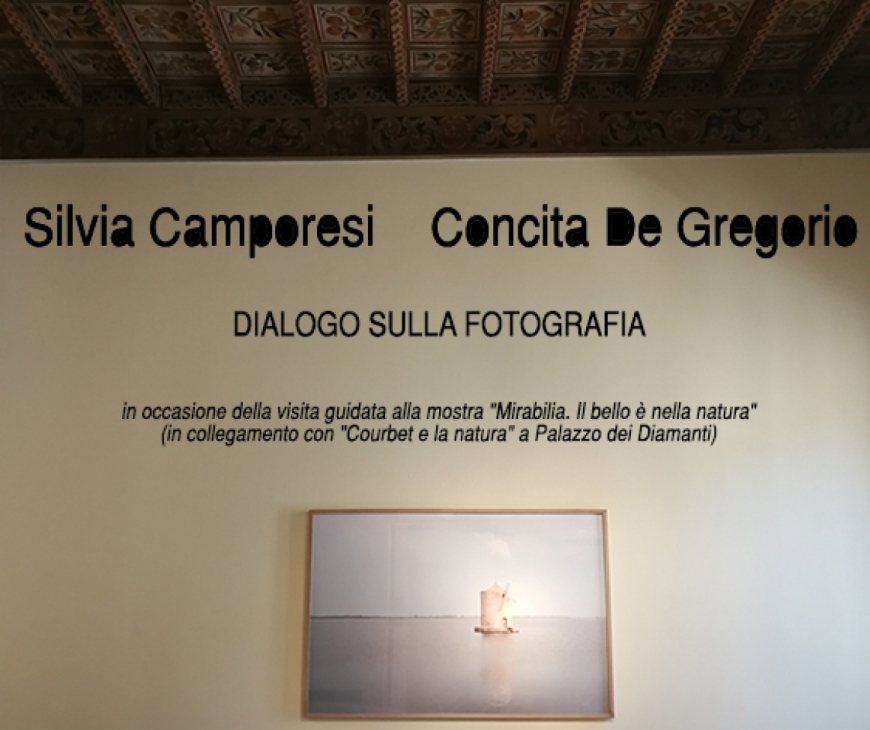
in occasione della visita guidata alla sua mostra "Mirabilia. Il bello è nella natura"
(in collegamento con "Courbet e la natura" a Palazzo dei Diamanti)
venerdì 5 ottobre alle 19
(evento riservato, fino a esaurimento posti disponibili)
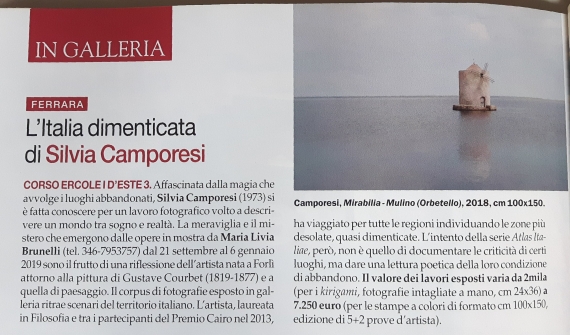
Venerdì 5 ottobre alle 19, in occasione del Festival Internazionale a Ferrara, Silvia Camporesi, fotografa tra le più apprezzate a livello nazionale, accompagnerà Concita De Gregorio, nota giornalista, scrittrice e conduttrice radiofonica, a visitare la sua mostra in corso alla MLB Maria Livia Brunelli (Corso Ercole d'Este 3), Mirabilia."Il bello è nella natura", in collegamento tematico con l'esposizione "Courbet e la natura" al Palazzo dei Diamanti.
Sarà una splendida occasione per ascoltare direttamente dall'artista la presentazione dei suoi ultimi lavori e l'interpretazione che ne darà la giornalista. L'incontro alla MLB sarà preceduto, alle 16.30 presso la Sala Estense (ingresso con tagliando da ritirare presso la biglietteria del Festival), dalla presentazione del libro "Chi sono io? Autoritratti, identità, reputazione" in cui l'editorialista de La Repubblica ha indagato l'uso dell'autoritratto nella fotografia al femminile (fra le cinque artiste intervistate nel libro c'è anche Silvia Camporesi, che sarà presente all’incontro). Per motivi organizzativi l'evento alla MLB è riservato a chi intende prenotarsi inviando una mail a This email address is being protected from spambots. You need JavaScript enabled to view it..
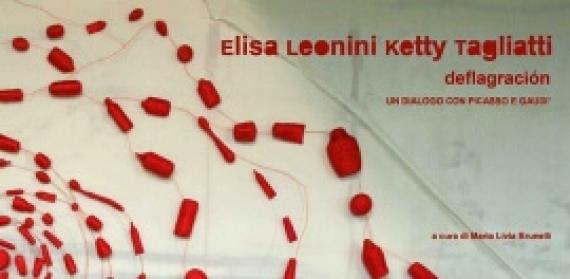
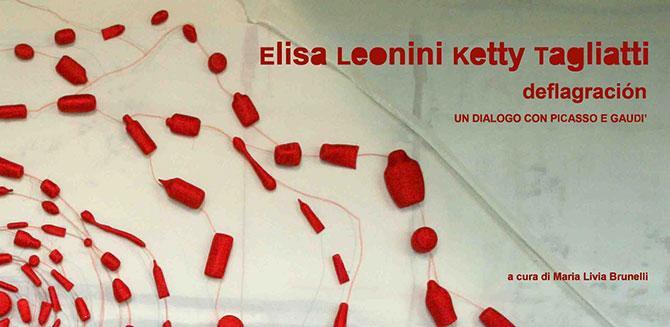
Elisa Leonini e Ketty Tagliatti
Additional Info
-
Intoduction
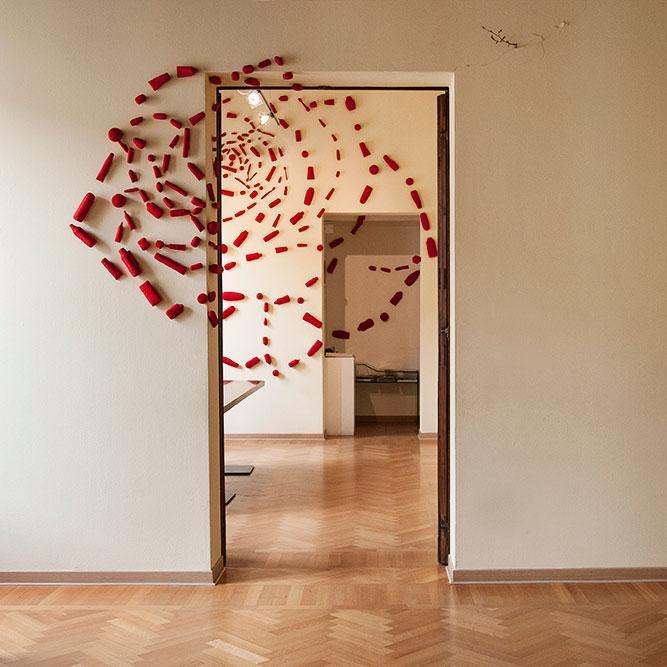
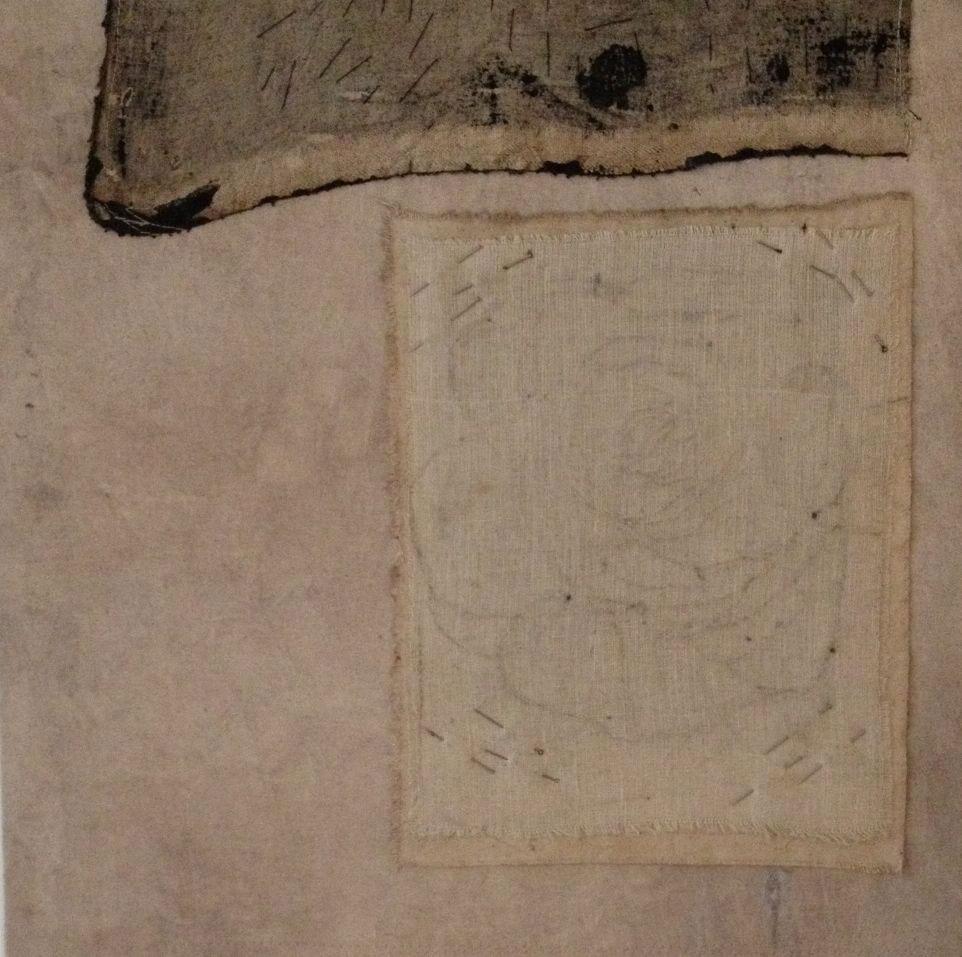
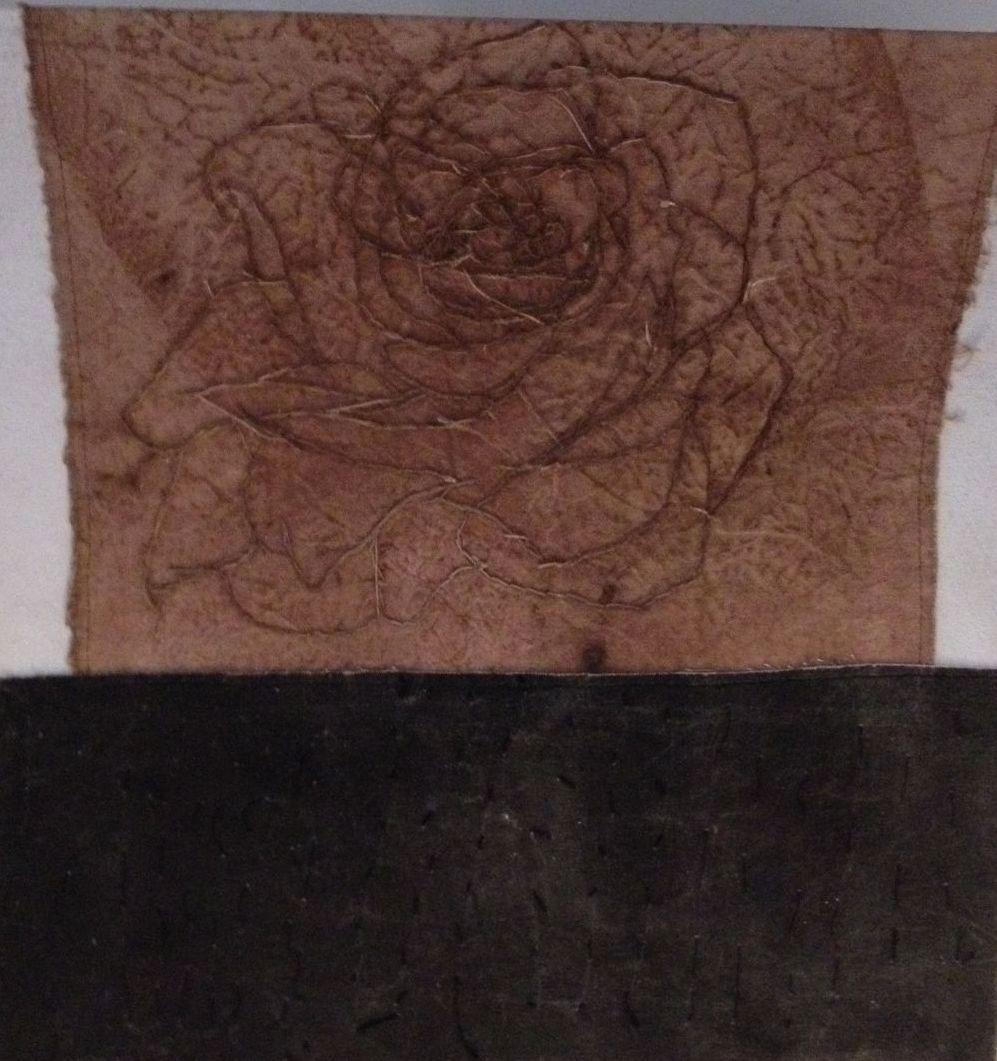
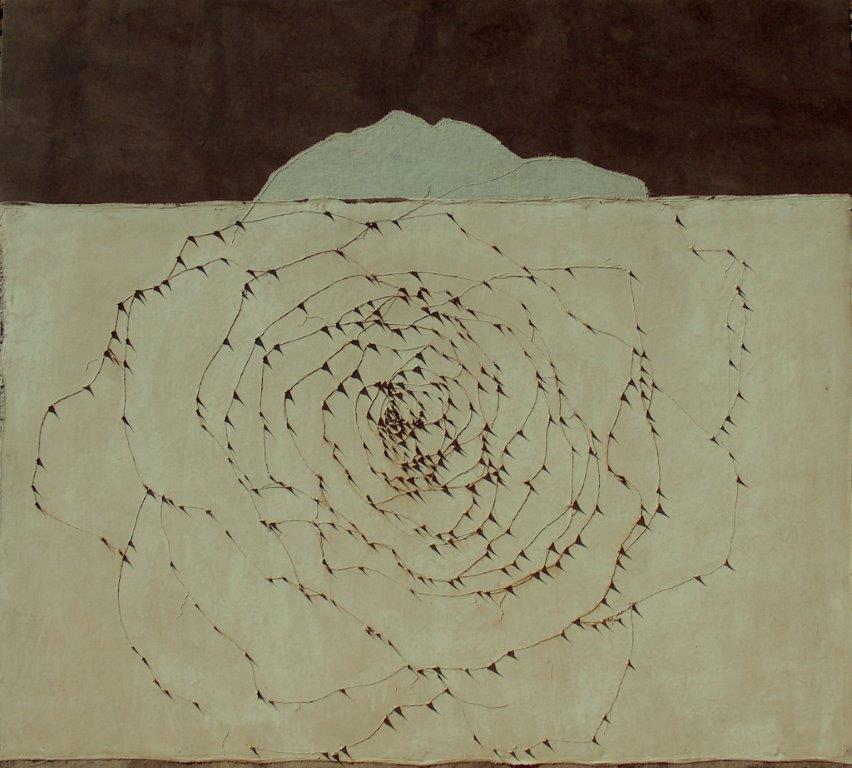
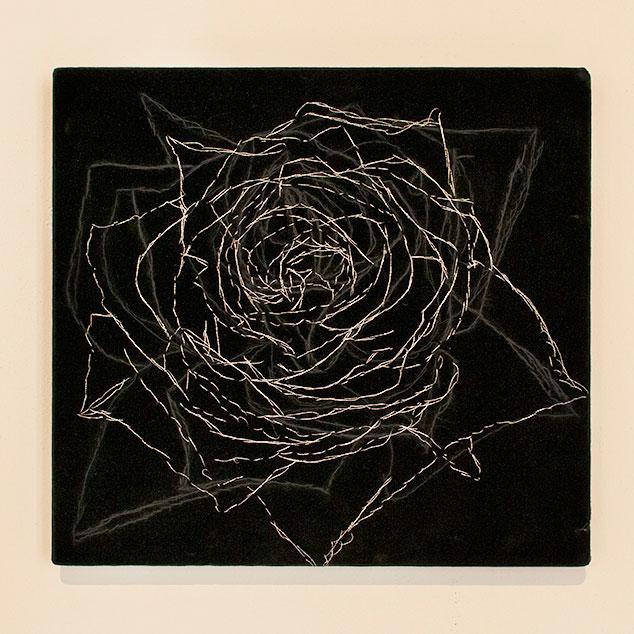
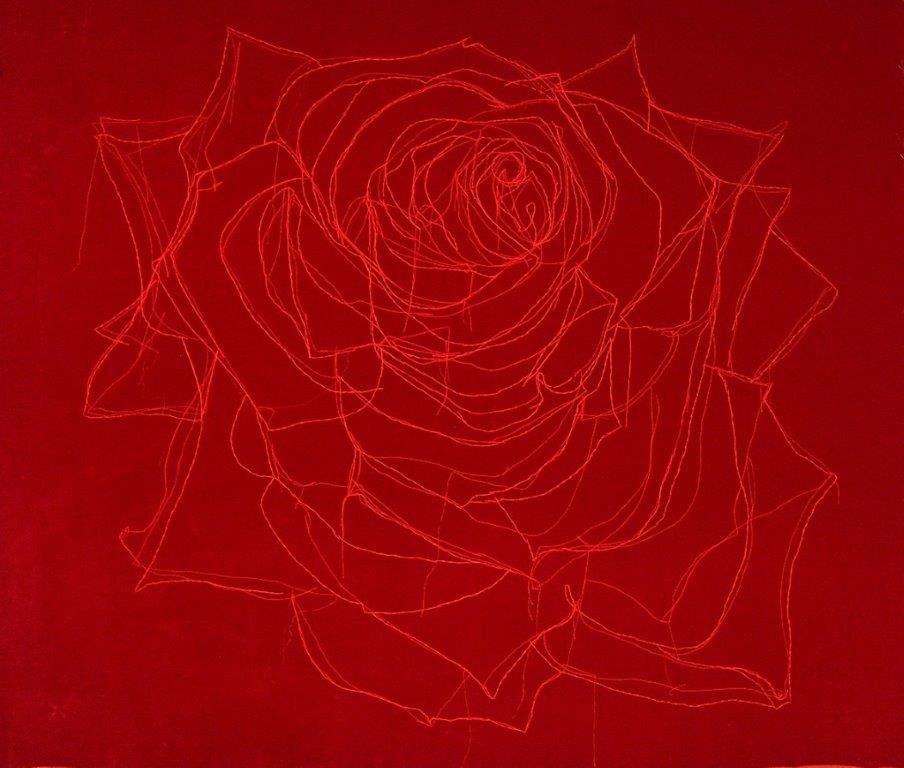
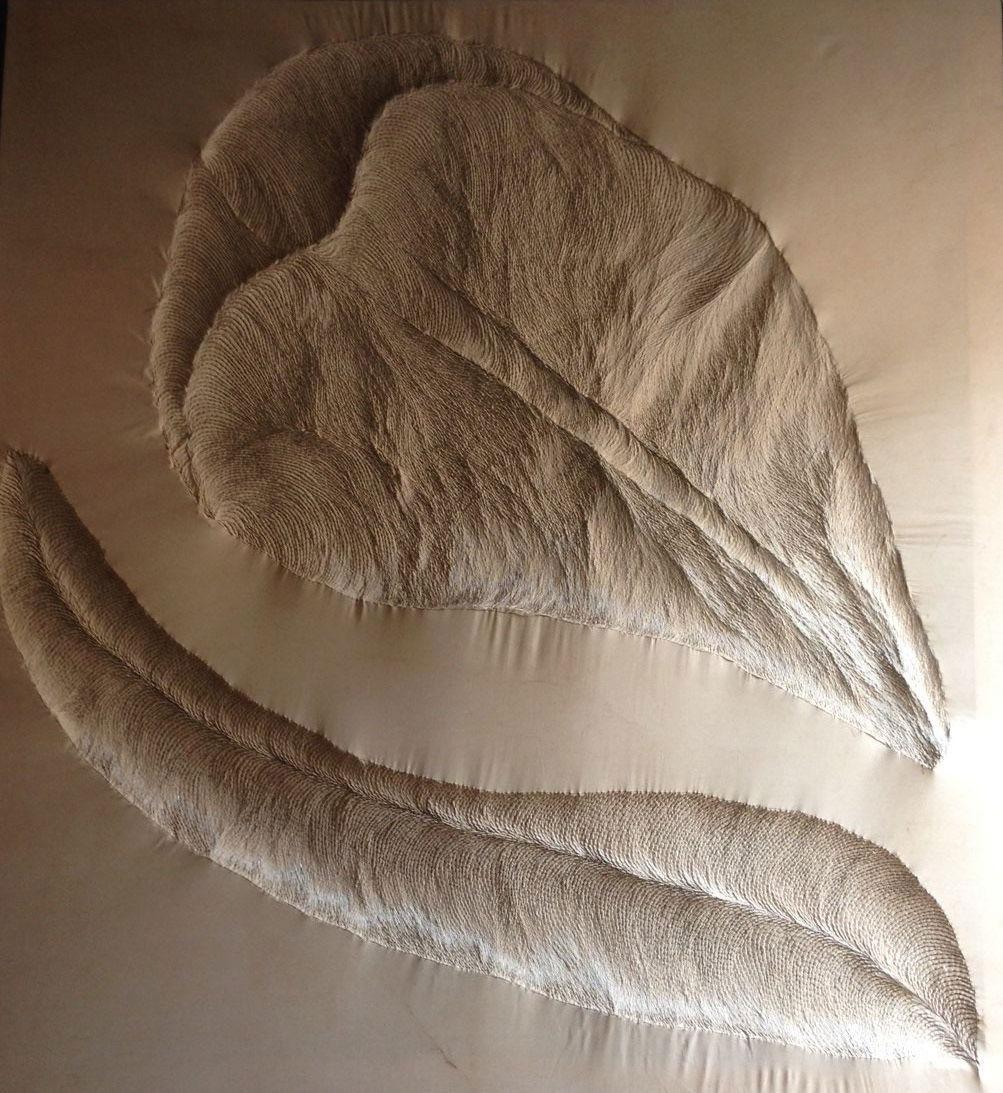
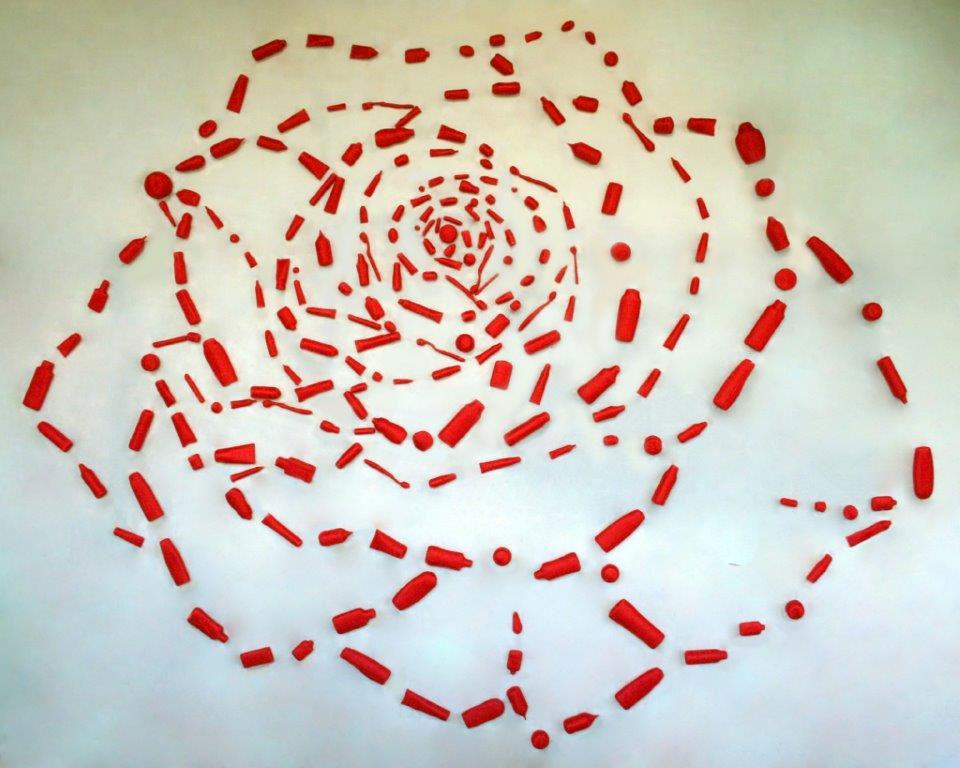
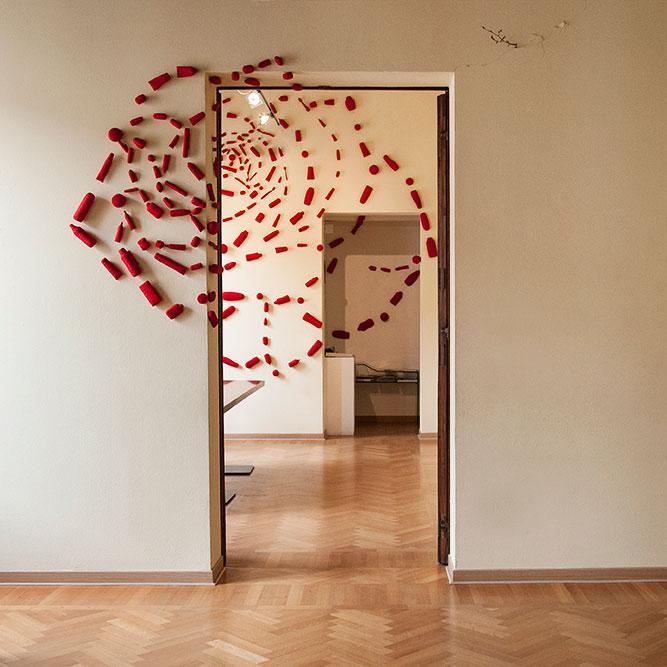
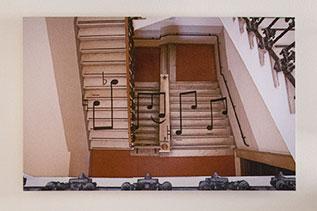
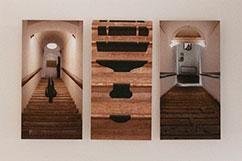
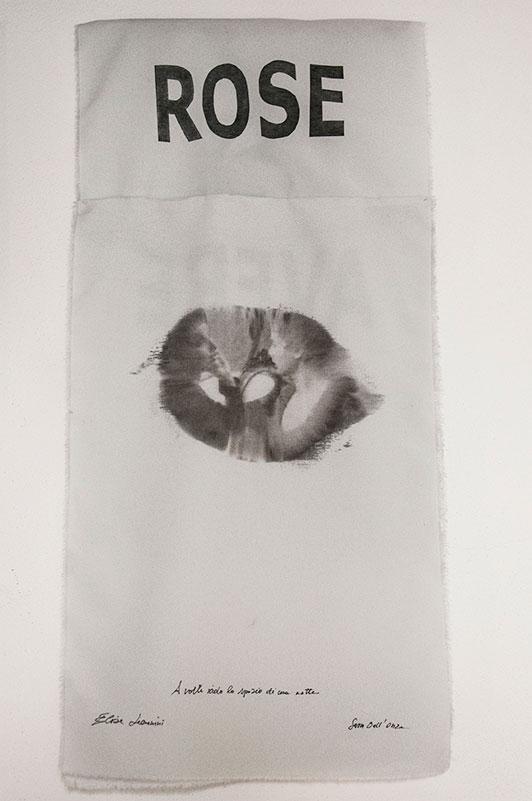
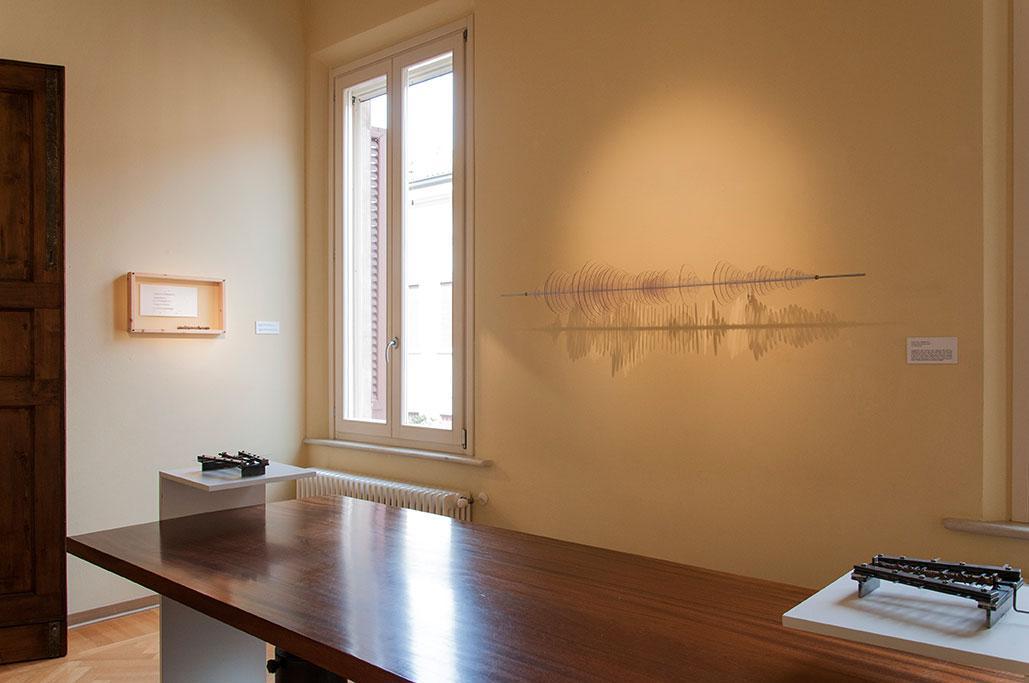
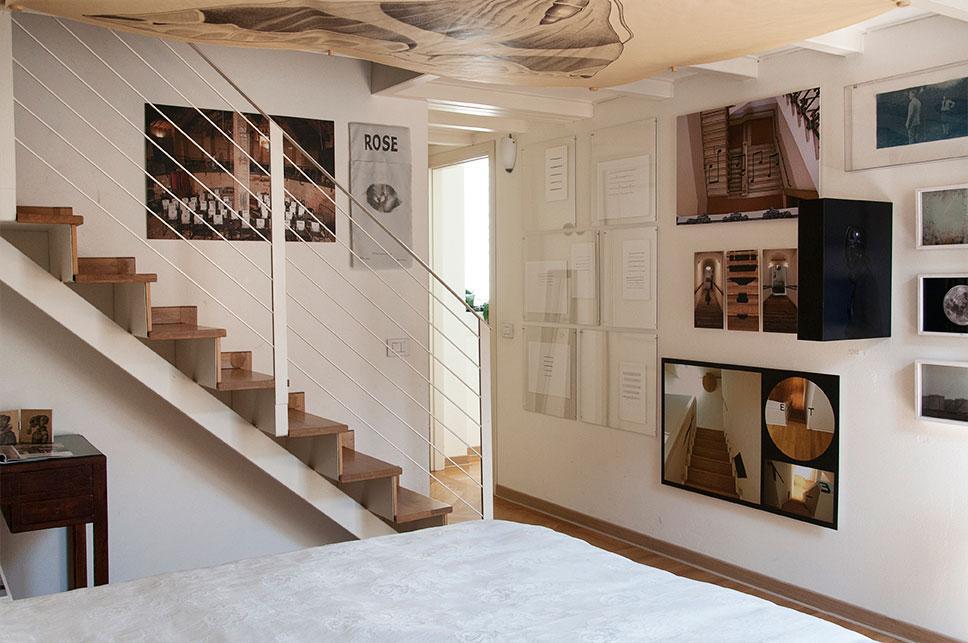
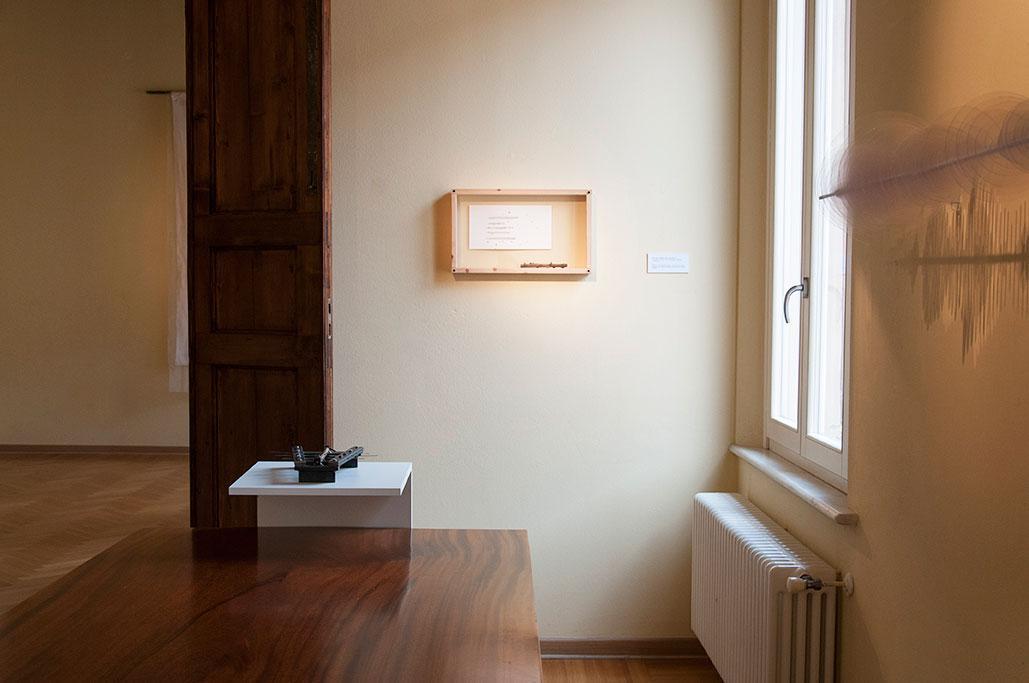
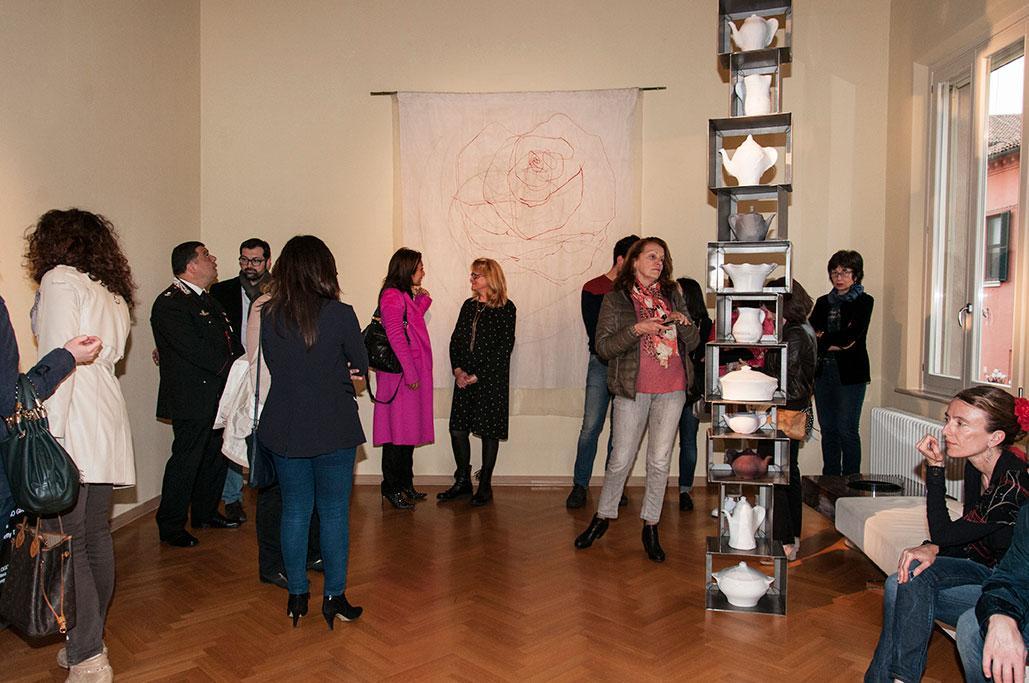
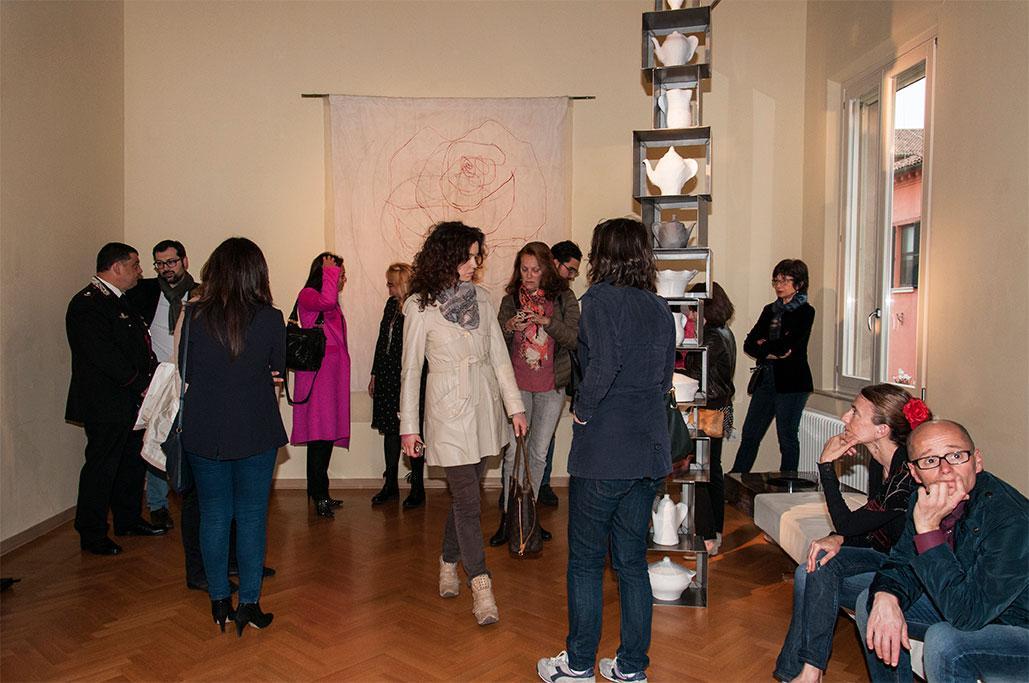
Inauguration in conjunction with the exhibition "La rosa di fuoco. The Barcelona of Picasso and Gaudì "at Palazzo dei Diamanti, the double staff at the MLB home gallery entitled" Deflagración ". To expose Ketty Tagliatti, known for her roses with real rose thorns sewn on canvas, and for her three-meter camellia made with thousands of intertwined pins, and Elisa Leonini, refined artist specialized in anamorphosis that will make us listen " the sound of the rose ".
The two artists have interpreted through their sensitivity some themes present in the exhibition of the Palazzo dei Diamanti: from the spectacular installation of a deflagrating red rose that invades the two rooms of the gallery, to the poetry of the everyday object evoking Art Nouveau.
An exhibition with elegant and strong scent, which is an explosion of sounds and visions of the vital forces of nature, from roses sewn on the velvet of Ketty Tagliatti to the vibrant work of Elisa Leonini, in dialogue the lively and restless atmosphere that animated Barcelona early twentieth century, nicknamed "the rose of fire" for its effervescent social environment. But where a search for intimacy and silence also emerges, as a reaction to the "deflagration" of the external world.
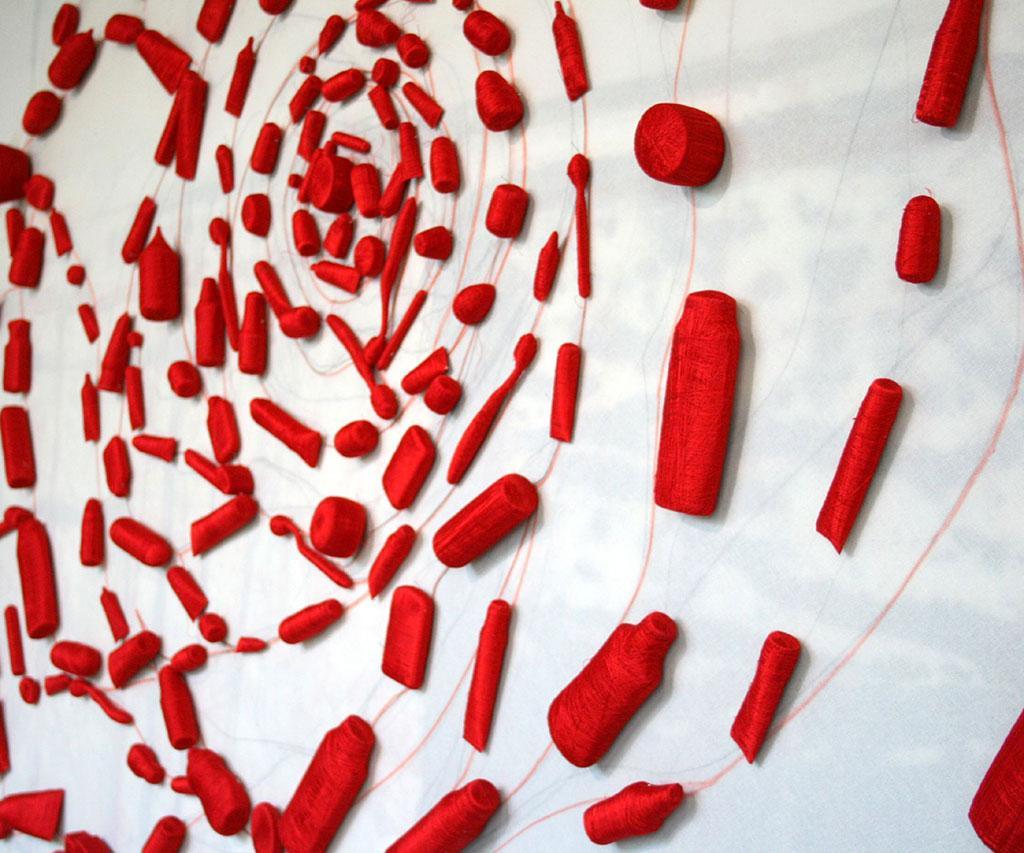
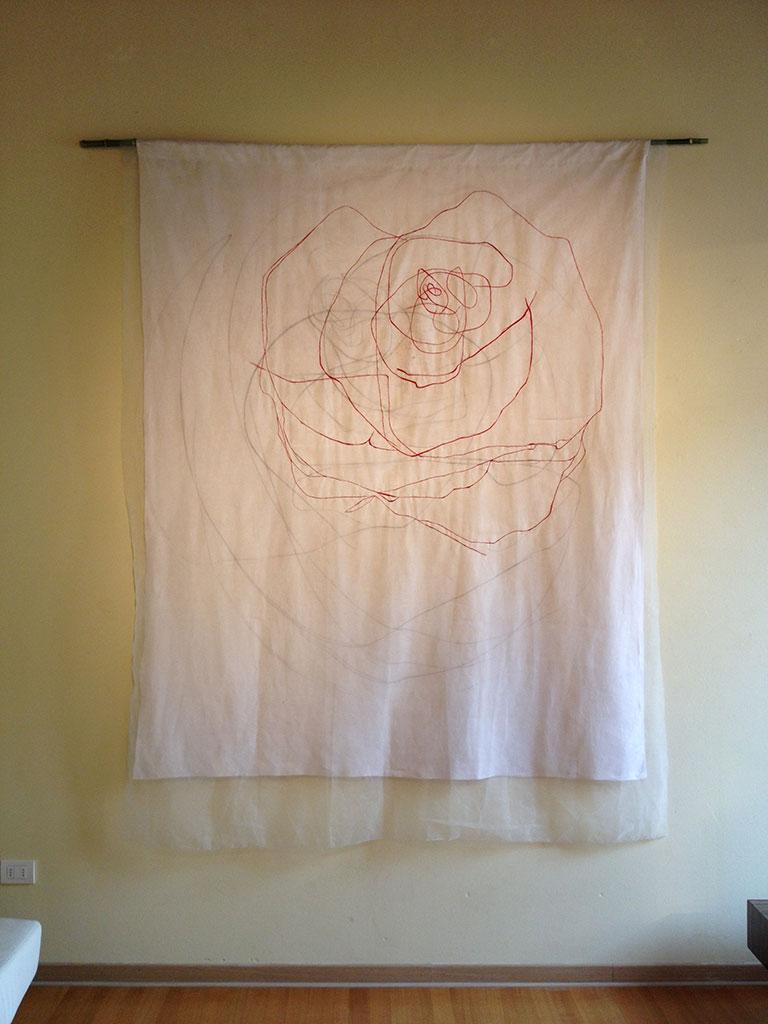
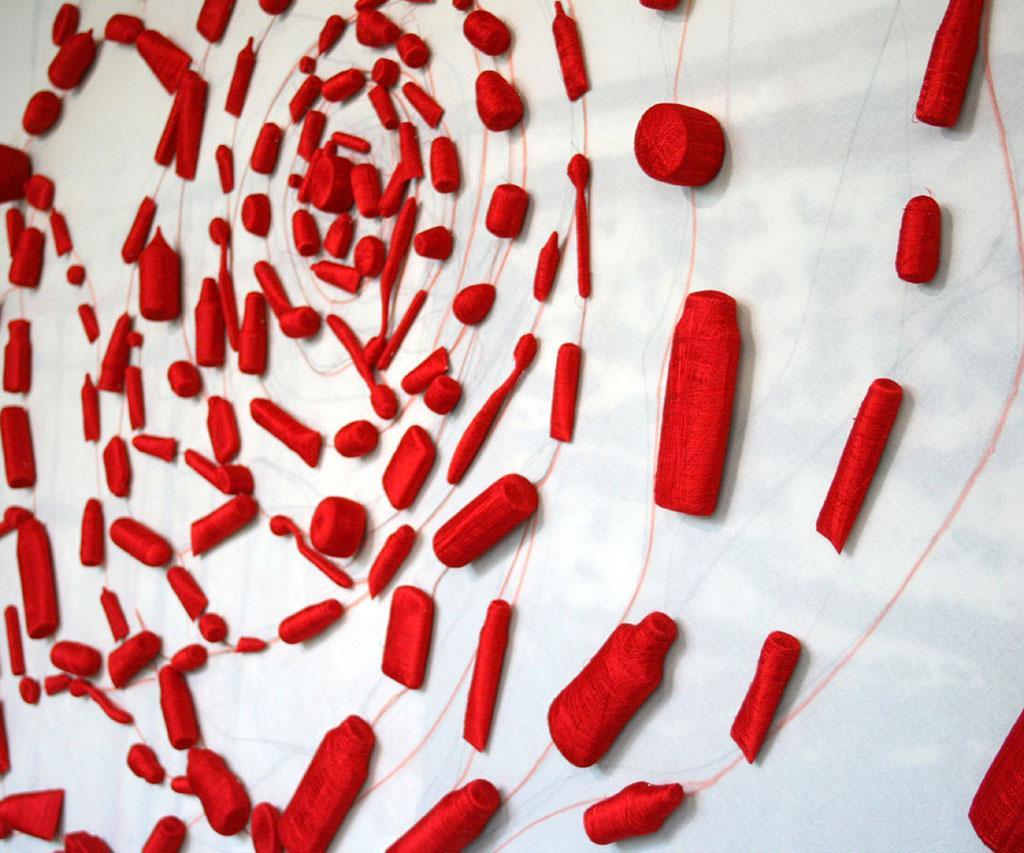
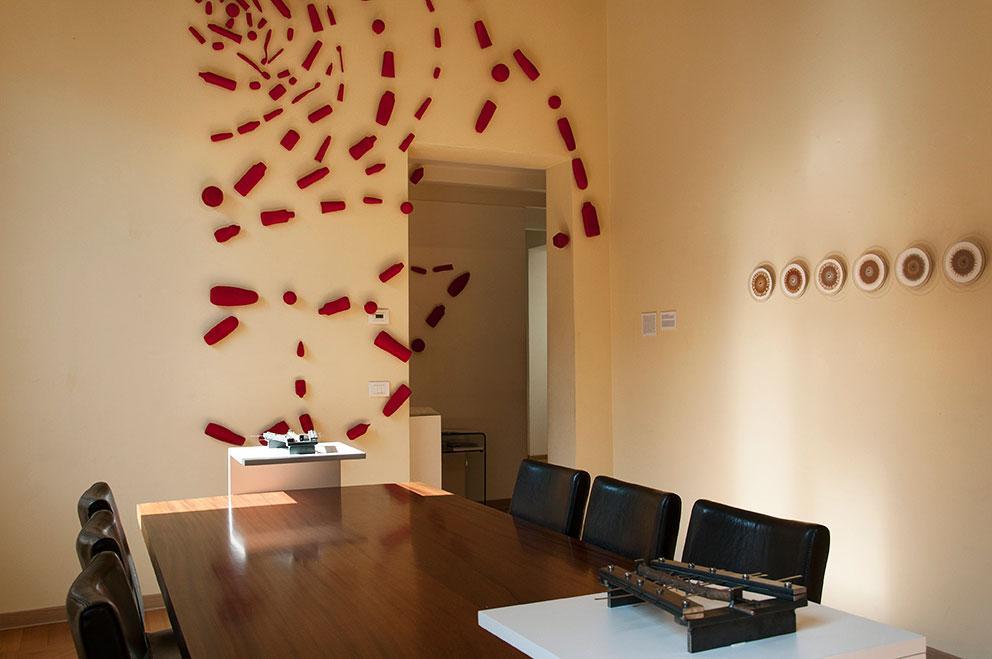
"Anamorphosis of a rose of my garden" is a large anamorphic installation that has as its protagonist a flaming rose that invades the two rooms of the gallery, a work born from the collaboration between the two artists. The work consists of dozens of objects patiently covered with a single red silk thread, which, combined, make up the petals of the rose. Observing carefully, one discovers how each object belongs to the sphere of female intimacy: lipsticks, tubes, containers of anti-aging cosmetics become a sharp metaphor of women's fear of "fading", like the rose in fact. The choice to present the work through an illusion, the anamorphic deformation, thanks to which there is only one point of view to unequivocally recognize the shape of the rose, guides the viewer in a movement poised between the formation and the dissolution of the image . .
The happy interweaving of the poetics of the two artists, but above all the overlapping of two different perspectives of life, has brought them closer so as to make them join each other's work.
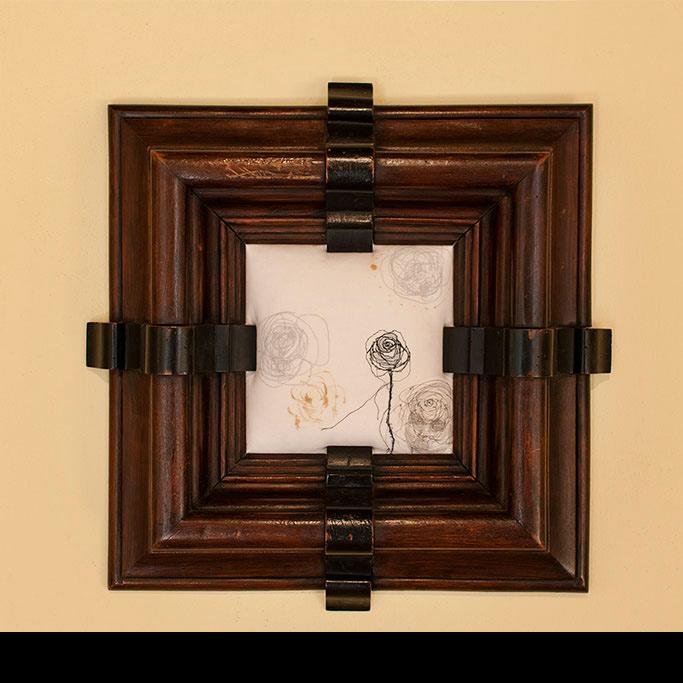
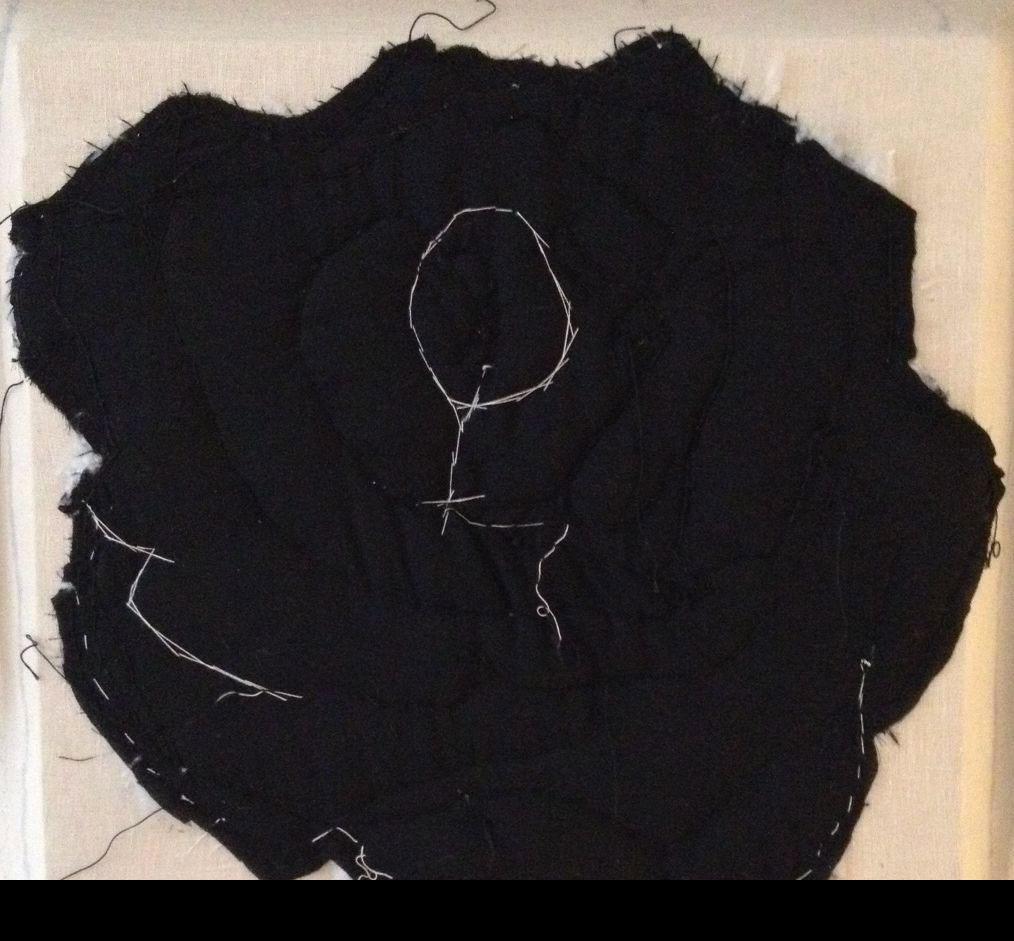
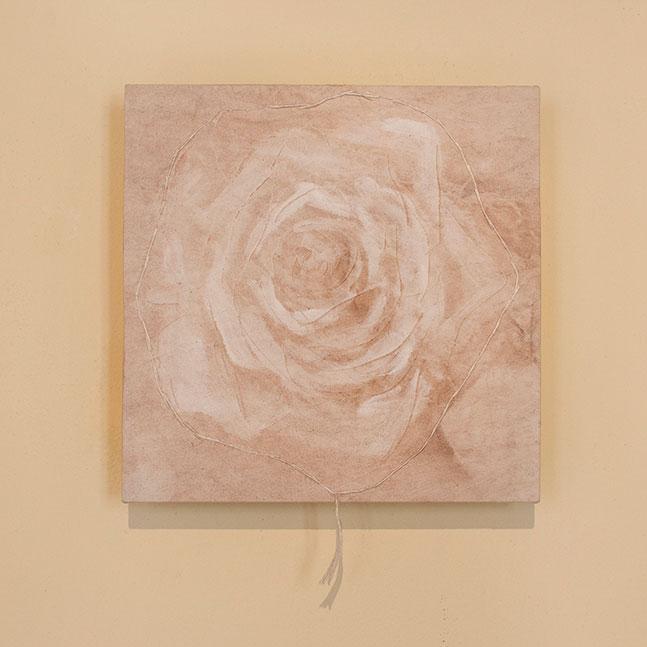
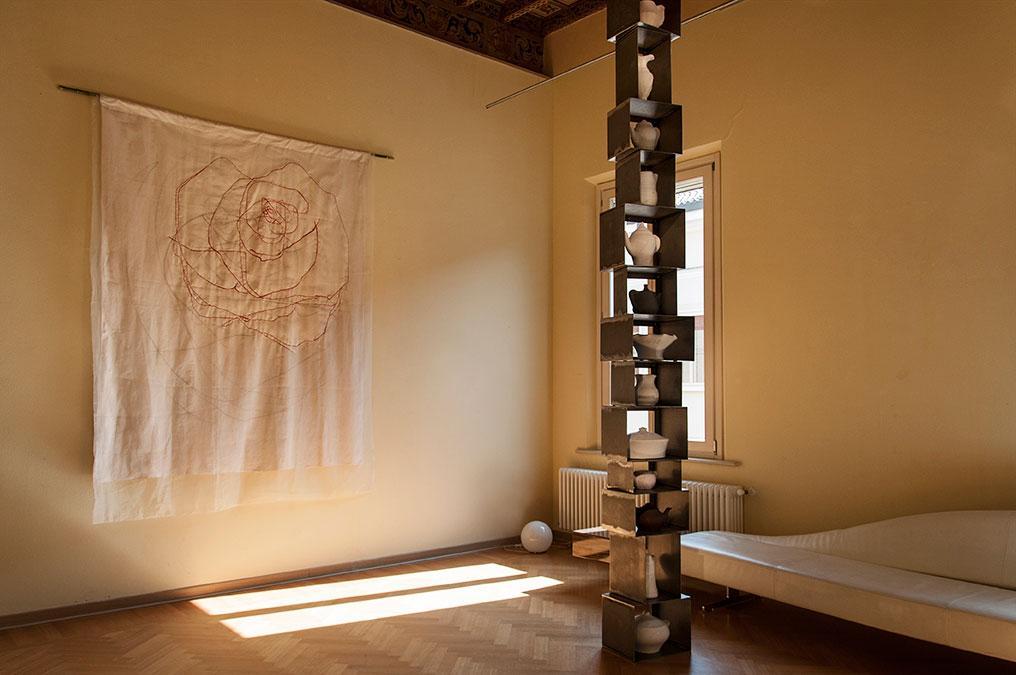
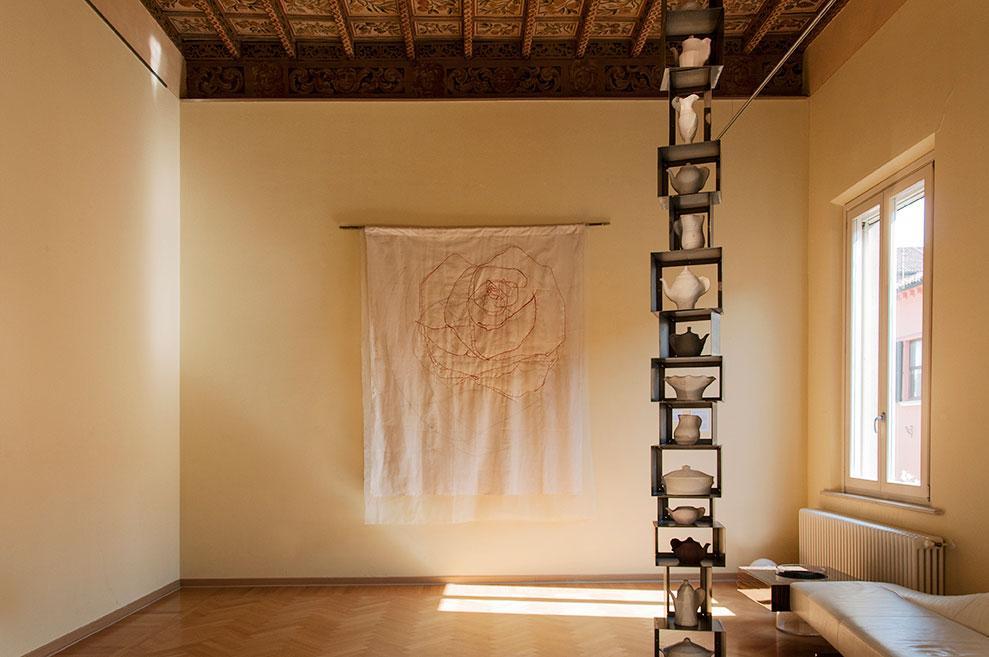
"The rose of my garden" by Ketty Tagliatti is a work created by a rose that is continually re-blooming in the garden of the artist's house, giving roses that look like red velvet. La Tagliatti has therefore chosen this material to realize his work, which bears the trace of the hands that have traveled on it while the artist has sewn it over the shape of the rose. A track that is like a memory, a photograph of what led to the creation of the design.
"I love to overlap several drawings of the same flower - says the artist - to capture different moments of his life and I prefer the sfioritura, the last moment before the petals begin to fall, before the definitive death".
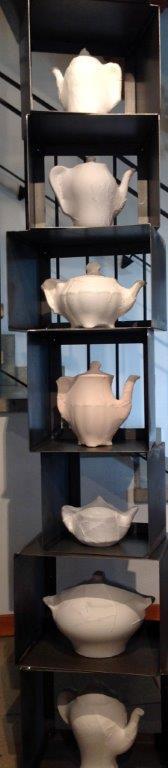
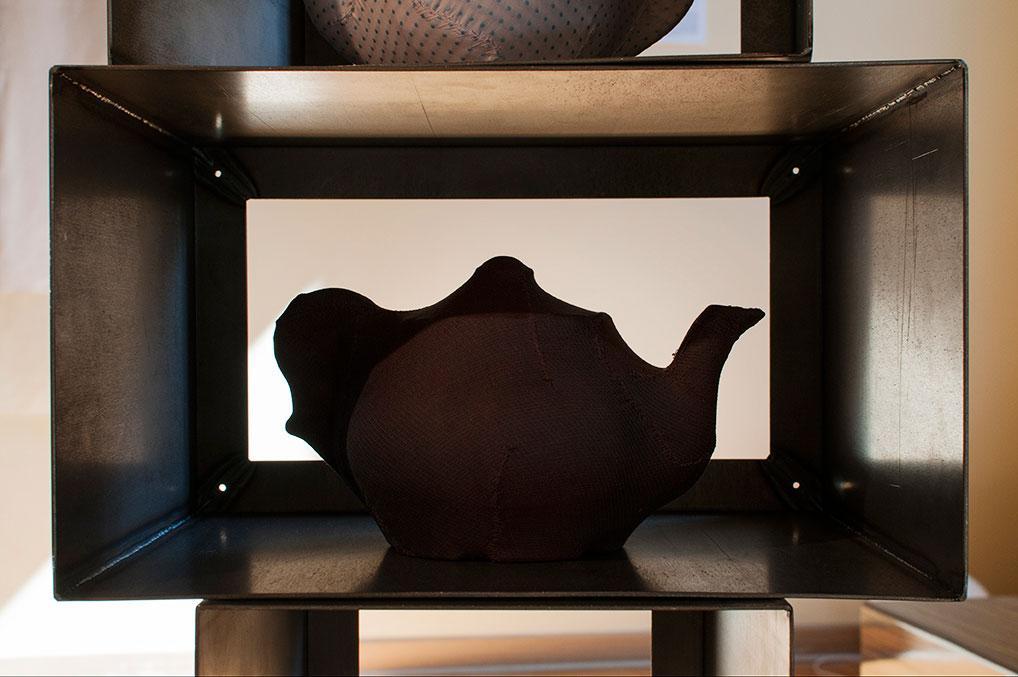
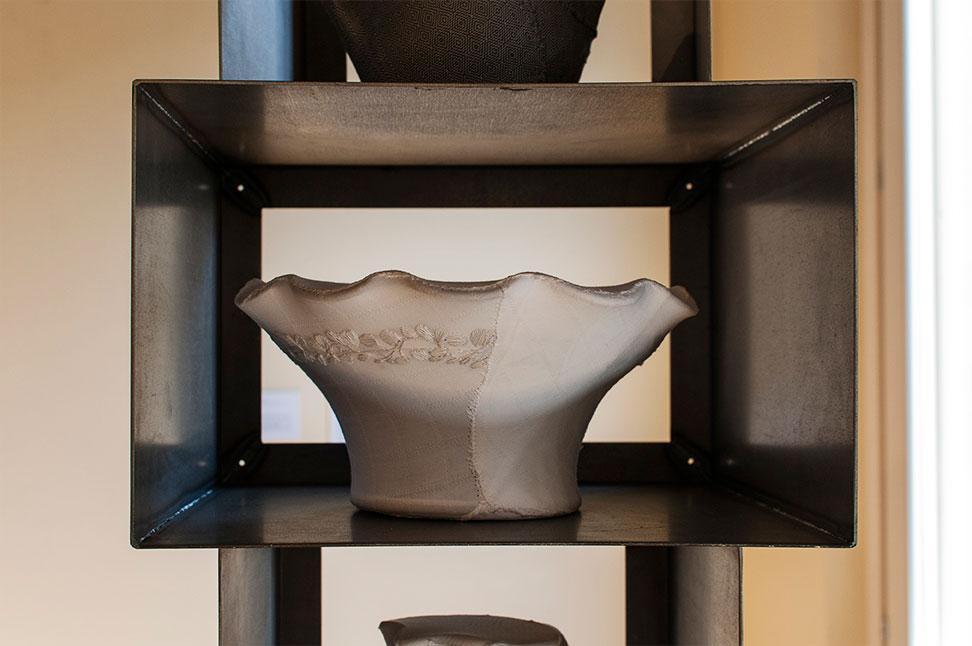
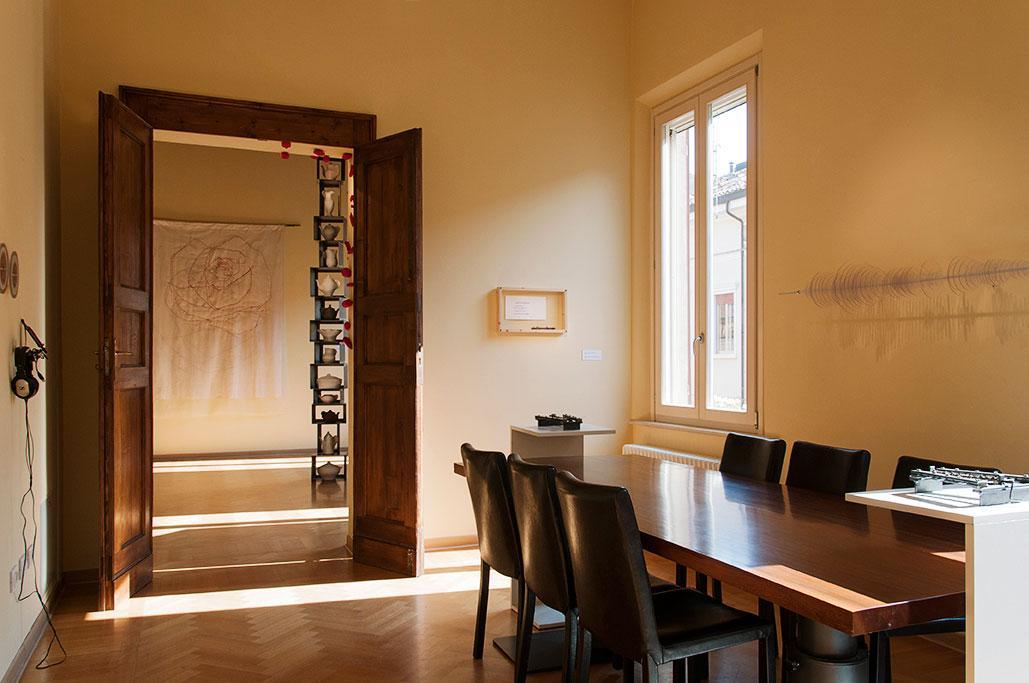
After the rose, "fil rouge" that has accompanied the artist's production for over a decade, now Ketty Tagliatti is starting a new cycle of works, whose subject matter is abandoned, rich in memory. "Still Life memory 1914 - 2014" is the symbol of this new cycle, where household objects with an ancient and slightly retro flavor, such as pitchers and teapots, have been upholstered in a sort of straitjacket sewn on, with the aim of concealing them and isolating them in an almost theatrical space-dwelling place. An operation that brings out the "divine nerve" of these objects, their "spiritual charge", as J. Ortega Y Gasset would say, a Spanish philosopher who has always been an important reference point for Tagliatti, so much so that it became the a common thread of all his most recent work.
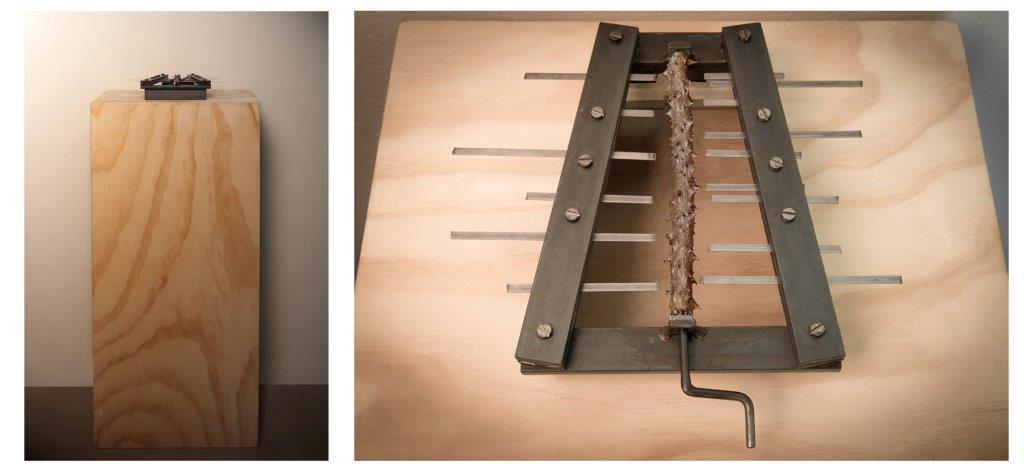
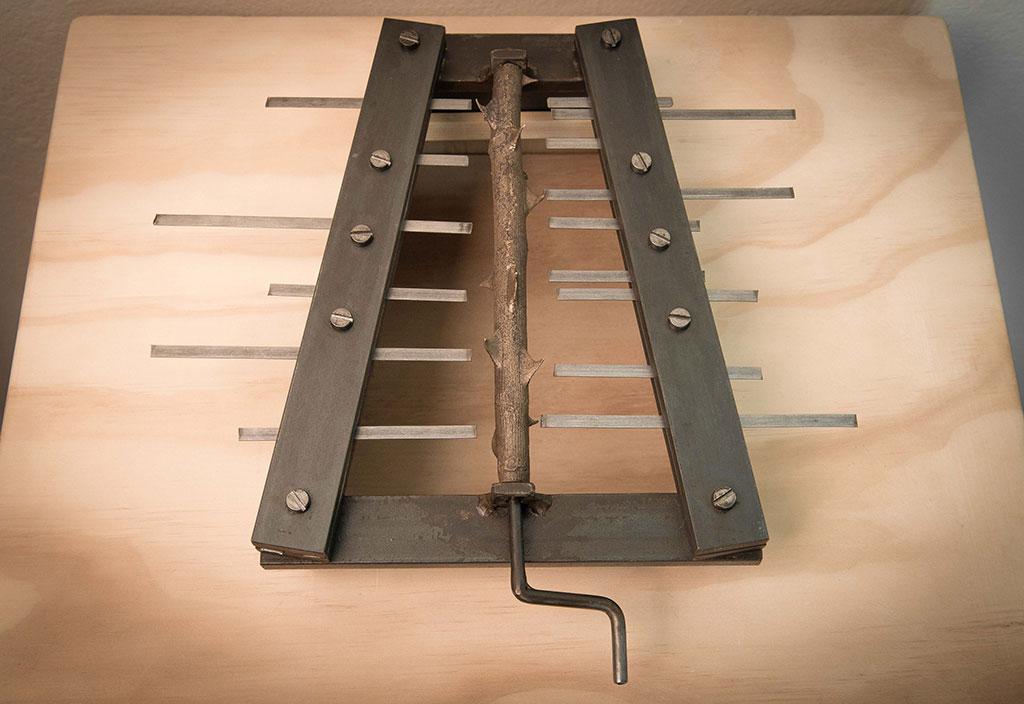
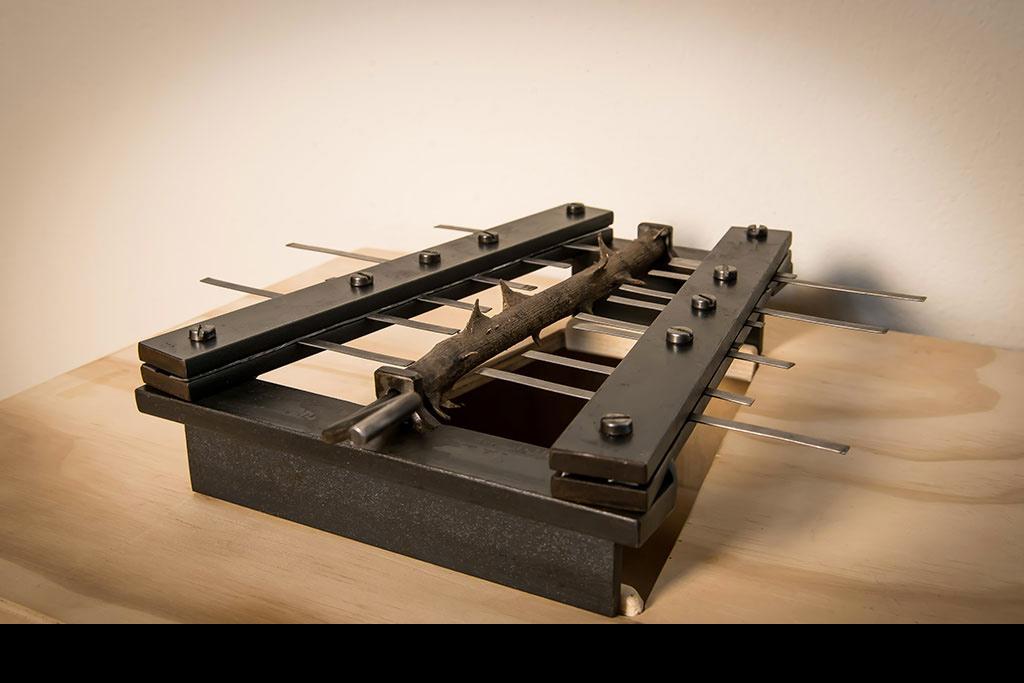
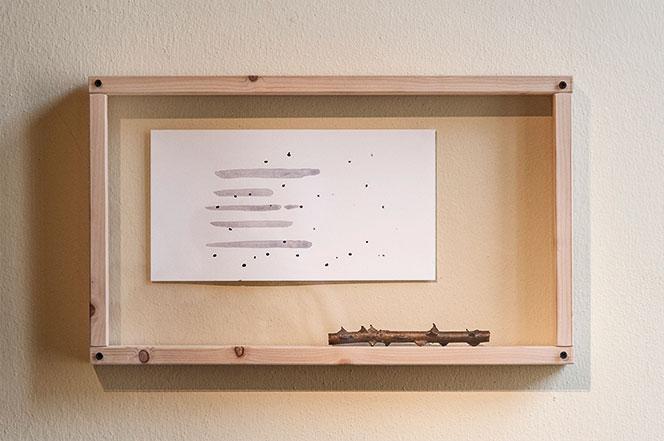
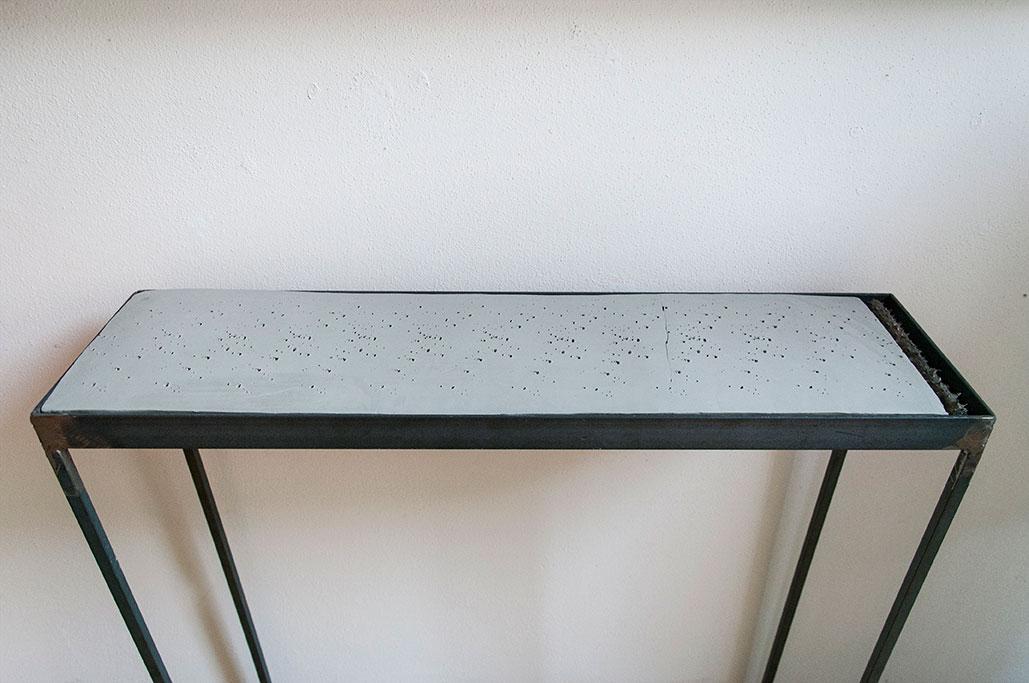
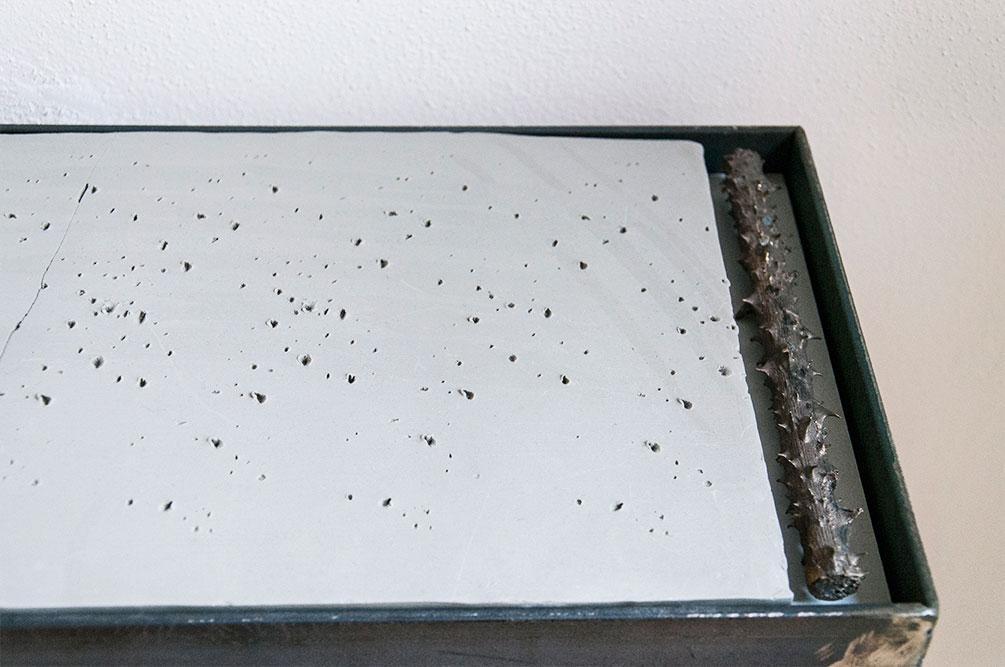
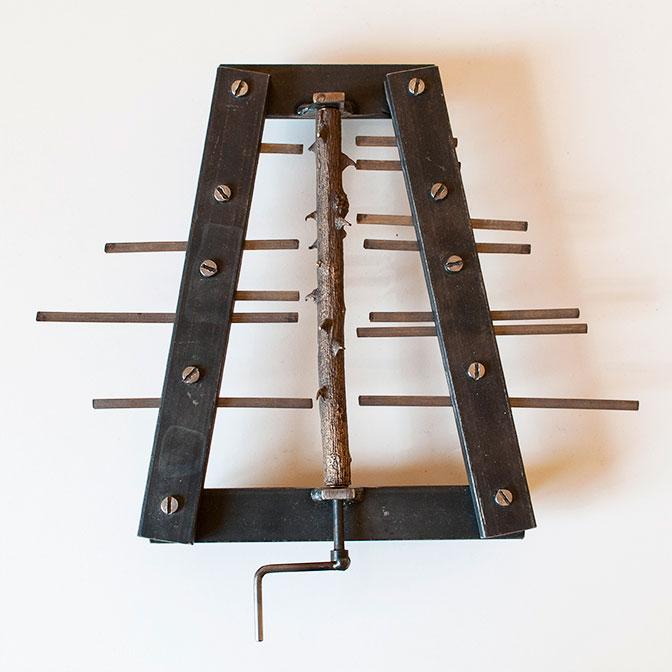
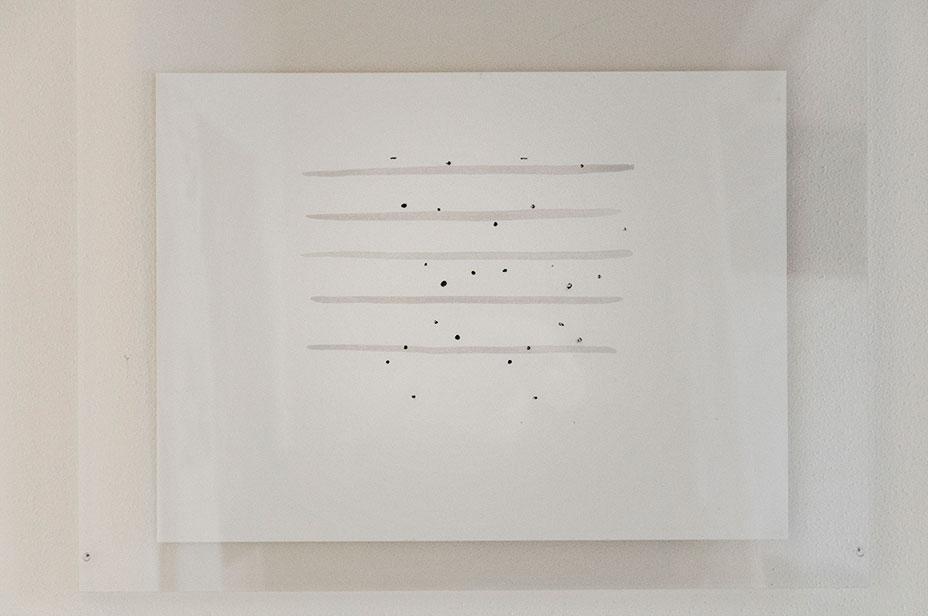
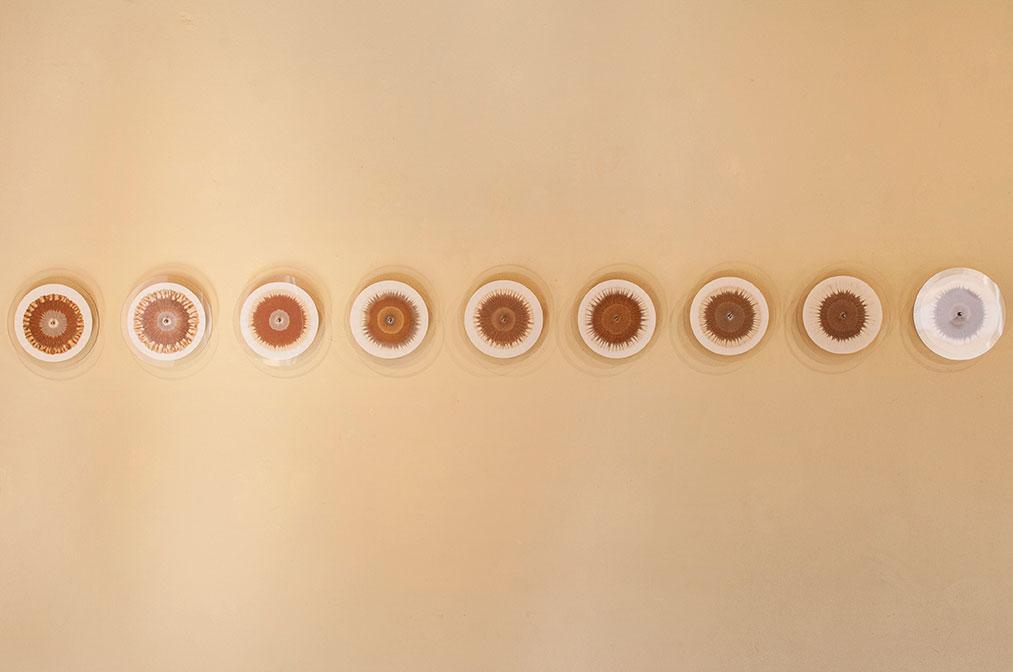
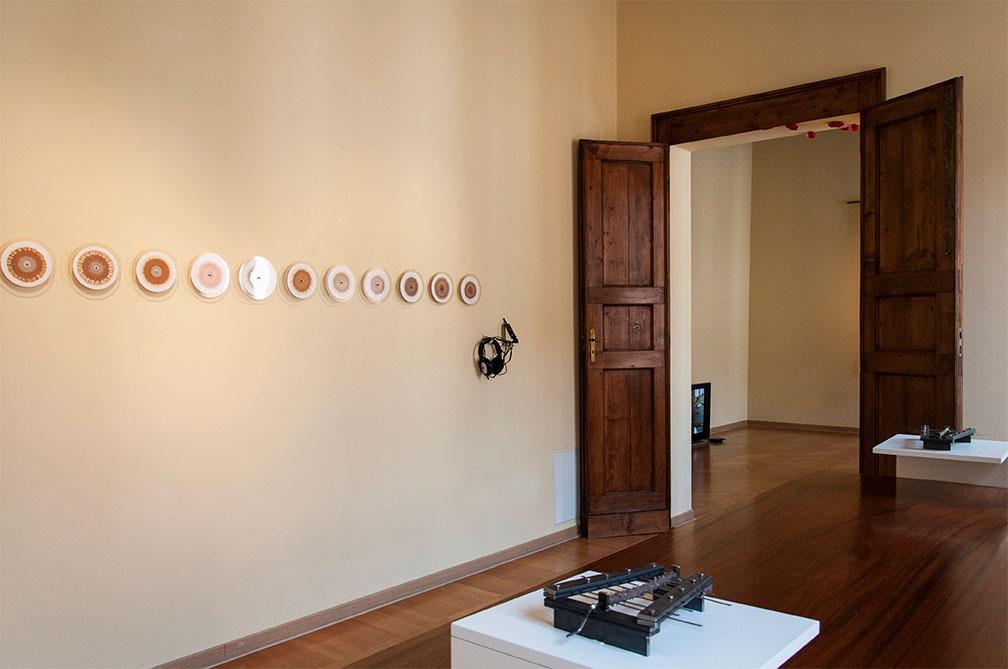
An act that decrees the entrance into an "other" dimension, in a space where time changes direction and, turning attention to the past, creates the illusion of being still, suspended, while all around you are witnessing the "deflagración "Of his own world.Once again, we find the concept of traces in the work "Rhodon rheo" (from the Greek "flowing rose") by Elisa Leonini, an investigation into the sound of the rose made from the bronze casting of the stem of the rose that, rotating , triggers the vibration of harmonic steel of carillon sculptures. The rose becomes sound, an image of the flowing time. Subsequently, the inked rose stems leave evocative traces of their passage on drawn staves, suggesting a musical writing.
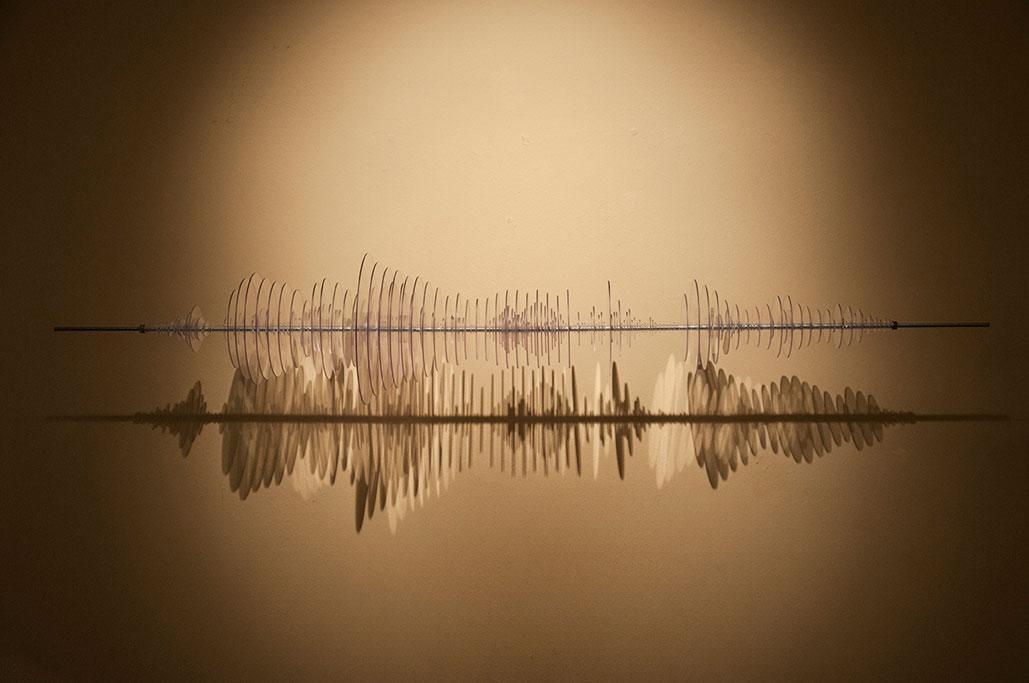
The union between graphics and sound also characterizes the artist's new installation. In "Horizon of life" the rotation frequencies of earth and sun are based on the graphic structure of the vital forces of the earth, the rediscovery of land and territories that nourish and identify us. The sculpture "Silenzio" is born from the suggestion of the harmonious organic forms of Gaudì, in which Elisa Leonini gives form to the invisible. Starting from the graphic representation of the sound wave of the word 'silence', pronounced by the artist herself, Leonini has created a sculpture of synthetic glass and iron three-dimensional transforming the sound waves. Silence thus screams its presence and fragility, as a response to the whirlwind of modern life. -
Exhibited Works
Ketty Tagliati
-
 Title
Title
Title
Title
-
Title
Title
-
Title
Title
-
Title
Title
-
Title
Title
-
Title
Title
-
Title
Title
-
Title
Title
-
Title
Title
-
Title
Title
-
Title
Title
-
Title
Title
-
Title
Title
-
Title
Title
-
Title
Title
View the embedded image gallery online at:
https://www.mlbgallery.com/en/events/itemlist?start=126#sigProId636d0ea452Elisa Leonini
-
Title
Title
-
Title
Title
-
Title
Title
-
Title
Title
-
Title
Title
-
Title
Title
-
Title
Title
-
Title
Title
-
Title
Title
-
Title
Title
-
Title
Title
-
Title
Title
-
Title
Title
-
Title
Title
-
Title
Title
-
Title
Title
-
Title
Title
-
Title
Title
View the embedded image gallery online at:
https://www.mlbgallery.com/en/events/itemlist?start=126#sigProIdc3869471d4 -
-
Exhibition Set Up
-
Title
Title
-
Title
Title
-
Title
Title
-
Title
Title
-
Title
Title
-
Title
Title
-
Title
Title
-
Title
Title
-
Title
Title
-
Title
Title
View the embedded image gallery online at:
https://www.mlbgallery.com/en/events/itemlist?start=126#sigProId7c919ac80b -
-
Invitation to the vernissage
-
Vernissage: Photo Gallery
-
Title
Title
-
Title
Title
-
Title
Title
-
Title
Title
-
Title
Title
-
Title
Title
-
Title
Title
-
Title
Title
-
Title
Title
View the embedded image gallery online at:
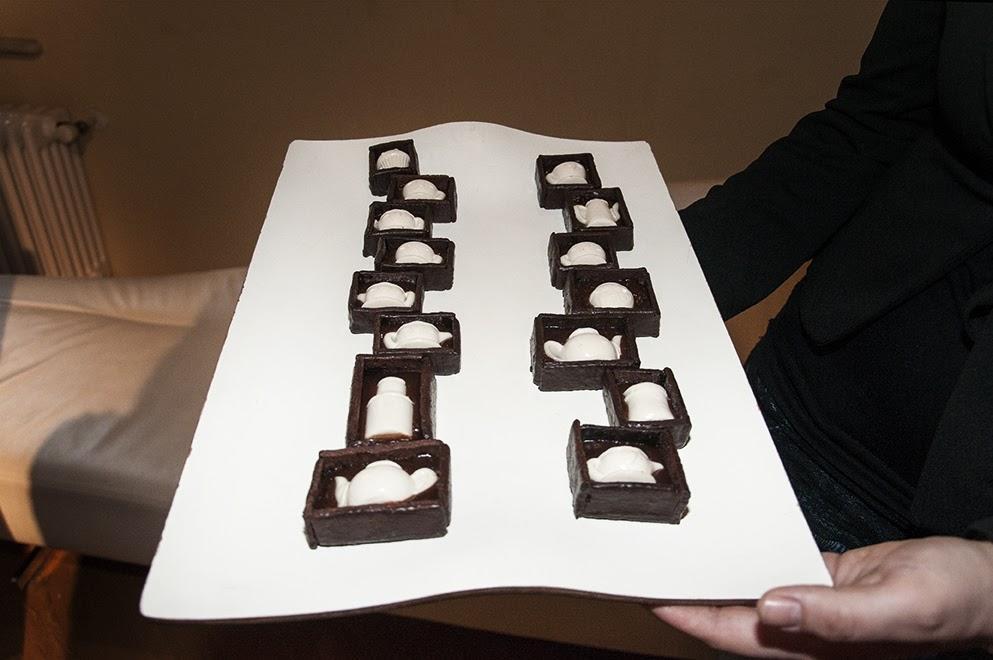
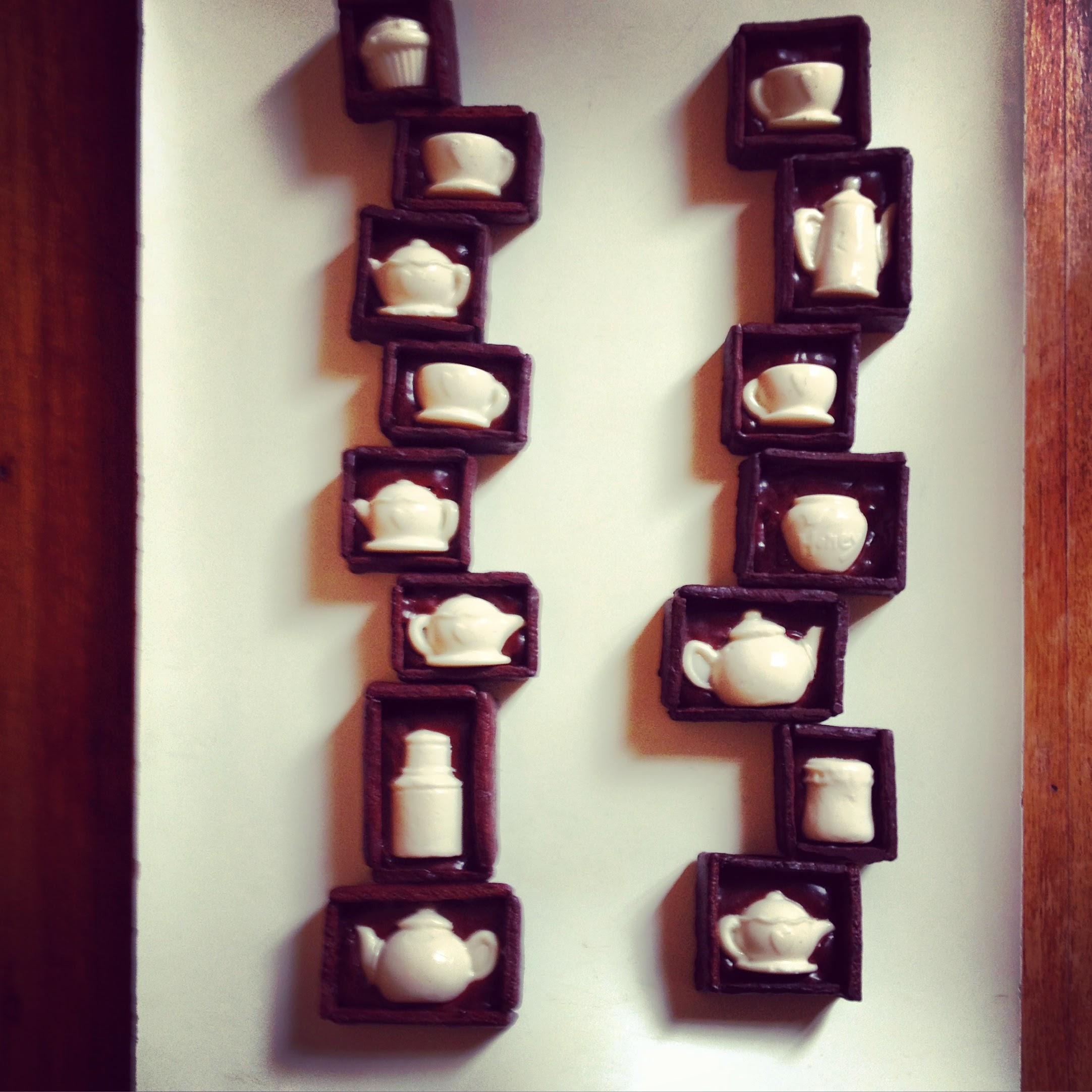
https://www.mlbgallery.com/en/events/itemlist?start=126#sigProIdc0336d9144Finger food a cura di Laura Saetti
View the embedded image gallery online at:
https://www.mlbgallery.com/en/events/itemlist?start=126#sigProId3dea3f9edc -
Marcello Carrà
Additional Info
-
Intoduction
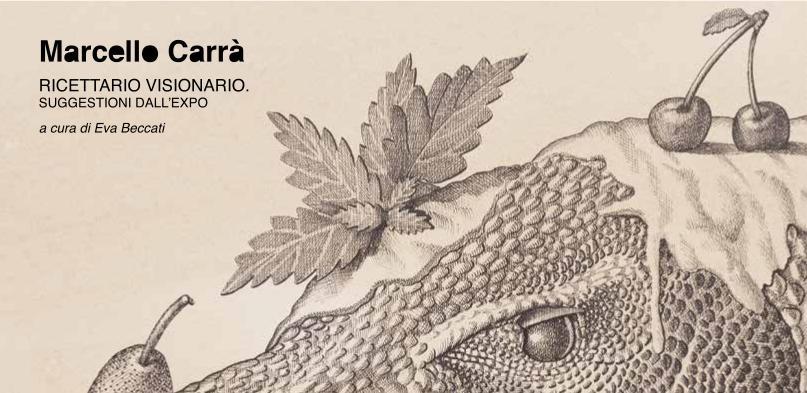
In the year of EXPO, MLB Maria Livia Brunelli Home Gallery presents, from 20 September to 8 November, a spectacular exhibition that revisits in an ironic and at the same time critical key the theme of nutrition in relation to the exploitation of natural resources and relationship between food and money.
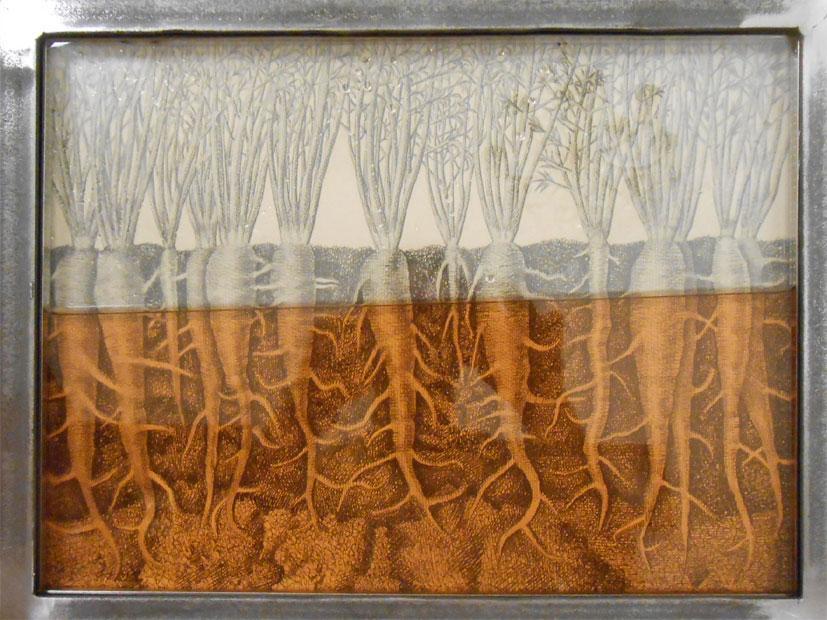
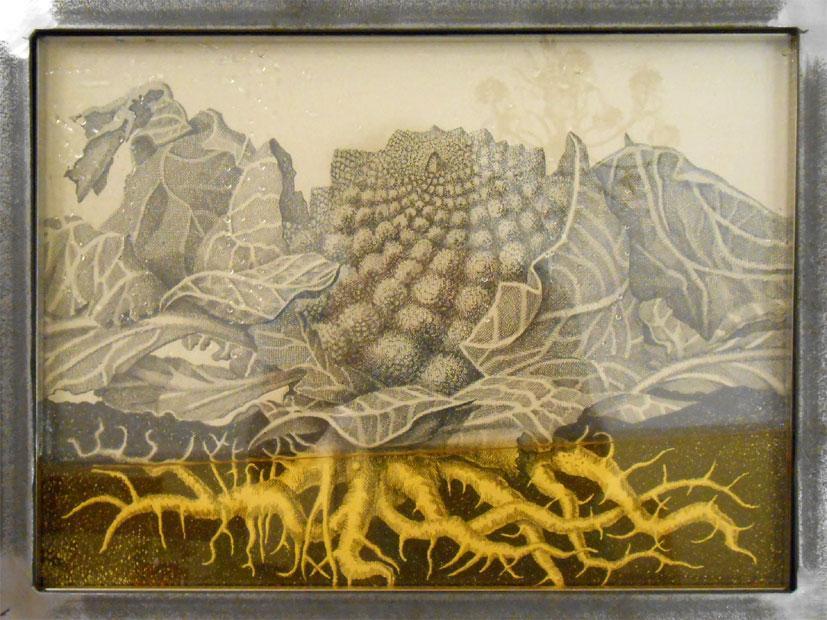
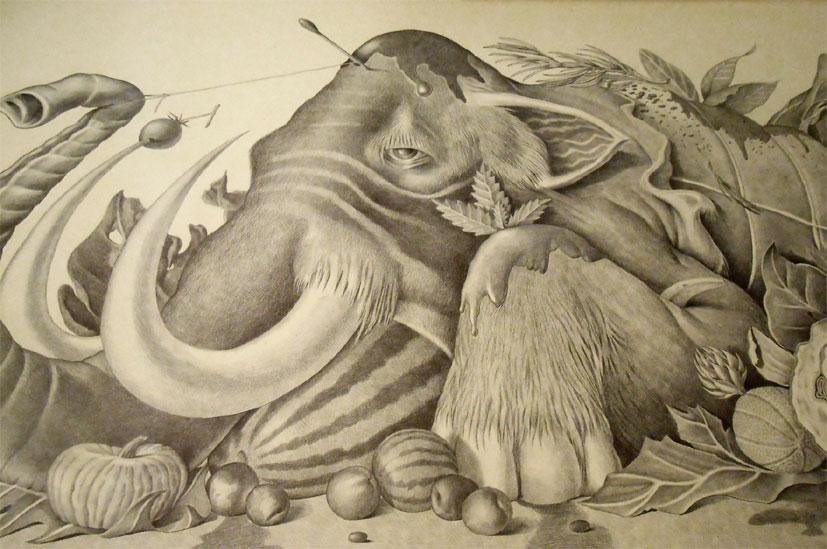
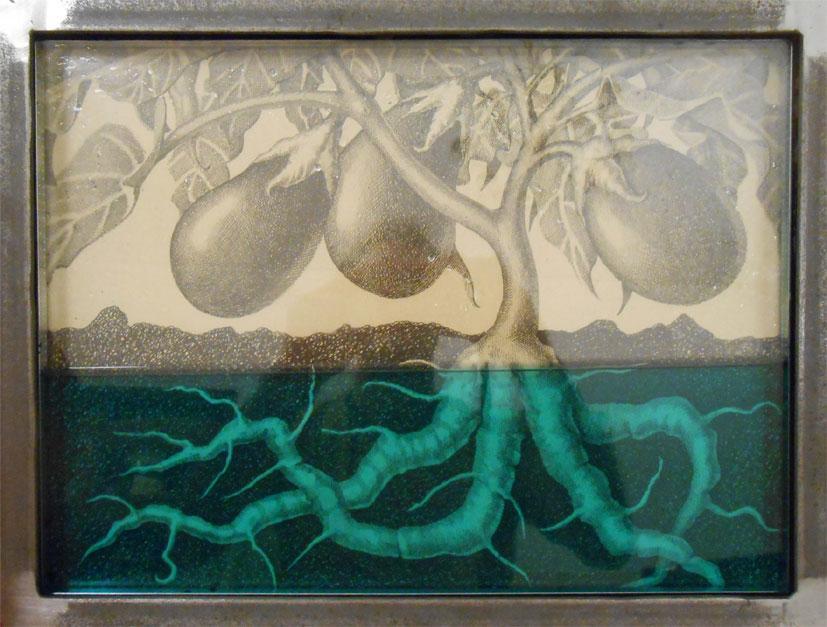
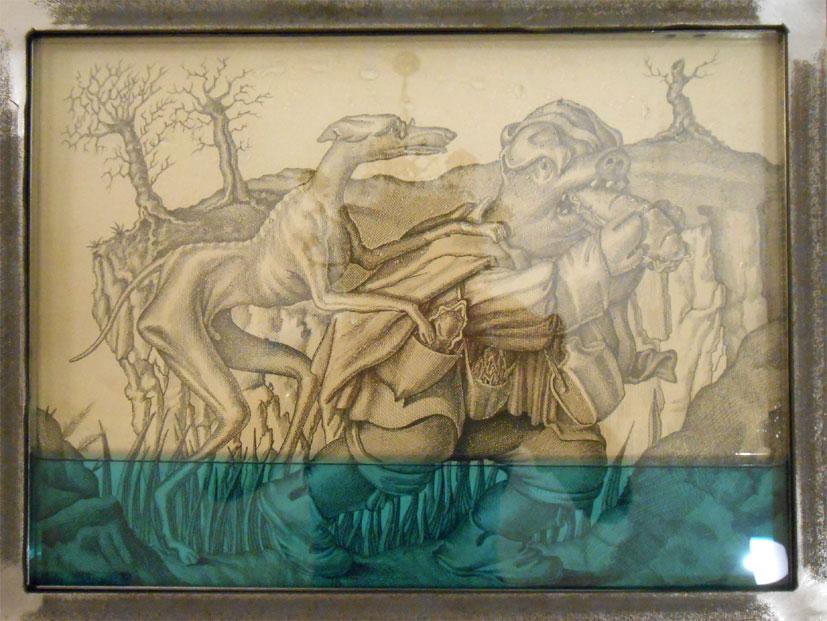
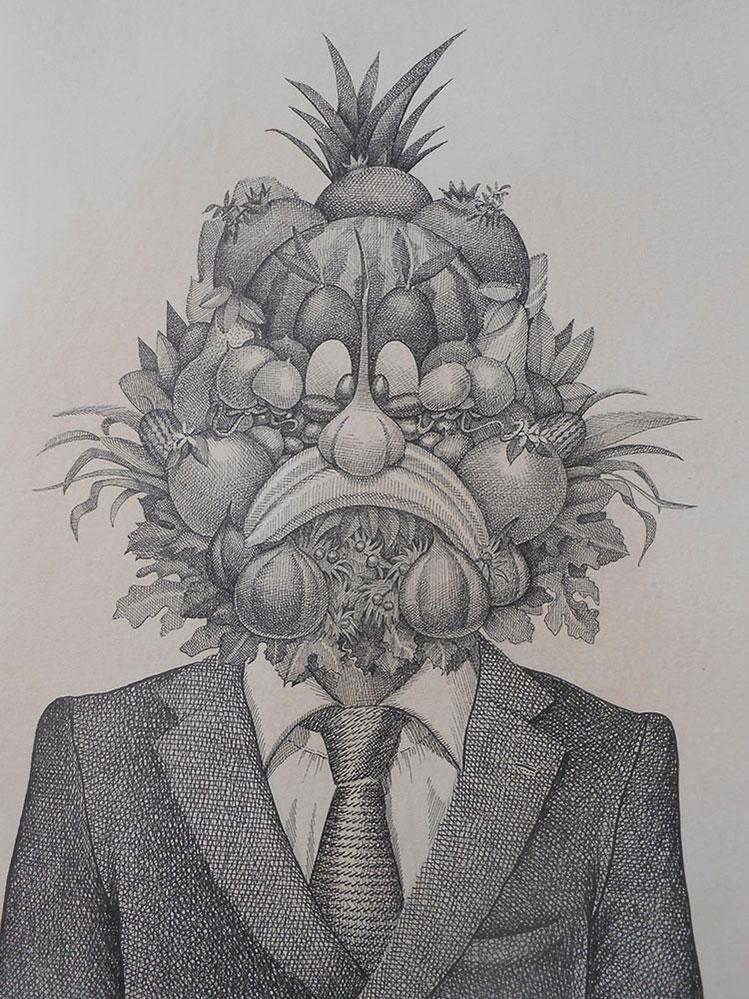
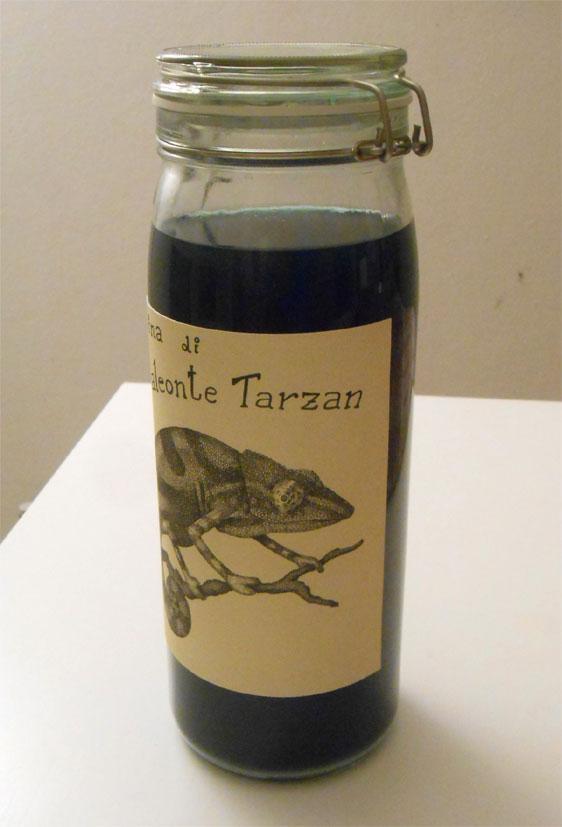
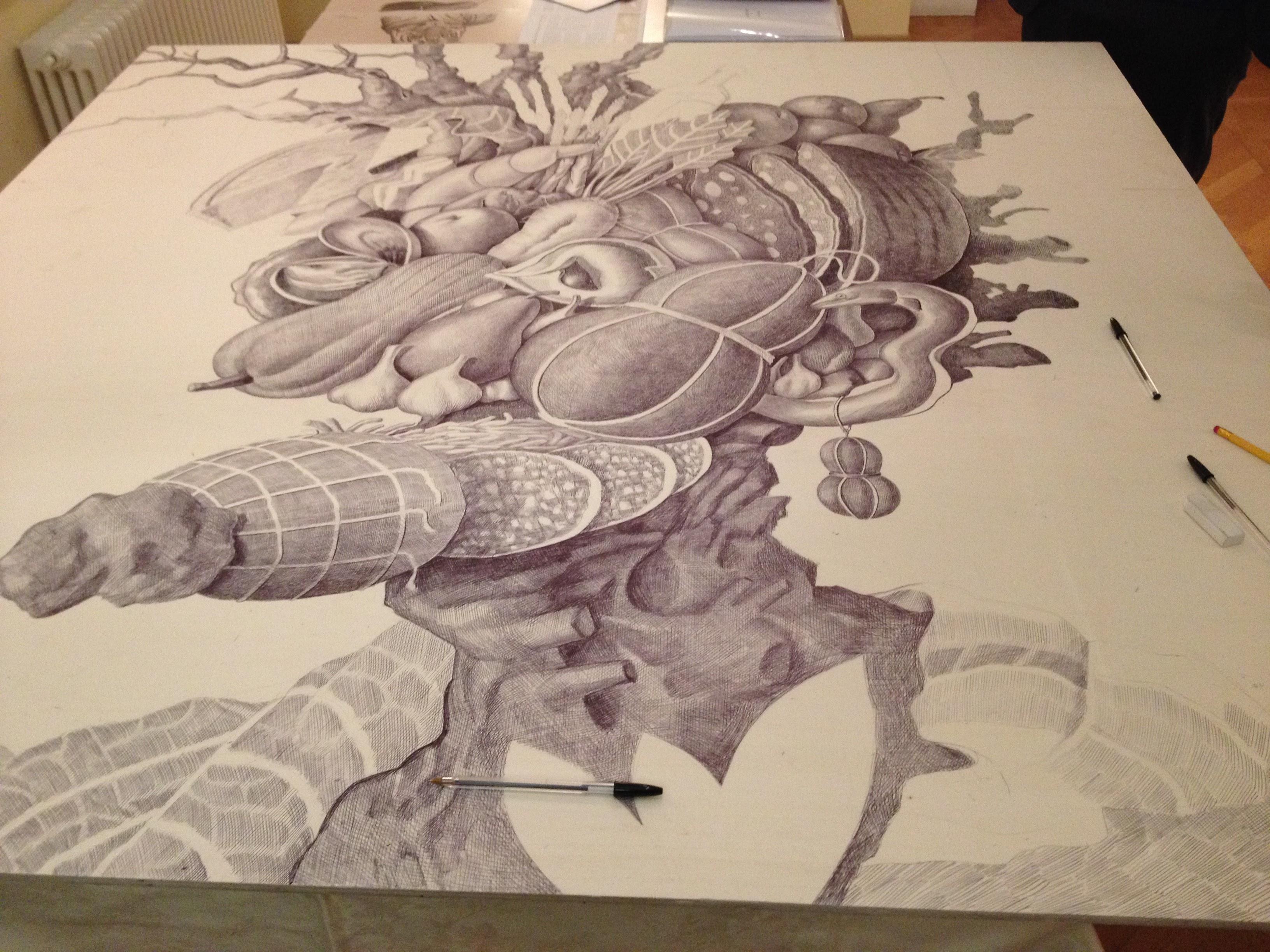
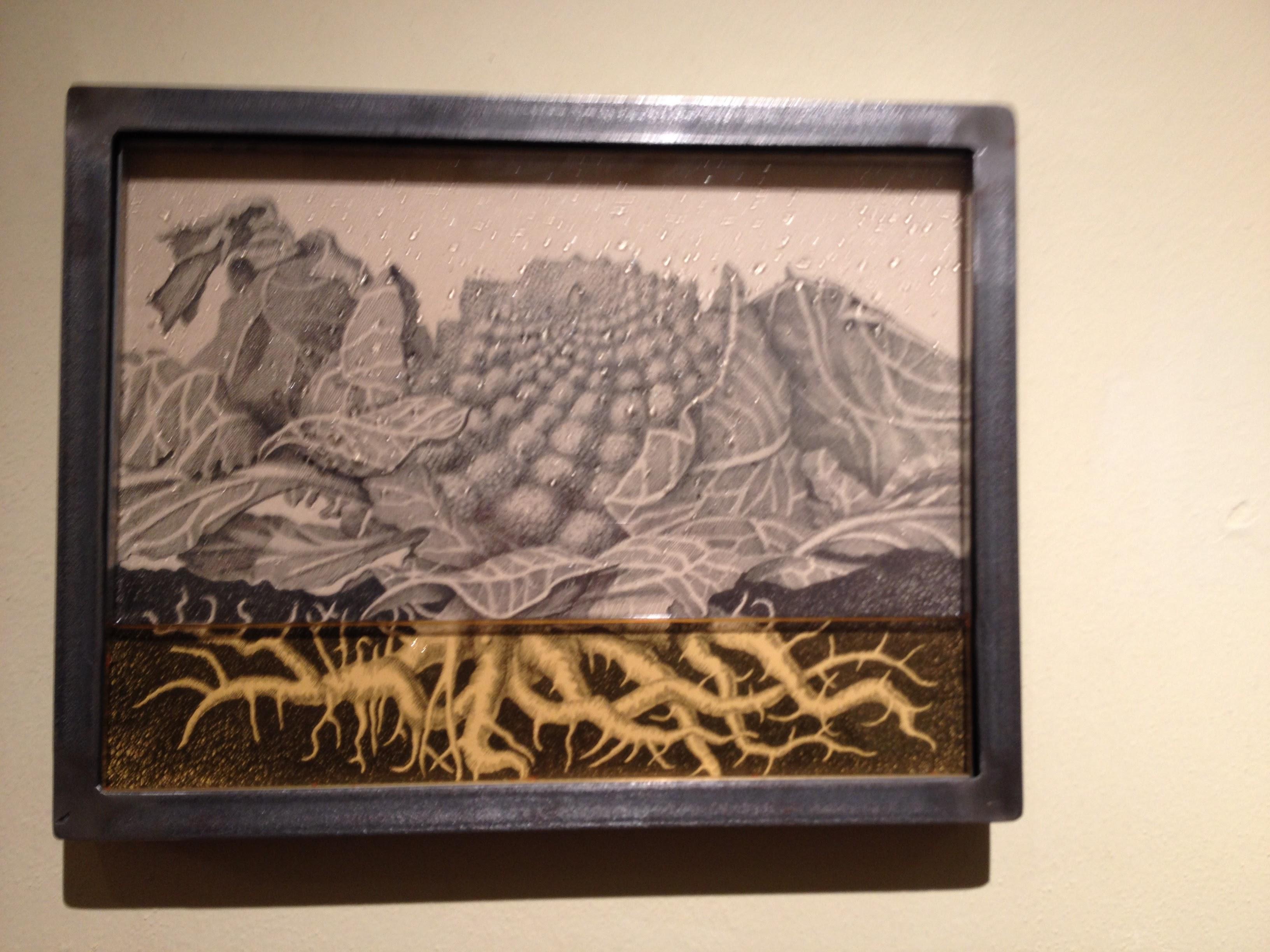
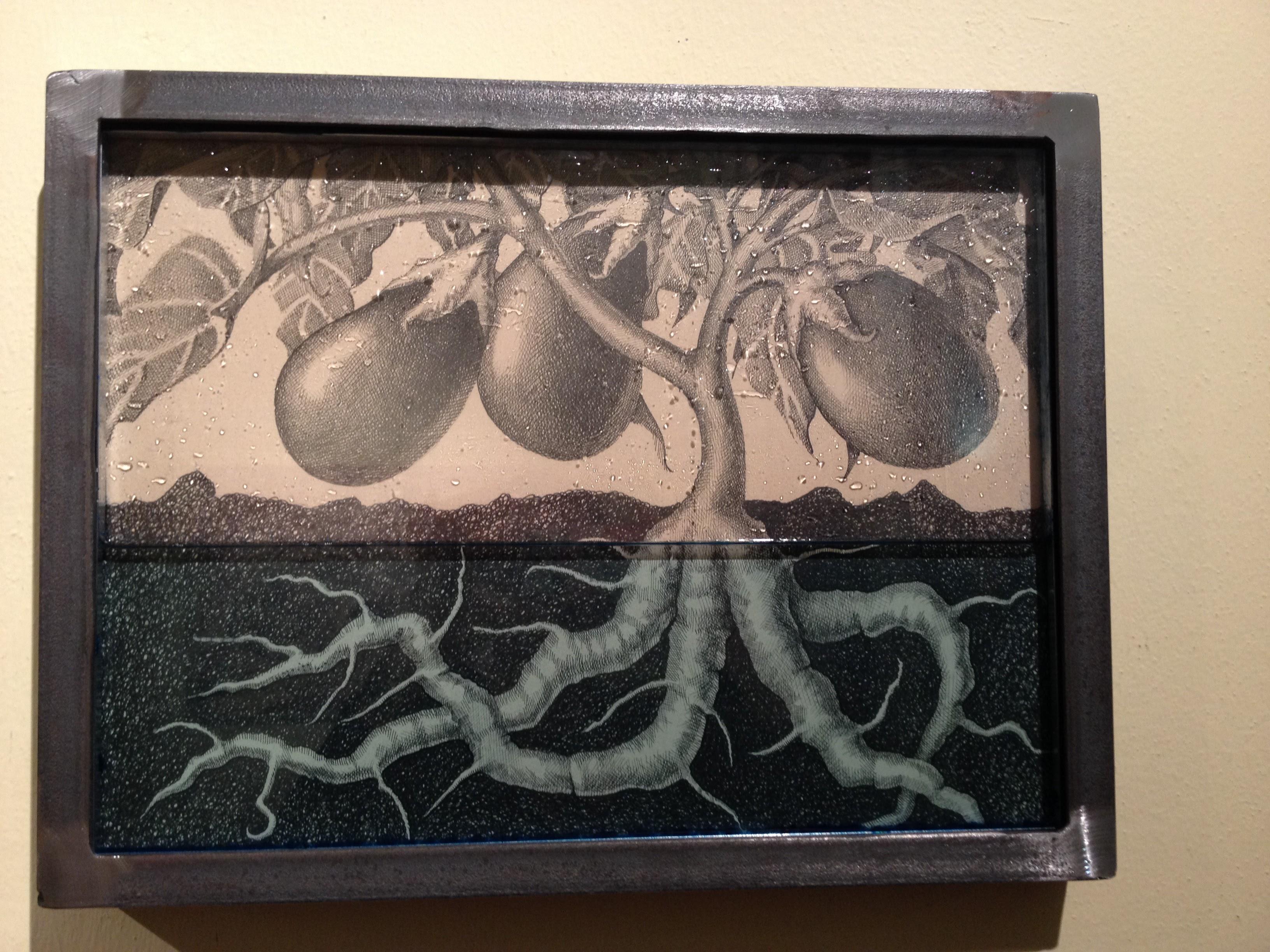
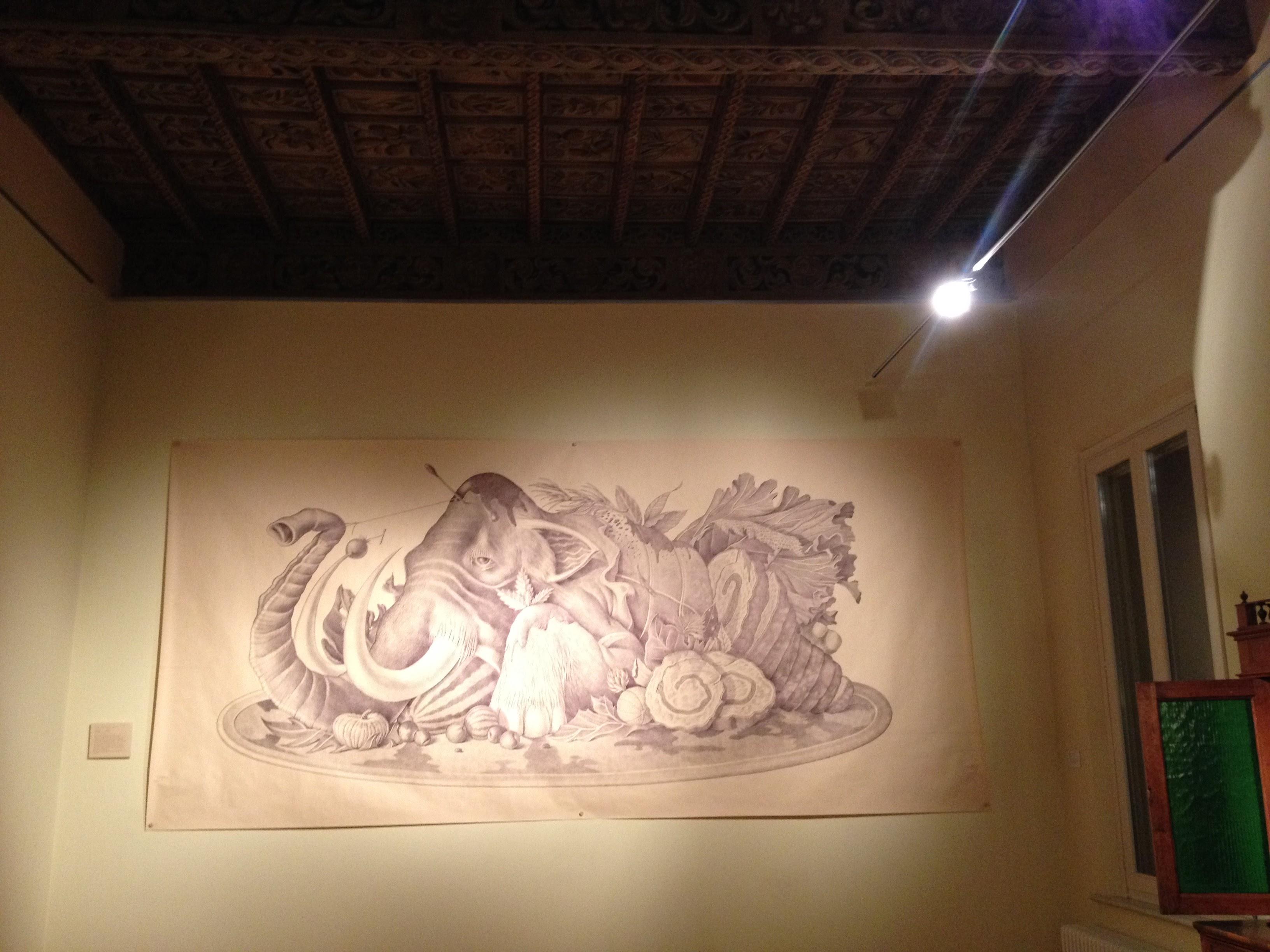
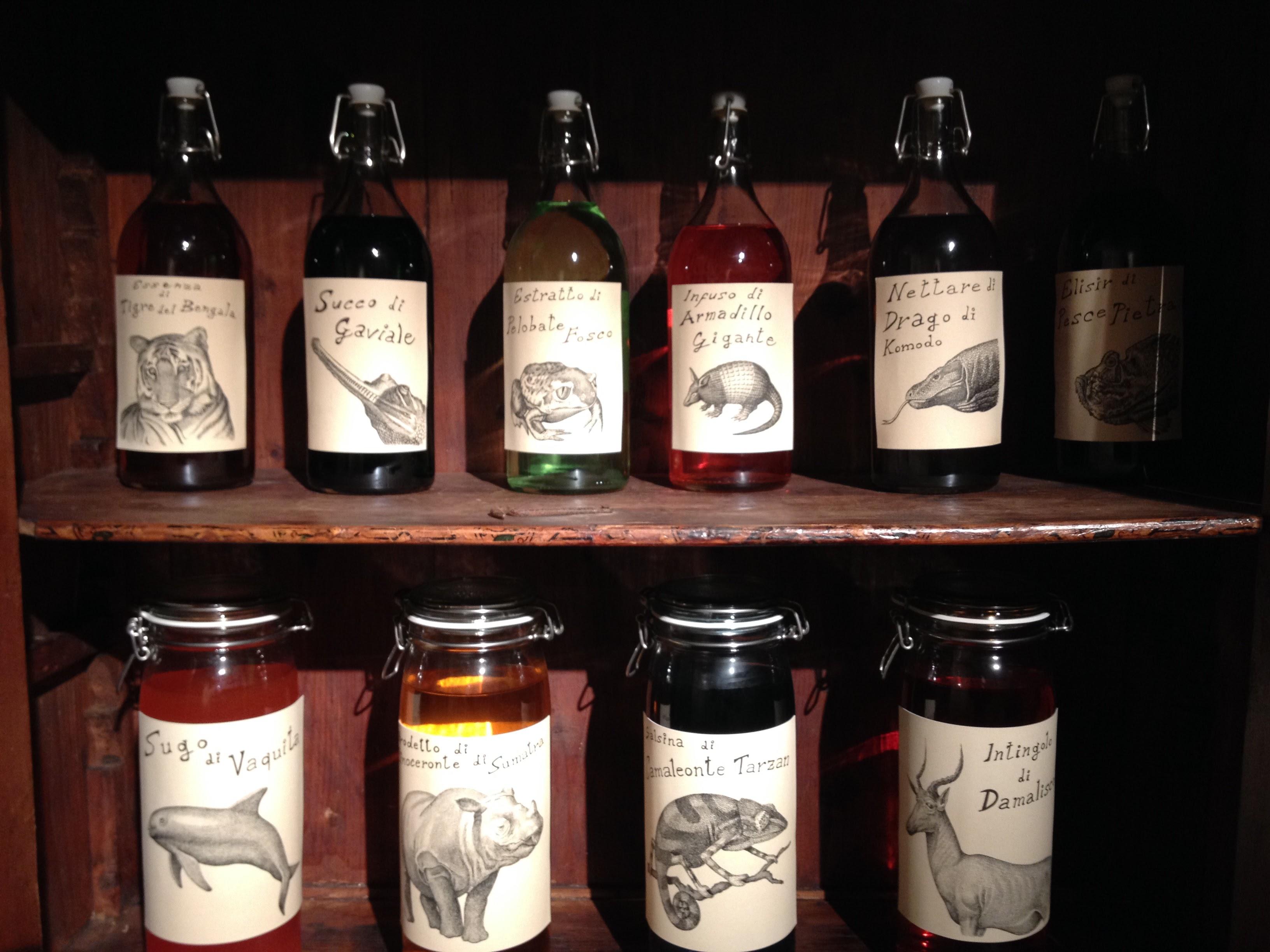
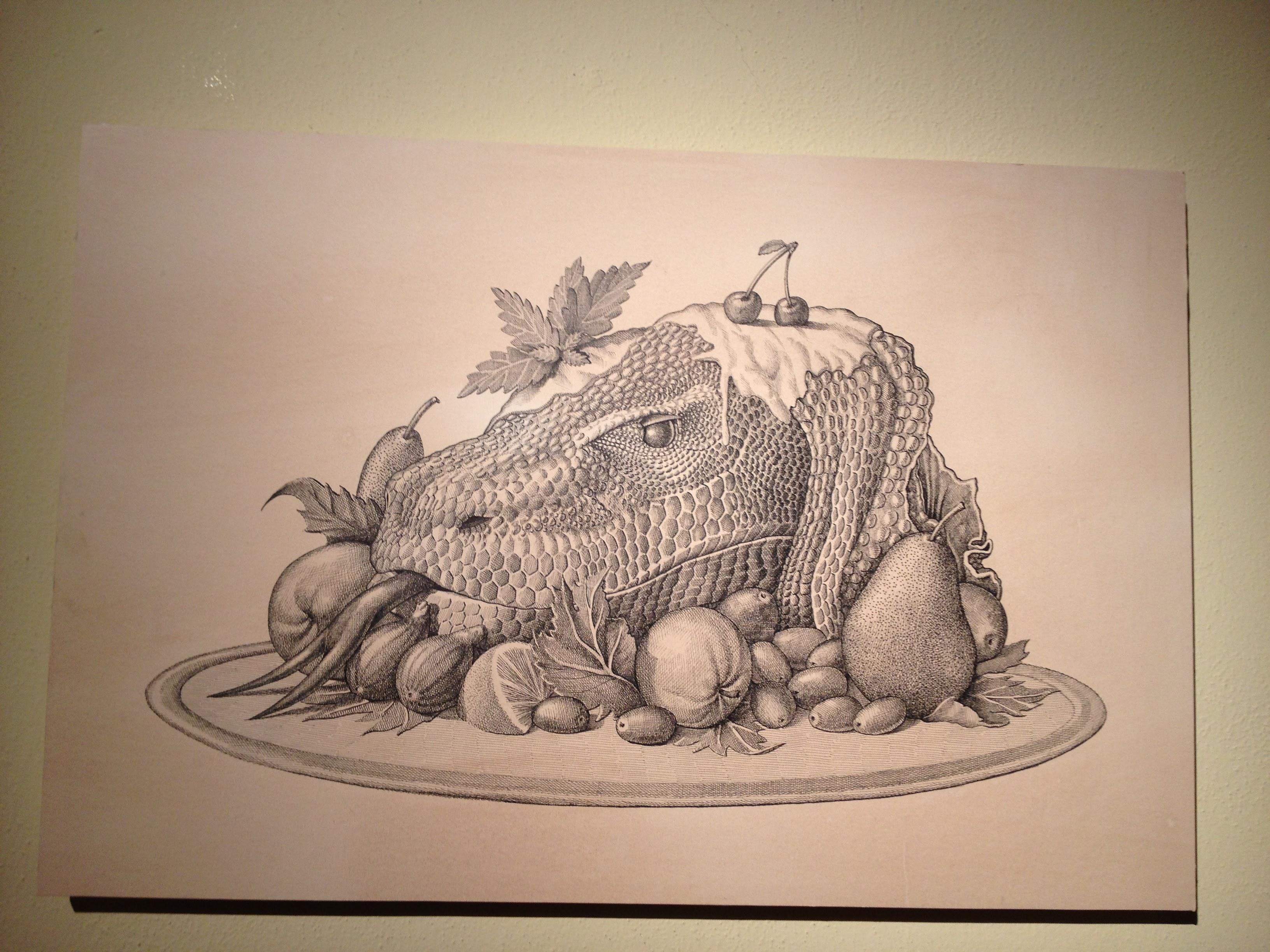
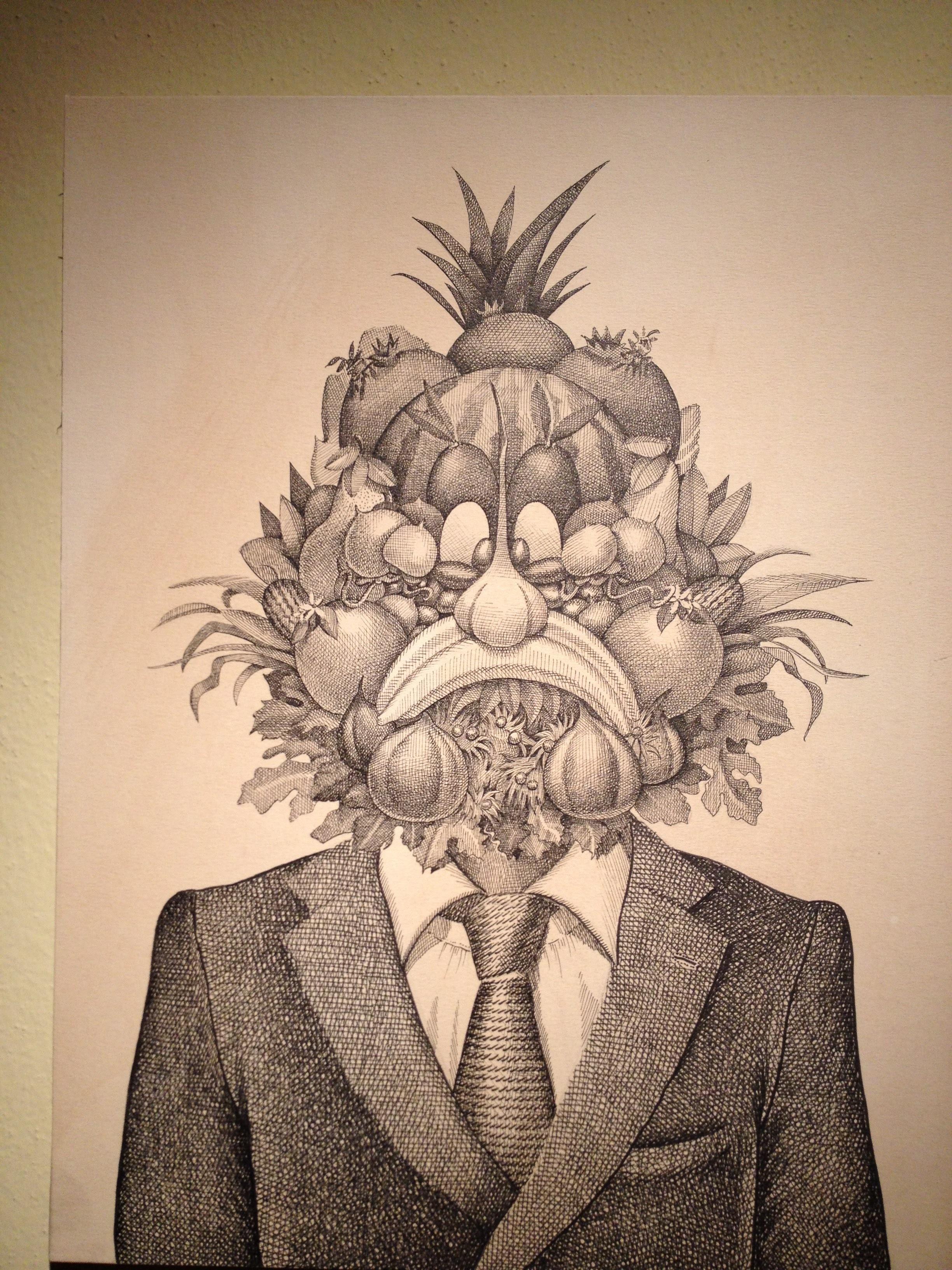
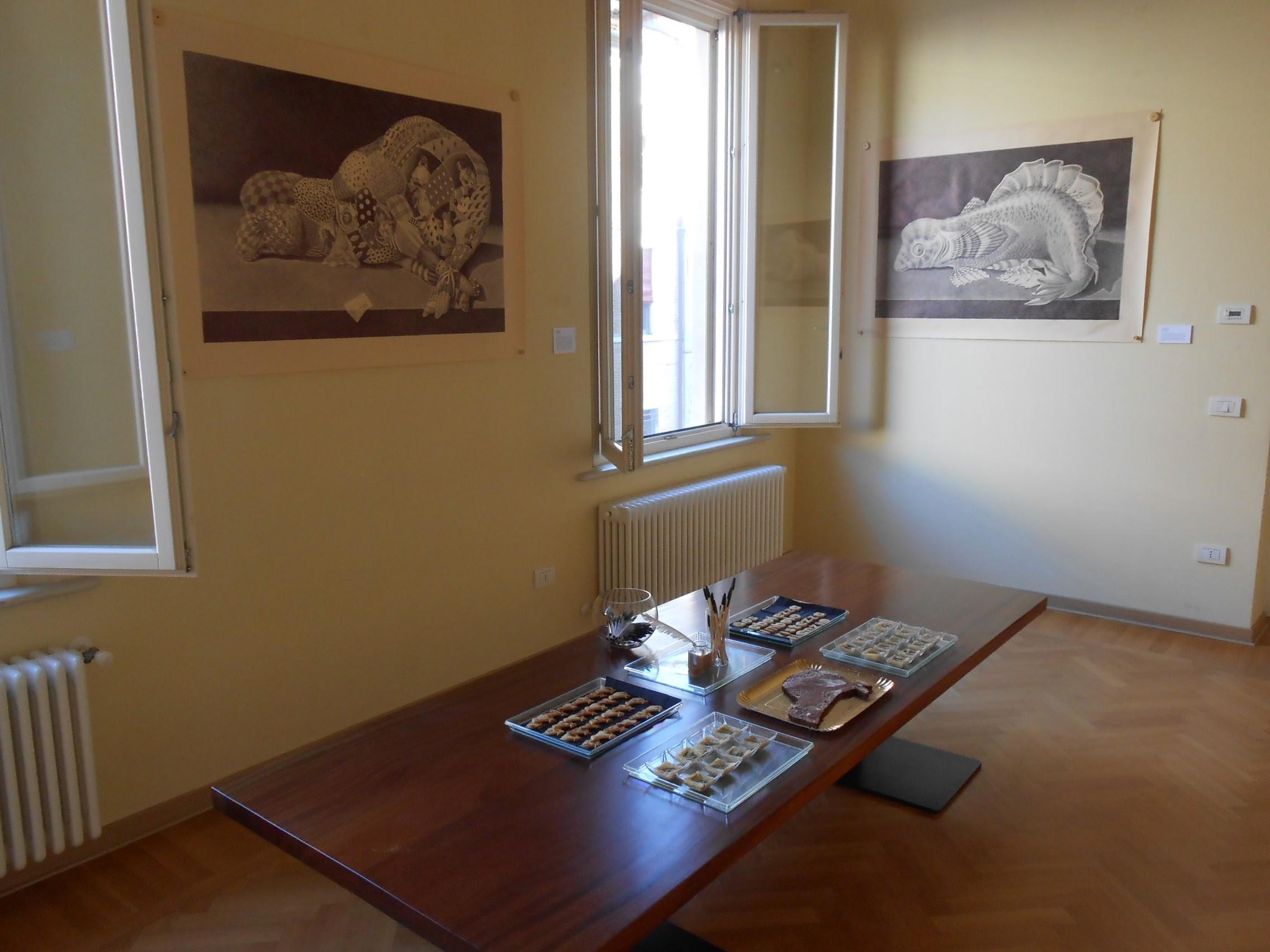
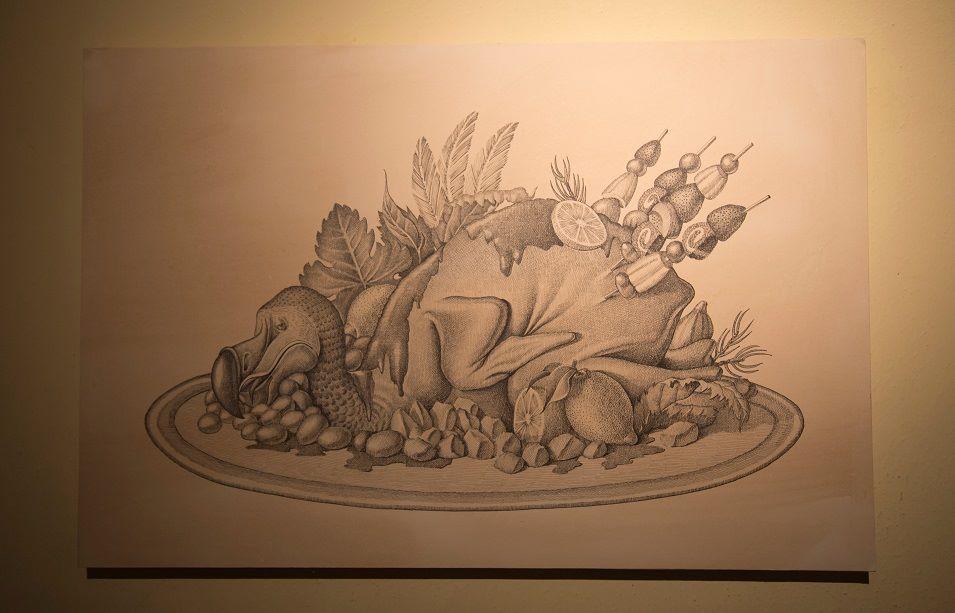
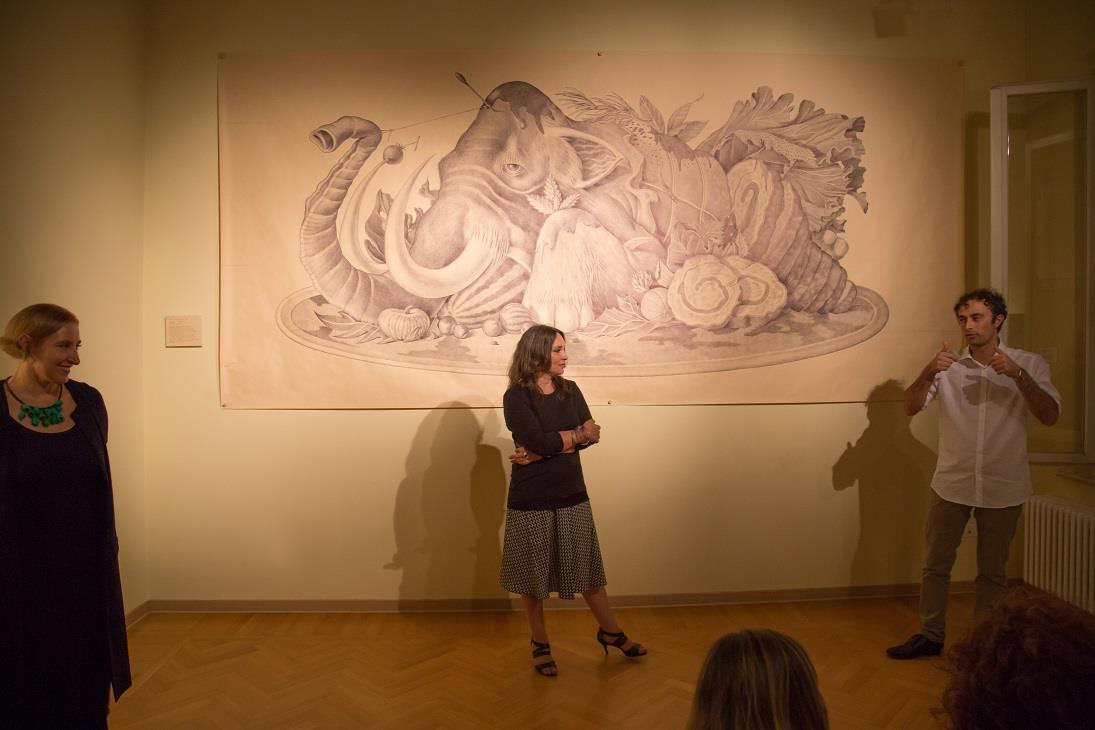
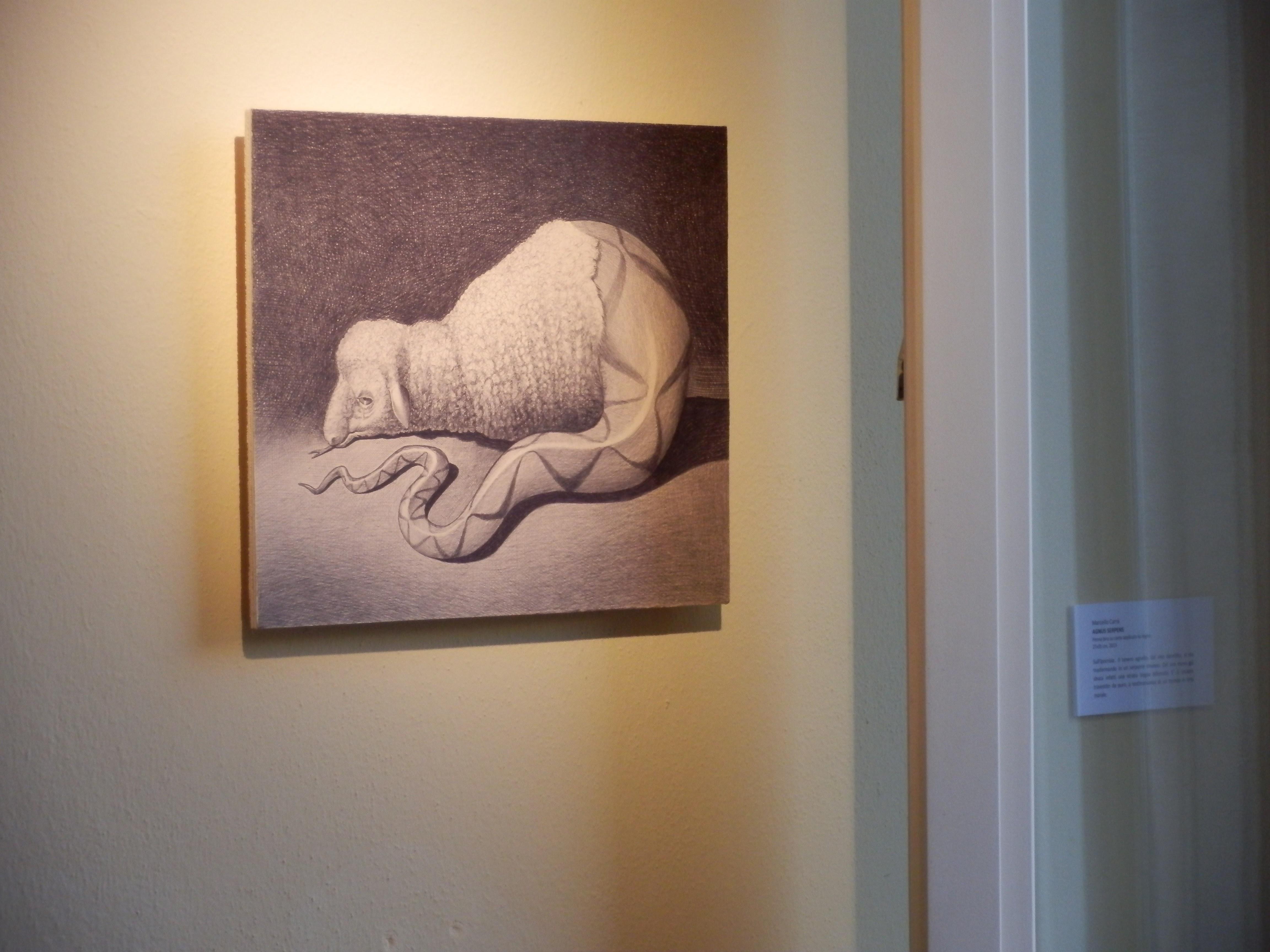
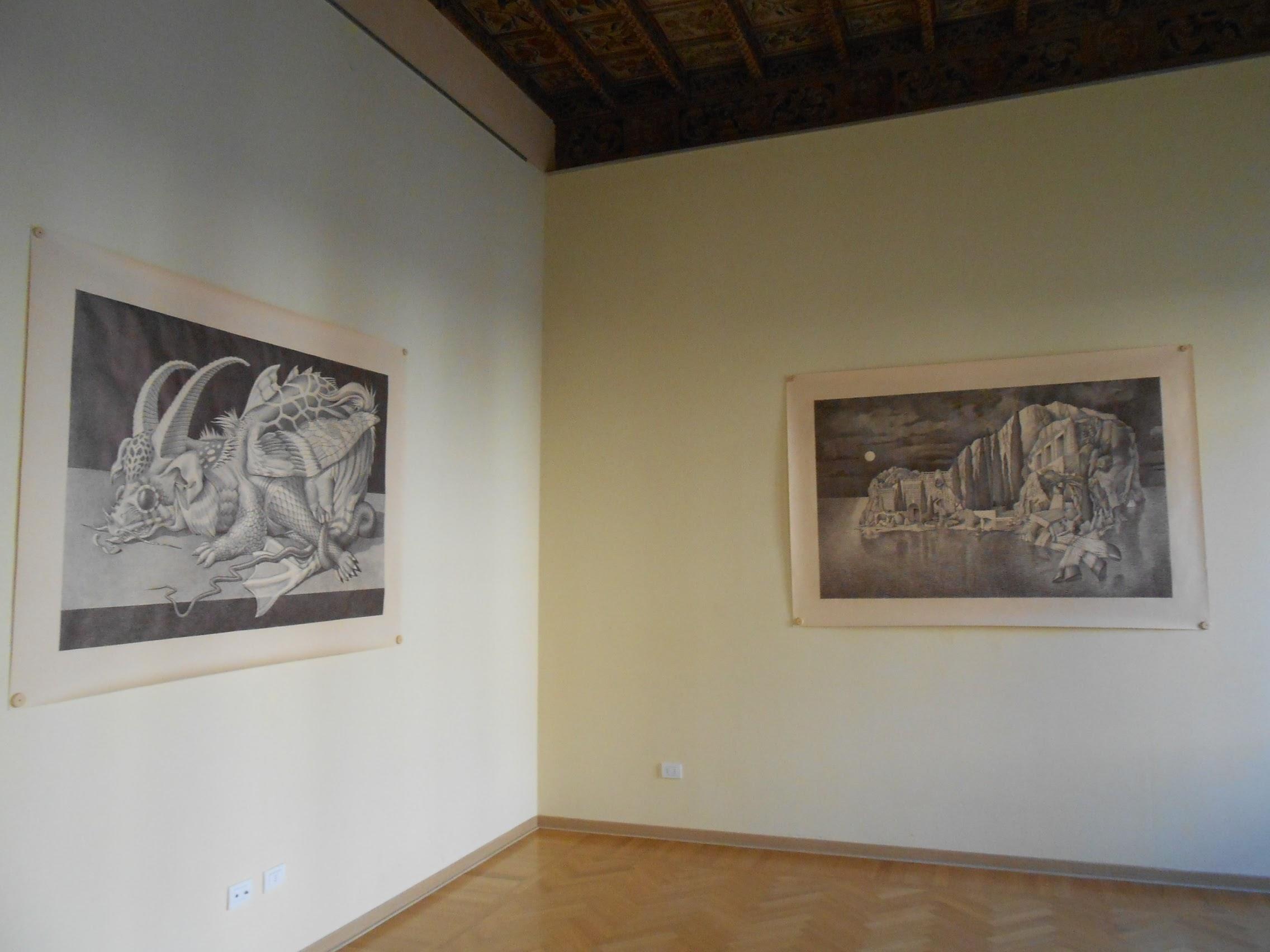
Marcello Carrà has created a new series of works for this exhibition, made exclusively with pen biro or with very fine nibs, through the which offers some considerations on the themes of EXPO 2015. Recipes and elixirs unpublished and unlikely, the result of a careful and cynical survey, which is a hallmark of the artist's production.
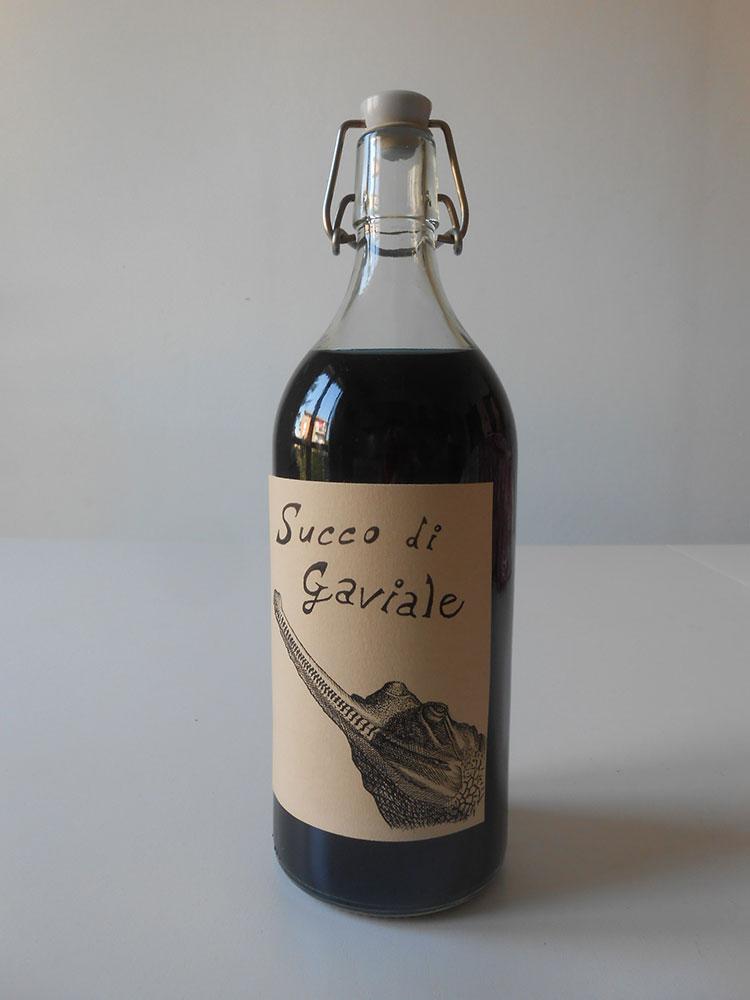
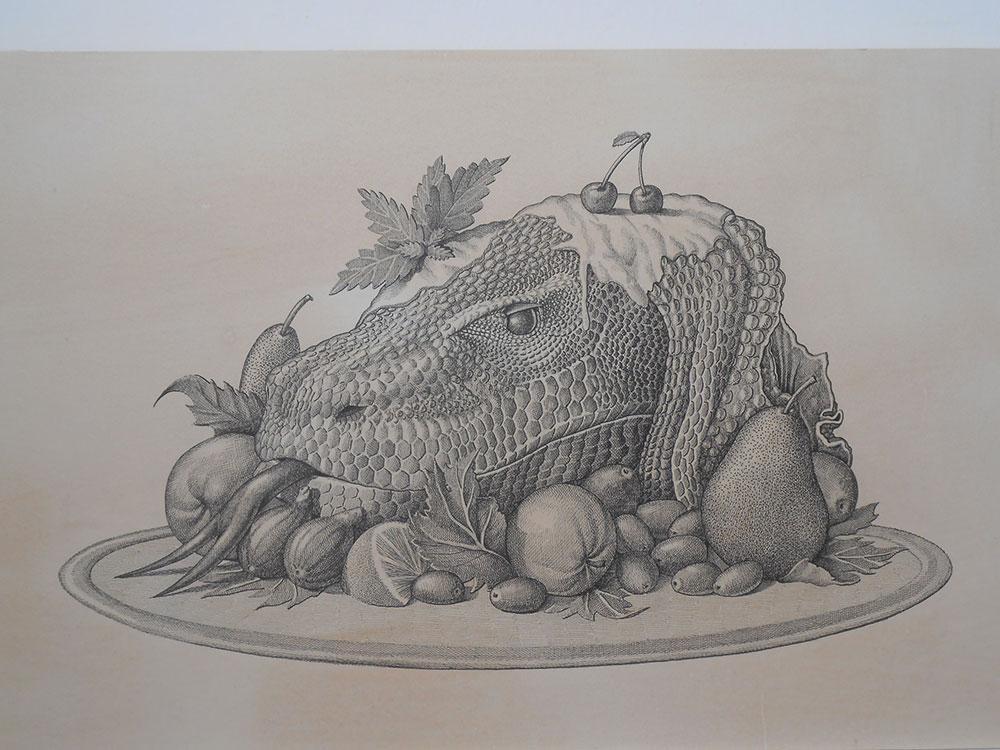
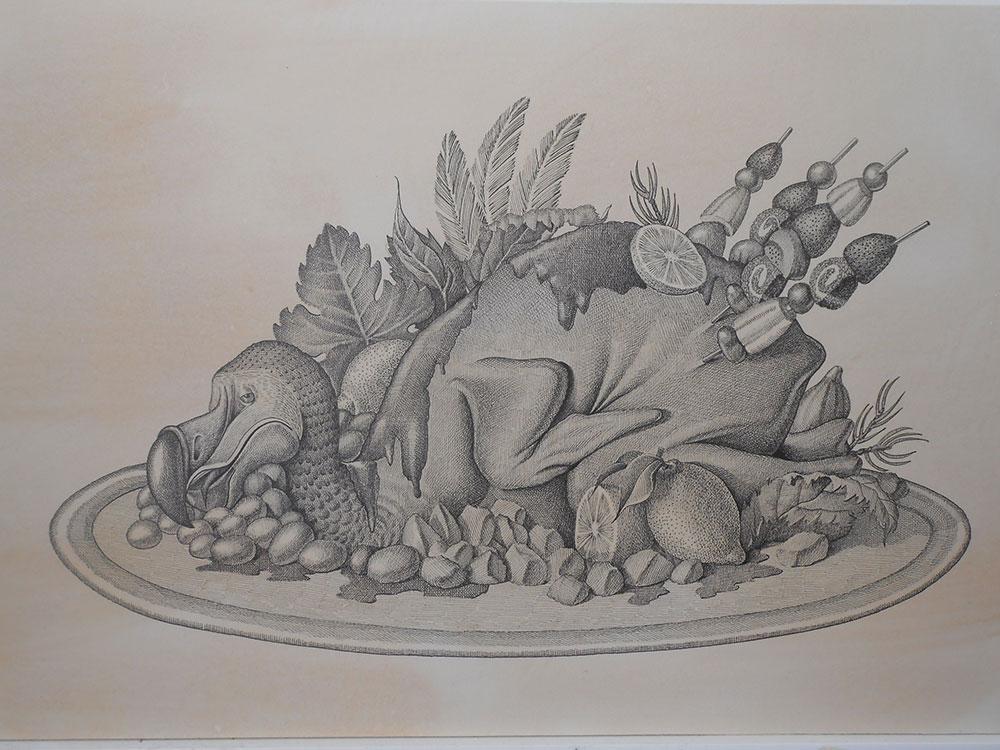
A "visionary recipe book" of dishes and preparations based on endangered animals, if not already gone, triggers a series of reflections on the indiscriminate exploitation of the fauna and resources of the Earth in general, apparently obvious but regularly circumvented reflections. Based on these assumptions, Marcello Carrà delves into a critical analysis of the "EXPO event" and the real forces involved with respect to the intent of the event.
Starting from a new and unprecedented version of Foody, the mascot of EXPO, up to a series of works with fluids in double-glazing, which covertly investigate the relationship between food and money, both in terms of unequal distribution, and with regard to speculations linked to productivity, the "visionary recipe book" by Marcello Carrà is strongly connected to real problems, while maintaining its own ironic and imaginative character. The result is a subtle distortion of meaning, in the direction of a subtle black humor, which is well suited to the caustic and at the same time playful sensitivity of the artist. -
Exhibited Works
-
Title
Title
-
Title
Title
-
Title
Title
-
Title
Title
-
Title
Title
-
Title
Title
-
Title
Title
-
Title
Title
-
Title
Title
-
Title
Title
View the embedded image gallery online at:
https://www.mlbgallery.com/en/events/itemlist?start=126#sigProIdfbac71969d -
-
Exhibition Set Up
-
Title
Title
-
Title
Title
-
Title
Title
-
Title
Title
-
Title
Title
-
Title
Title
-
Title
Title
-
Title
Title
-
Title
Title
-
Title
Title
-
Title
Title
-
Title
Title
-
Title
Title
View the embedded image gallery online at:
https://www.mlbgallery.com/en/events/itemlist?start=126#sigProId5e07a3f1a1 -
-
Invitation to the vernissage
-
Vernissage: Photo Gallery
-
Title
Title
-
Title
Title
-
Title
Title
-
Title
Title
-
Title
Title
-
Title
Title
-
Title
Title
-
Title
Title
-
Title
Title
-
Title
Title
-
Title
Title
-
Title
Title
View the embedded image gallery online at:
https://www.mlbgallery.com/en/events/itemlist?start=126#sigProIdfb4e6e57dfFinger Food a cura di Laura Saetti
View the embedded image gallery online at:
https://www.mlbgallery.com/en/events/itemlist?start=126#sigProIdb620838184 -
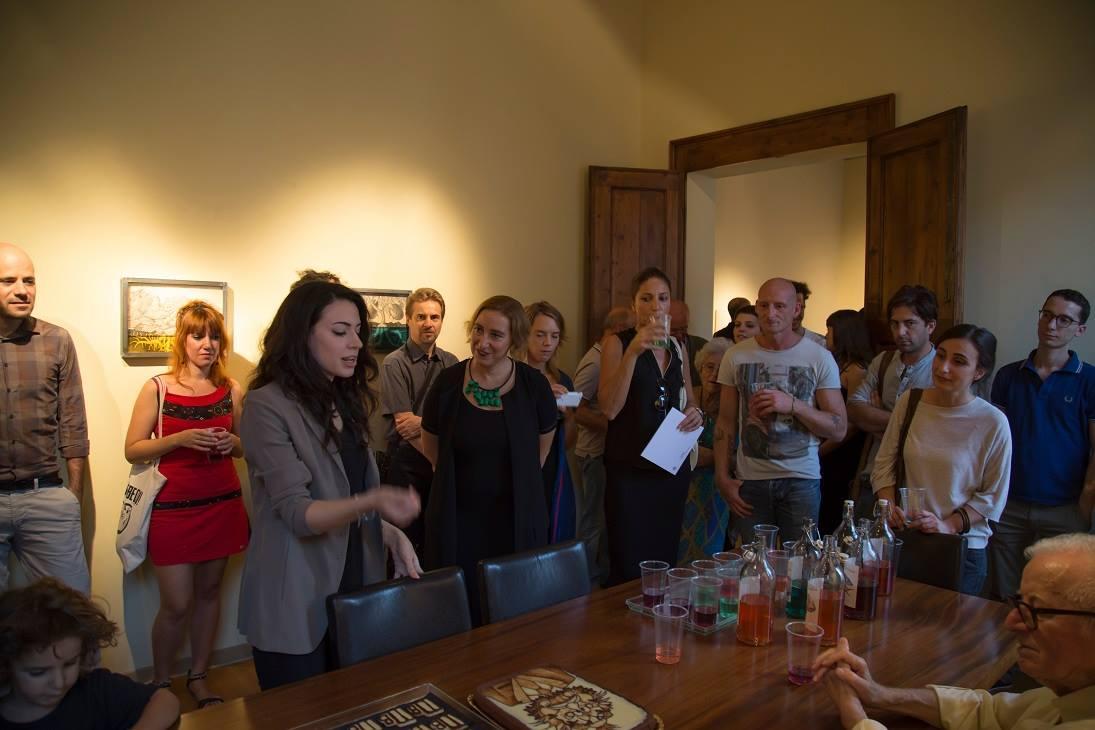
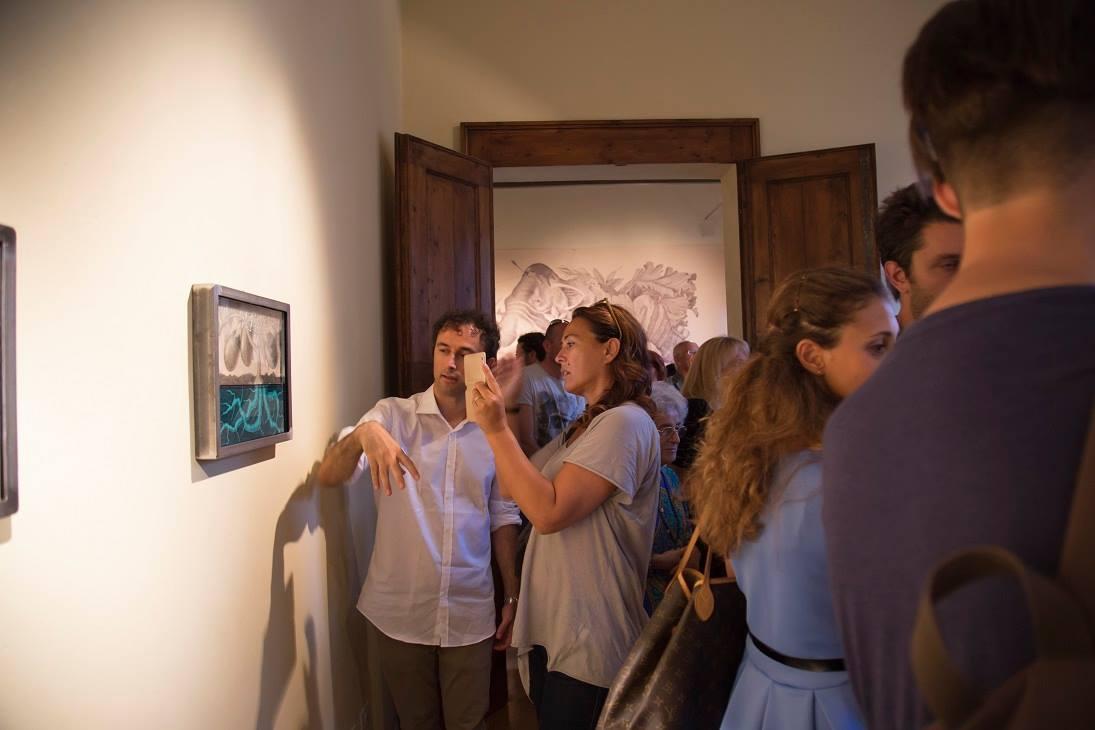
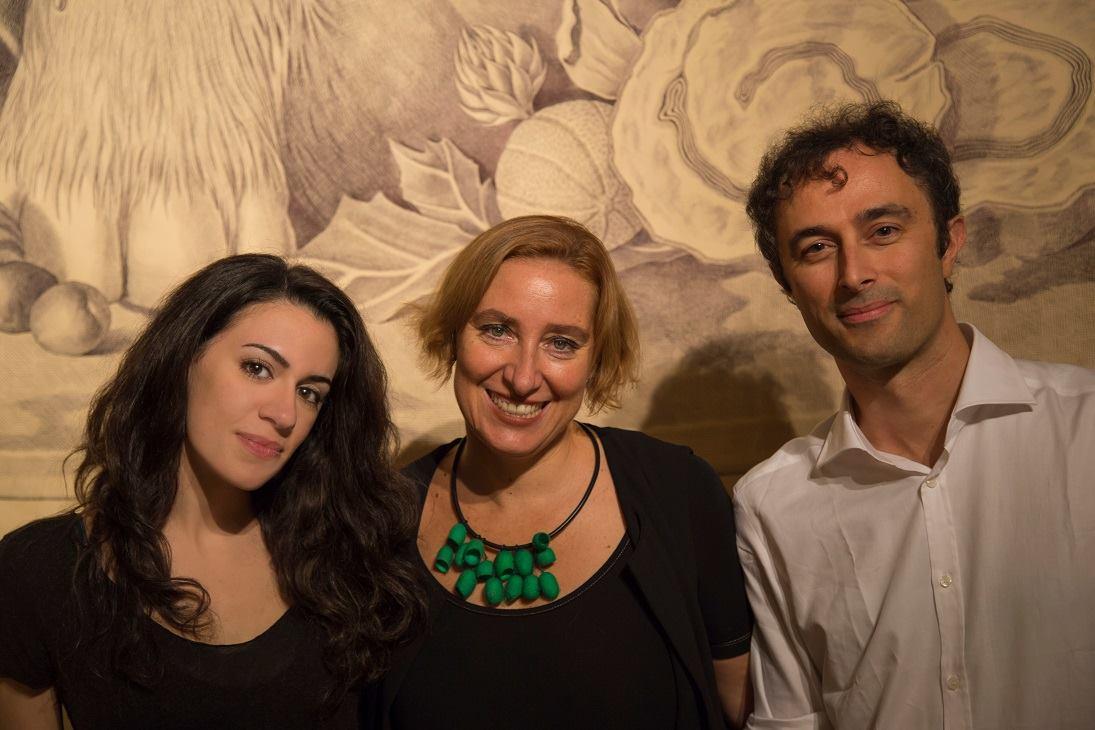
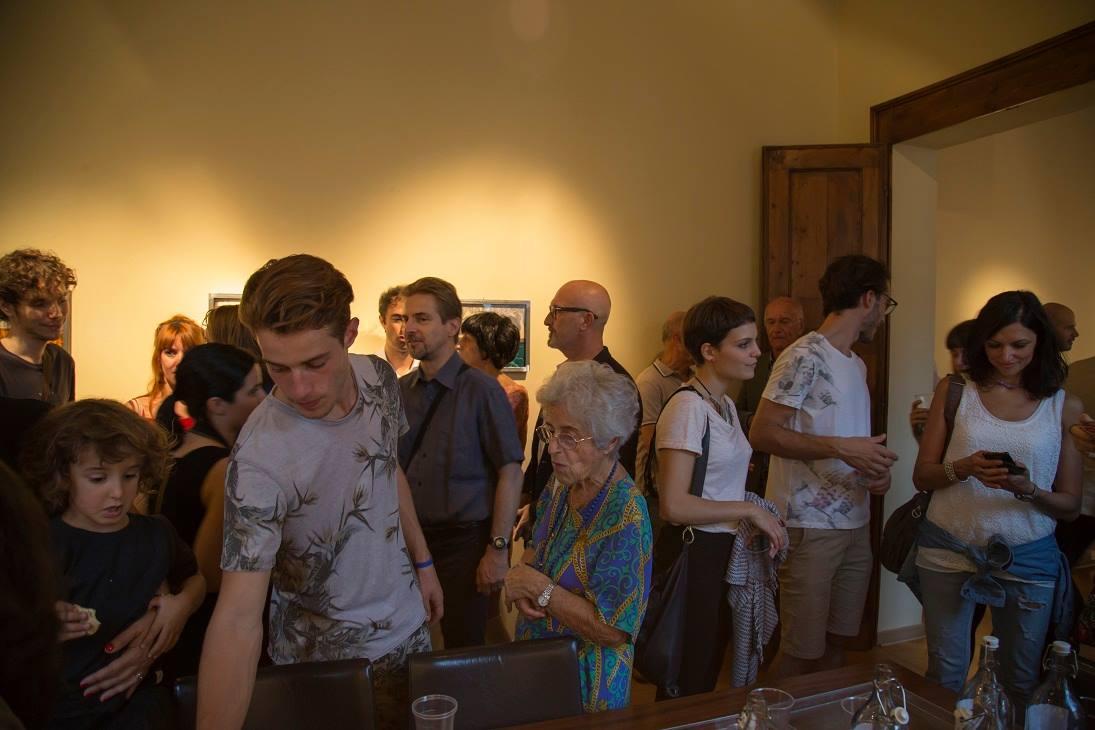

Silvia Camporesi
Additional Info
-
Intoduction
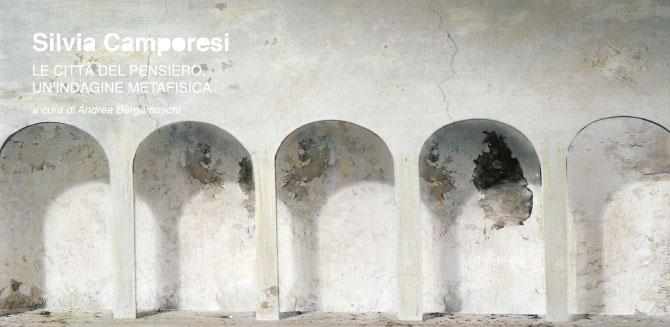
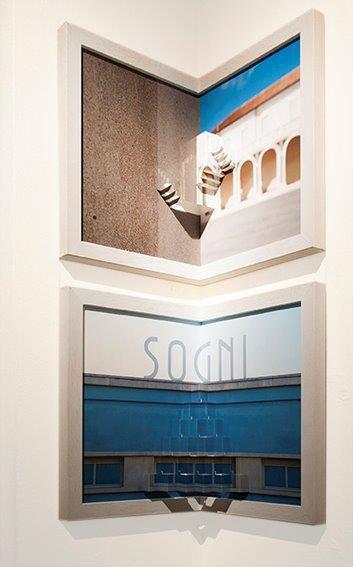
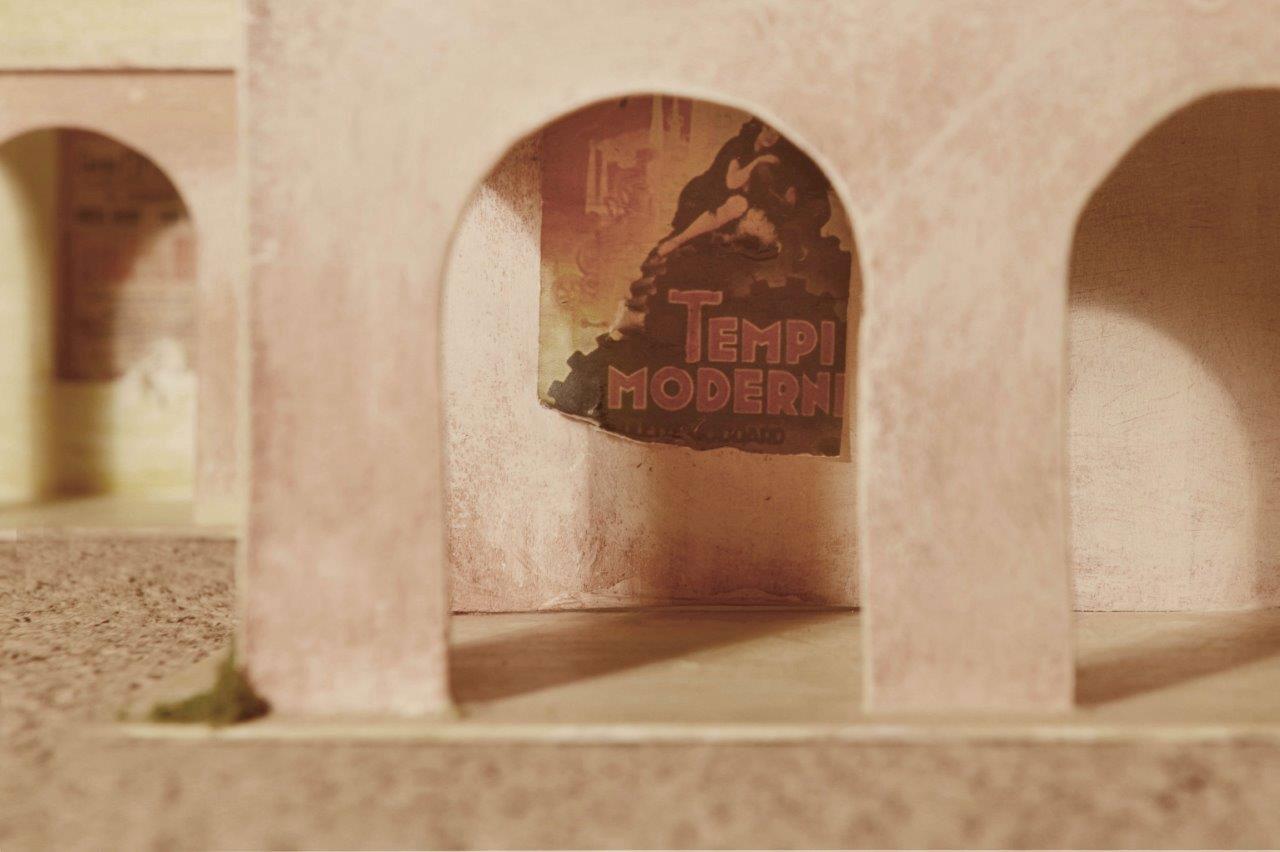
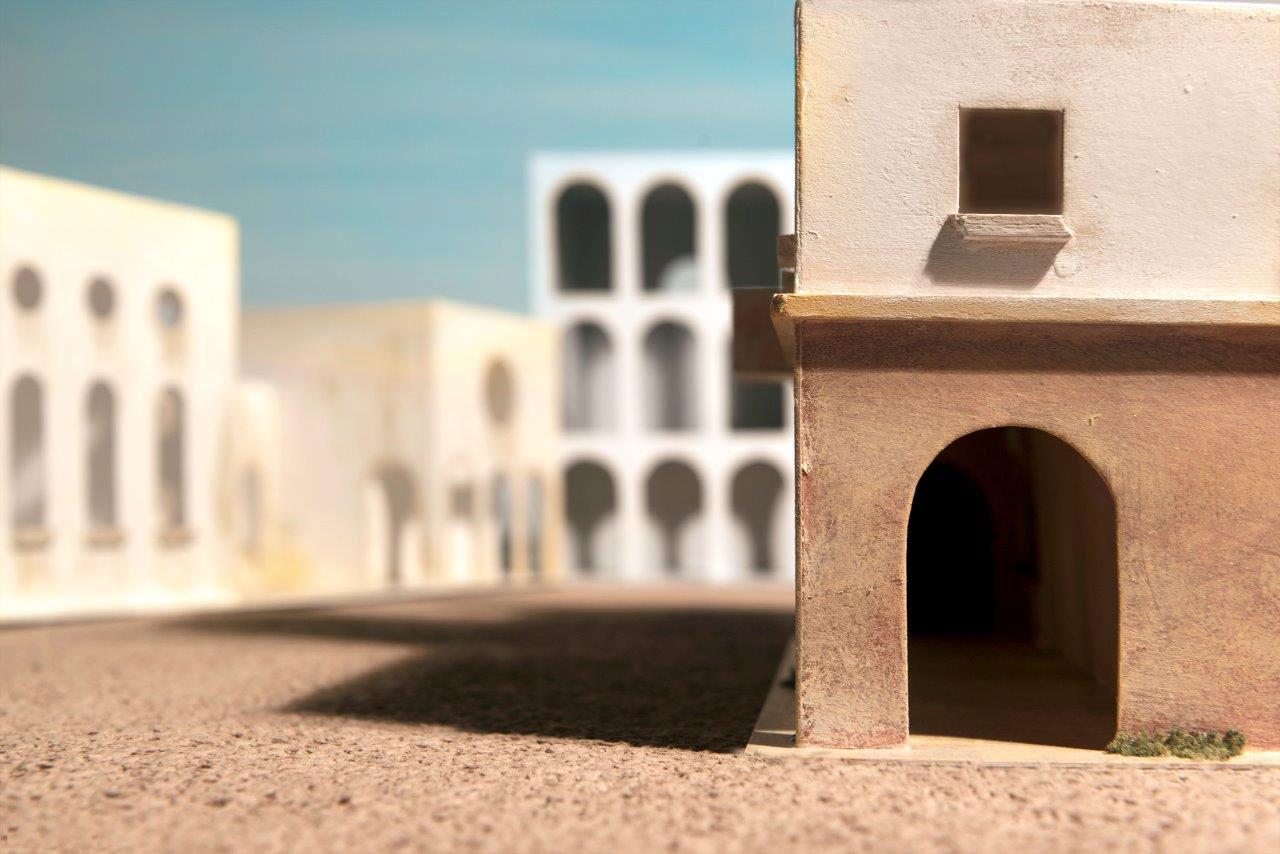
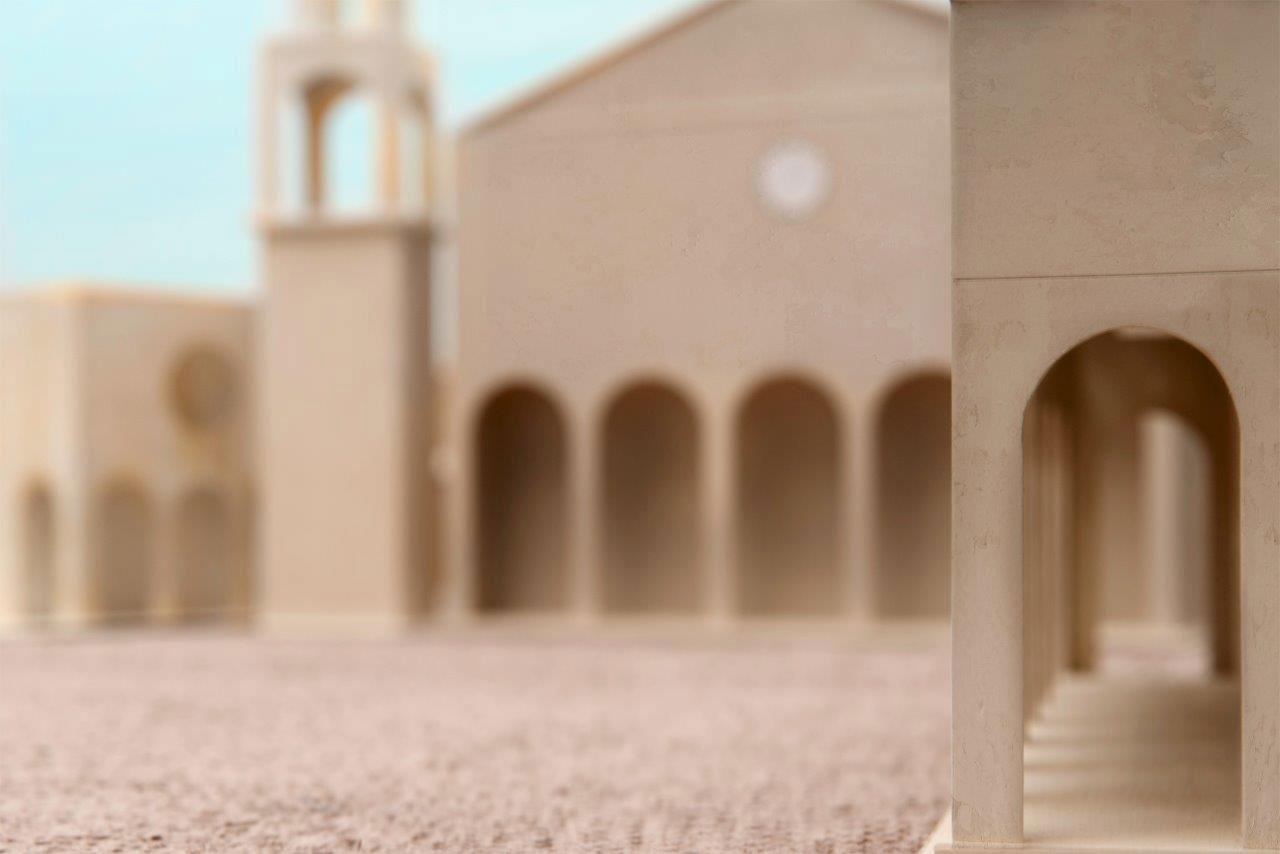
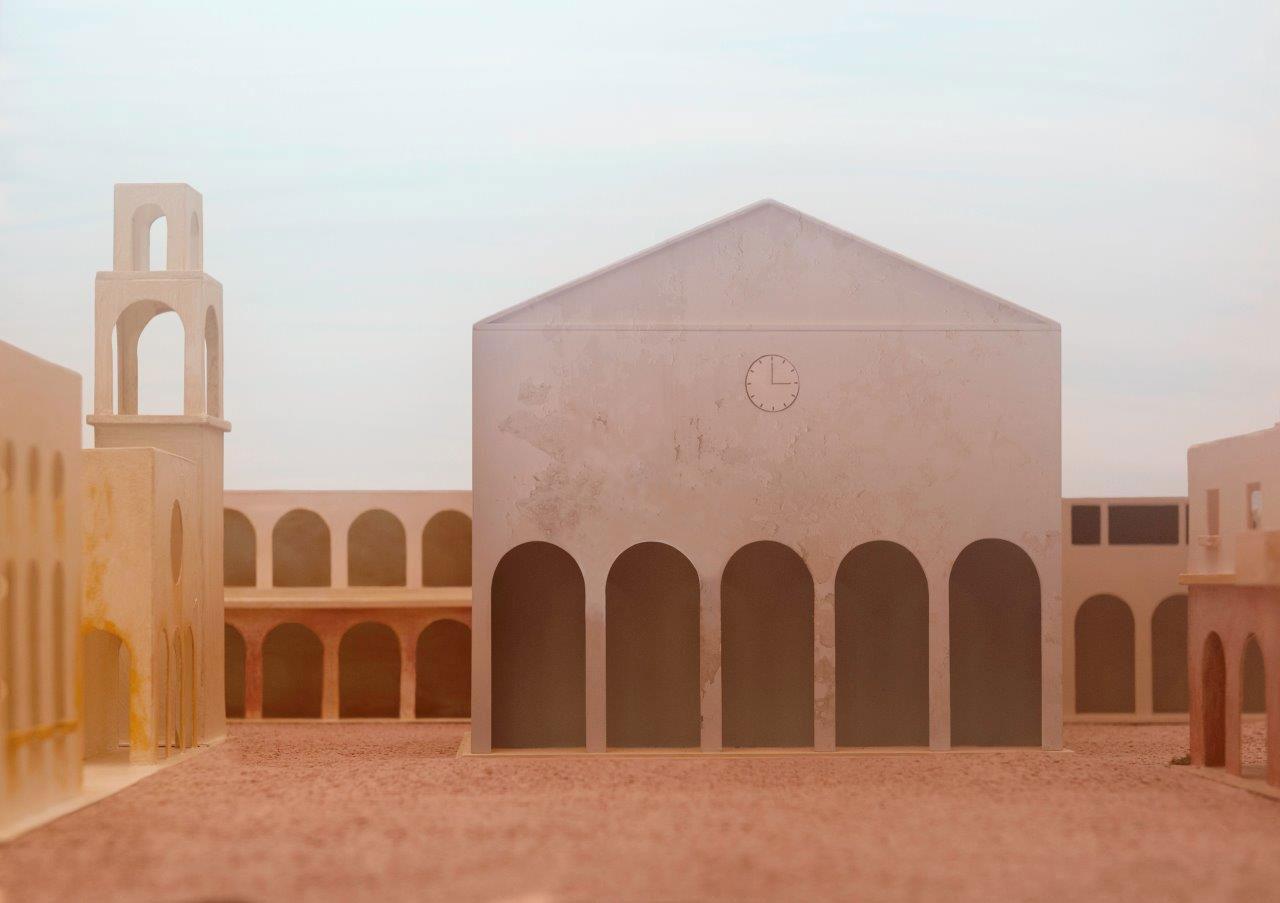
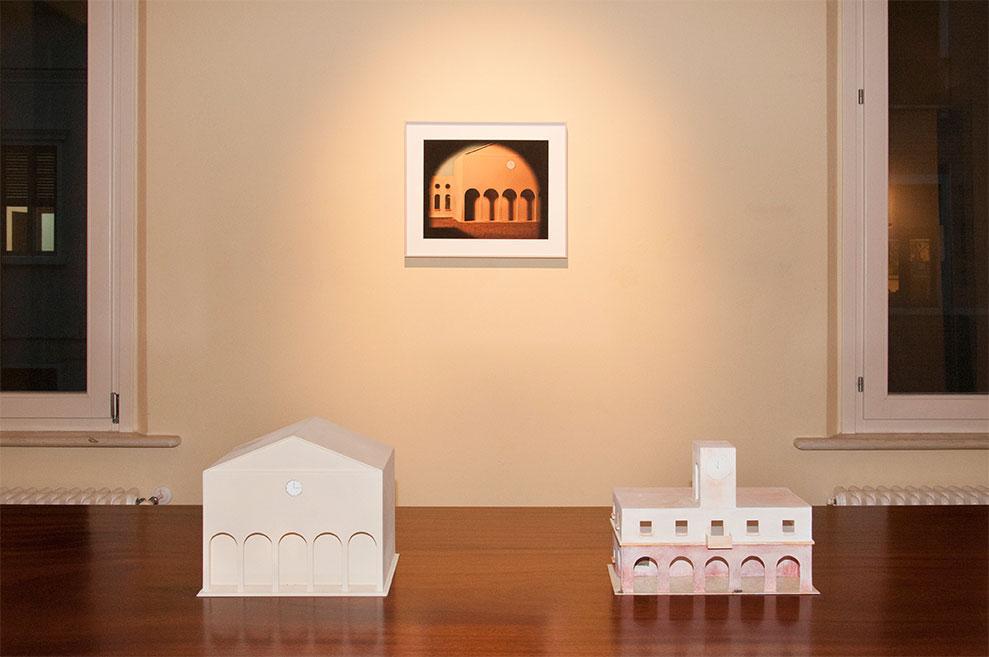
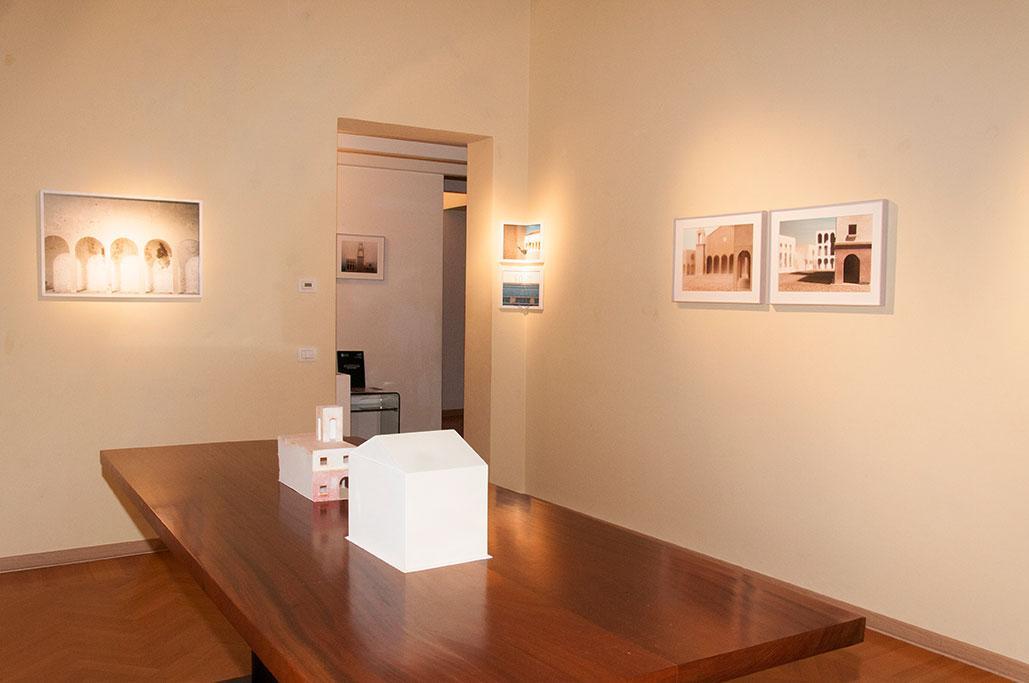
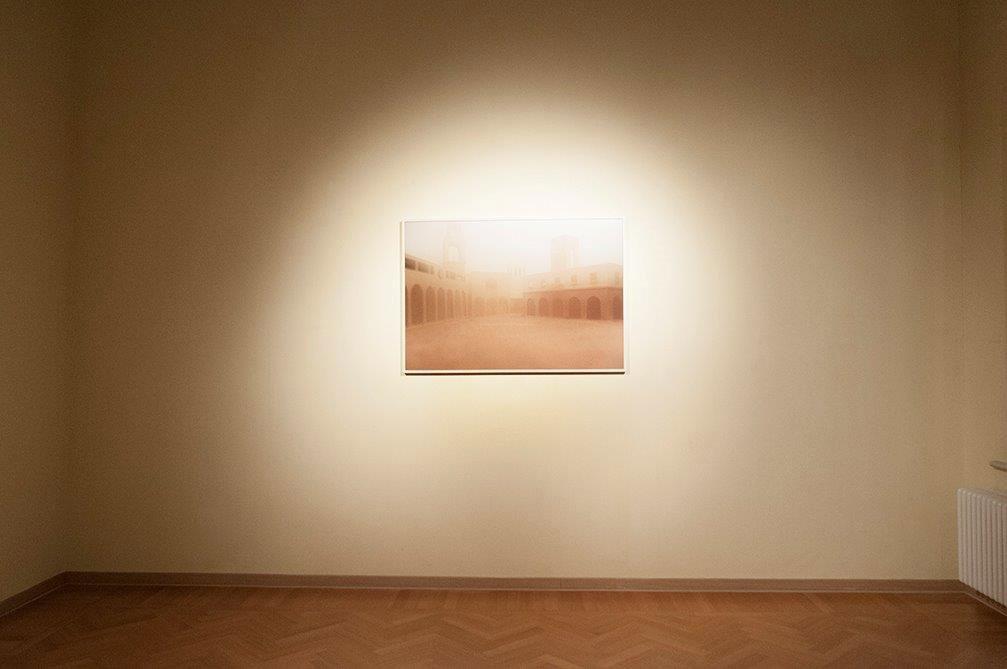
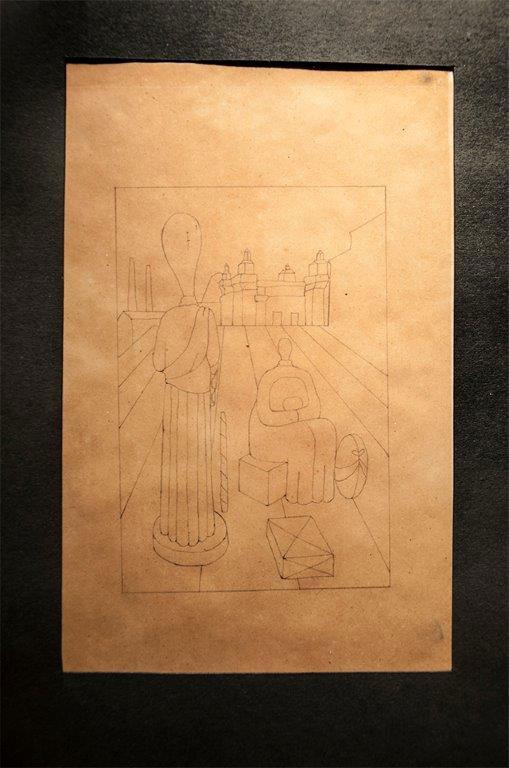
... And if someone had commissioned the painter Giorgio De Chirico, in the '20s /' 30s of the last century, not only the umpteenth "Piazza d'Italia" but even the design of a whole new country, based on geometry and on the suggestions of his most famous paintings? ... and if de Chirico had accepted the challenge, realized the projects and followed the works as a true architect, what kind of country would have arisen?
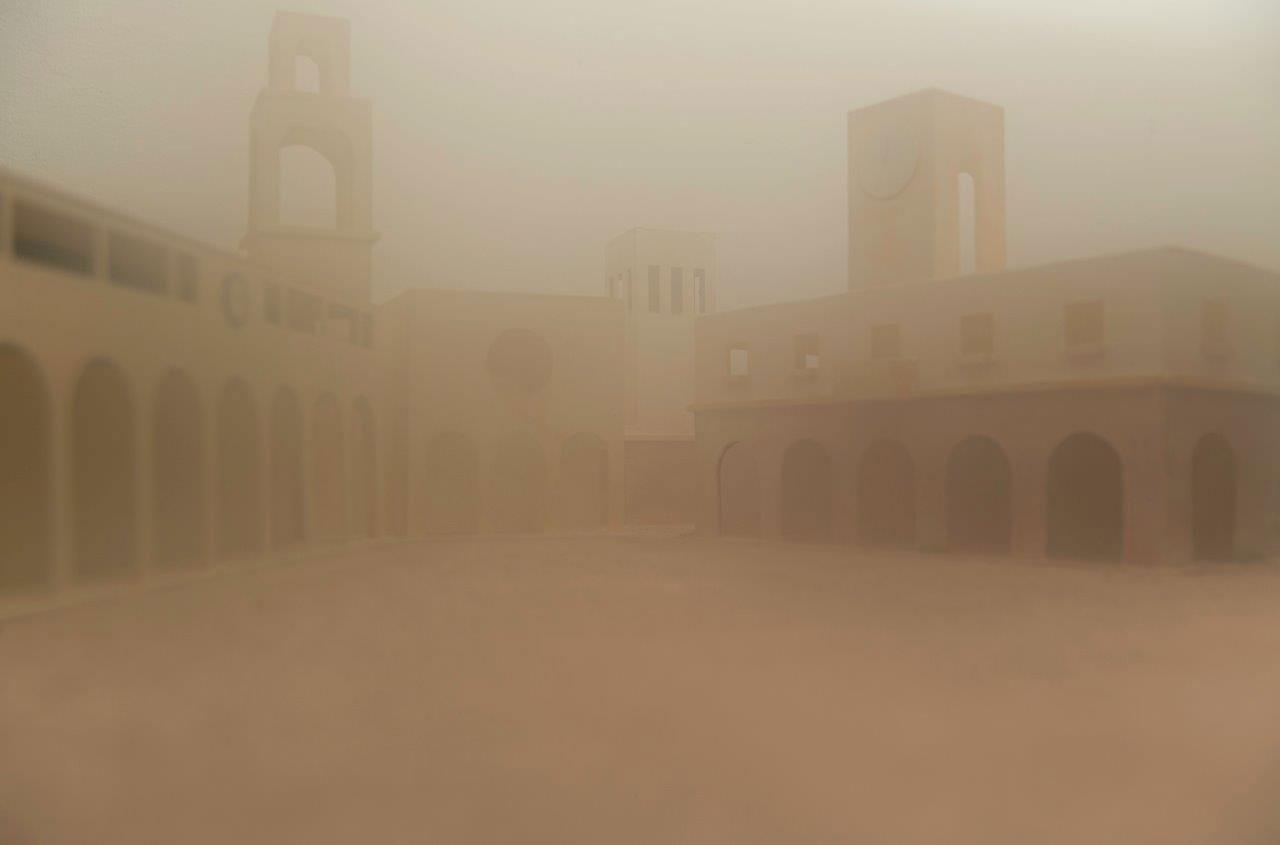
From this game of "... and if" comes the latest work by Silvia Camporesi for the Galleria MLB in Ferrara, to which the artist from Forlì wanted to add a final and intriguing question: to imagine that the village was built, inaugurated and lived for a short time, maybe a few years, until the outbreak of the Second World War, during which the village is abandoned, the inhabitants are dispersed in other countries and in other realities, the houses are closed and no one is interested in inhabit those spaces and cross the streets, so that the historical and geographical memory loses its place. The artist wonders what could be the appearance of this country 70 years after abandonment, such as the natural metamorphosis of its spaces and its architectures so little experienced, modified and "updated" by man, but just as consumed and ruined from the elements and the seasons.
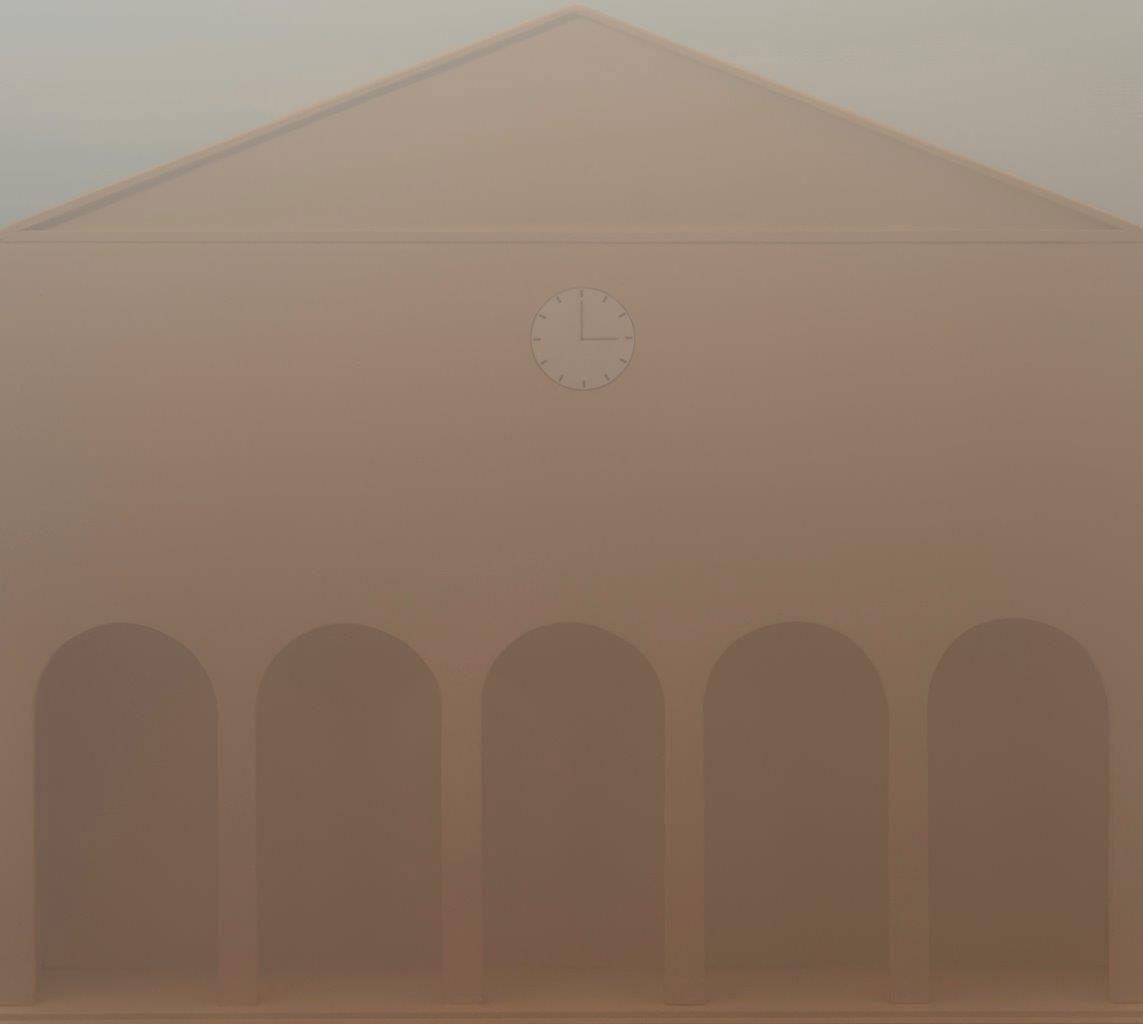
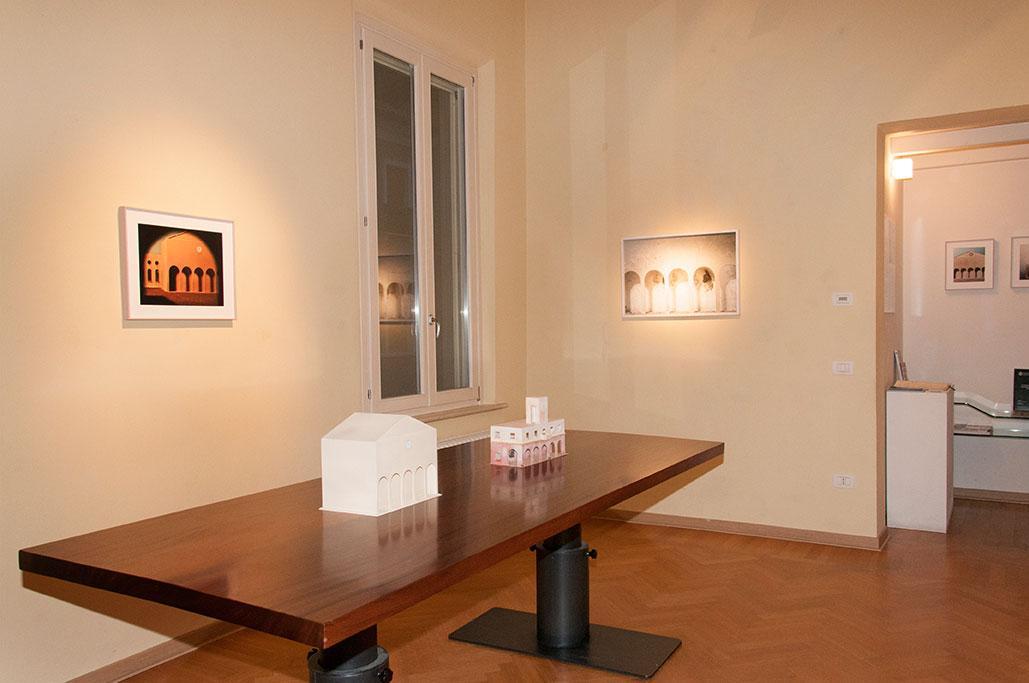
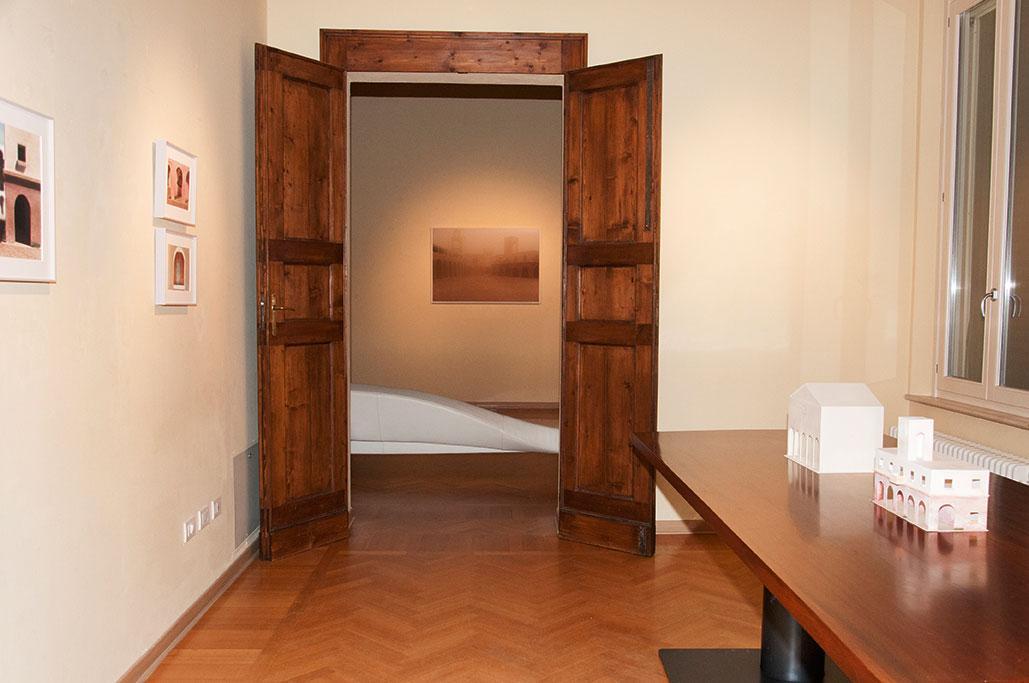
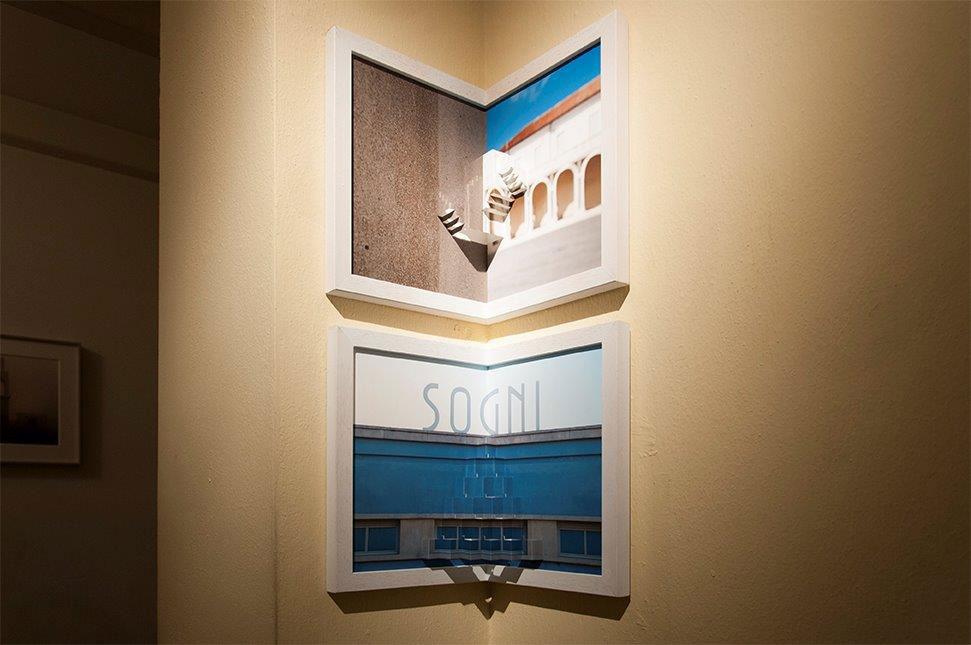
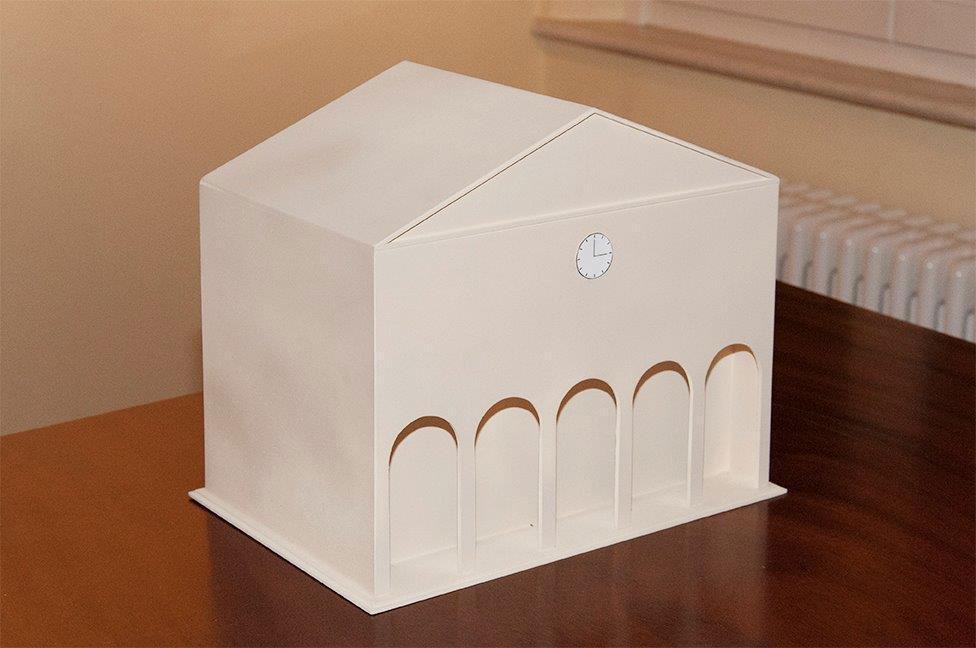
Camporesi decides to rediscover this unprecedented metaphysical heterotopia, this real and at the same time ideal place, decides to visit it on a warm misty and timeless day and get lost in its narrow streets and squares, to document its current state, trying to to recover photographically the metaphysical spirit at the origin of the project and the atmospheres that ideally accompanied for a short time the daily life of its few inhabitants.To achieve this result, Silvia decides to go through two conceptually opposite roads: the first, already tested in her 2011 work, La Terza Venezia, is to resort to models, this time partly freely inspired by the architectures that appeared in De Chirico's paintings. (temples and colonnades, round arches, towers) and partly attributable to certain real architectural and urban solutions, among other things, surprisingly similar to the buildings painted by the painter, adopted by the Fascist government to create, in the south, several small villages of service during the last years of the twenty years.
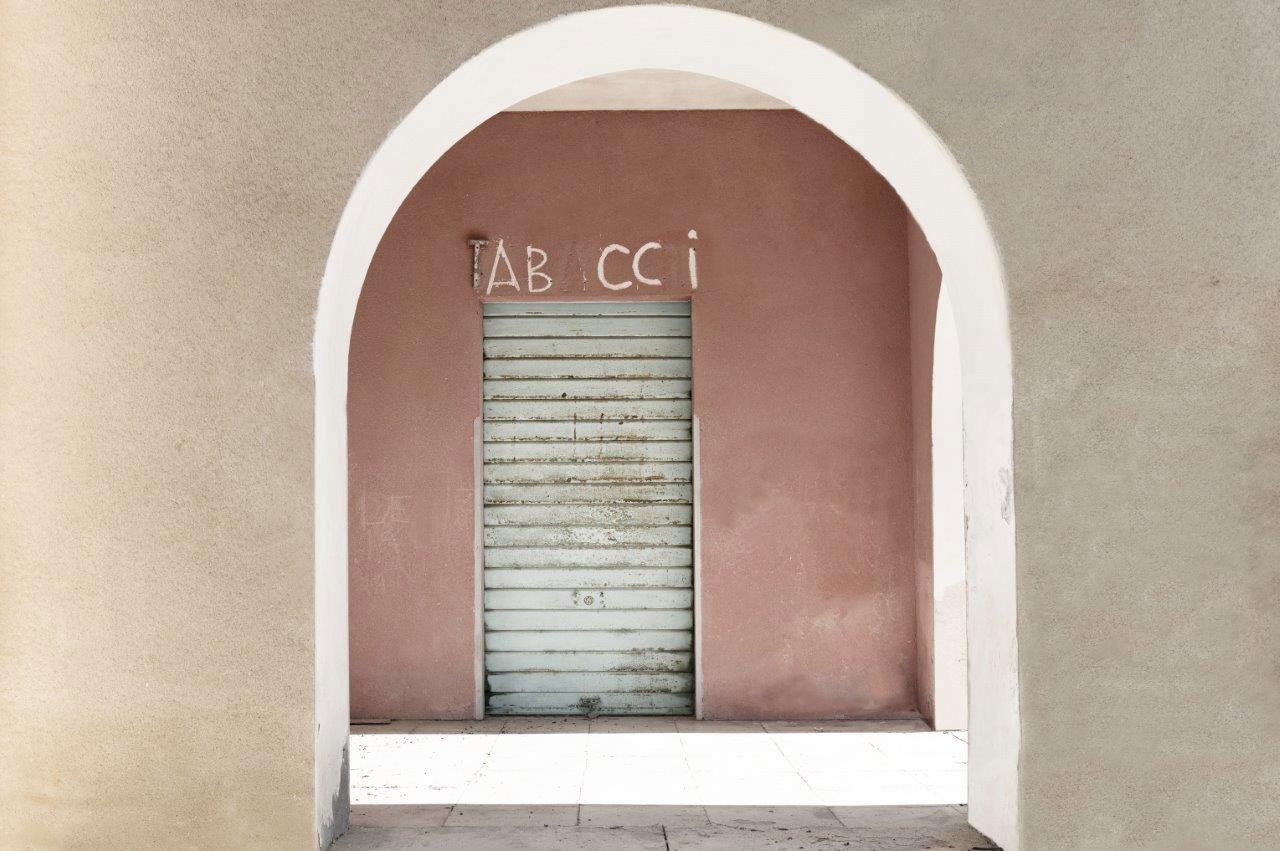
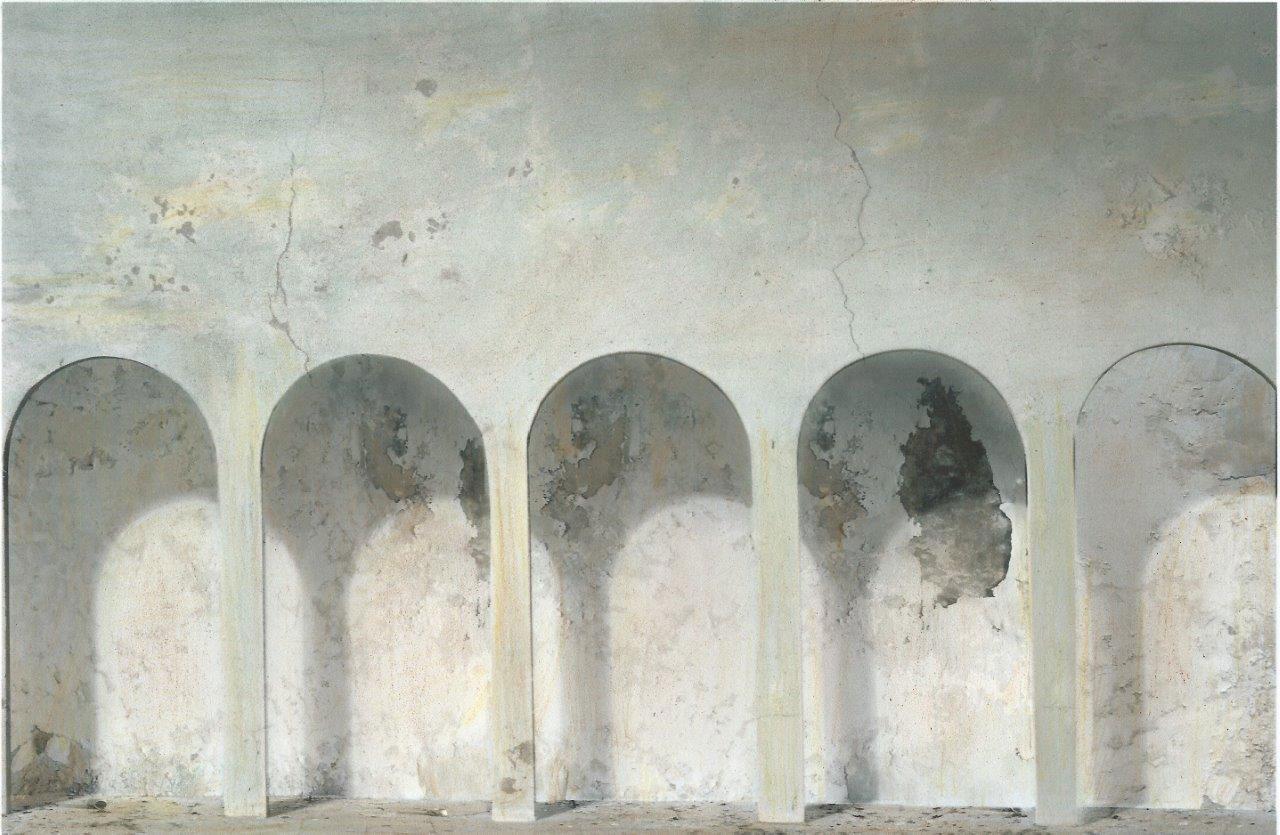
The second road, however, widely developed in the latest work Atlas Italiae, consists of photographing abandoned real places, such as some of the above Sicilian villages, in part already inexorably reabsorbed and hidden by nature (the so-called Third Landscape of Gilles Clément).
The circle closes some shots made in Tresigallo, small and lively village of Ferrara, also considerably expanded, according to the architectural canons in vogue in the '30s, at the behest of the fascist minister Edmondo Rossoni, who was born here in 1884 Some photos of the series are printed in black and white and colored by hand, an intervention that gives a new and unprecedented life to dead places, where the infinite nuances of the plaster now corroded by moisture and swaying like fans on the long walls of empty porticoes they intertwine with the soft colors of the sky and the earth.
Never as in this work, however, it is worthwhile to overcome the easy game of fictional realism (and its opposite), of the ambiguity between true and false, between real and imaginary and, accepting the invitation of De Chirico himself, to go beyond the materiality of things, of looking through the physicality of architecture and space to perceive the ideal essence and thus abandon itself to the epiphany that only comes to those who observe "for the first time" the places that surround it. -
Exhibited Works
-
Title
Title
-
Title
Title
-
Title
Title
-
Title
Title
-
Title
Title
-
Title
Title
-
Title
Title
-
Title
Title
-
Title
Title
View the embedded image gallery online at:
https://www.mlbgallery.com/en/events/itemlist?start=126#sigProId7e1c48d0c9 -
-
Exhibition Set Up
View the embedded image gallery online at:
https://www.mlbgallery.com/en/events/itemlist?start=126#sigProId80b2c3fe10 -
Invitation to the vernissage
-
Vernissage: Photo Gallery
-
Title
Title
-
Title
Title
-
Title
Title
-
Title
Title
-
Title
Title
-
Title
Title
-
Title
Title
-
Title
Title
-
Title
Title
-
Title
Title
-
Title
Title
-
Title
Title
View the embedded image gallery online at:
https://www.mlbgallery.com/en/events/itemlist?start=126#sigProId5a99cca05bFinger Food a cura di Laura Saetti
View the embedded image gallery online at:
https://www.mlbgallery.com/en/events/itemlist?start=126#sigProIdb0beea9fb8 -
.jpg "Click to enlarge image 01 (1).jpg")

Giovanna Ricotta
Additional Info
-
Intoduction
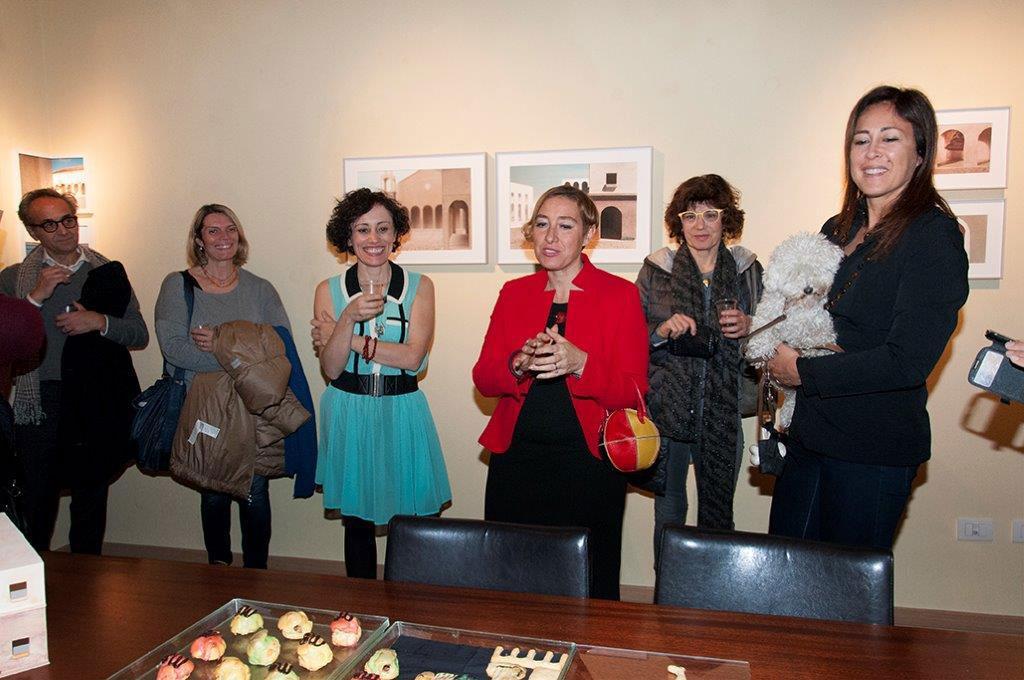
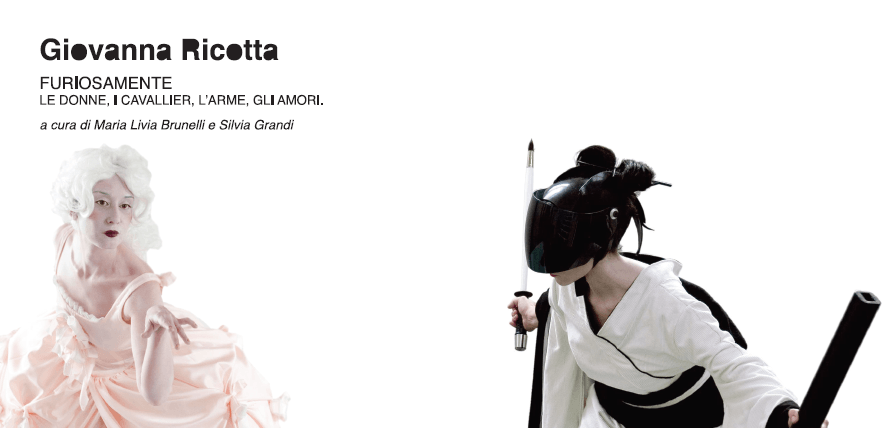
The staff of Giovanna Ricotta will open on Saturday, April 16 at 5 pm "Furiosamente. The women, the knights, weapons, the loves ", at the MLB Maria Livia Brunelli Ferrara home gallery. The artist, performer and photographer of great refinement, in parallel to the exhibition at the MLB, will realize, on May 12, a performance at the MAMbo of Bologna.
The project of the artist inaugurates the cycle of exhibitions inspired by Ludovico Ariosto and in particular to his most famous poem, the "Orlando Furioso", which this year is the fifth year of the first edition. Conceived in Ferrara Estense and printed in the city in 1516, the poem is one of the absolute masterpieces of Western literature and immediately spoke to the heart of Italian and European readers. To celebrate it, a series of initiatives and exhibitions involving the entire city of Ferrara, which will culminate, in September, in a major exhibition that Palazzo dei Diamanti will dedicate to this masterpiece of Italian literature of the sixteenth century. Not a documentary exhibition or pictorial fortune, but a real art exhibition that will lead the visitor on a fascinating journey through the pages of the poem, including battles and tournaments, knights and loves, wishes and spells, through a selection of masterpieces of the greatest artists of the period, from Giovanni Bellini to Andrea Mantegna, from Giorgione to Dosso Dossi, from Raffaello to Leonardo, from Michelangelo to Titian. Alongside these, ancient and Renaissance sculptures, engravings, tapestries, weapons, books and artifacts of extraordinary beauty and preciousness, will revive the fantastic knightly world of Furioso and its paladins, offering at the same time a suggestive slice of Ferrara in which the book and recounting dreams, desires and fantasies of that society of the Italian courts of the Renaissance in which Ariosto was a very sensitive spokesman.
A poem that continues to speak to the contemporary reader for the incredible timeliness of the themes dealt with: the need for harmony and serenity, contradicted by the constant tension towards impossible goals, such as the desire for glory, ambition, unfulfilled love, all chimeras that create jealousy and anxiety, even to lead to obsession, madness. But the poem also speaks of an era of strong religious crisis, of the war between the Arab world and the Christian world, a conflict that has never shaken our consciences like today. Red threads that cross our era as they crossed that of Ariosto, who himself, a lover of peace and inner peace, denounces in his poem, so that the "Orlando Furioso" is configured as a great metaphor of intrigues and follies of he was a spectator every day at the Este court.
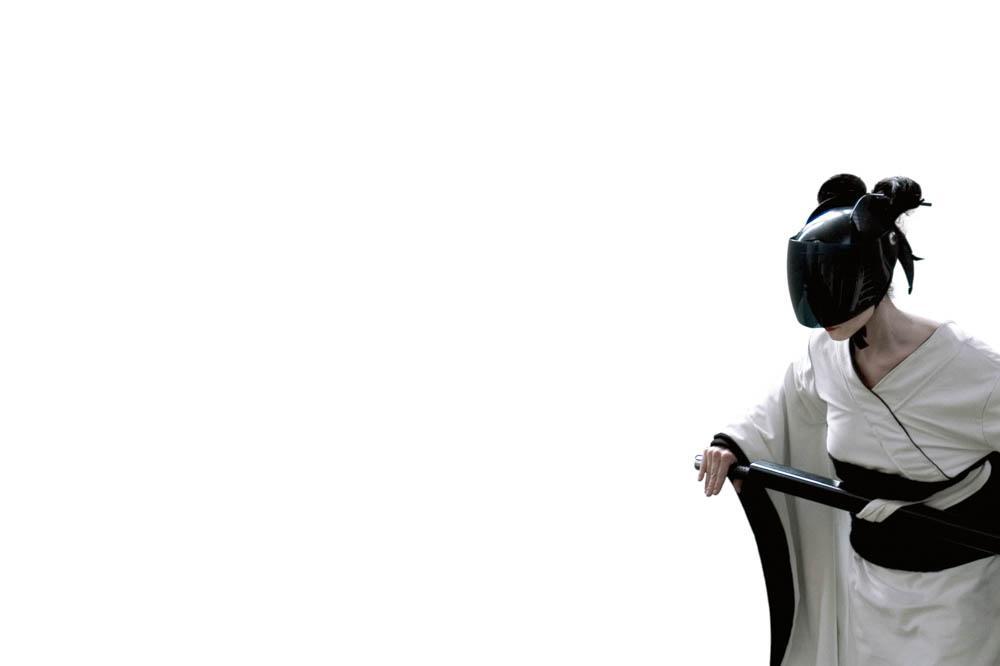
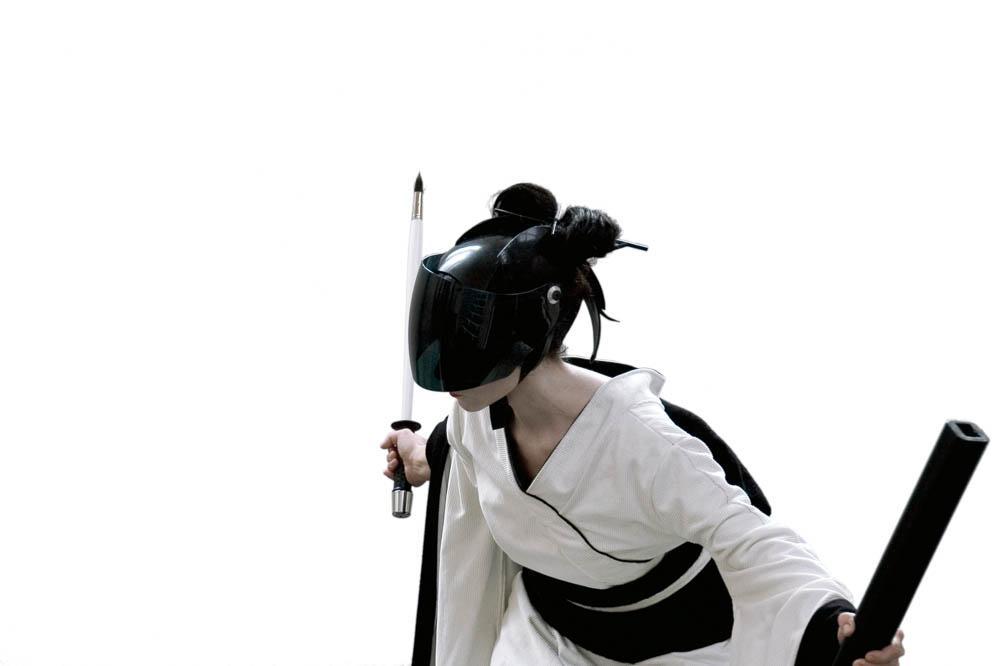
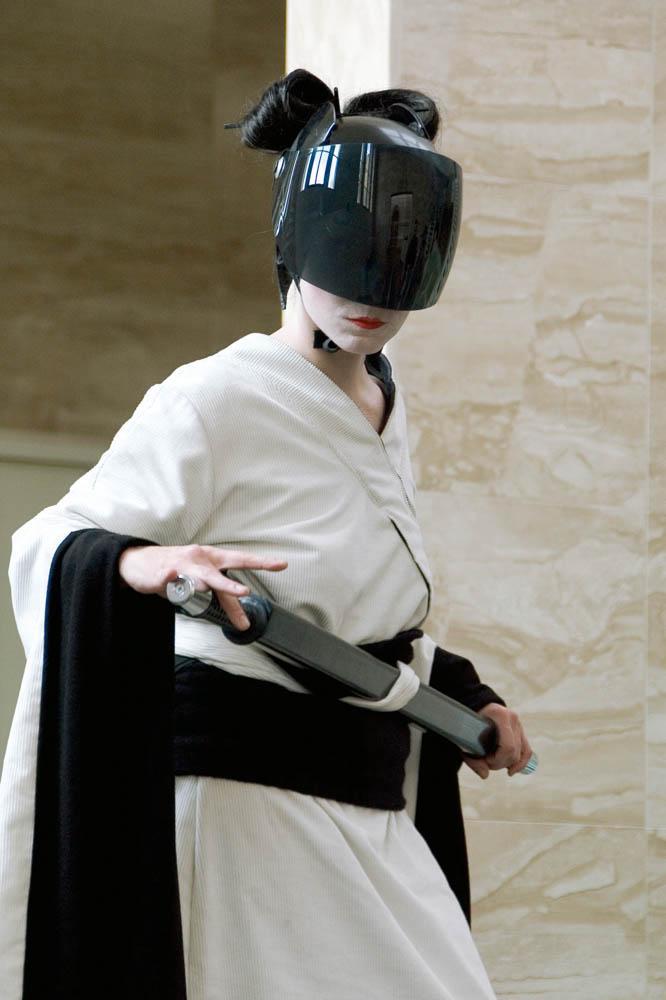
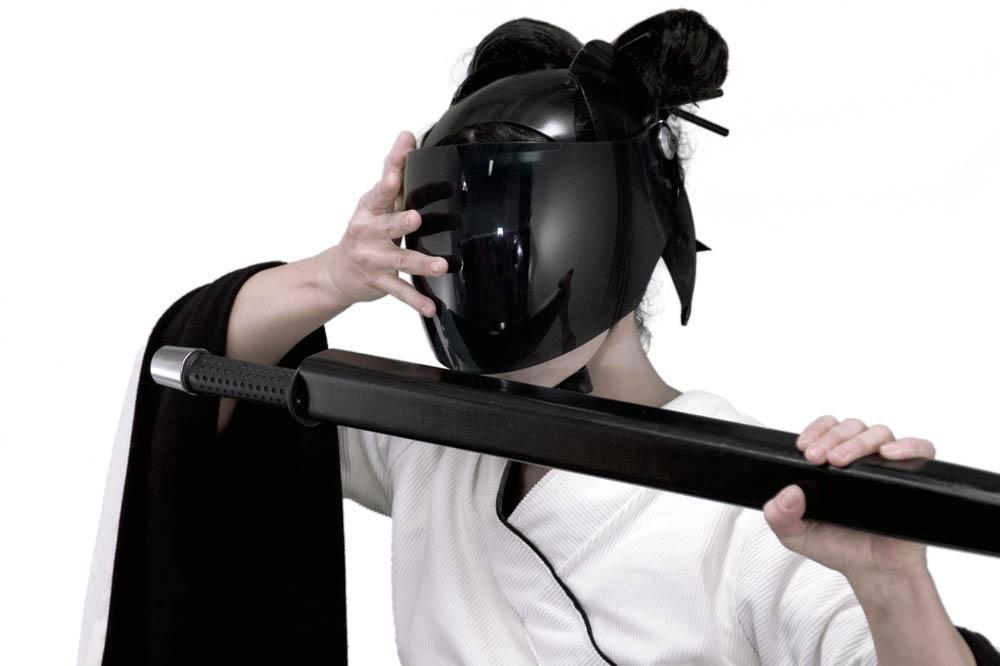
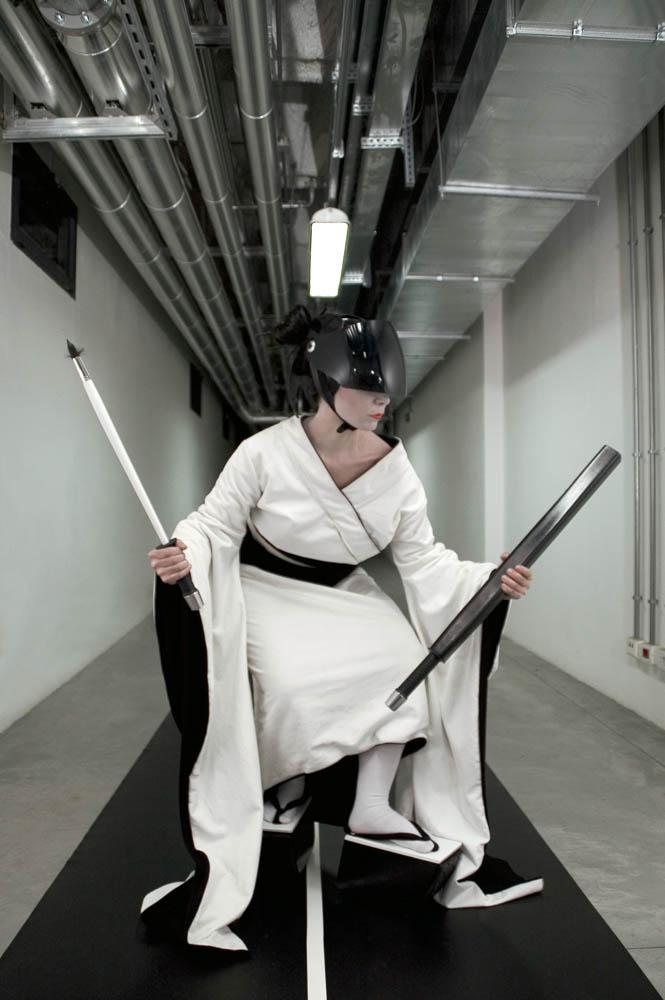
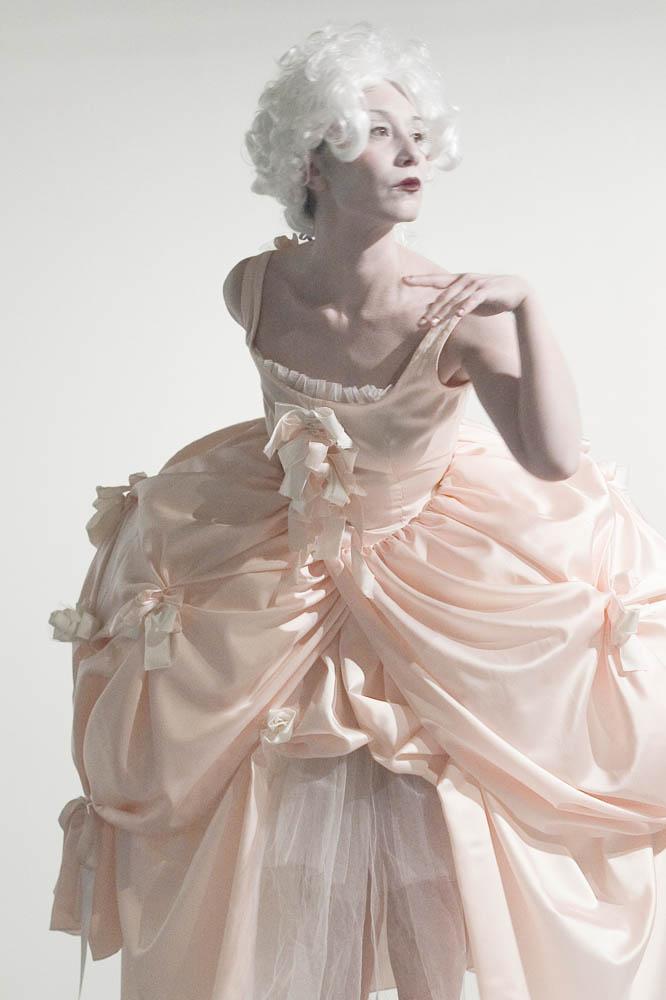
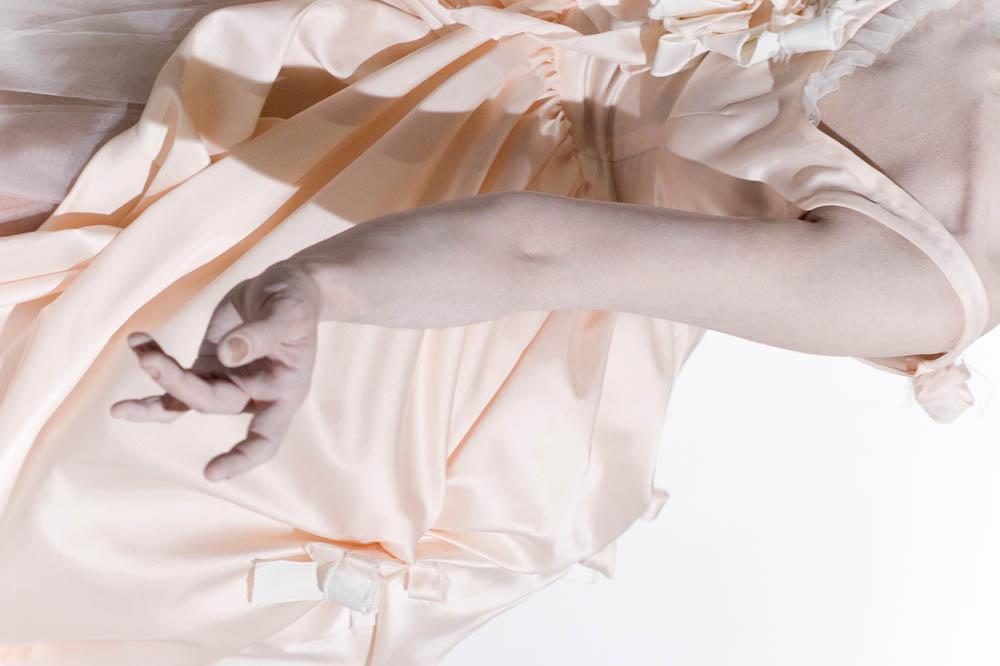
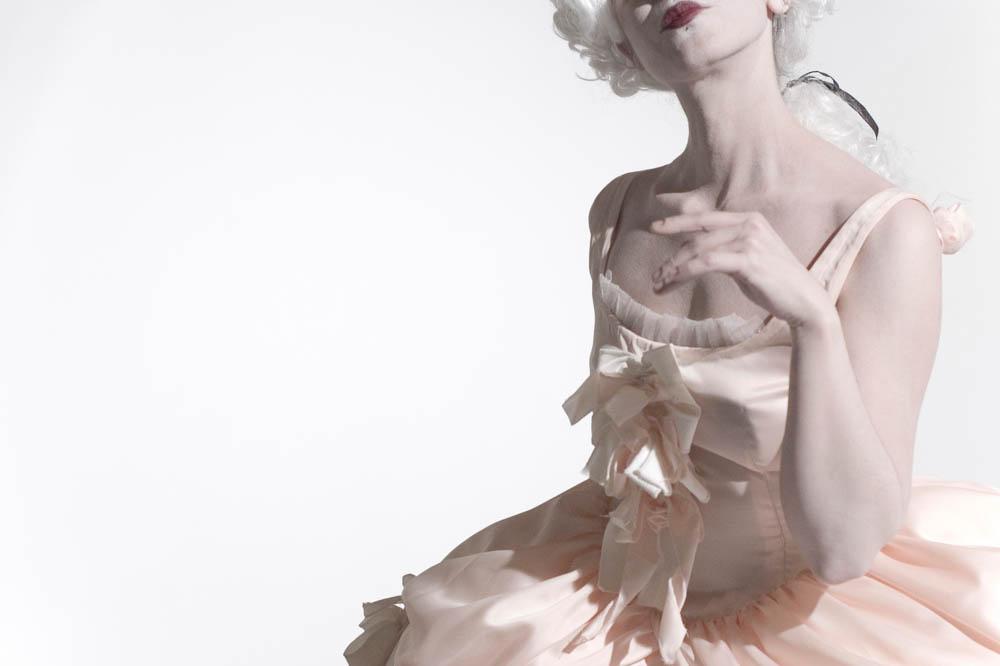
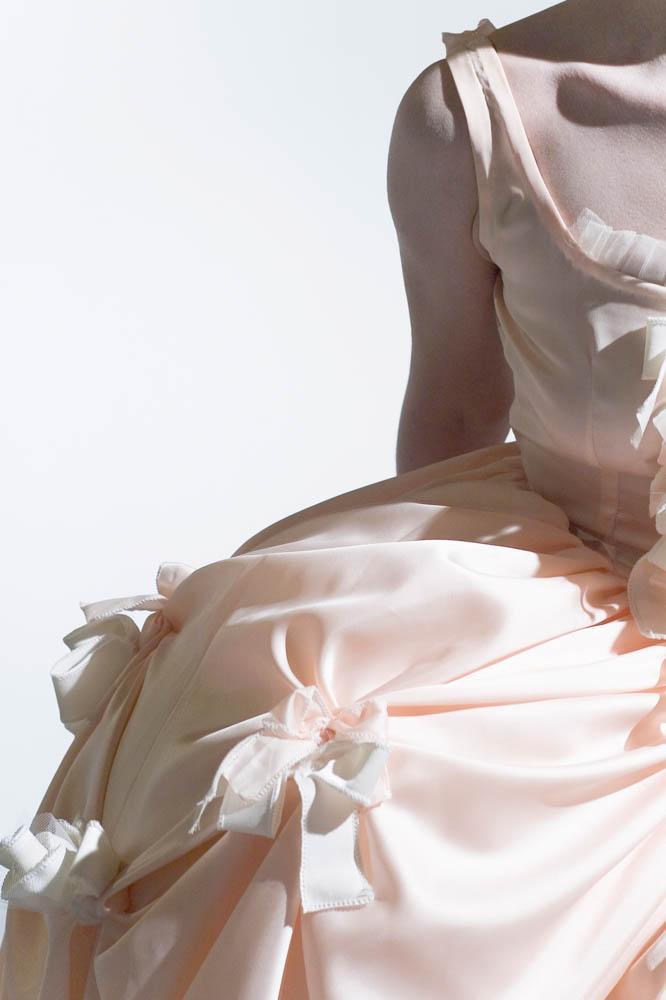
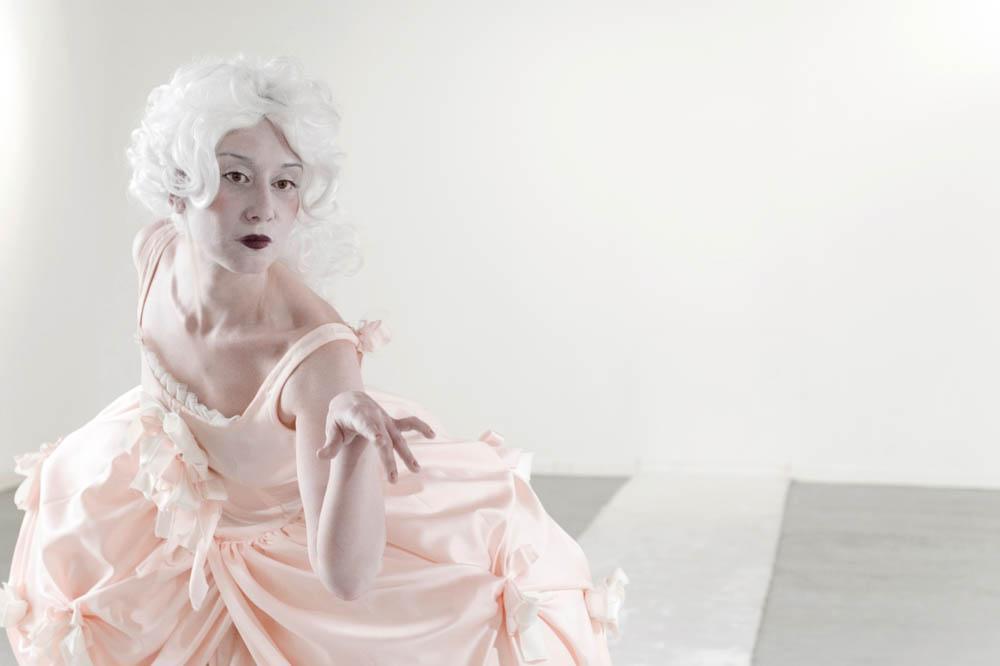
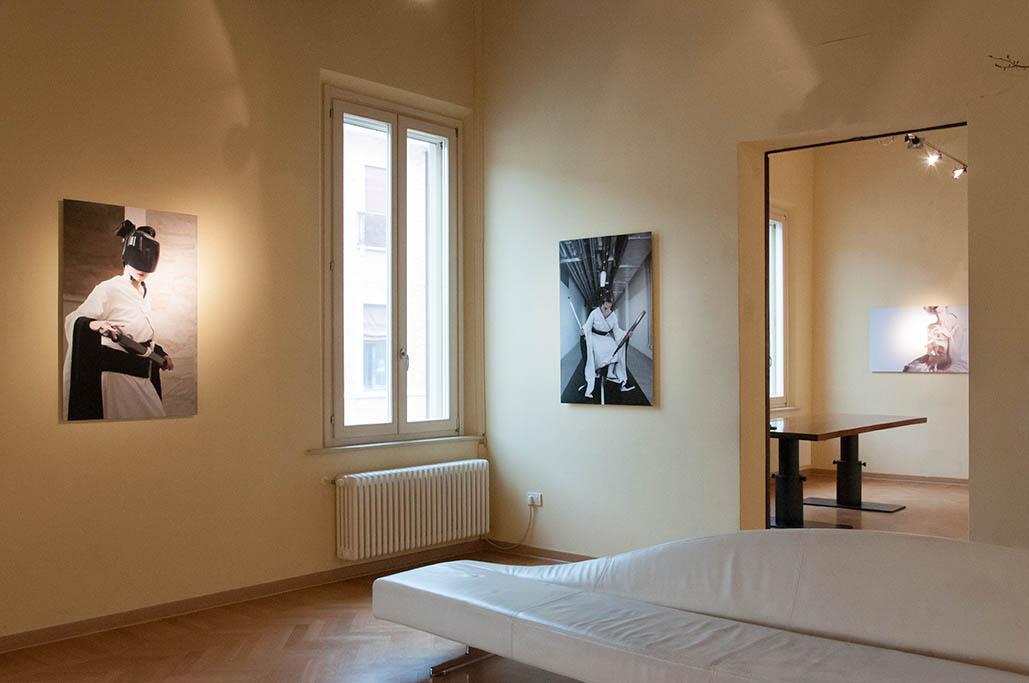
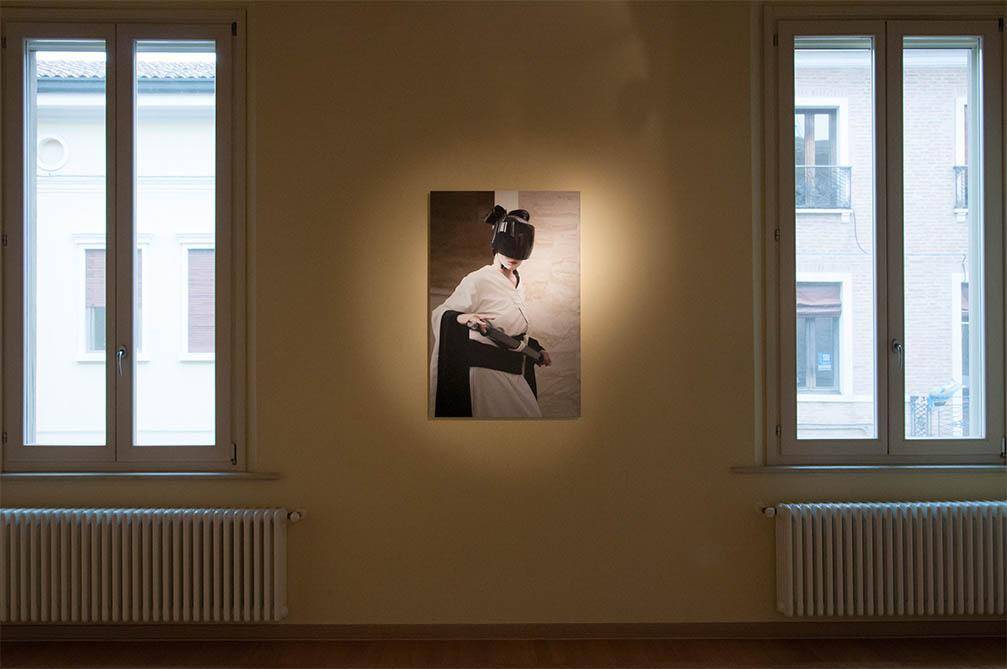
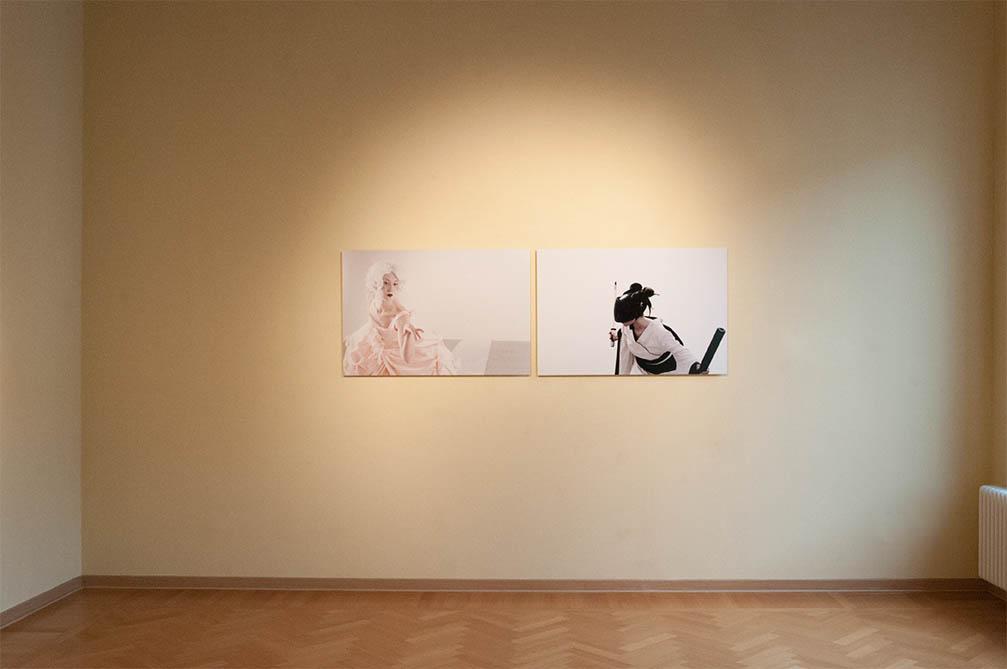
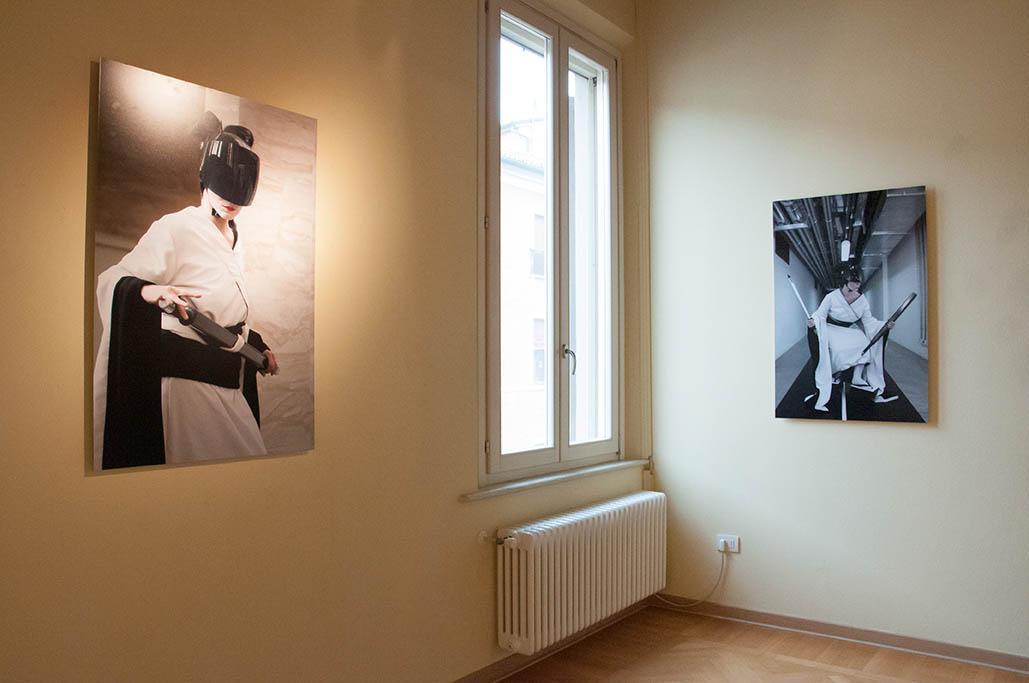
In the desire to reflect on the relevance of the Ariosto's poem, the MLB home gallery asked some artists to deal with these issues to deepen the aspect of the poem that everyone felt strongly linked to their own poetics. Giovanna Ricotta, who inaugurates the cycle, has always worked on the theme of the body and the different personalities that, madly, coexist in the same person, because in her performances and leading photographs she is herself, even if in continuous metamorphosis that make her unrecognizable. On the basis of this reflection, Ricotta proposes a contrast between the world of knights and that of the ladies, starting from the first, very famous verse of the poem: "Women, knights, weapons, loves". Thus, the intense photographs of herself in the performance presented at MAMbo in 2010, which portray her as a technological warrior in a contrast of whites and blacks (Do the right thing), dialogue with the refined and powdered ones that see her in the eighteenth century damsel in the work Toilette.
From the coexistence of these two souls that coexist in the same person, a masculine and a feminine, a dynamic and a static, comes the reflection of “Furiosamente”, an inedited series of 46 drawings, as many as the songs of Ariosto's poem. The title aims to evoke the schizophrenic dimension of this search for body identity, of which the design, sometimes fine and clean, sometimes dirty and violent, becomes a symbol. Giovanna Ricotta thus "furiously" expresses the story of an uncontainable, passionate, strong contemporary body that can’t hold back poetry, rather it must express it as in the "Orlando Furioso", without filters. A poem screamed, without shame, but with elegance, because if the photograph shows, the drawings instead whisper, as the voice that will penetrate the silence of the exhibition halls, suggesting a reading of the works: “SEMPRE COME AL SOSPIRARE/UN ATTIMO DI PAUSA DEL CORPO/ ENORME E’ LA SUA FOLLIA.../E... RESPIRA”. -
Exhibited Works
-
Title
Title
-
Title
Title
-
Title
Title
-
Title
Title
-
Title
Title
-
Title
Title
-
Title
Title
-
Title
Title
-
Title
Title
-
Title
Title
-
Title
Title
-
Title
Title
-
Title
Title
-
Title
Title
-
Title
Title
-
Title
Title
-
Title
Title
View the embedded image gallery online at:
https://www.mlbgallery.com/en/events/itemlist?start=126#sigProId36661bc35c -
-
Exhibition Set Up
-
Title
Title
-
Title
Title
-
Title
Title
-
Title
Title
-
Title
Title
-
Title
Title
-
Title
Title
-
Title
Title
-
Title
Title
-
Title
Title
-
Title
Title
-
Title
Title
-
Title
Title
View the embedded image gallery online at:
https://www.mlbgallery.com/en/events/itemlist?start=126#sigProId33d7fb0f17Visione delle sale a 360°
http://www.meridianaimmagini.it/andrea/virtualtourhomegallerymlb/vtour/tour.html
-
-
Invitation to the vernissage
-
Vernissage: Photo Gallery
View the embedded image gallery online at:
https://www.mlbgallery.com/en/events/itemlist?start=126#sigProId1084331c0fFinger Food a cura di Laura Saetti
View the embedded image gallery online at:
https://www.mlbgallery.com/en/events/itemlist?start=126#sigProIdf0bdd49ac6
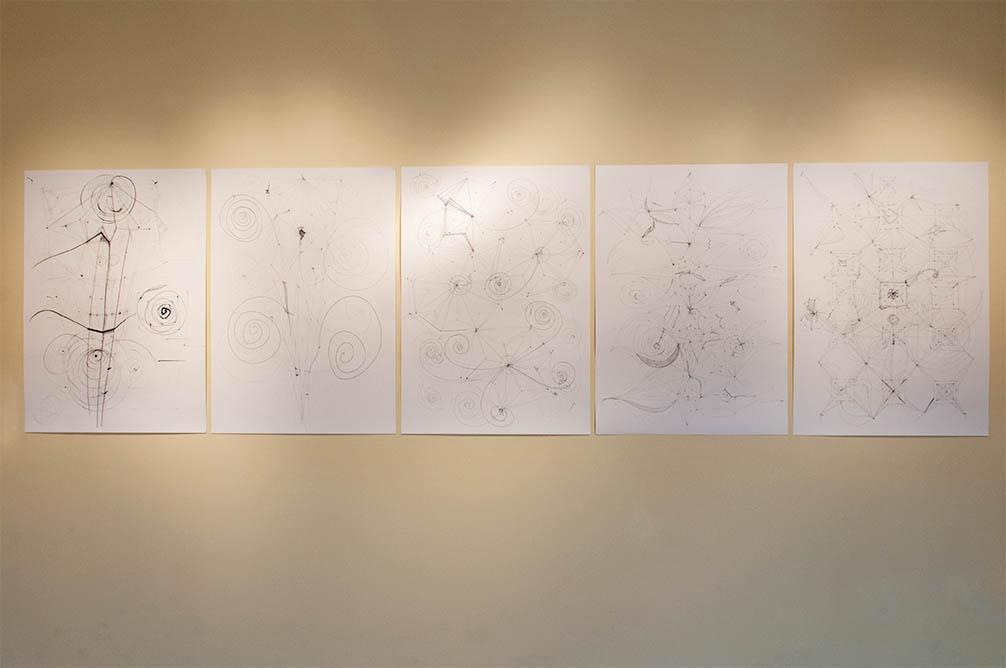
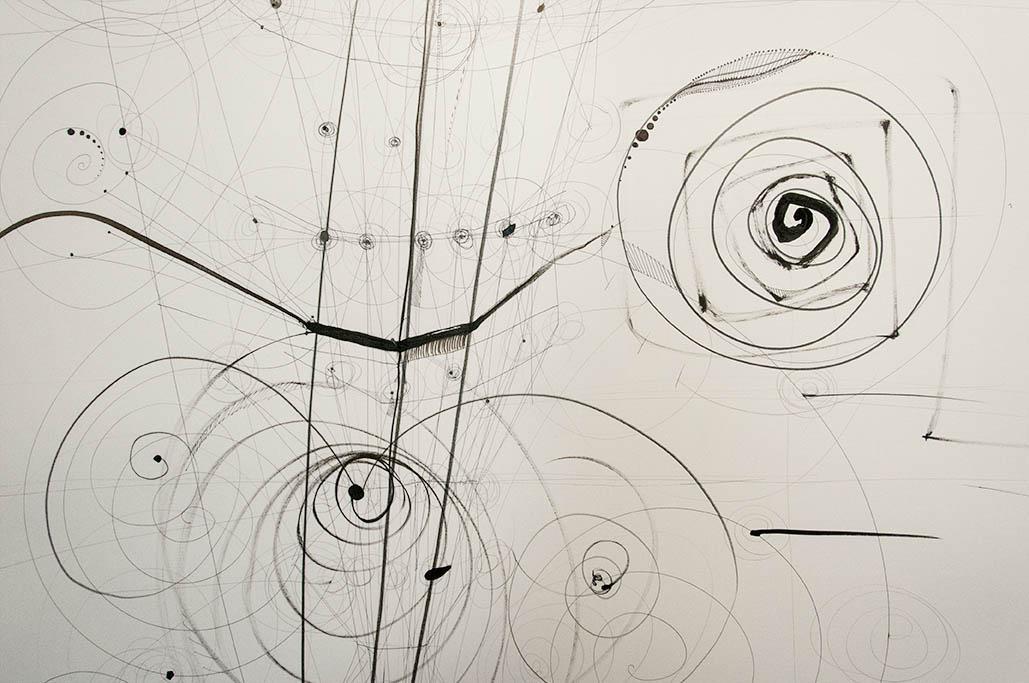
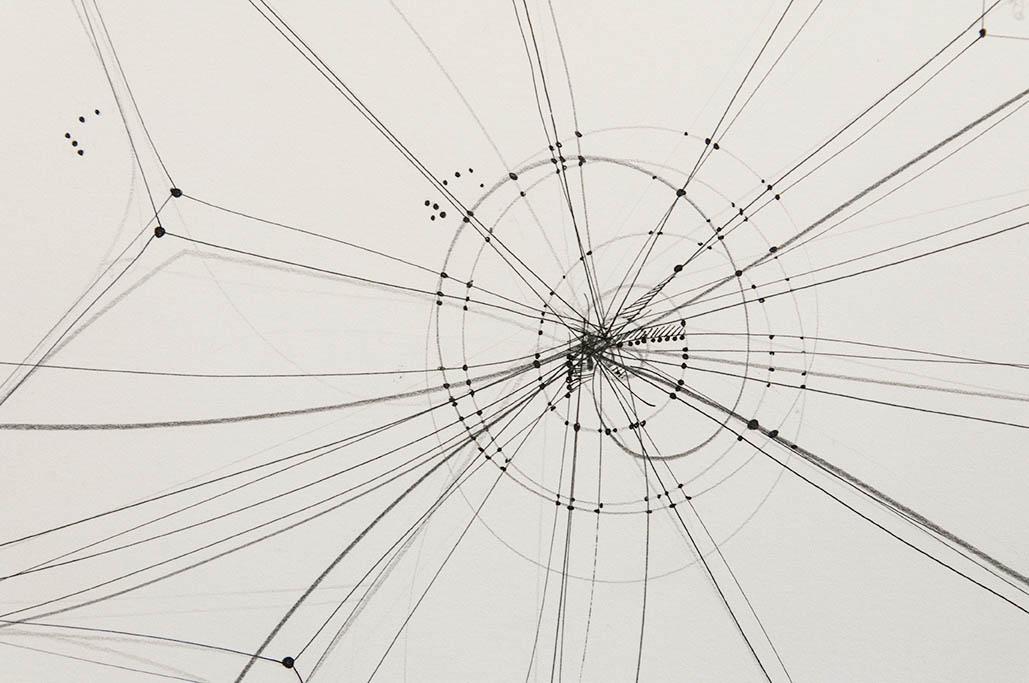
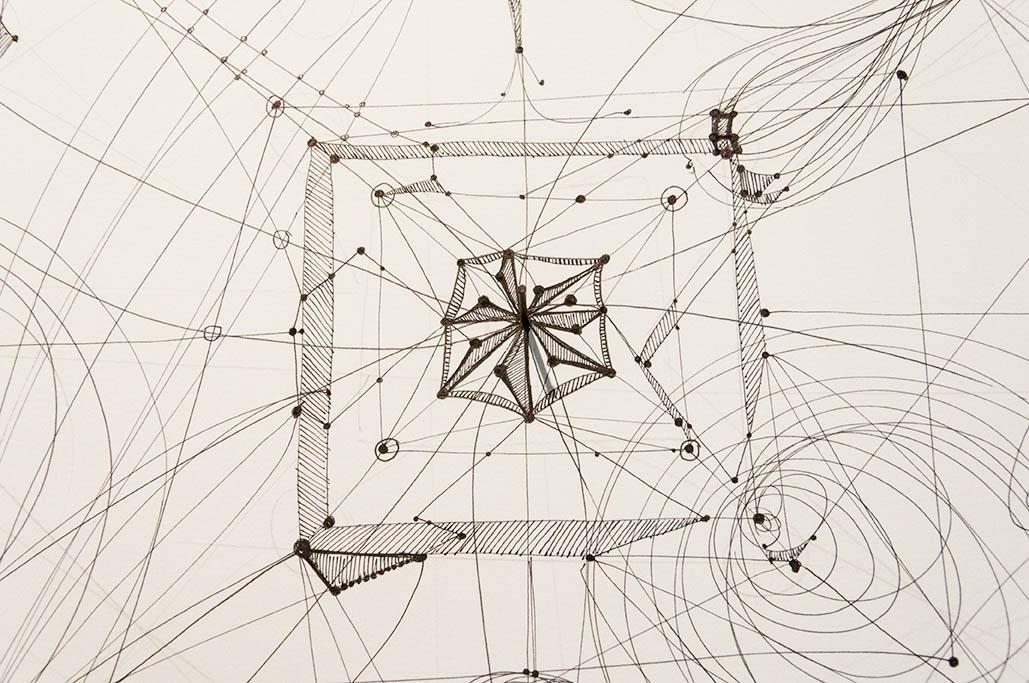
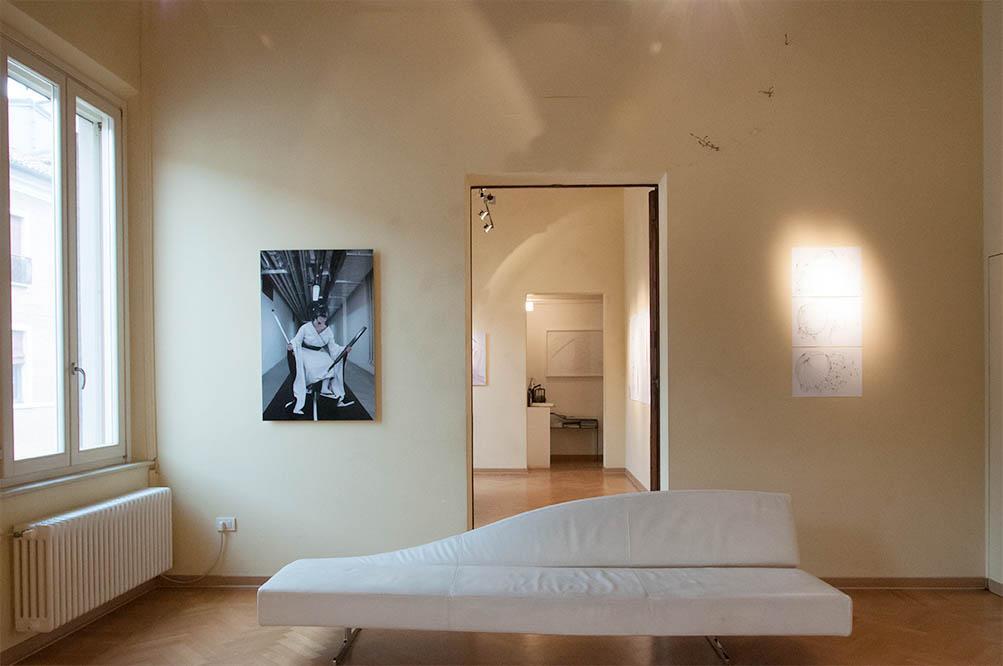
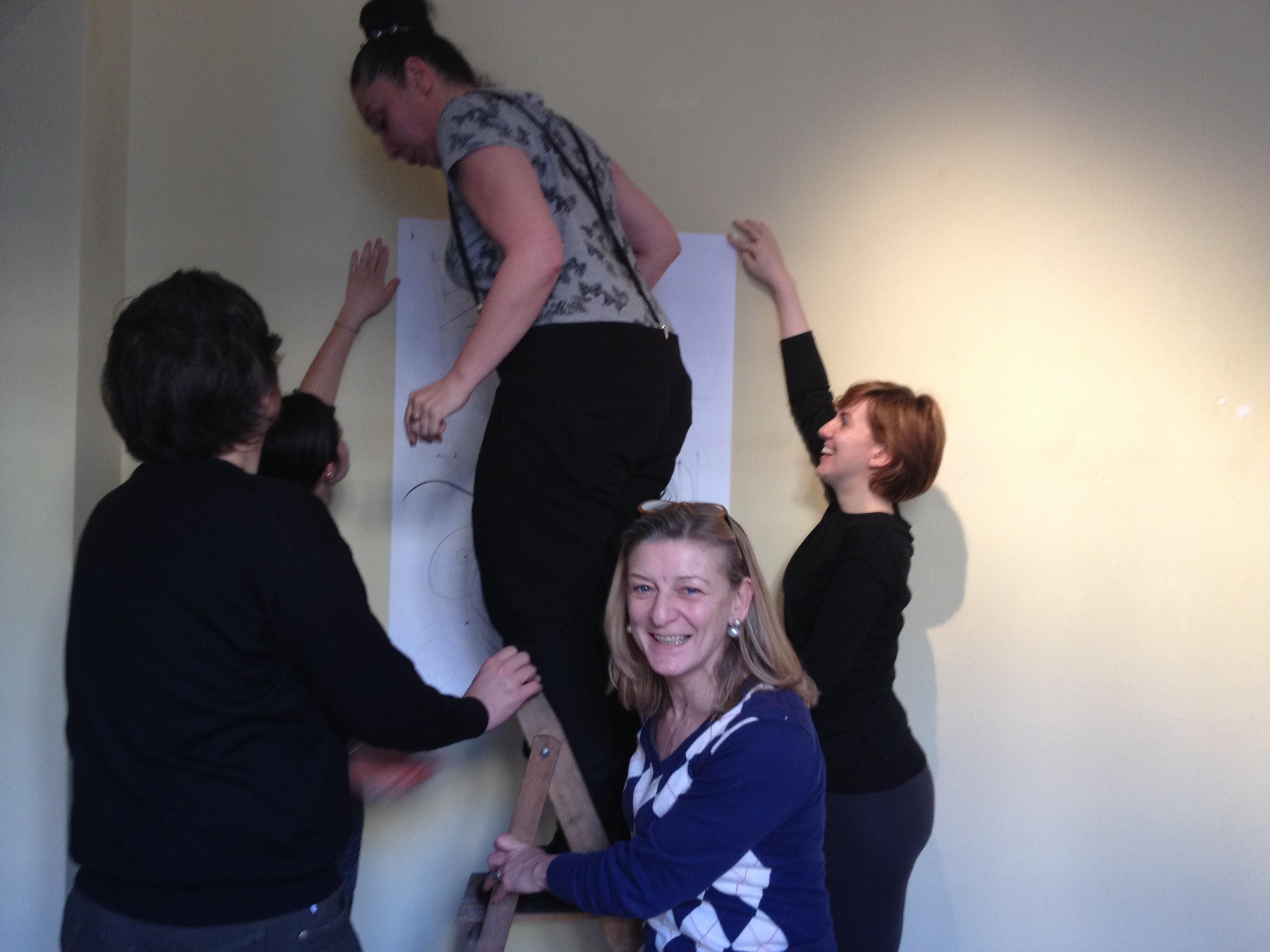
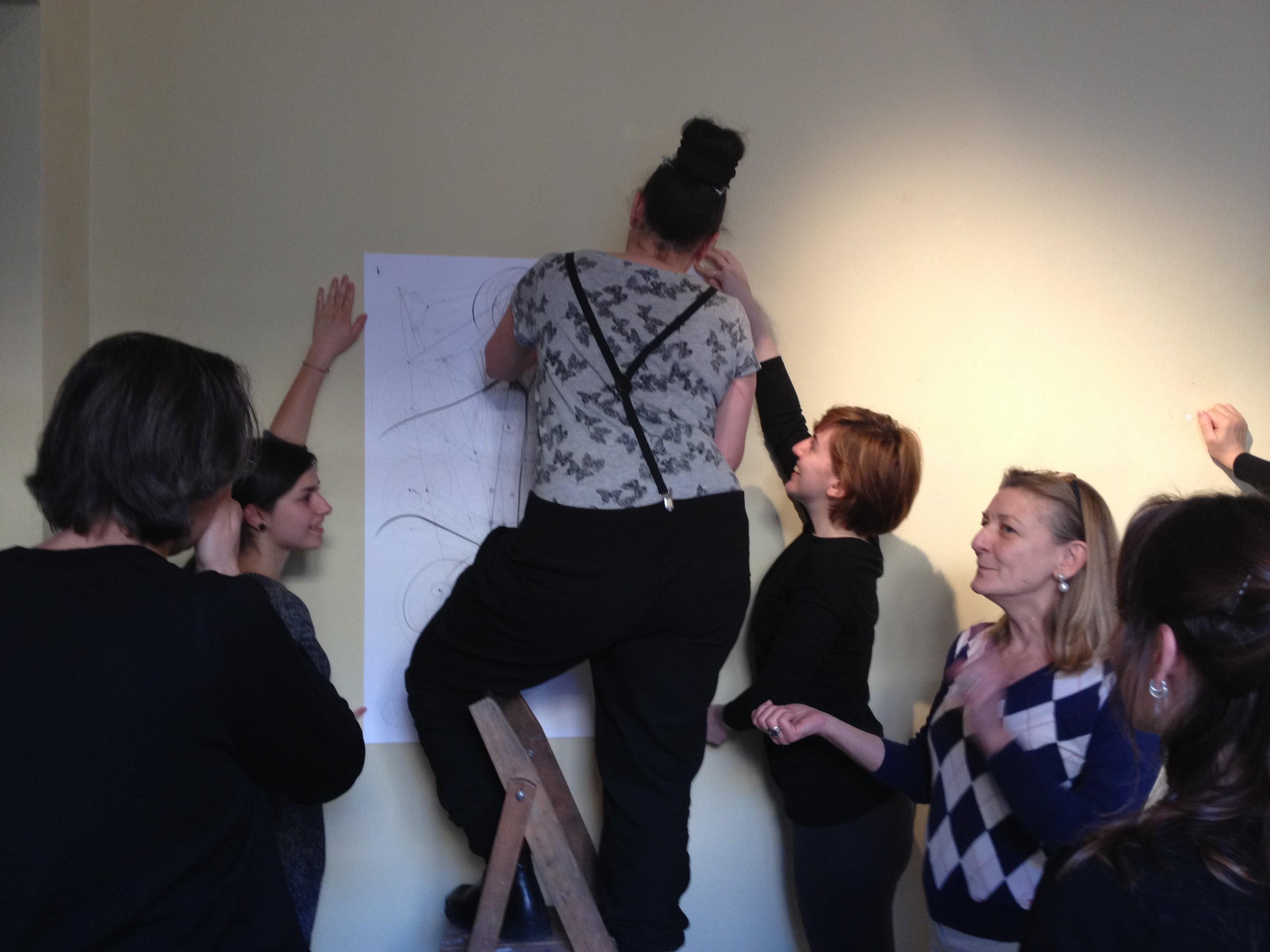
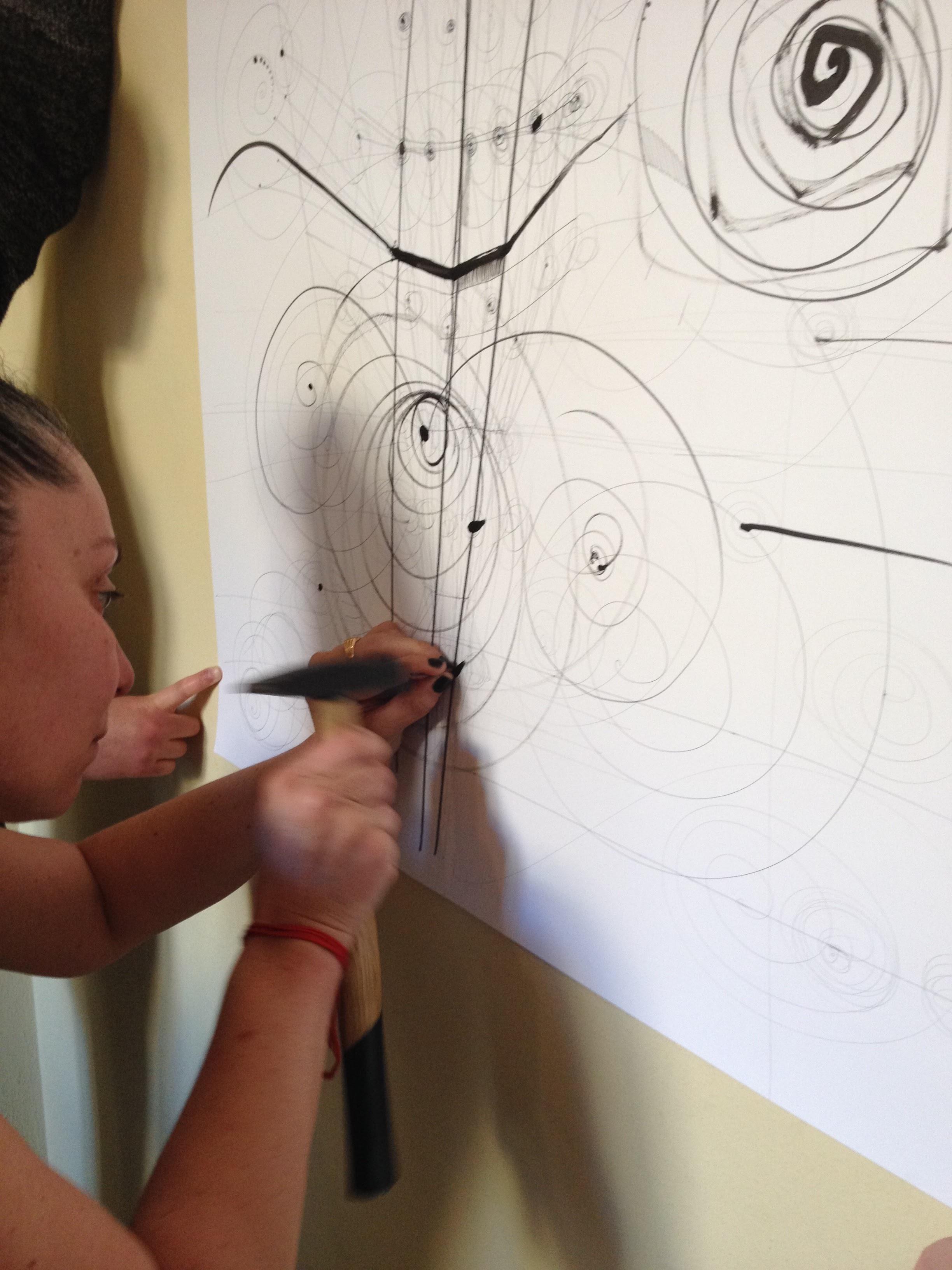
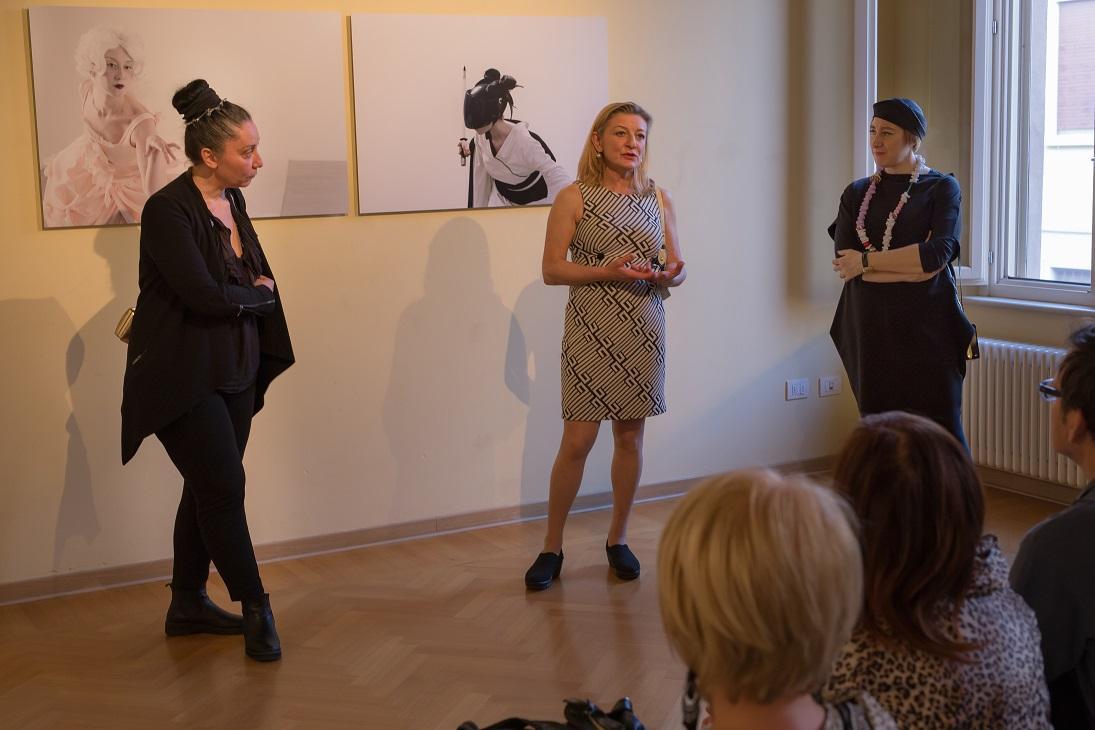
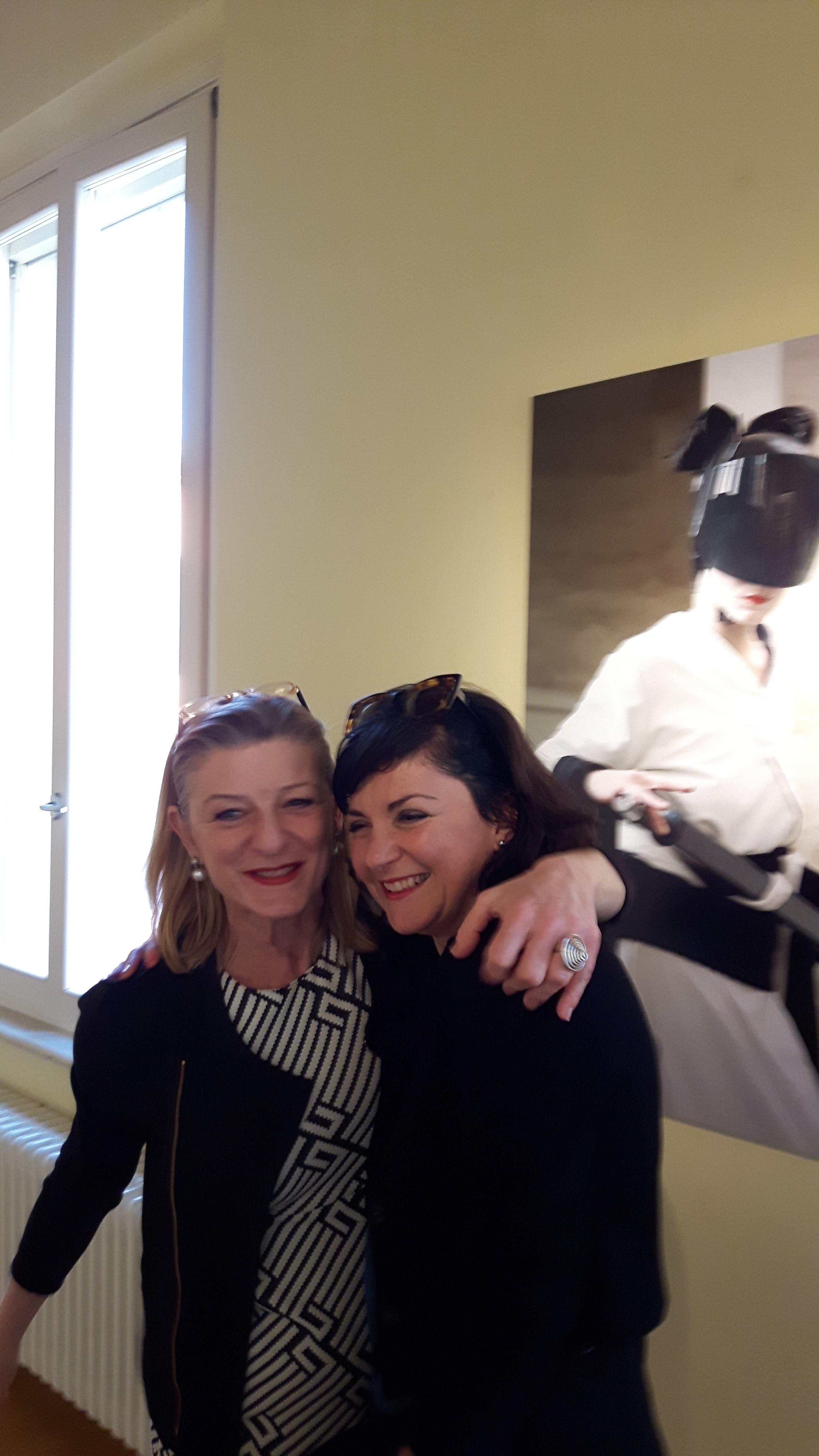
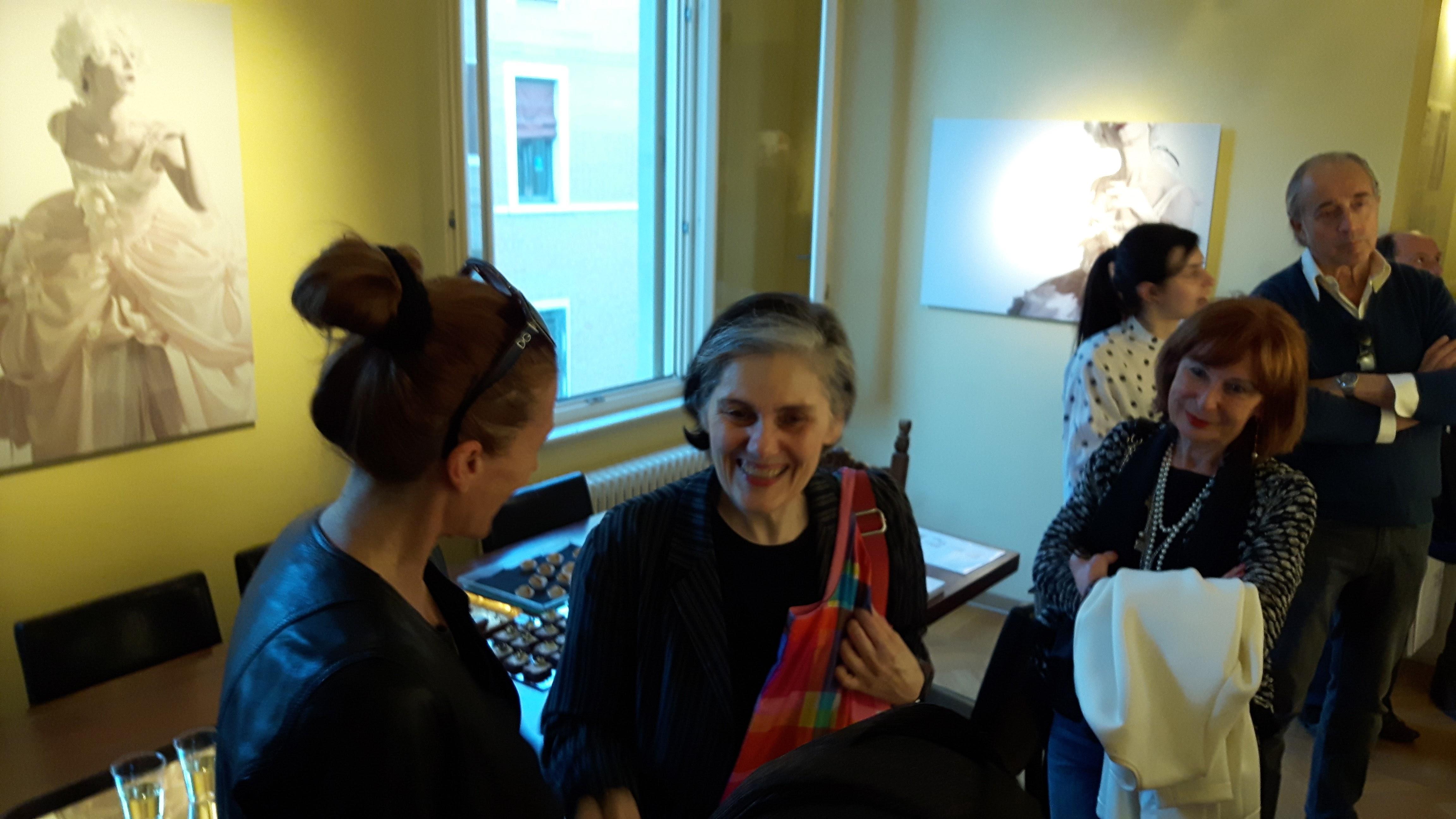
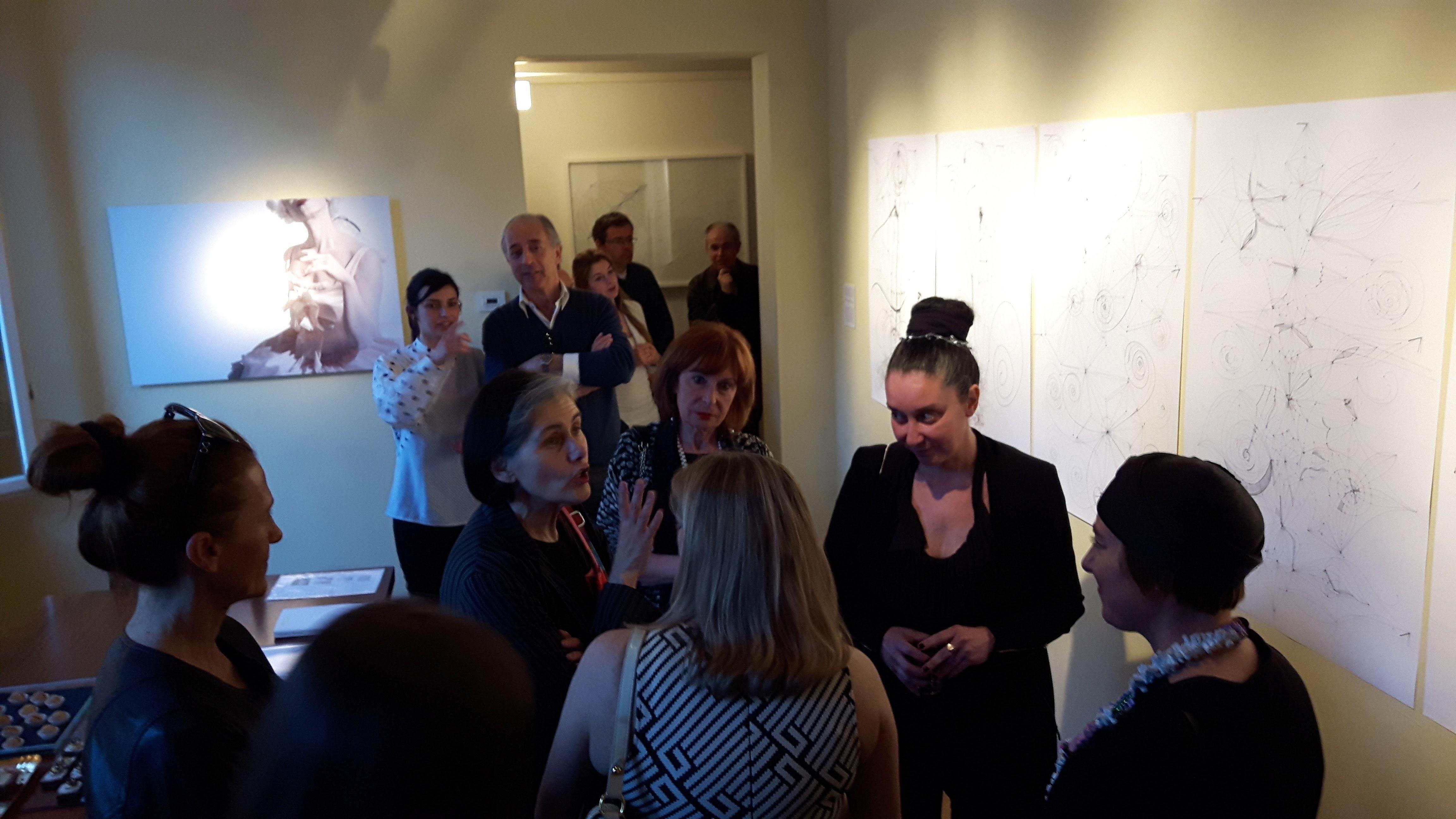
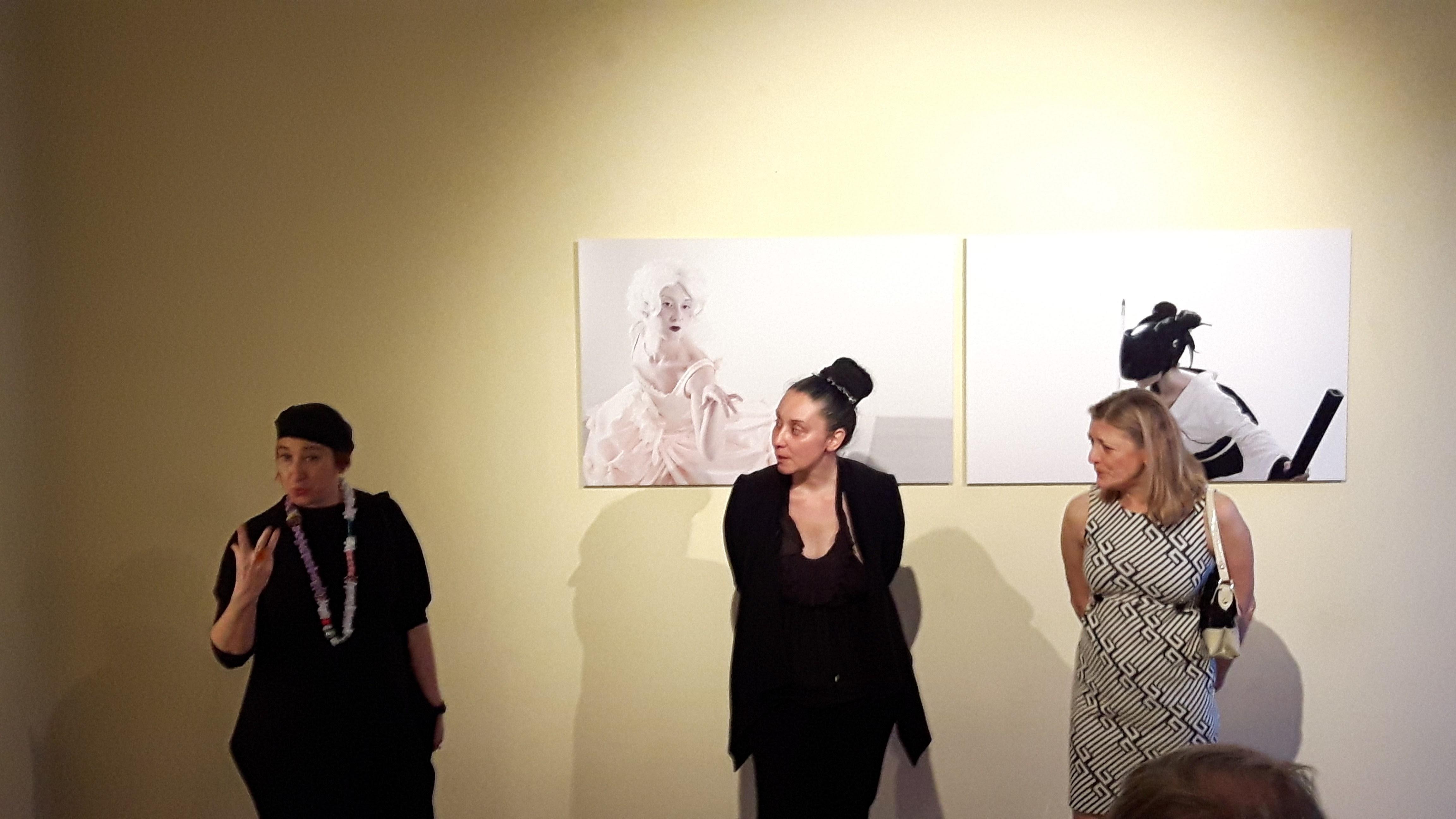
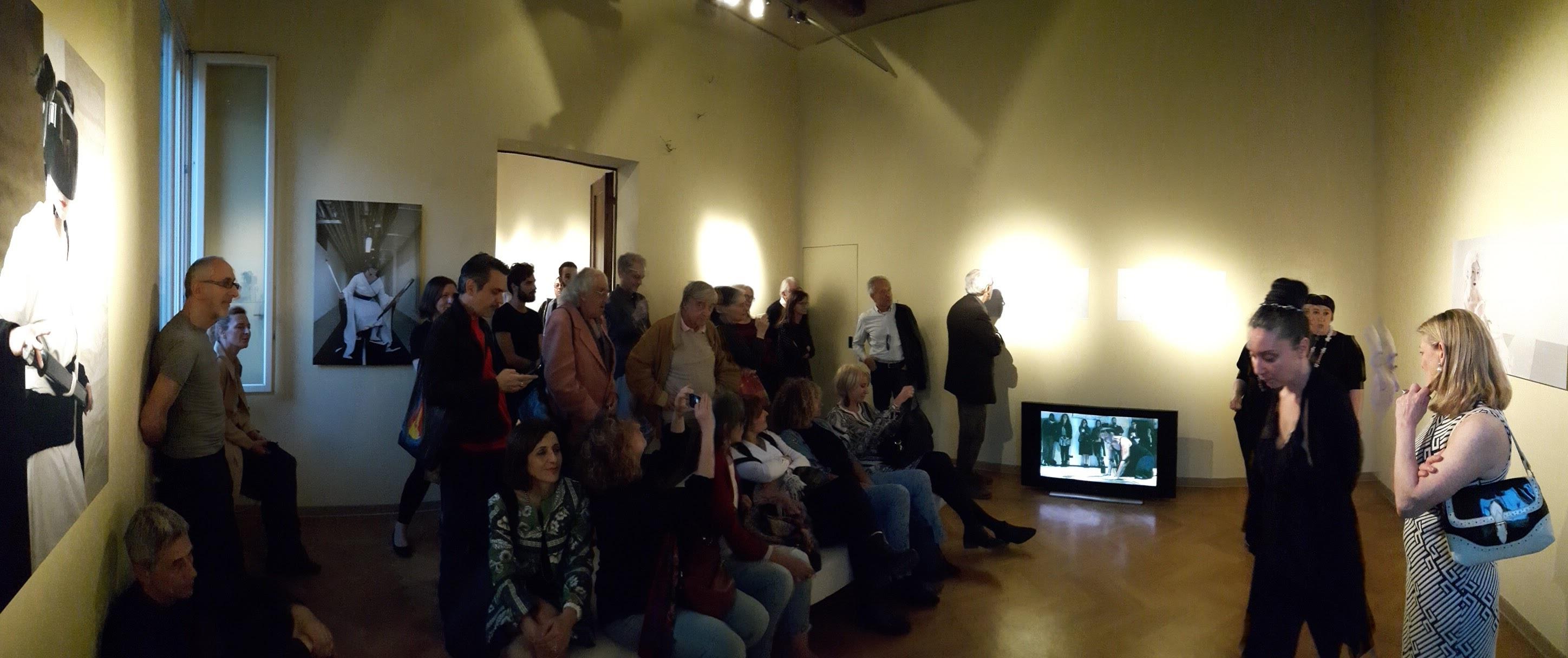
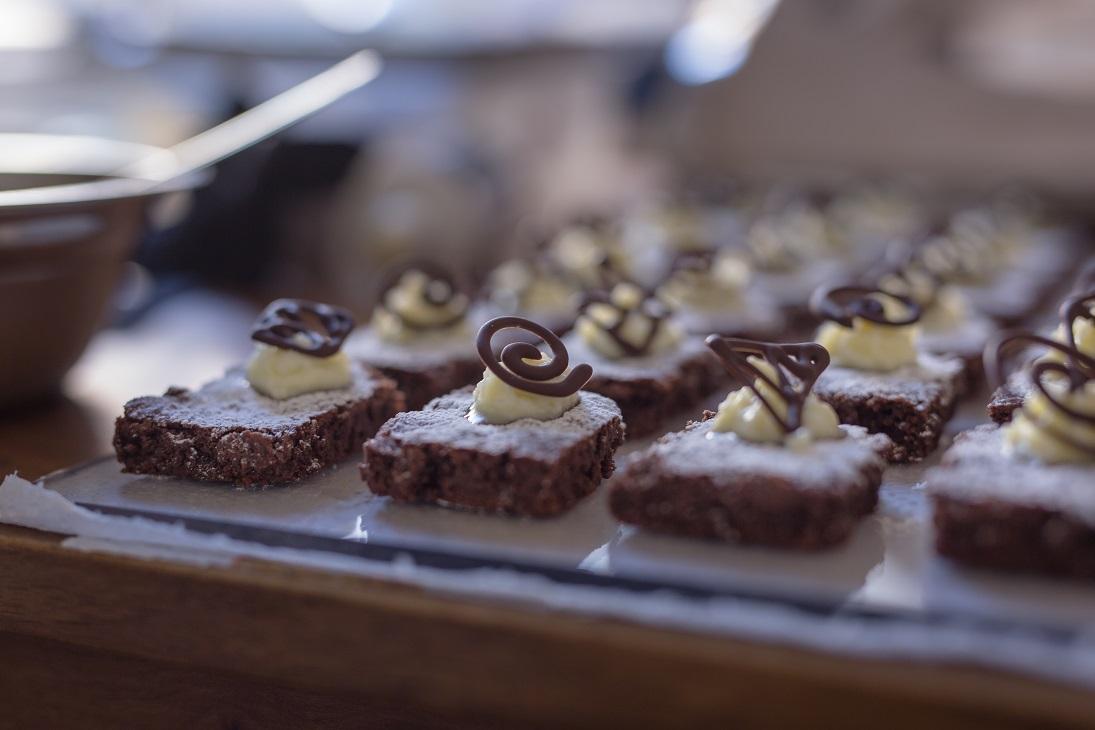
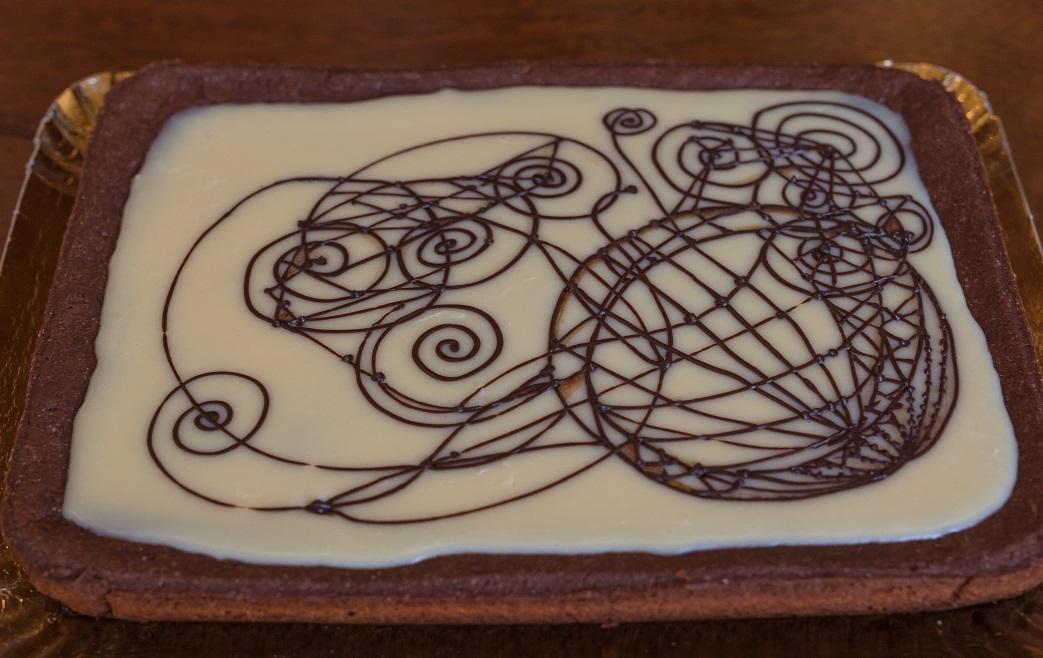
.jpg "Click to enlarge image 20160416_201845_Richtone(HDR).jpg")
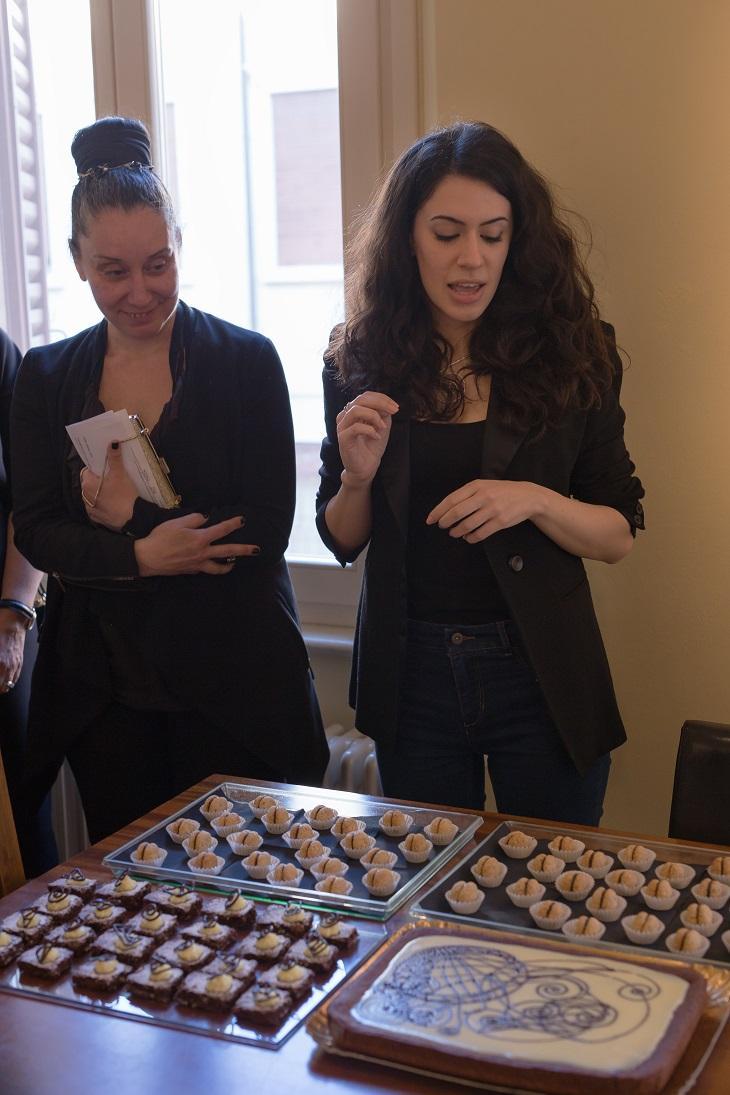
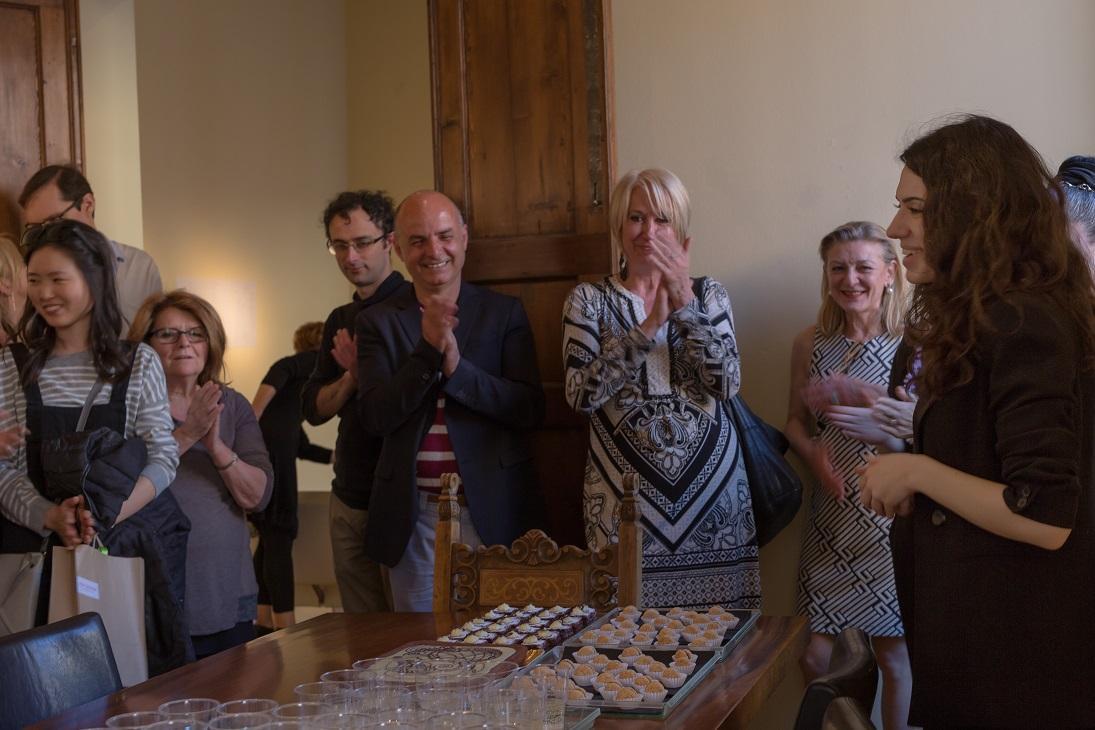
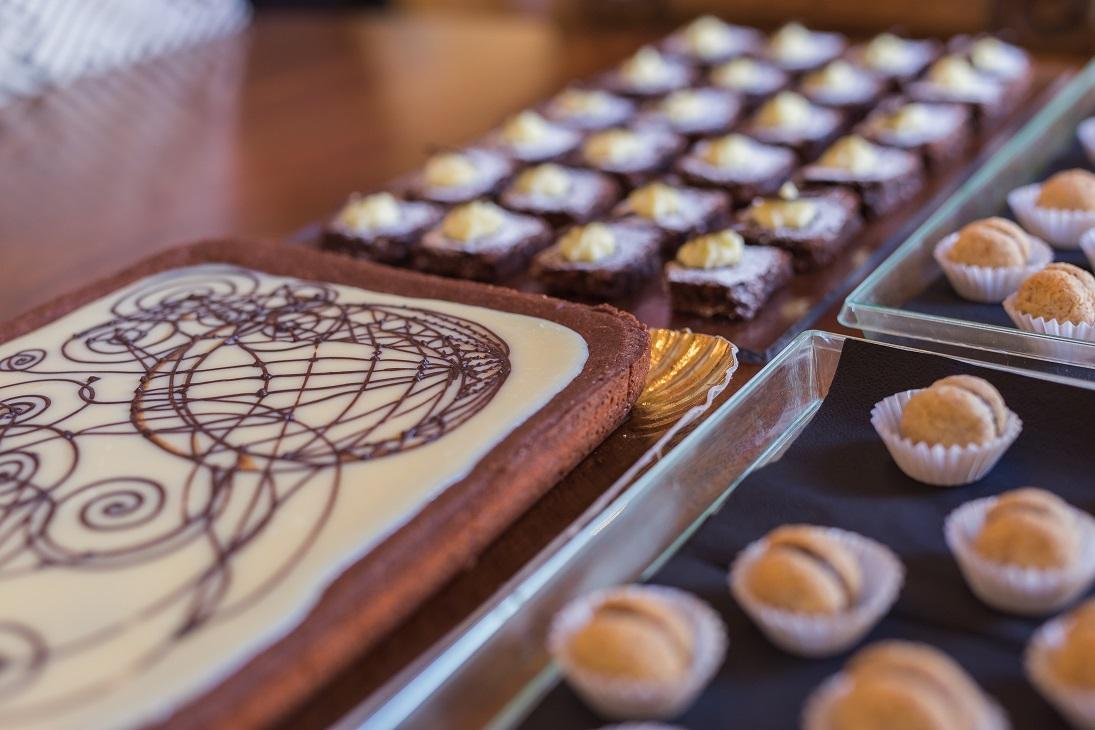
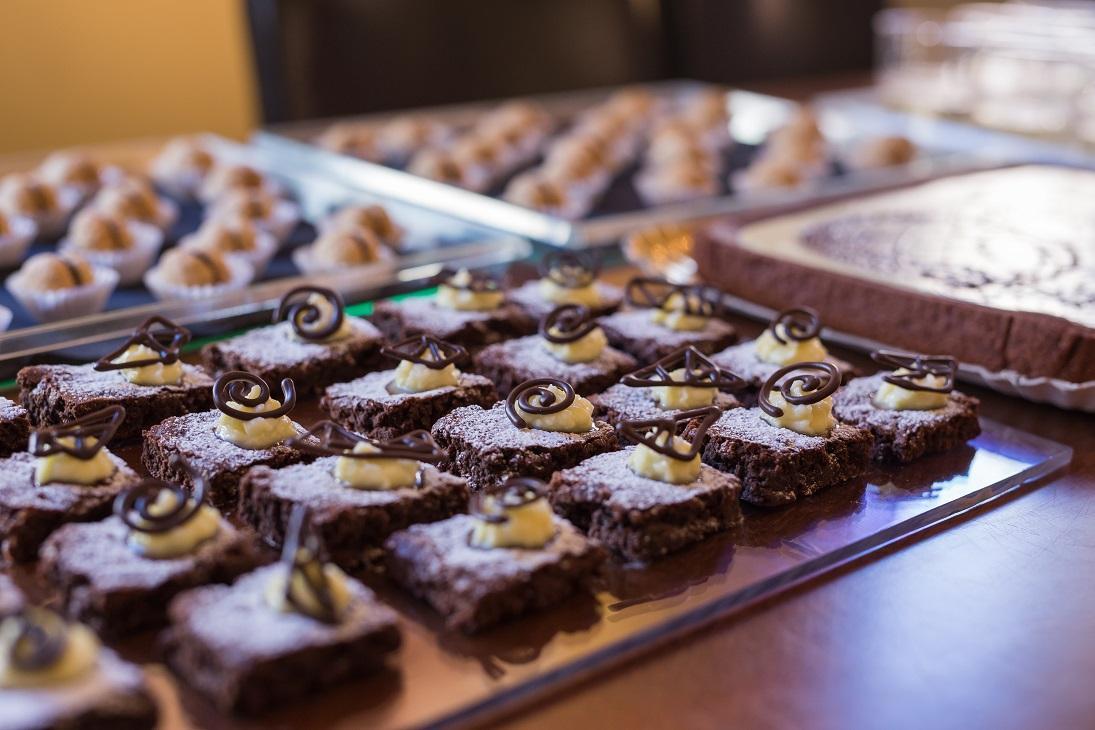
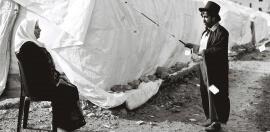
Omar Imam
Additional Info
-
Intoduction
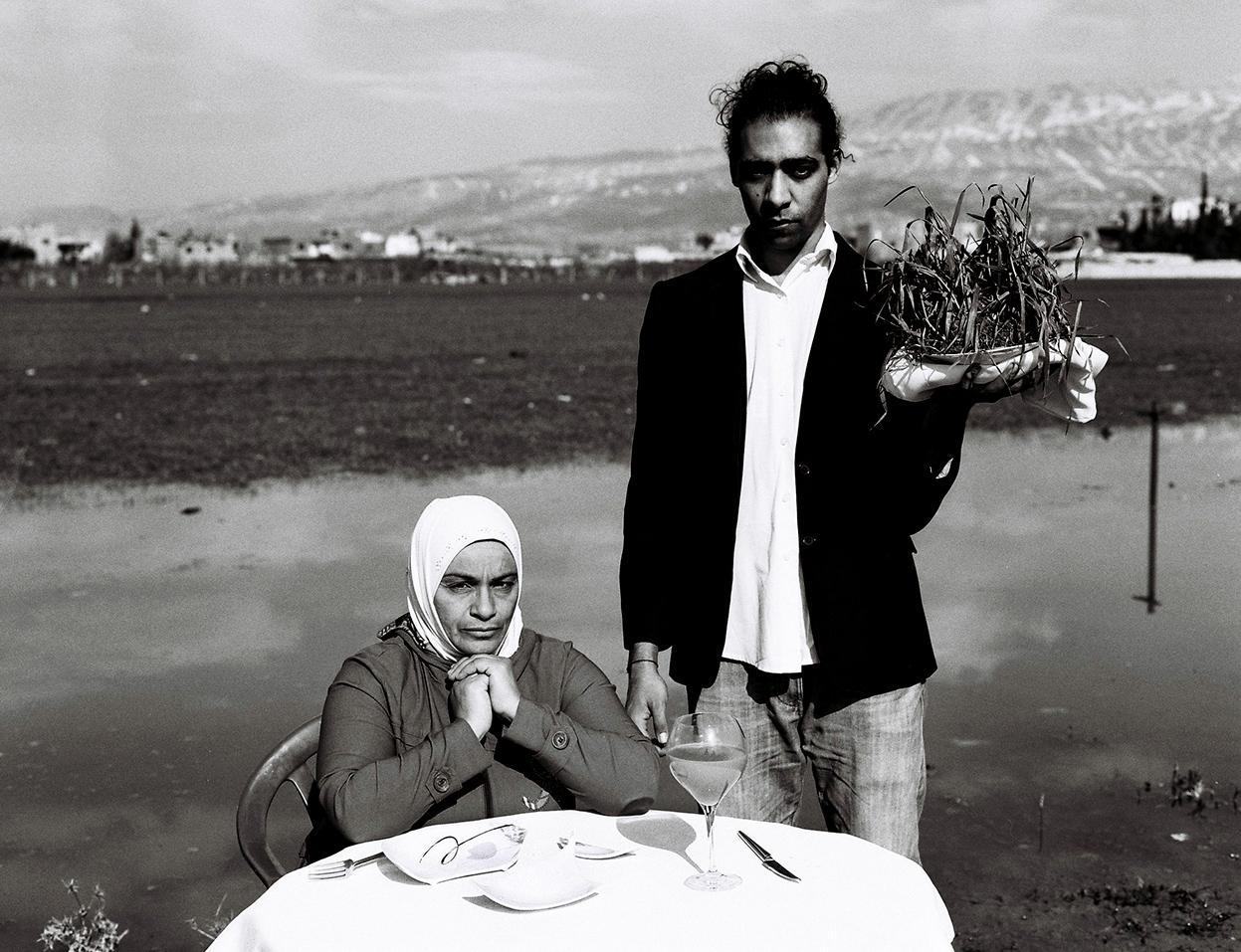
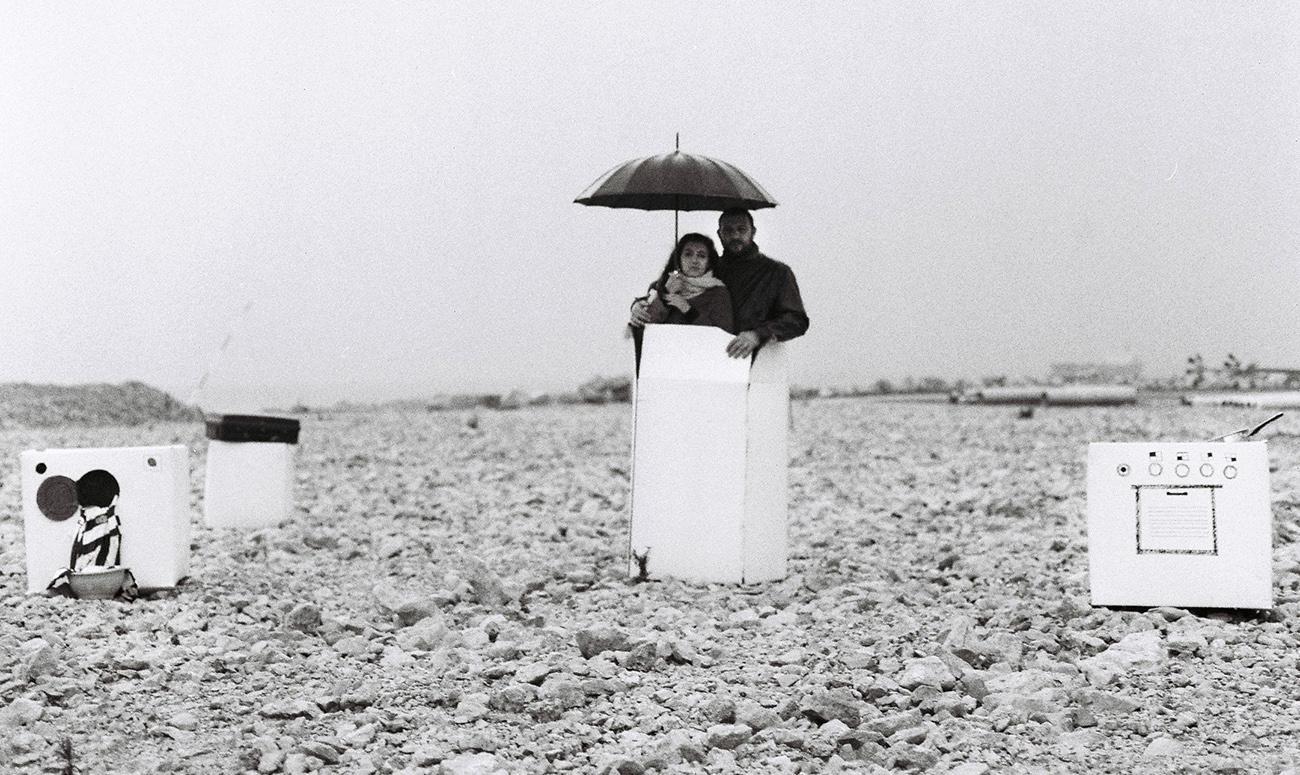
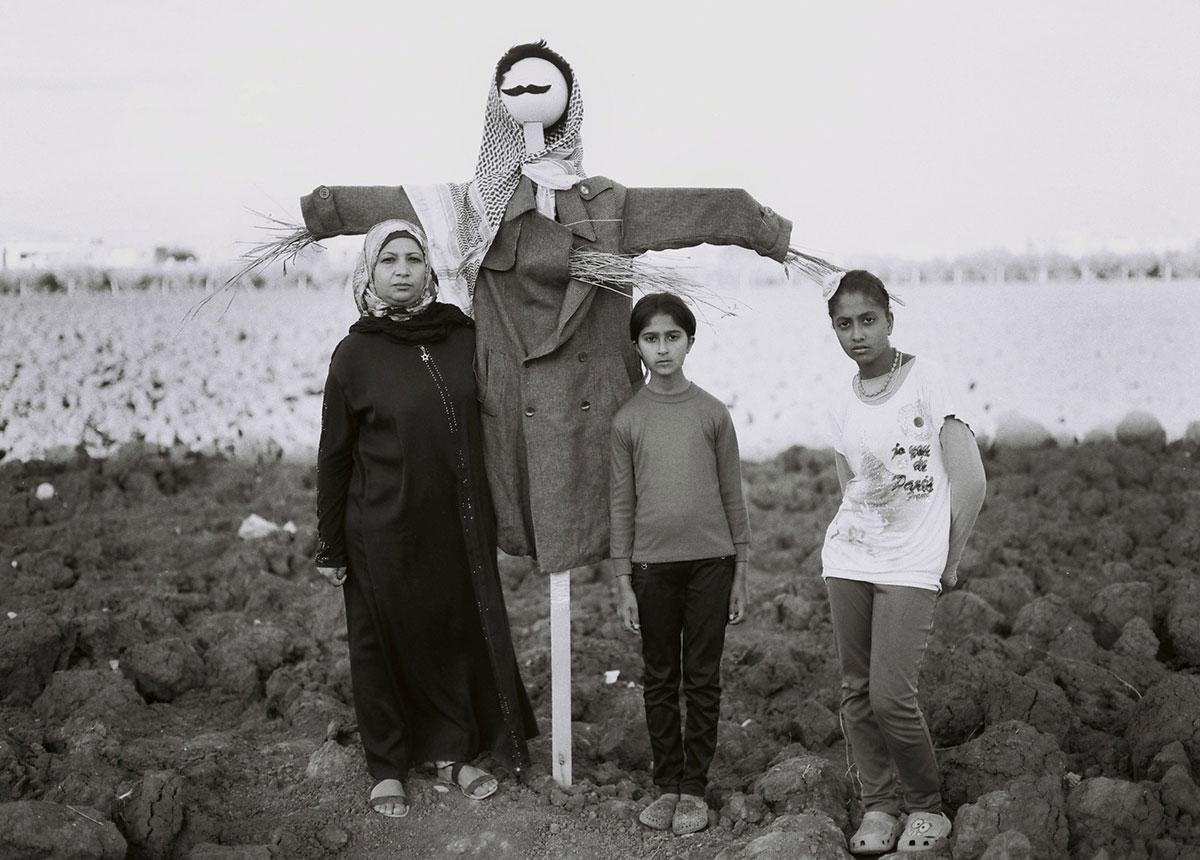
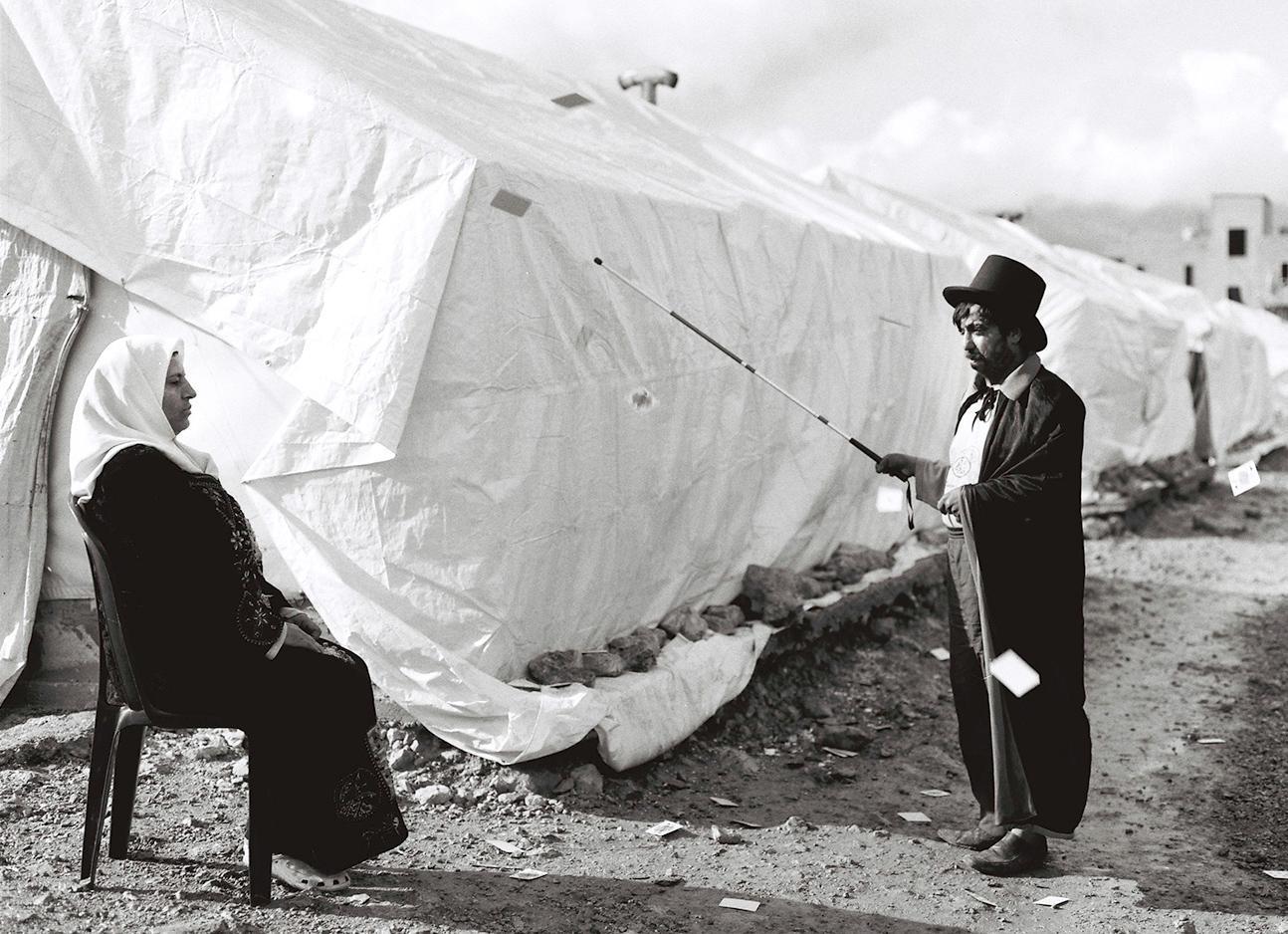
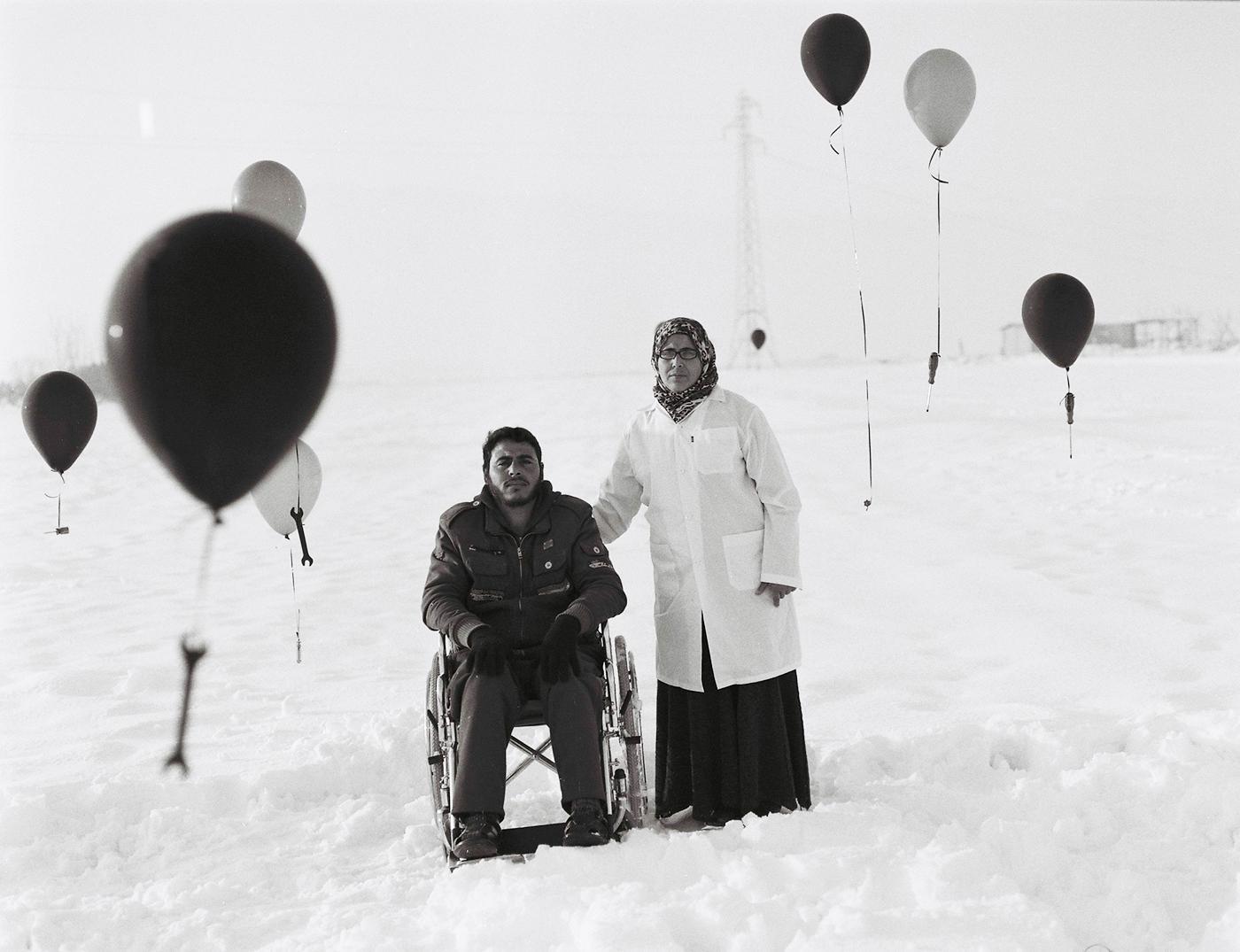
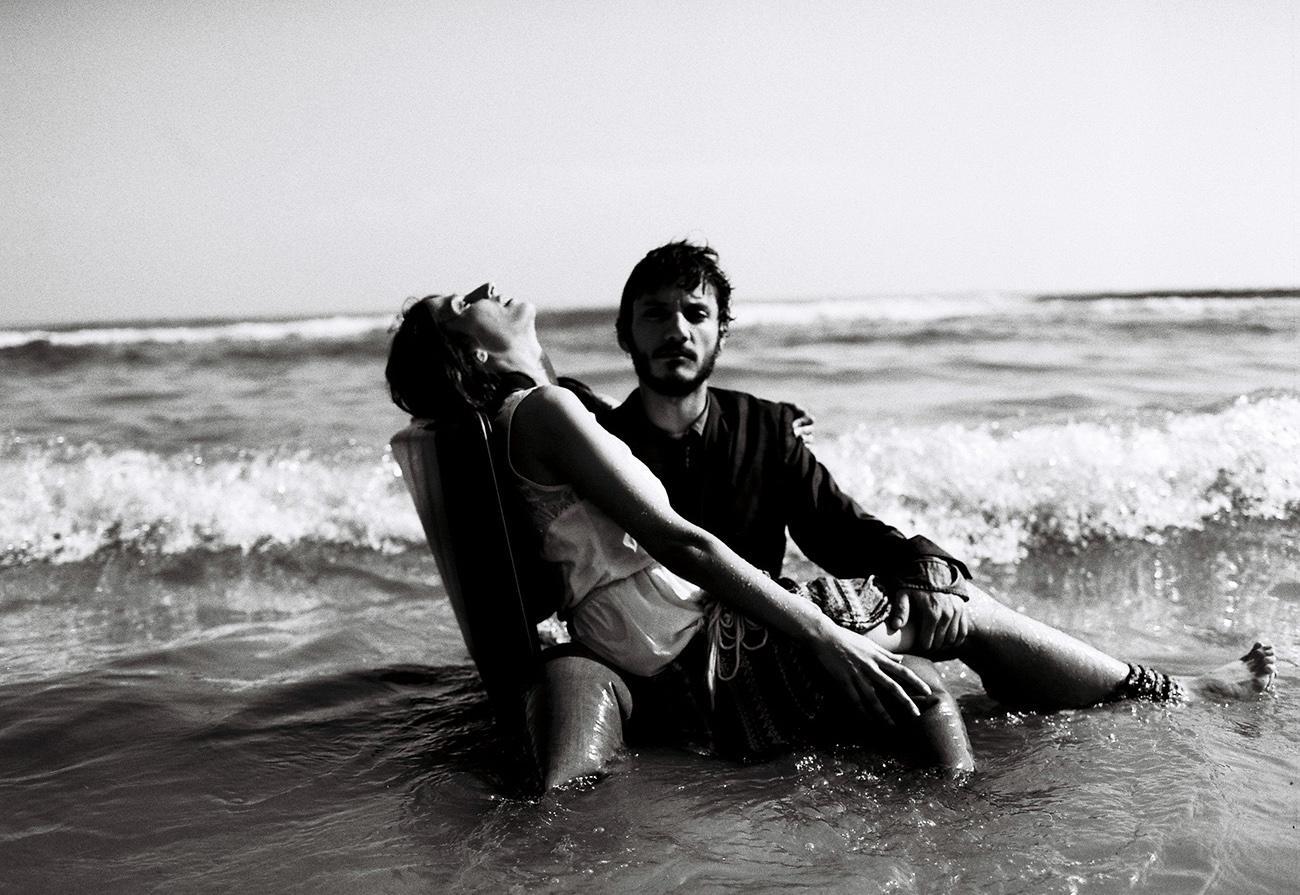
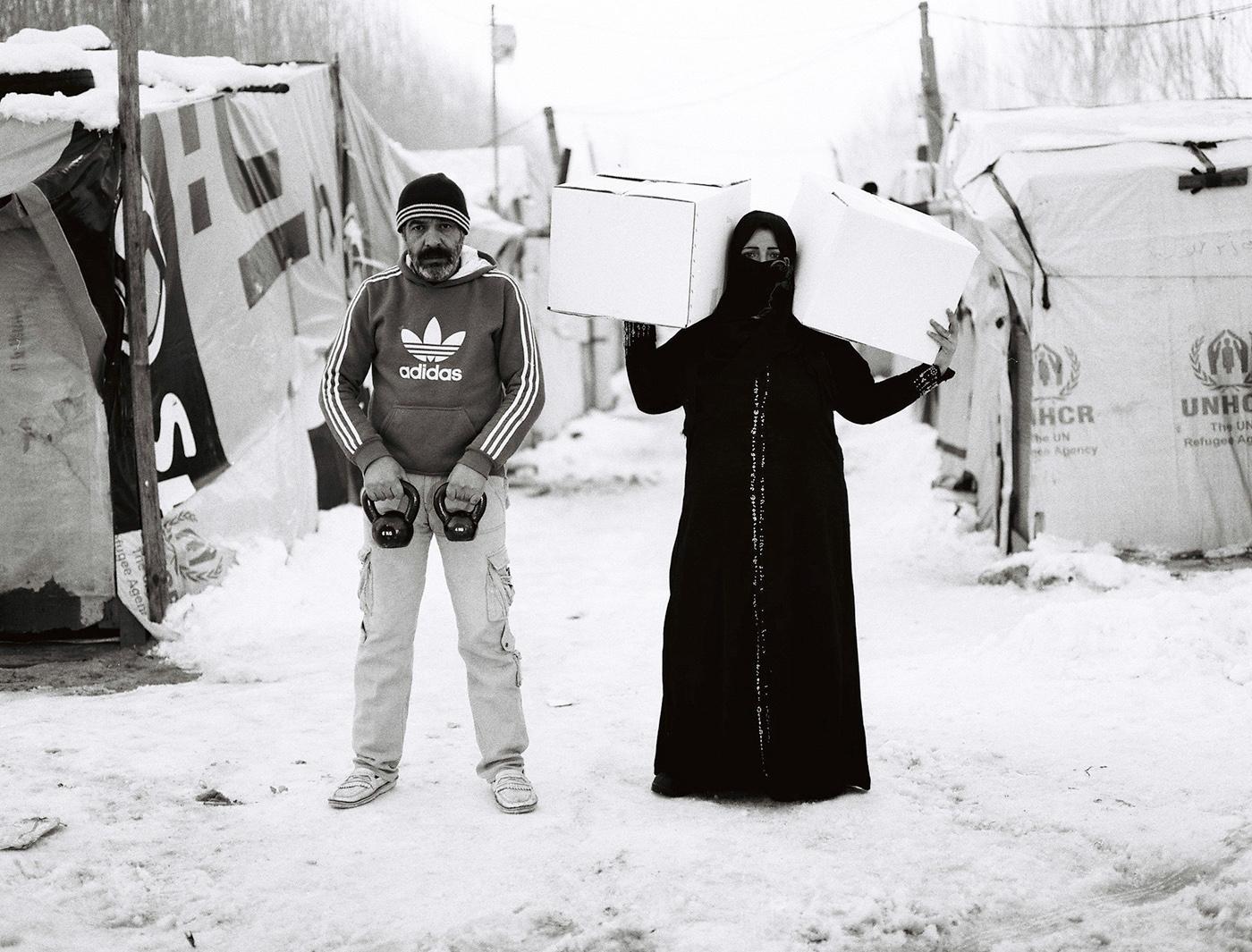
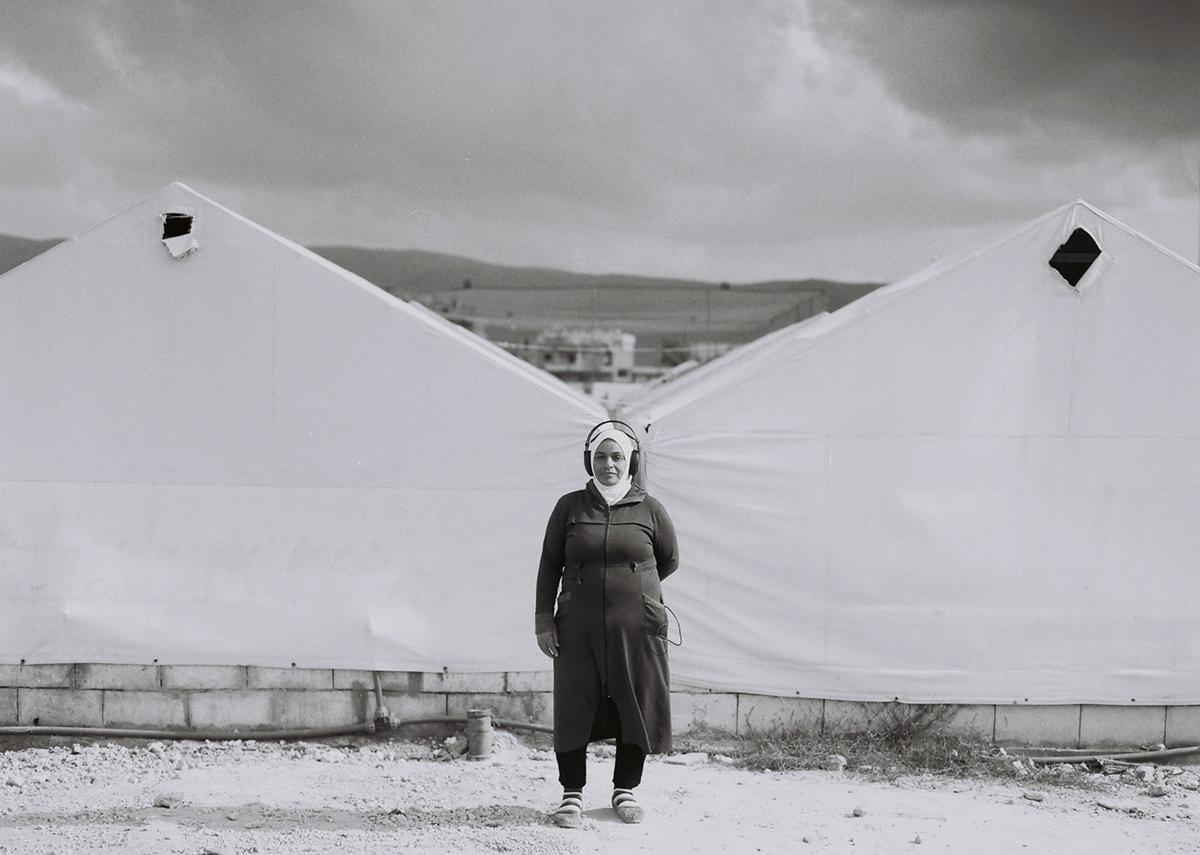
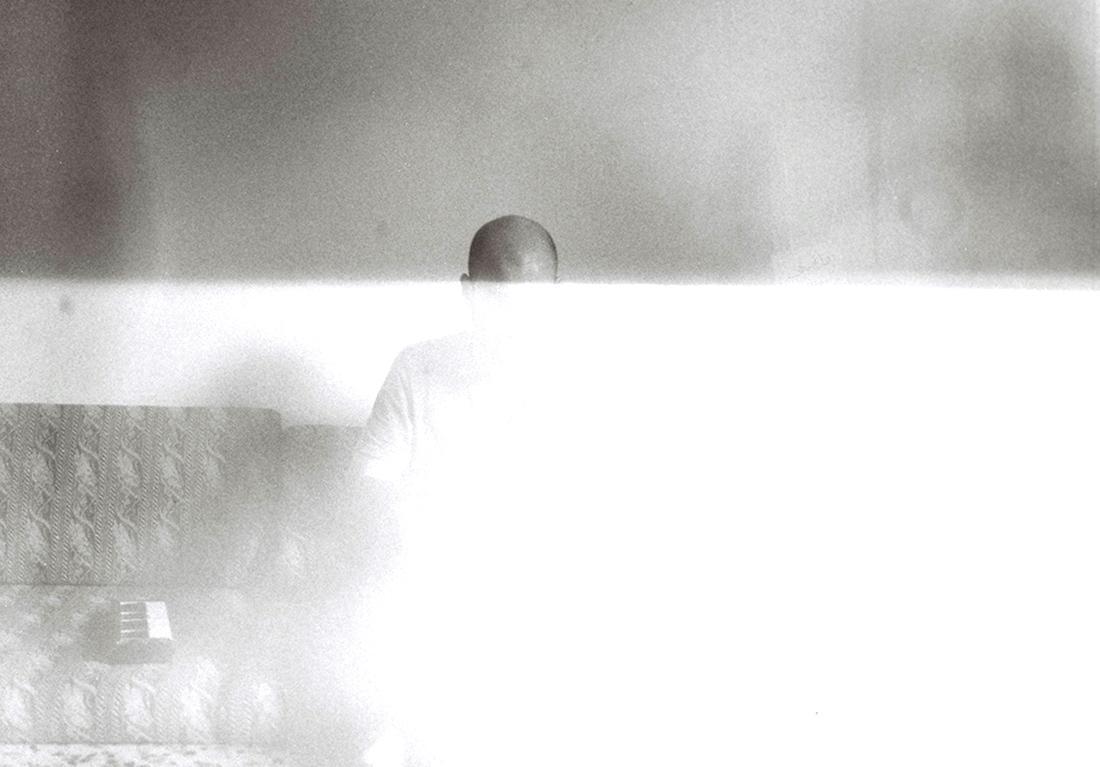
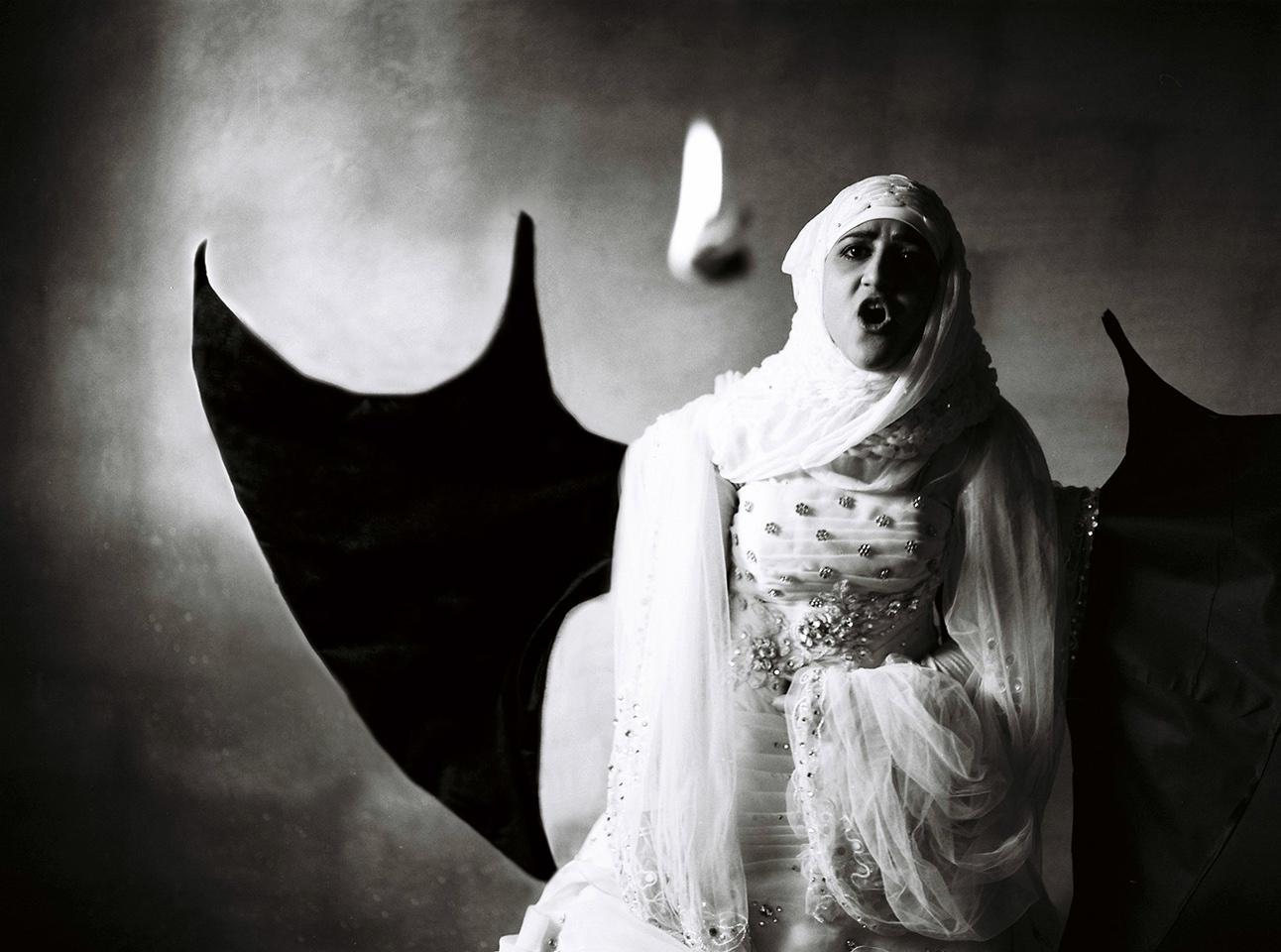
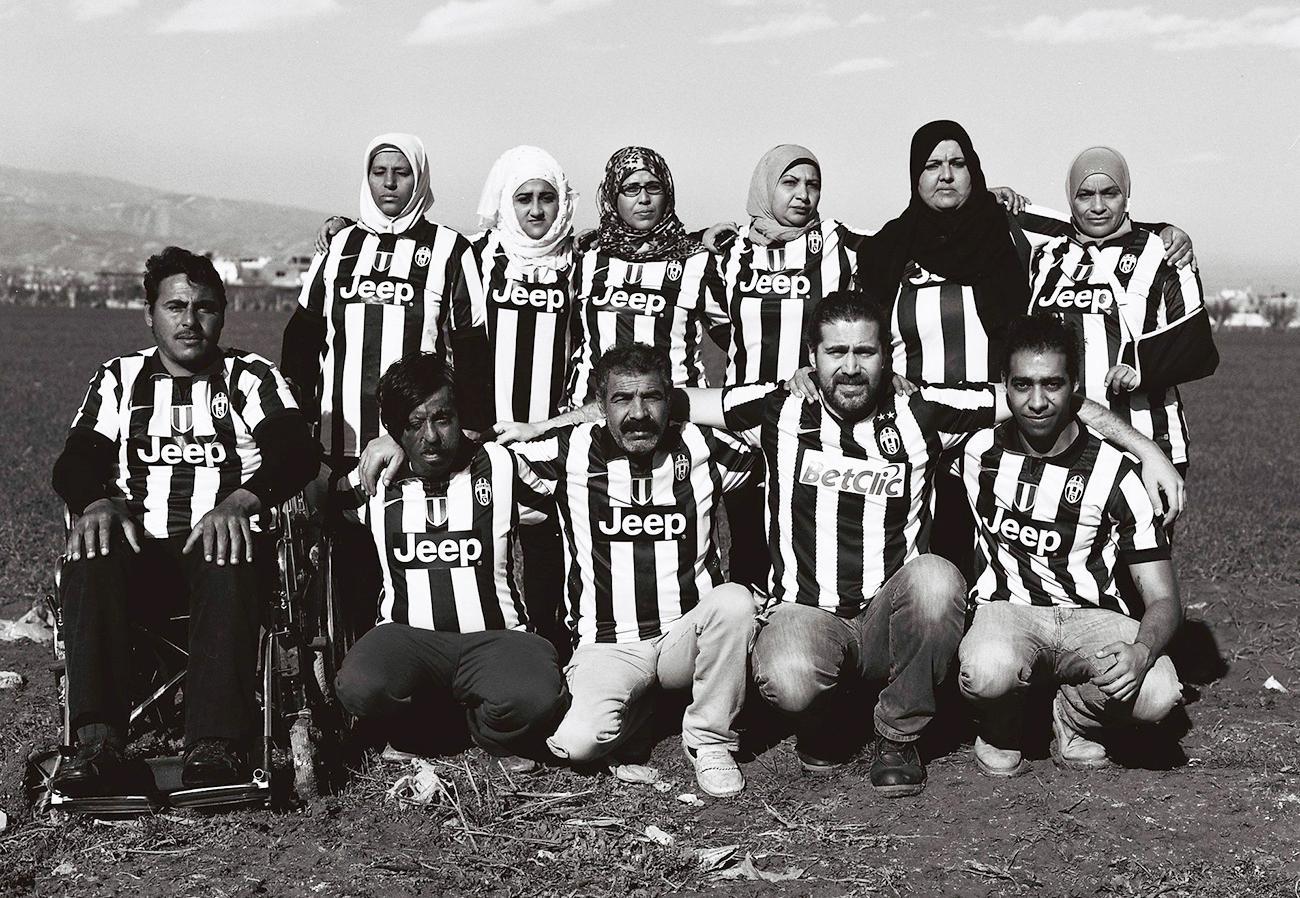
On the occasion of the International Festival 2016, from September 29 MLB Maria Livia Brunelli home gallery has managed to have in Ferrara a dozen works by Syrian photographer Omar Imam, protagonist of a service on the April issue of the International magazine and recently in the New York Times. The artist, who will be present in Ferrara at the opening of the exhibition, has made a series of photographs on Syrian refugees, they are portraits that represent their dreams. The project is a collection of surreal photos but with a deep and dramatic meaning. The exhibition will take place in two locations, at the MLB home gallery (in Corso Ercole d'Este 3) and at the Art Gallery Annunziata (in Piazza della Repubblica 5), until November 20th. The photos and videos of Omar Imam show the testimony of the lives marked by the conflict, without giving in easy sensationalism, but presenting touching intimate and minimal stories of the life of refugees.
Live, Love, Refugees turns down the normal representation of Syrian refugees, replacing numbers, reports, statistics, their fears and their deepest dreams. In the refugee camps in Lebanon, Omar Imam involves refugees in a process of catharsis and asks them to recreate their dreams: dreams of escape, dreams of love or hate. The result is symbolic and often surreal images, which evoke the deepest and darkest inner worlds of people who have lost their roots and who struggle daily for survival. “The people I met live nightmarish lives, but I have always understood in them the desire and the strength to continue living as human beings ".
Omar Imam is a Syrian photographer and director based in Amsterdam. Since 2003 he has been working on personal stories and social campaigns concerning Syria, using an ironic and conceptual approach as a reaction to violence, often publishing under a pseudonym. He worked on personal projects and for NGOs, producing films, reports, and workshops dedicated to Syrian refugees. His images were recently published in the April 2016 issue of Internazionale and in July 2016 in the "New York Times", and the exhibition "Live, Love, Refugees" after New York, Istanbul and Florence is now coming to Ferrara. -
Exhibited Works
-
Title
Title
-
Title
Title
-
Title
Title
-
Title
Title
-
Title
Title
-
Title
Title
-
Title
Title
-
Title
Title
-
Title
Title
-
Title
Title
-
Title
Title
View the embedded image gallery online at:
https://www.mlbgallery.com/en/events/itemlist?start=126#sigProId915d2ccf01 -
Stefano Bombardieri
Additional Info
-
Intoduction
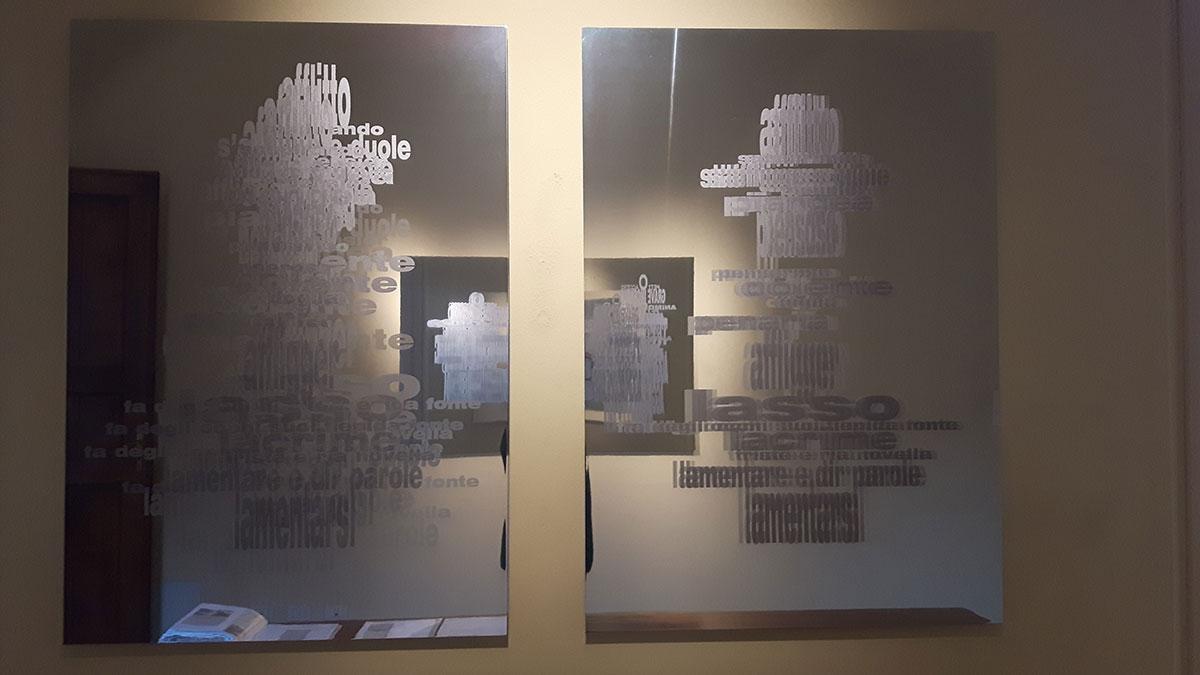
On the occasion of the five hundredth anniversary of the publication of the "Orlando Furioso" by Ludovico Ariosto, Ferrara, the city that hosted the great scholar of the sixteenth century at the court of the Estensi, dedicated a series of initiatives to him. Among these, the important exhibition at Palazzo dei Diamanti, "Orlando Furioso. 500 years. What he saw Ariosto when he closed his eyes ", which opens on September 23rd. In conjunction with this event, the MLB Maria Livia Brunelli home gallery has asked some artists to confront the reading of the poem, to deepen an aspect of it that everyone felt strongly linked to their own poetics.
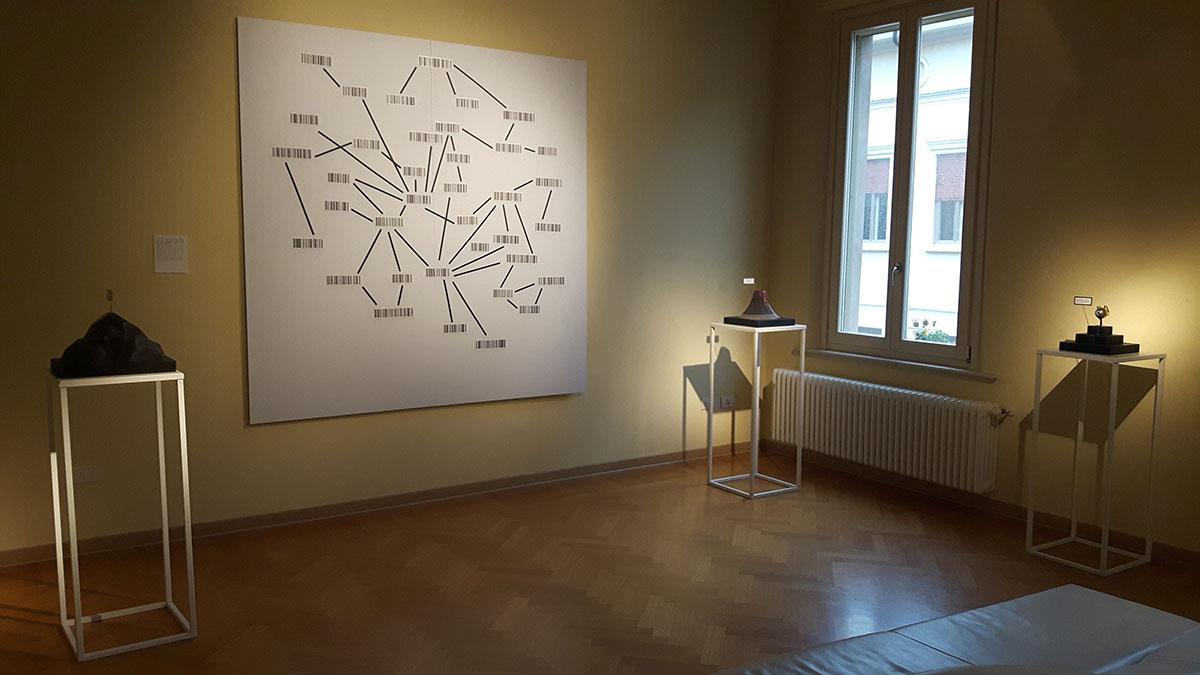
After Giovanna Ricotta, presented at the same time as the MAMbo of Bologna and the MLB, where her exhibition will end on 18 September, from September 23rd the Brescia artist Stefano Bombardieri will update this kaleidoscopic and surreal poem. Stefano Bombardieri, who in 2009 had enchanted citizens and tourists with the rhinoceros hanging on the Rotonda Foschini of the Teatro Comunale di Ferrara, he was then protagonist of the spectacular urban exhibition of invading art "The Faunal Countdown" in 2010, populating with animals in danger of extinction, life size, the historical center of the Este city: tigers, gorillas, hippos and elephants scattered throughout the city from discover via an exciting urban safari.
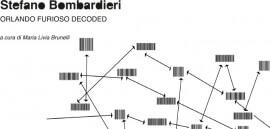
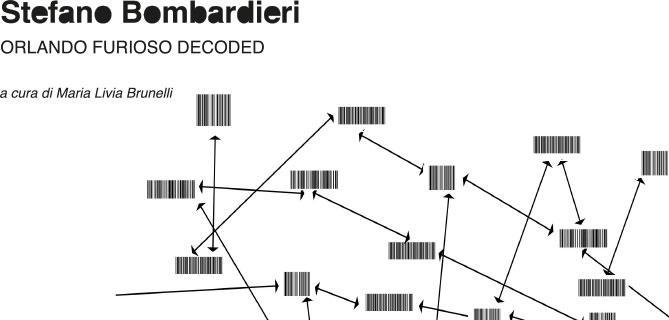
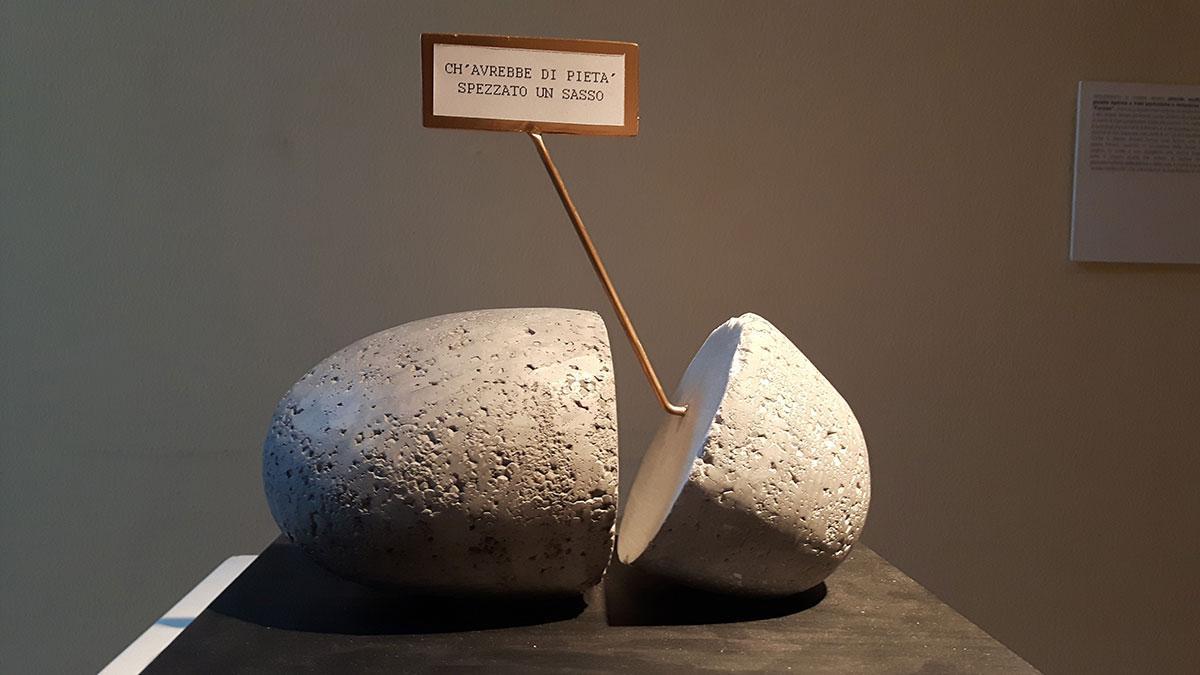
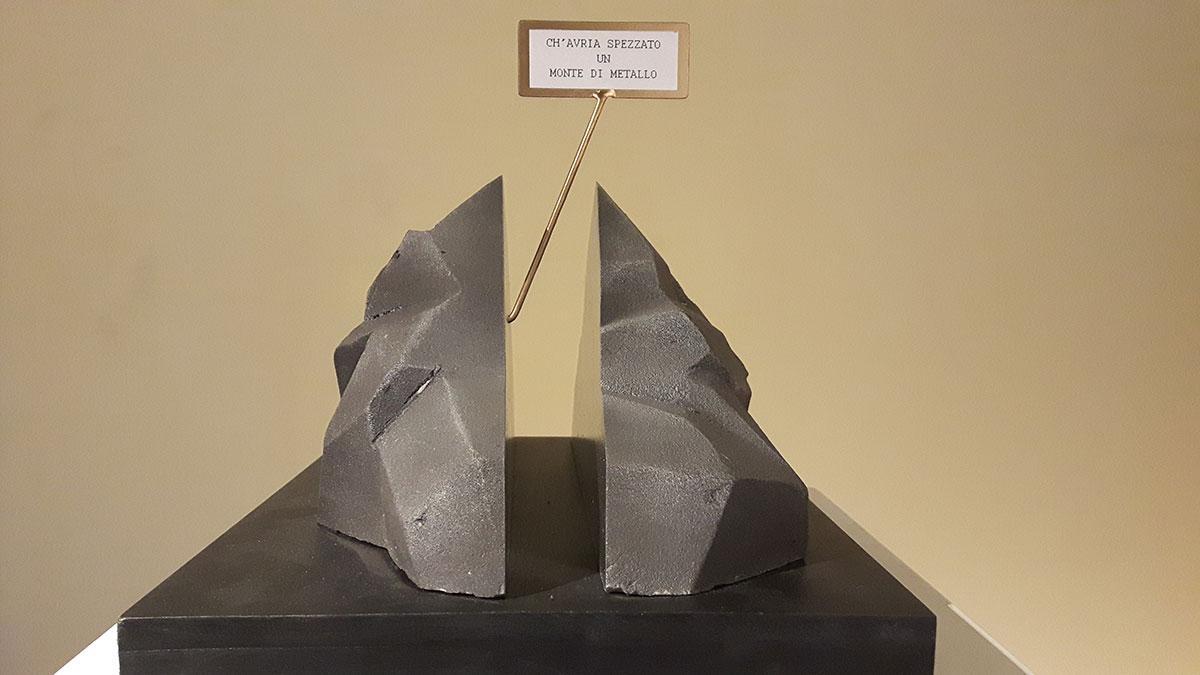
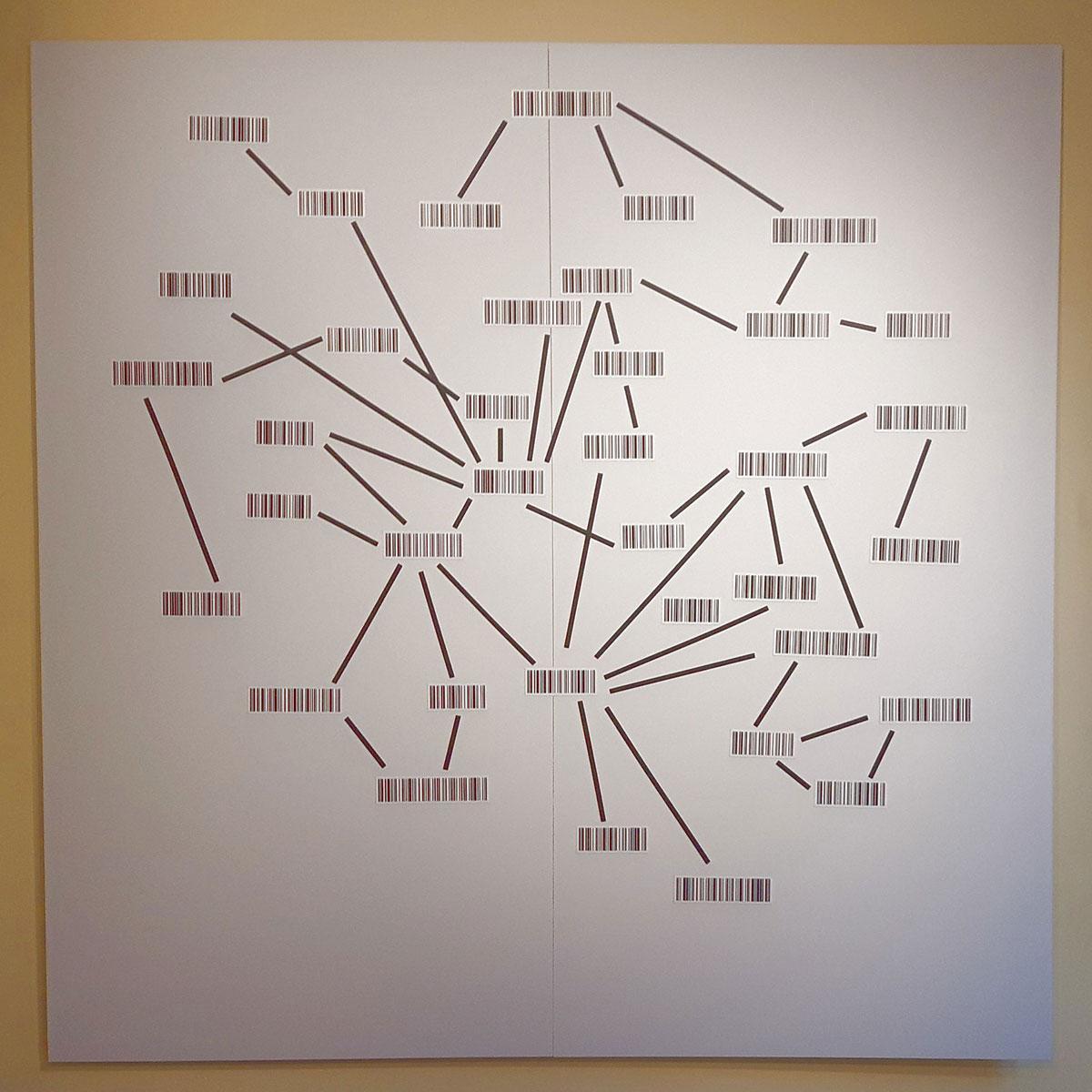
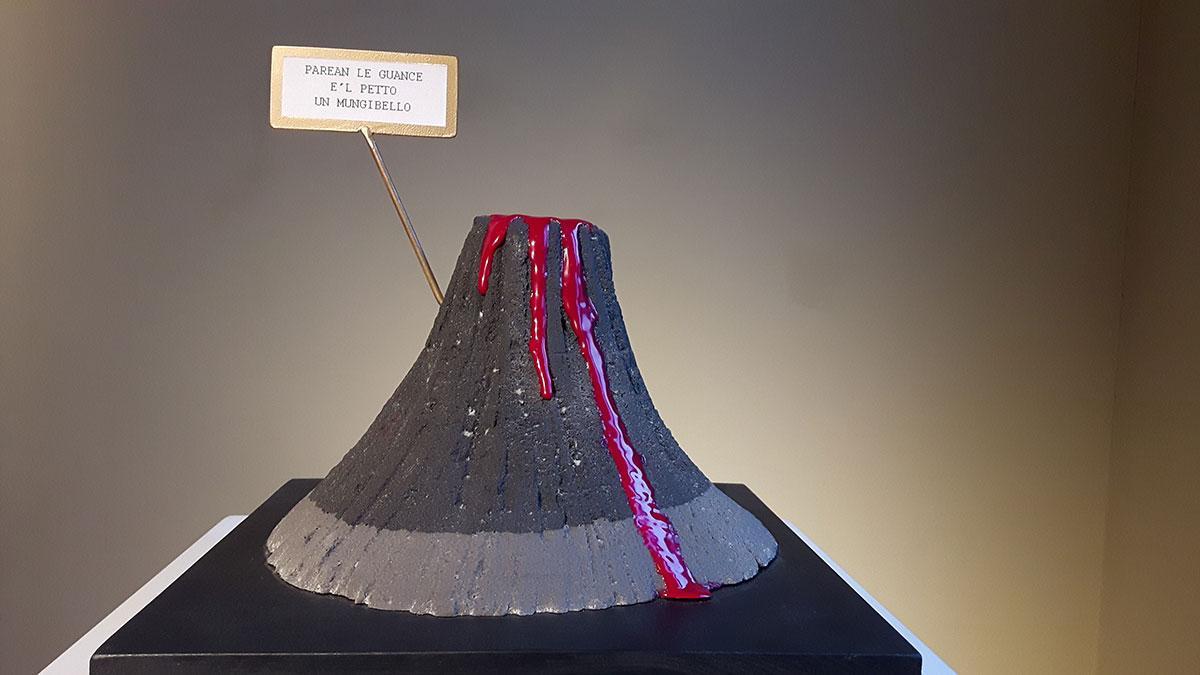
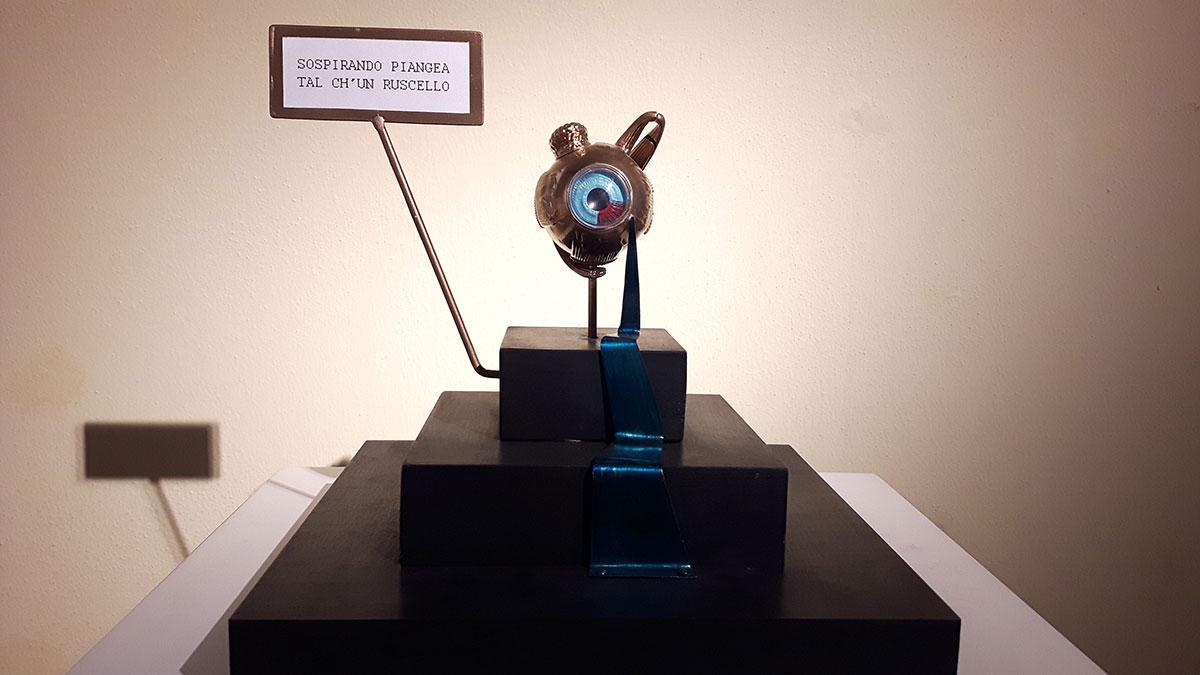
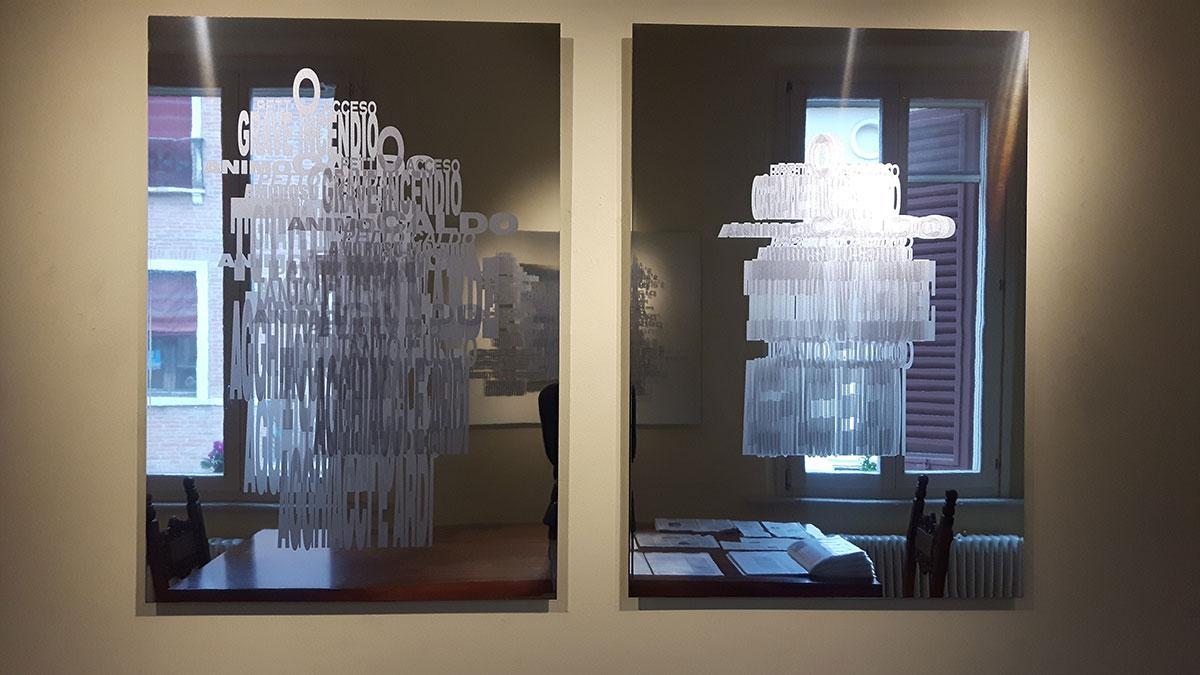
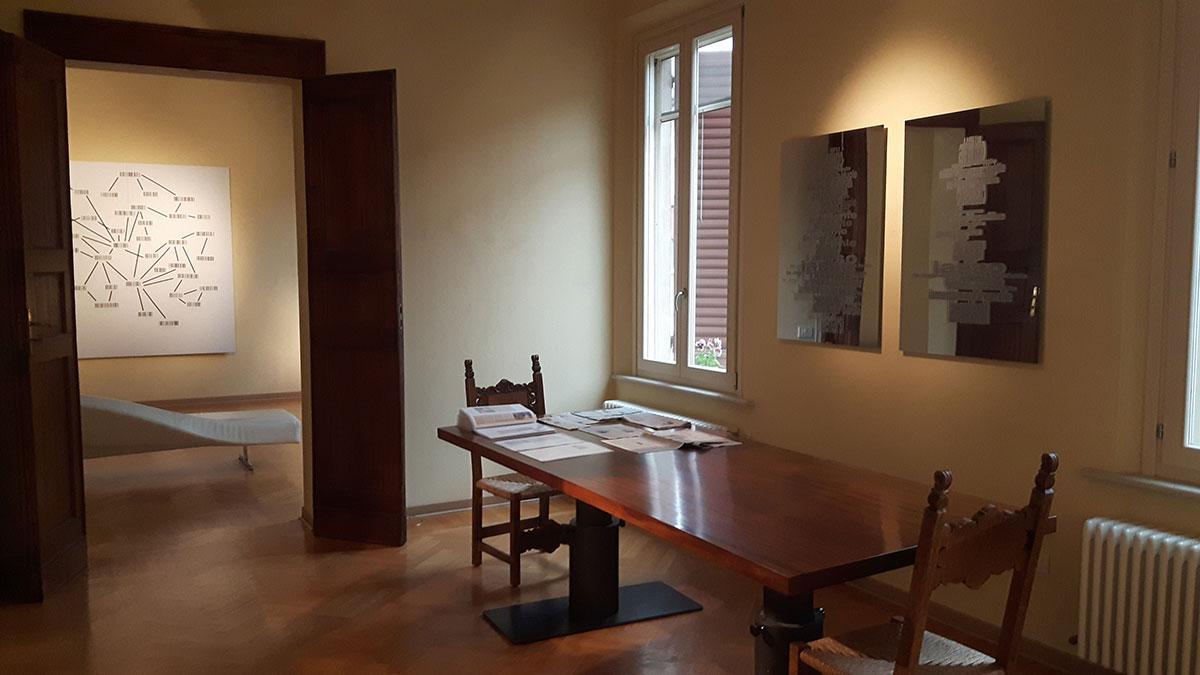
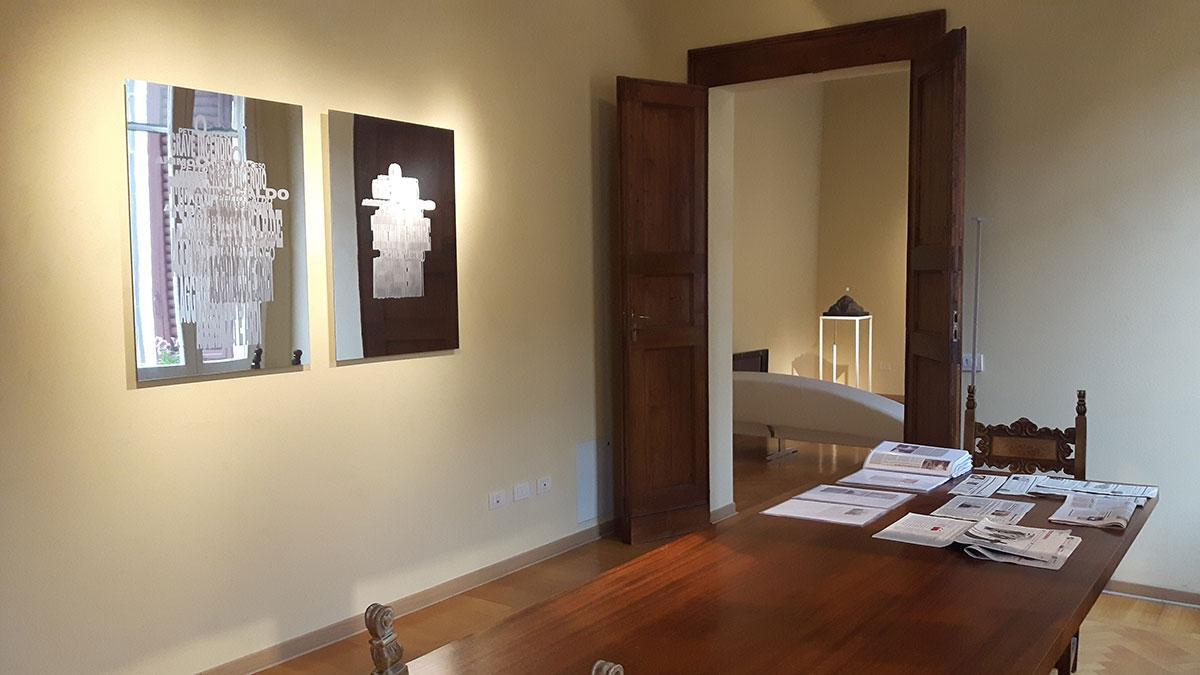
Now Bombardieri will surprise the public with a totally new and quite different work: each visitor will have to use a normal app that reads the barcodes to go to the discovery of the countless characters of the various episodes of the "Orlando Furioso" , in a fascinating journey through time that highlights the complex plot of the poem. Enrich the exhibition some small sculptures-jewel inspired by hyperbolic and imaginative phrases of the "Furioso" , that can’t fail to inspire an ironic and at the same time profound artist like Stefano Bombardieri. The exhibition already enjoys the patronage of the National Committee for the celebrations of the V Centenary for the celebrations of the "Orlando Furioso". -
Exhibited Works
View the embedded image gallery online at:
https://www.mlbgallery.com/en/events/itemlist?start=126#sigProId979eaa41e4 -
Exhibition Set Up
View the embedded image gallery online at:
https://www.mlbgallery.com/en/events/itemlist?start=126#sigProId4675c30436 -
Invitation to the vernissage
Marco Di Giovanni
Additional Info
-
Intoduction
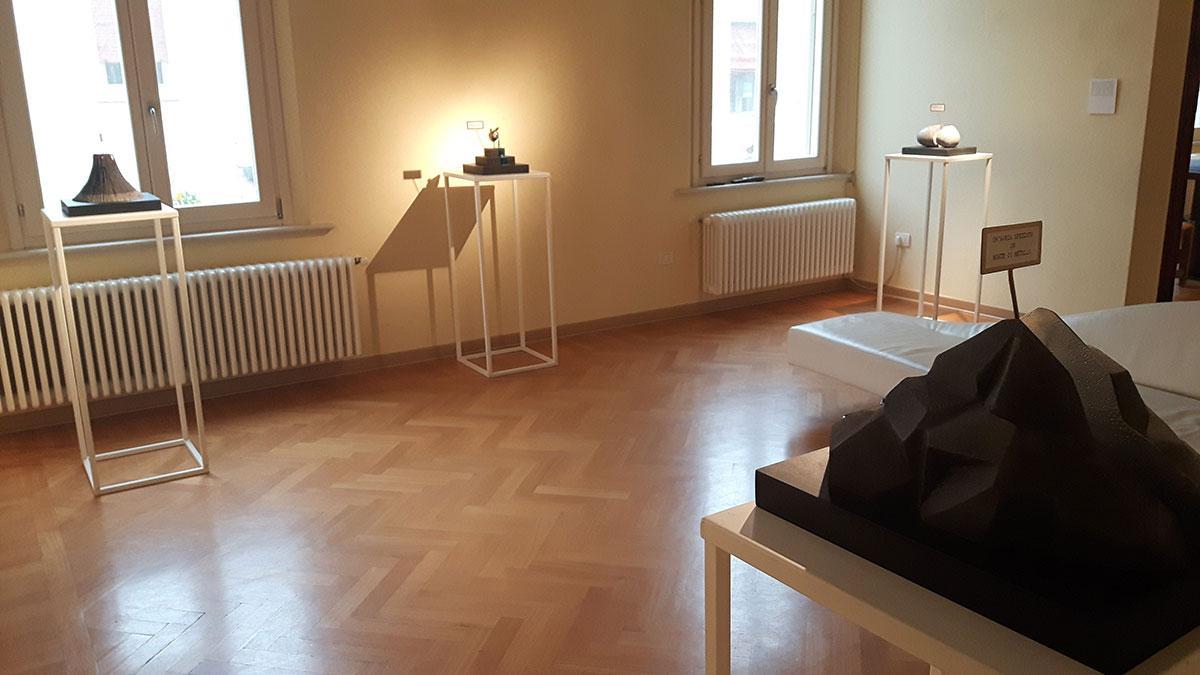
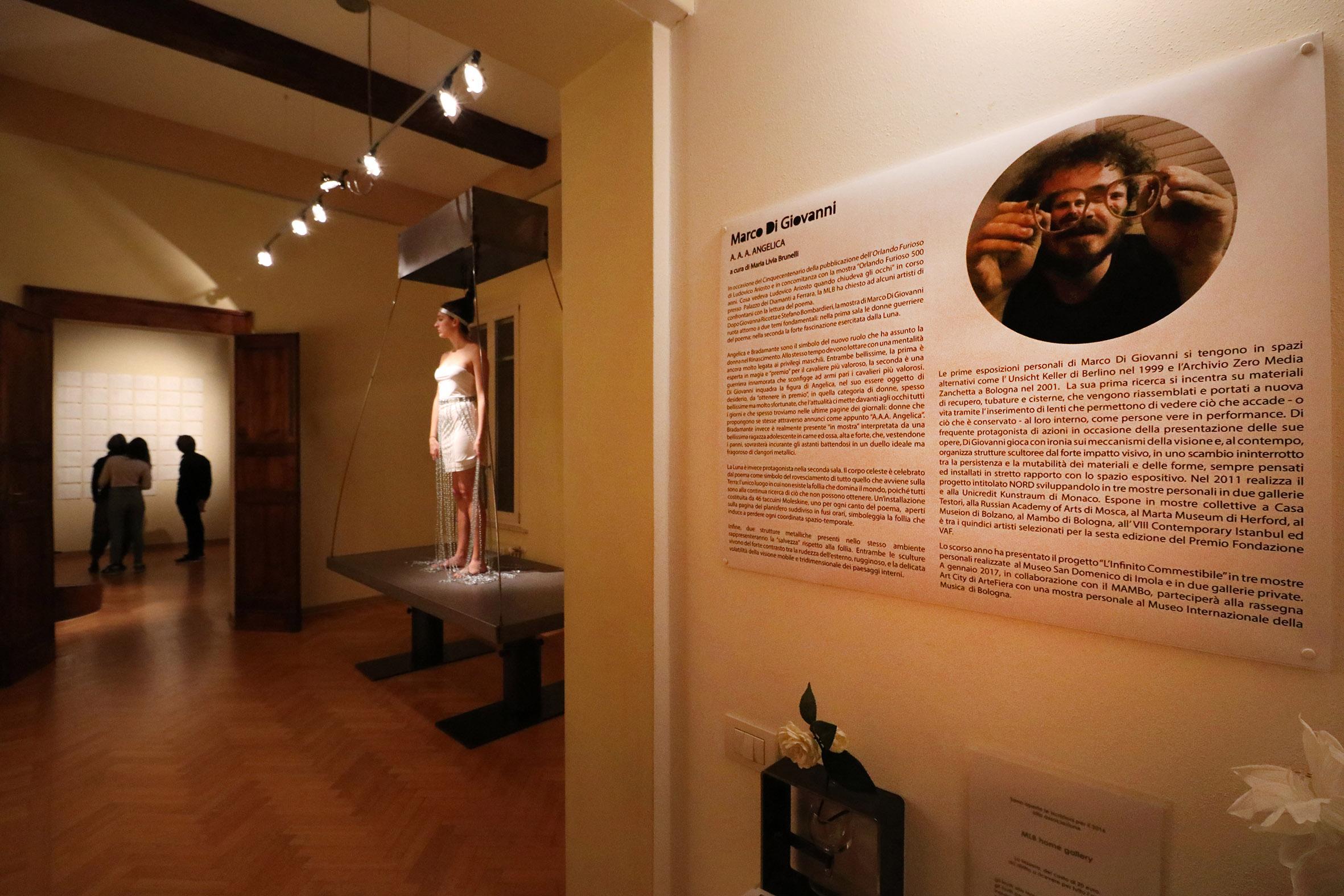
On the occasion of the fiftieth anniversary of the publication of the "Orlando Furioso" by Ludovico Ariosto, concurrent with the important exhibition of Palazzo dei Diamanti, the MLB Maria Livia Brunelli asked some artists to compare themselves with the reading of the poem, to deepen an aspect of it that everyone felt strongly linked to their own poetics. After Giovanna Ricotta and Stefano Bombardieri, the exhibition concludes with Marco Di Giovanni, who created a suggestive and poetic exhibition that does not fail to amaze and excite visitors.
The exhibition project revolves around two fundamental themes: in the first room the warrior women of the poem; in the second the strong fascination exerted by the Moon.
Angelica and Bradamante are the symbol of the new role that the woman assumed in the Renaissance, but at the same time they have to fight with a mentality still very much linked to male privileges: both beautiful, the first is expert in magic and destined as a wife to the most valiant knight, the second is a loving warrior who defeats the most valiant knights.
Di Giovanni frames the figure of Angelica, in his being the object of desire to be awarded as a prize, in that category of women, often beautiful but very unlucky, that the actuality shows us every day by reading the pages of newspapers, those women who propose themselves through ads like "AAA Angelica ". Di Giovanni contacted them starting from those ads, and asked them to pose for a portrait, recalling the tradition of the pictorial nude that in more modest centuries has often seen women used as models. An apparently irreverent operation, that in reality is fully "cortese" in the medieval meaning of the term, because it ennobles the woman until she becomes a woman-angel, giving the impression, says the artist, of "fading elusive and liquid, referring to the fact that one of Angelica's tricks to escape his contenders is to become transparent".
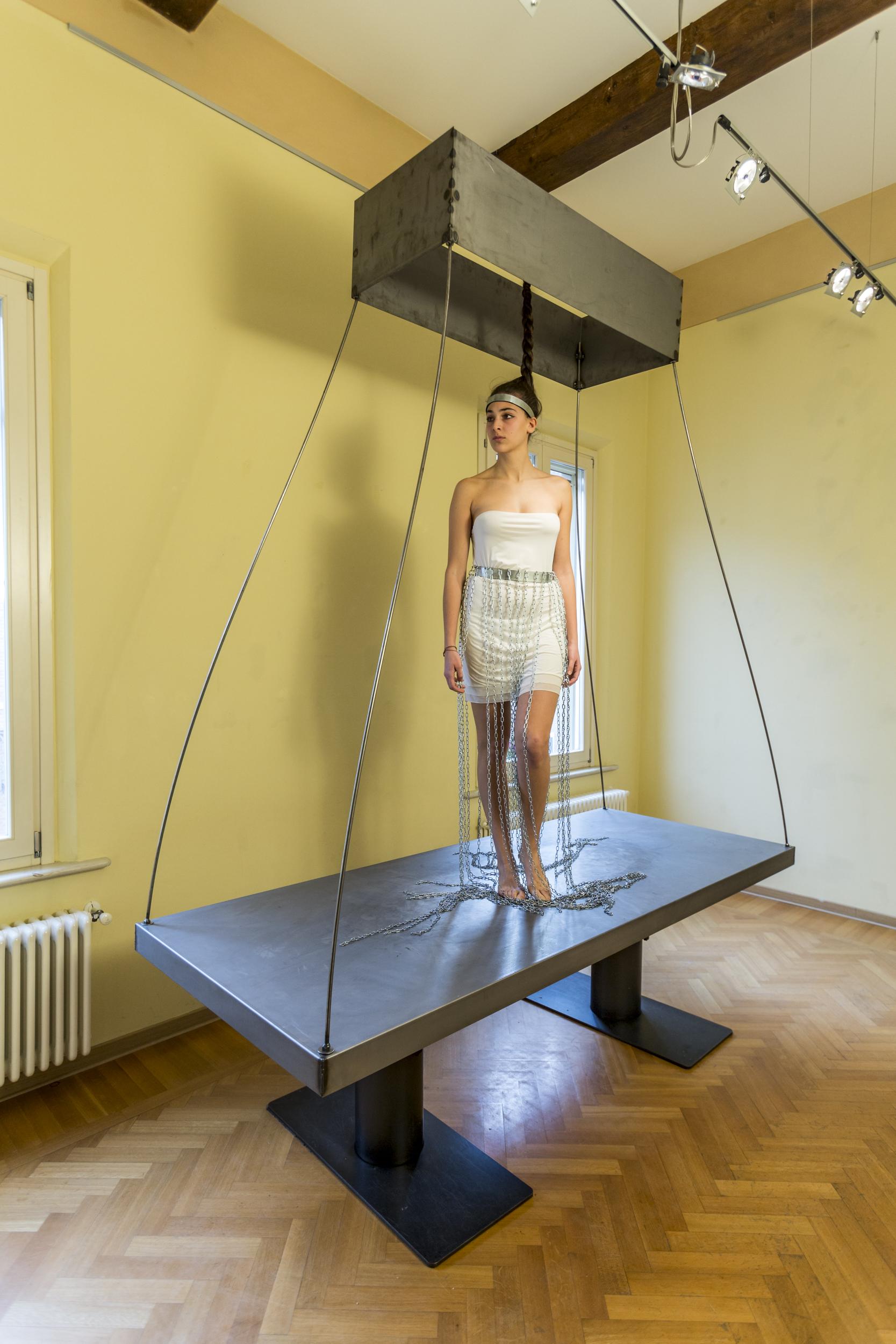
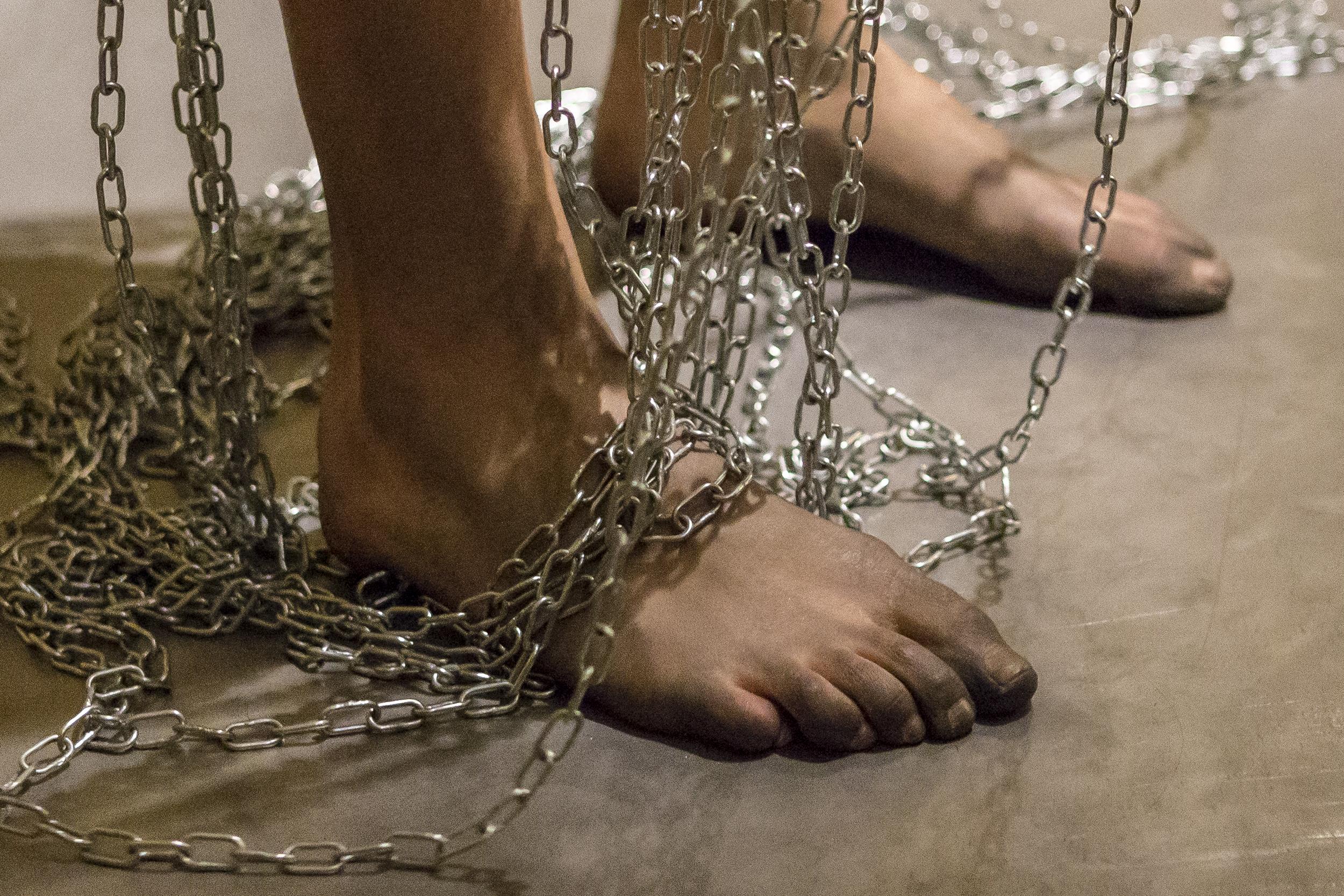
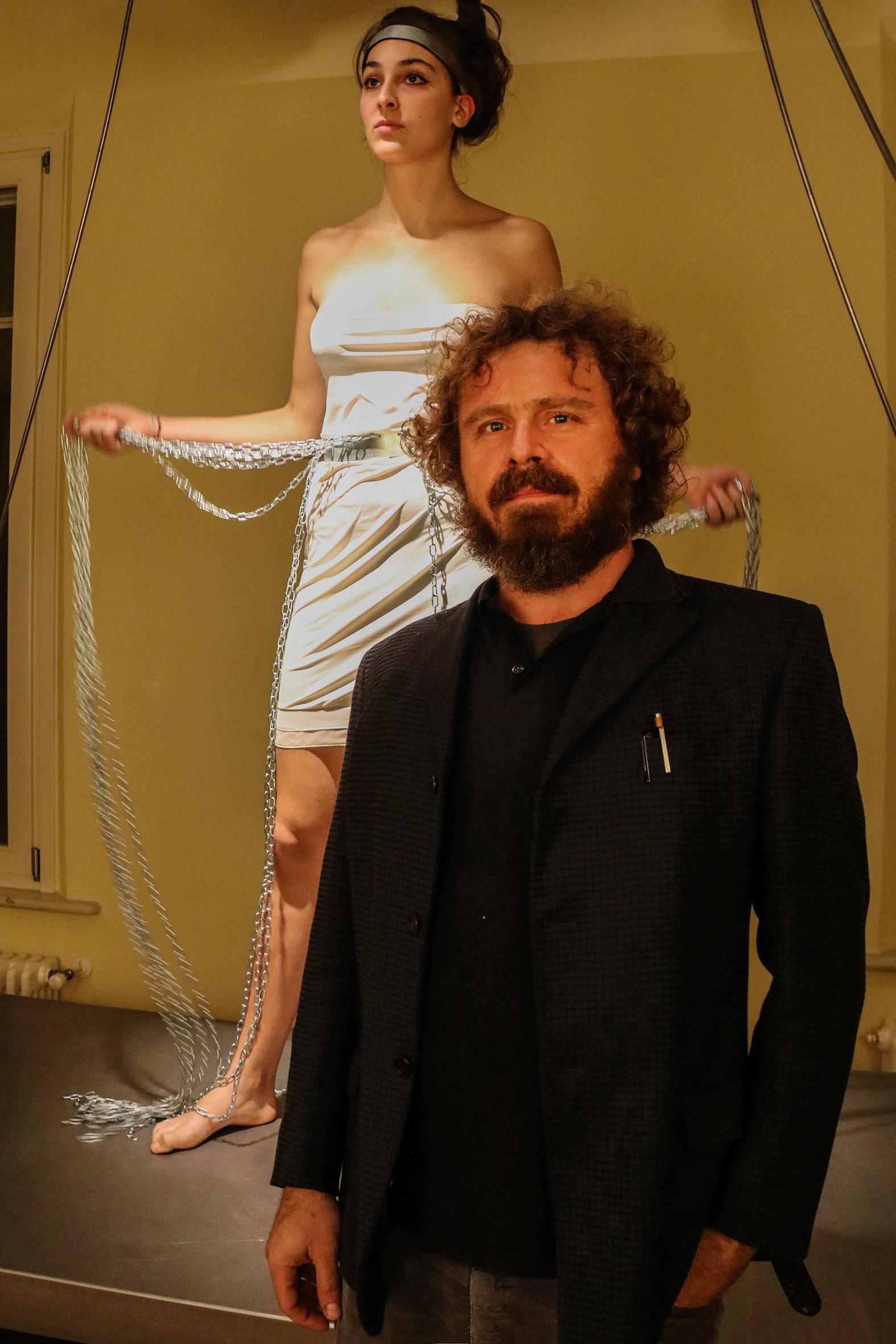
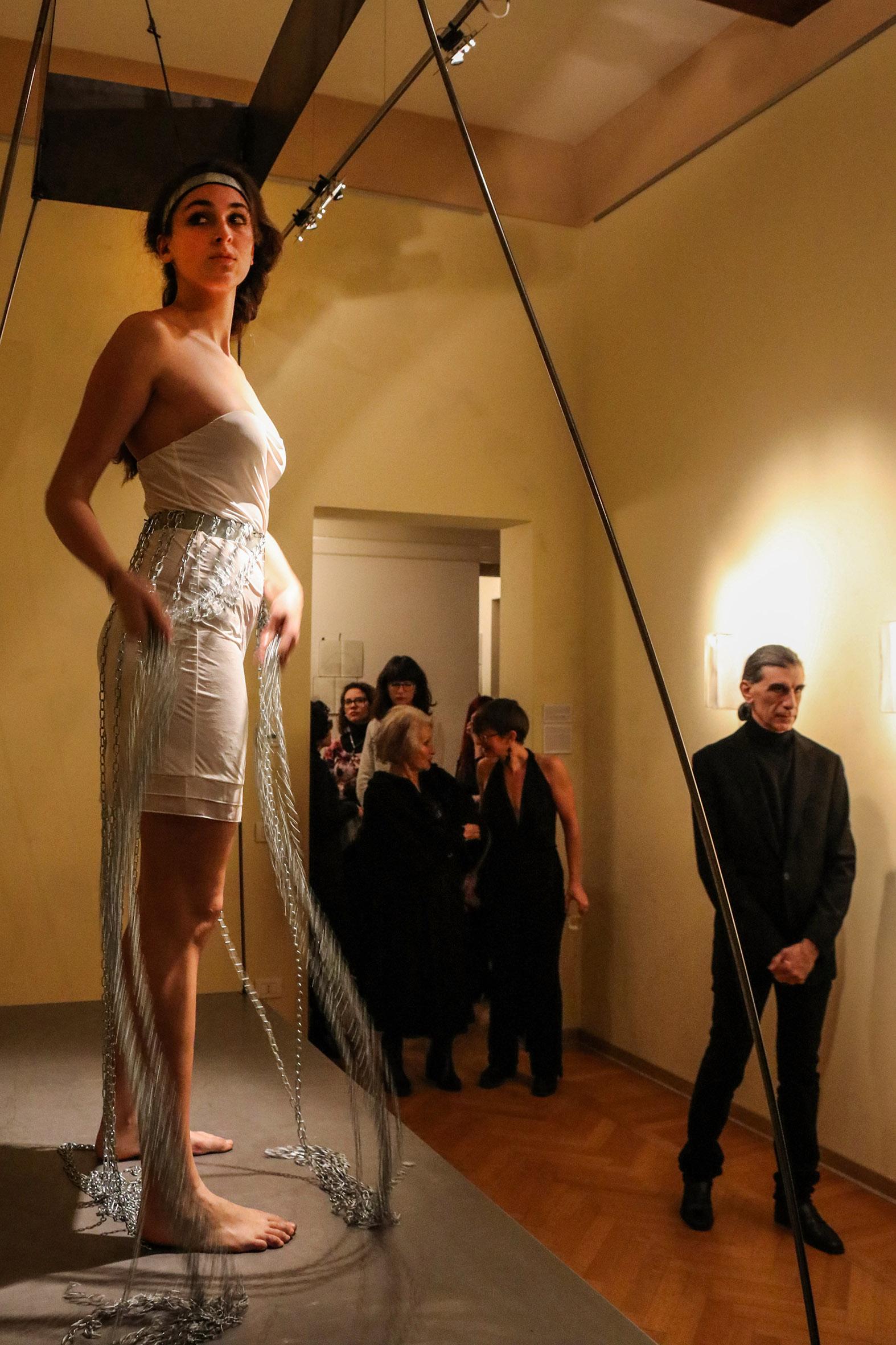
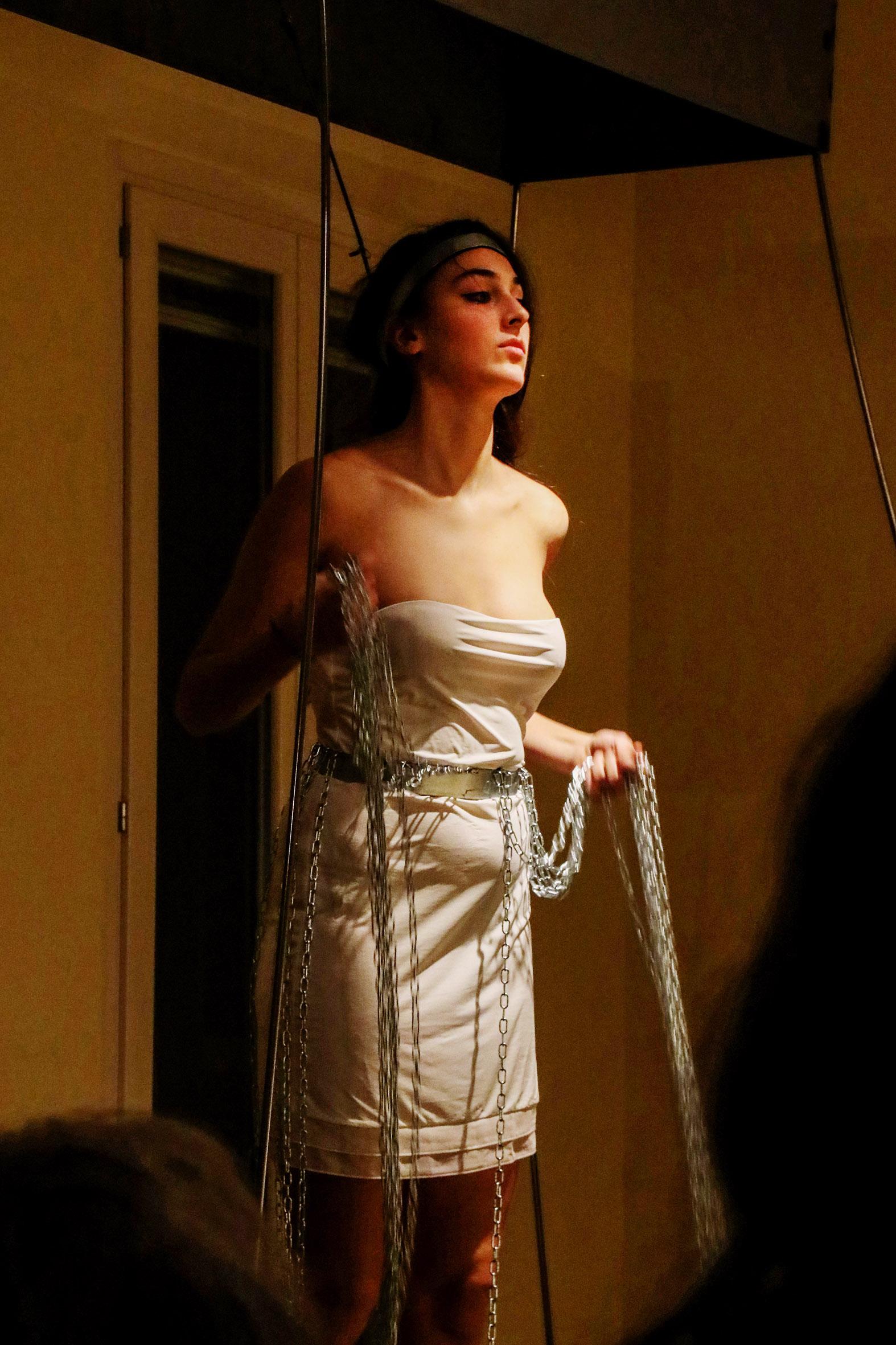
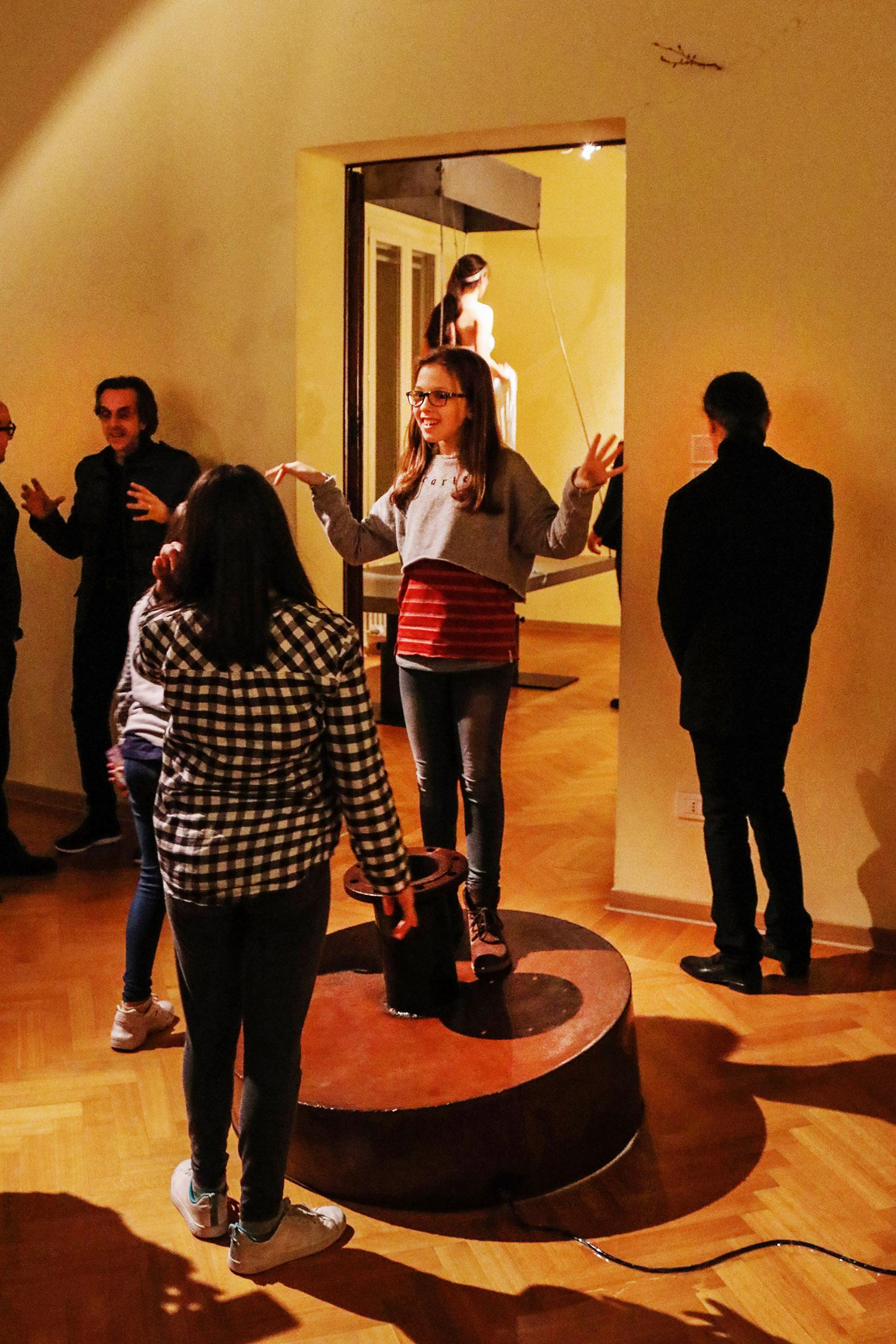
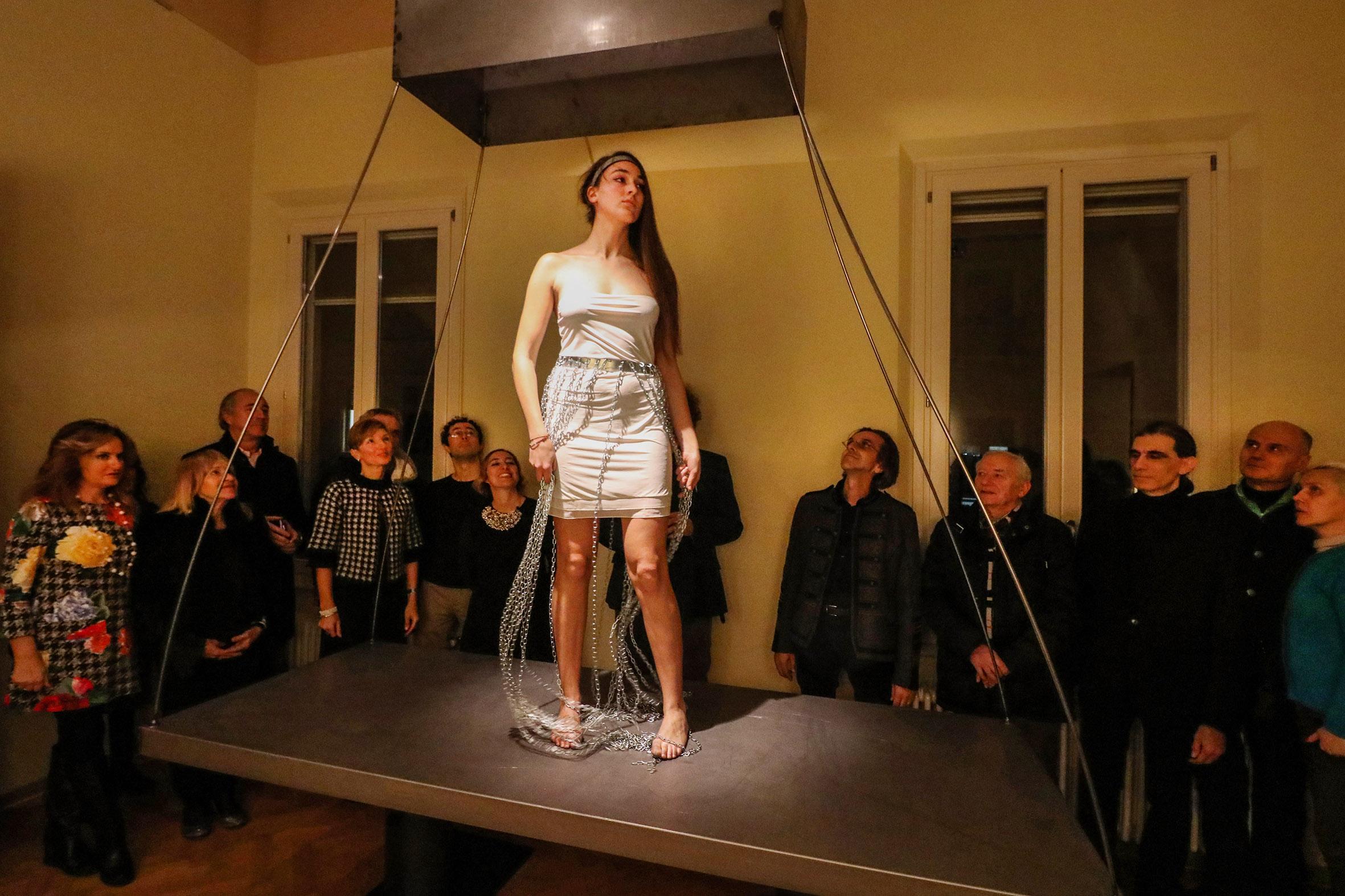
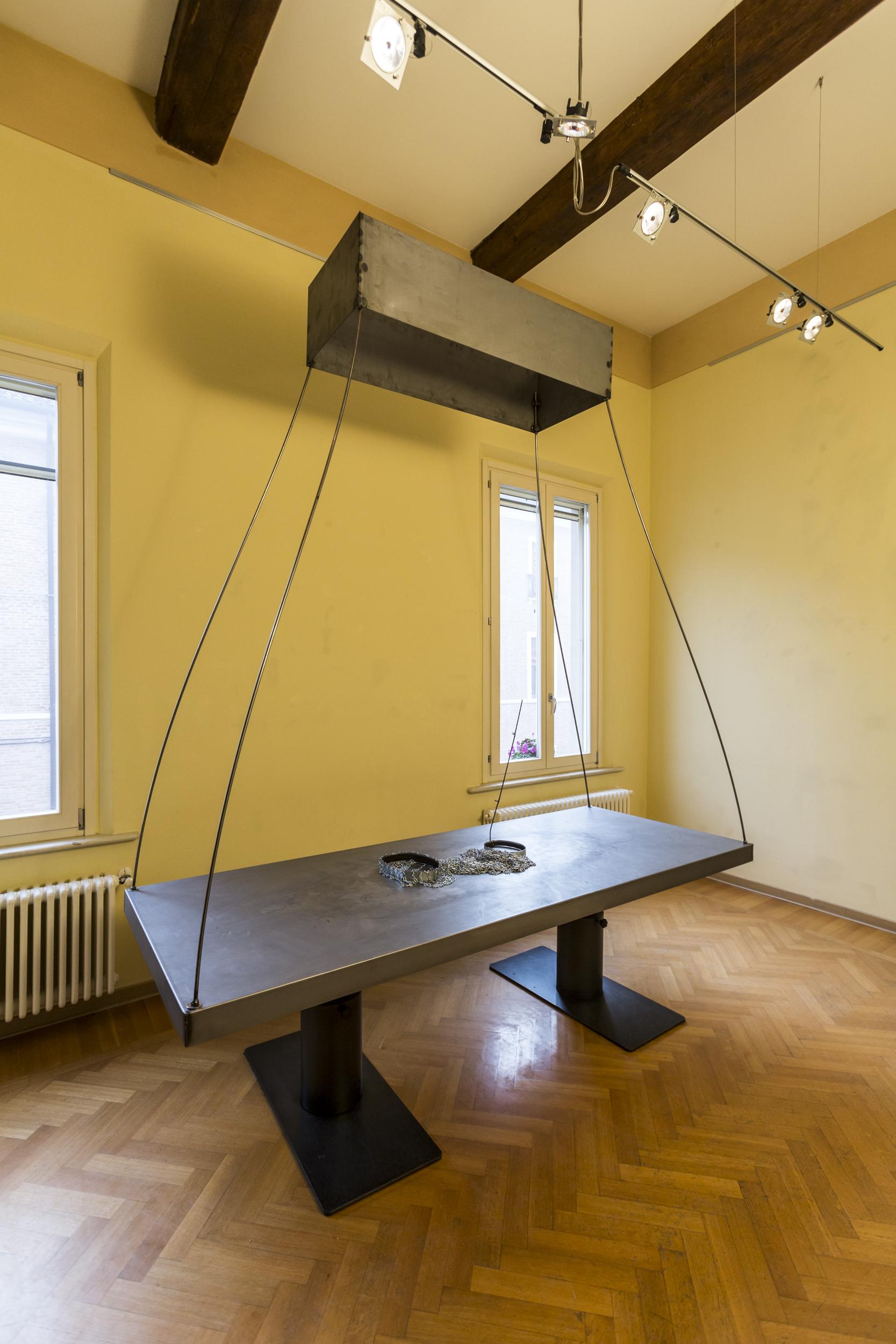
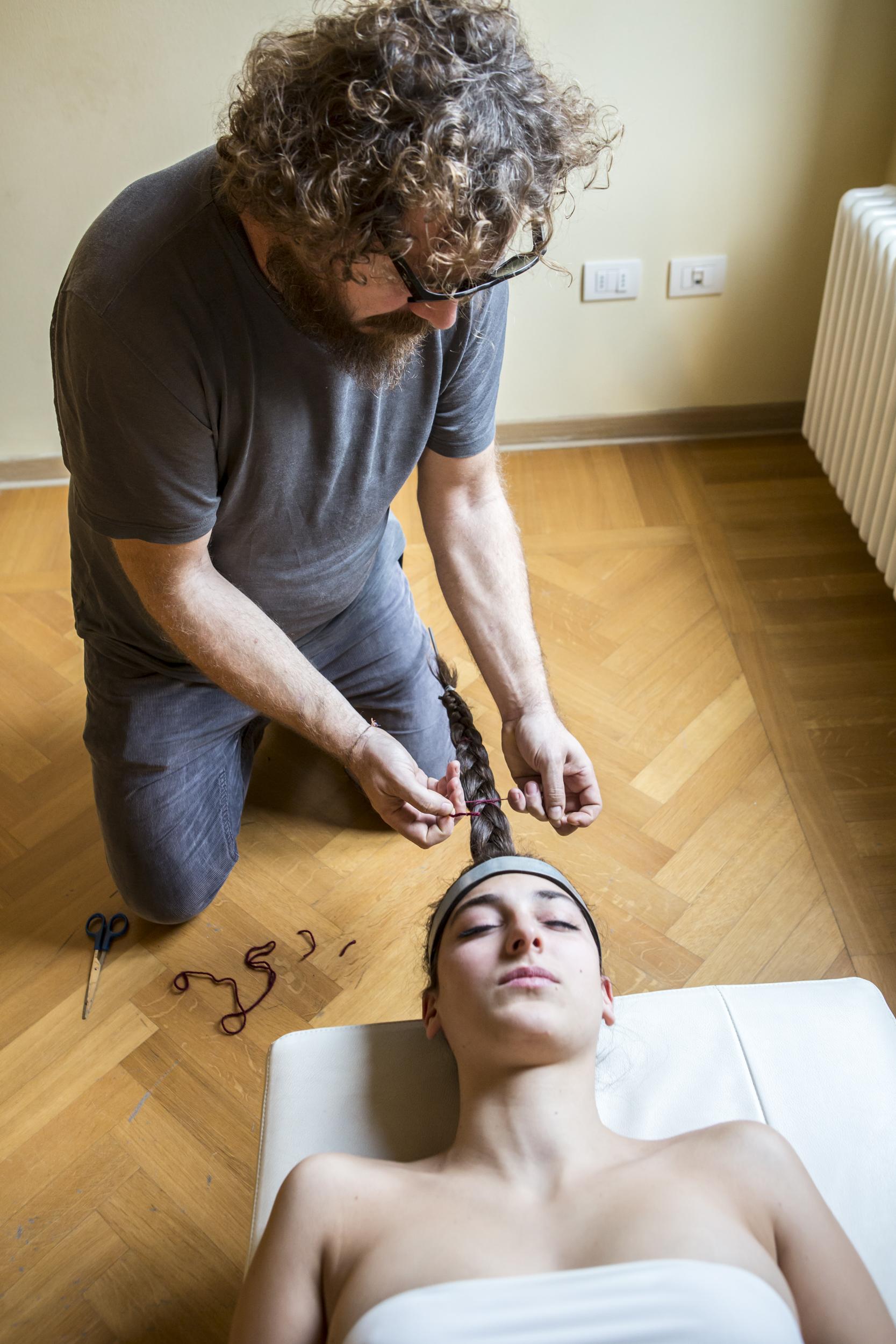
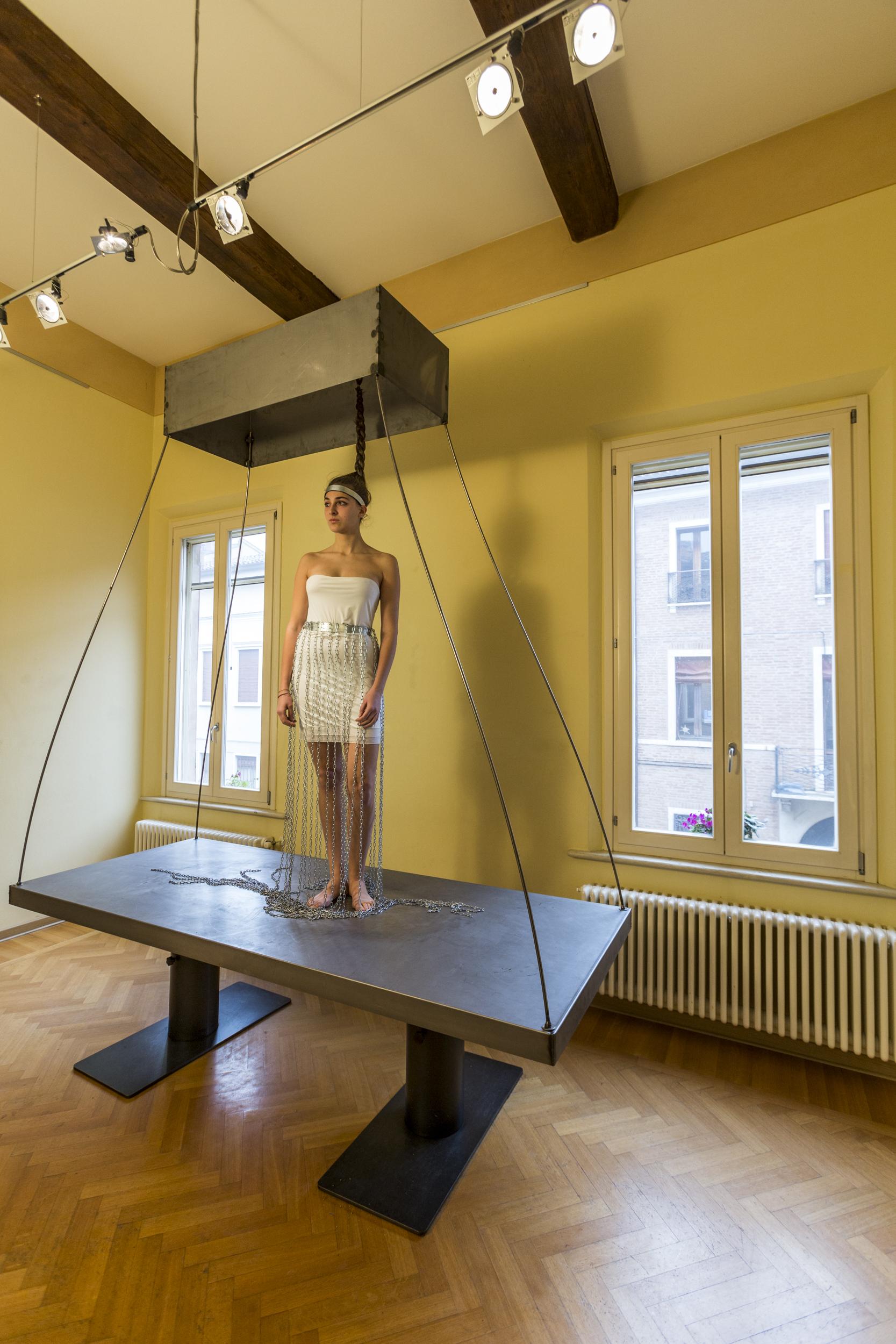
Bradamante instead is really present in the exhibition as a contemporary incarnation of Artemis, goddess of the hunt but also protector of virginity and modesty: throughout the poem defends itself from attacks by petty and violent men for the love of his Ruggero. On show a beautiful girl will fall into the shoes of Bradamante who, for the duration of the inauguration, will overshadow the spectators, struggling in an ideal but thunderous duel of metallic sounds.
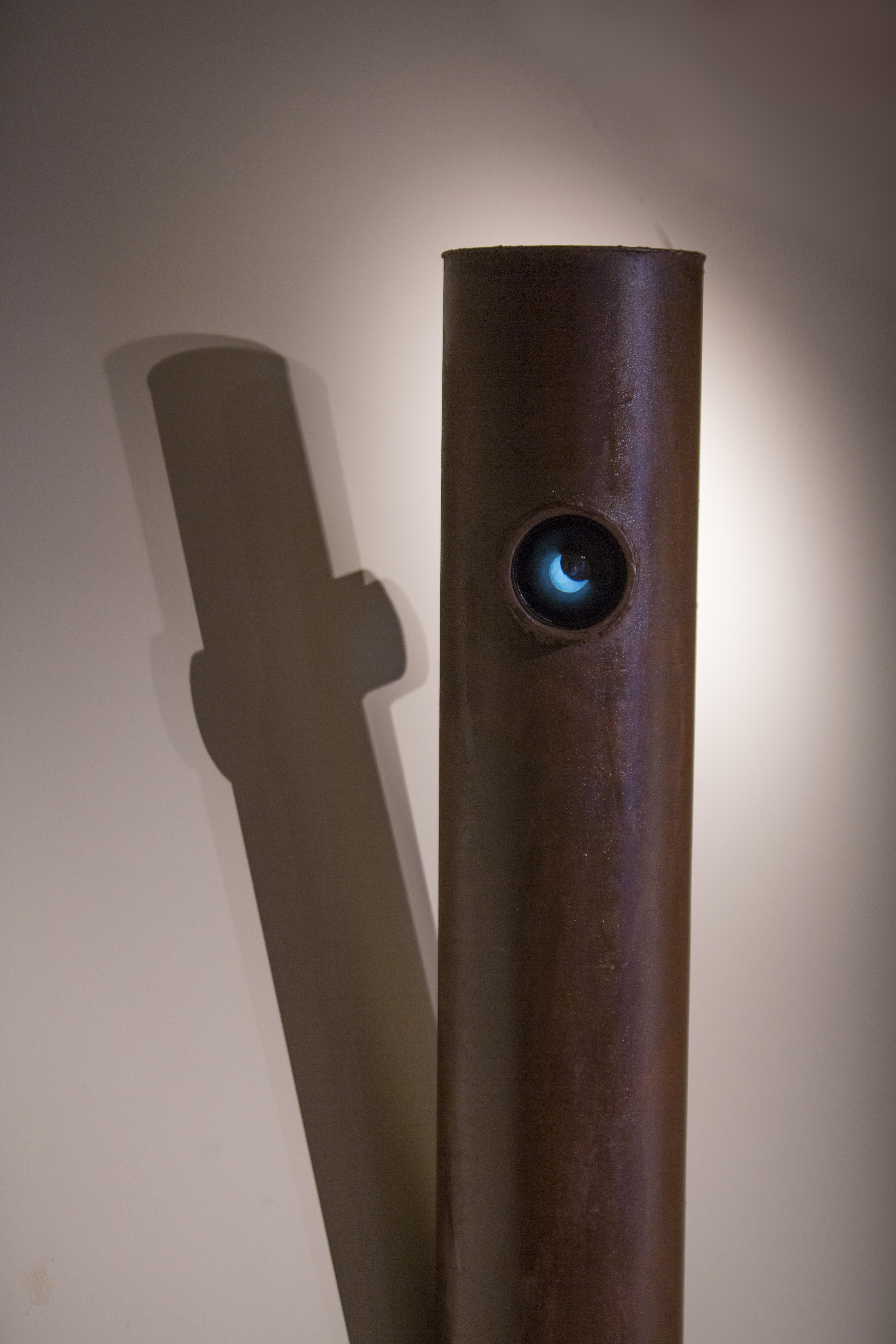
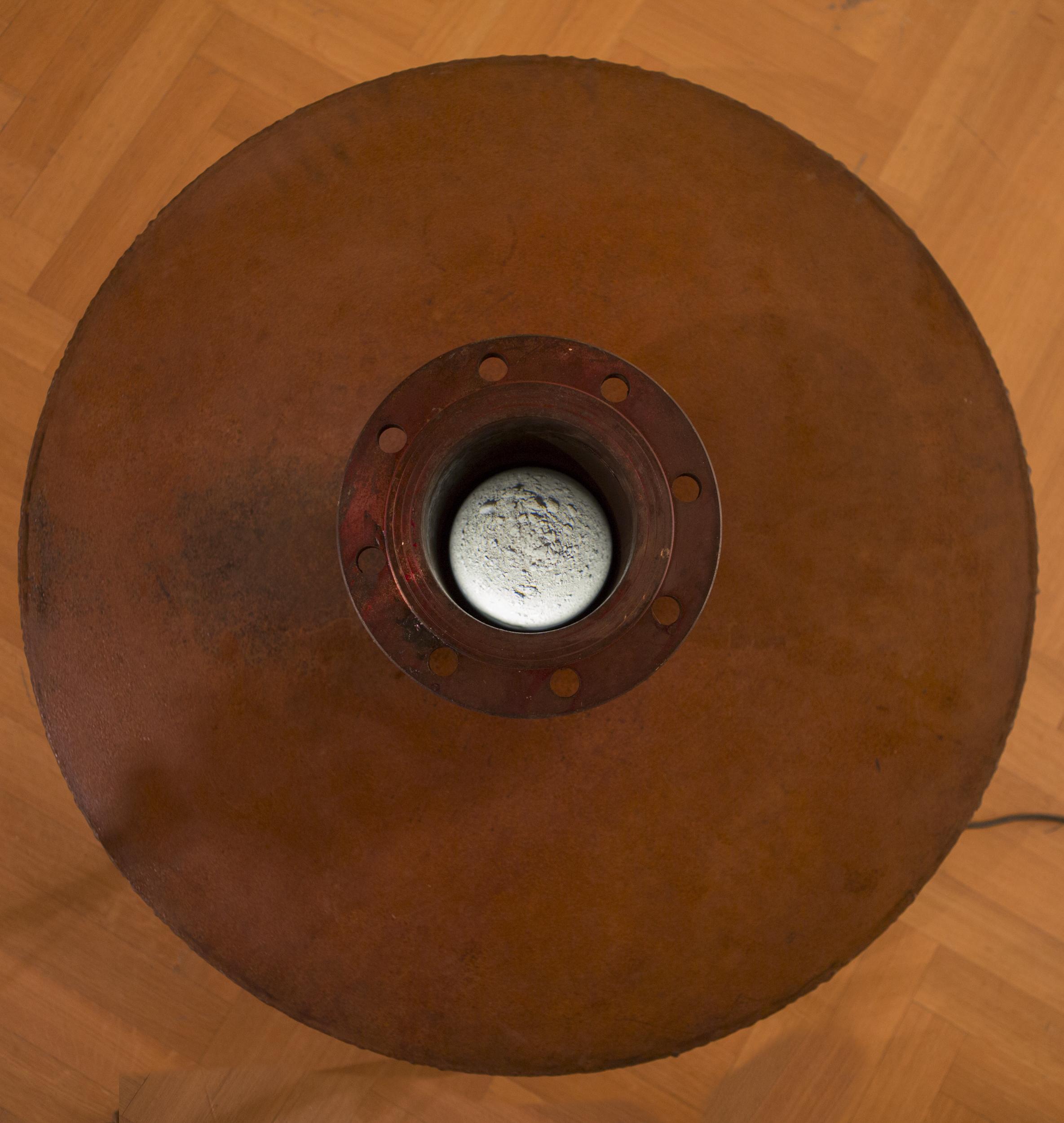
In the second room instead the protagonist is the Moon, the celestial body celebrated by the poem as a symbol of the overturn of all that happens on Earth: the only place where there is no madness, which instead dominates the world, because everyone is constantly looking for what they can’t get.
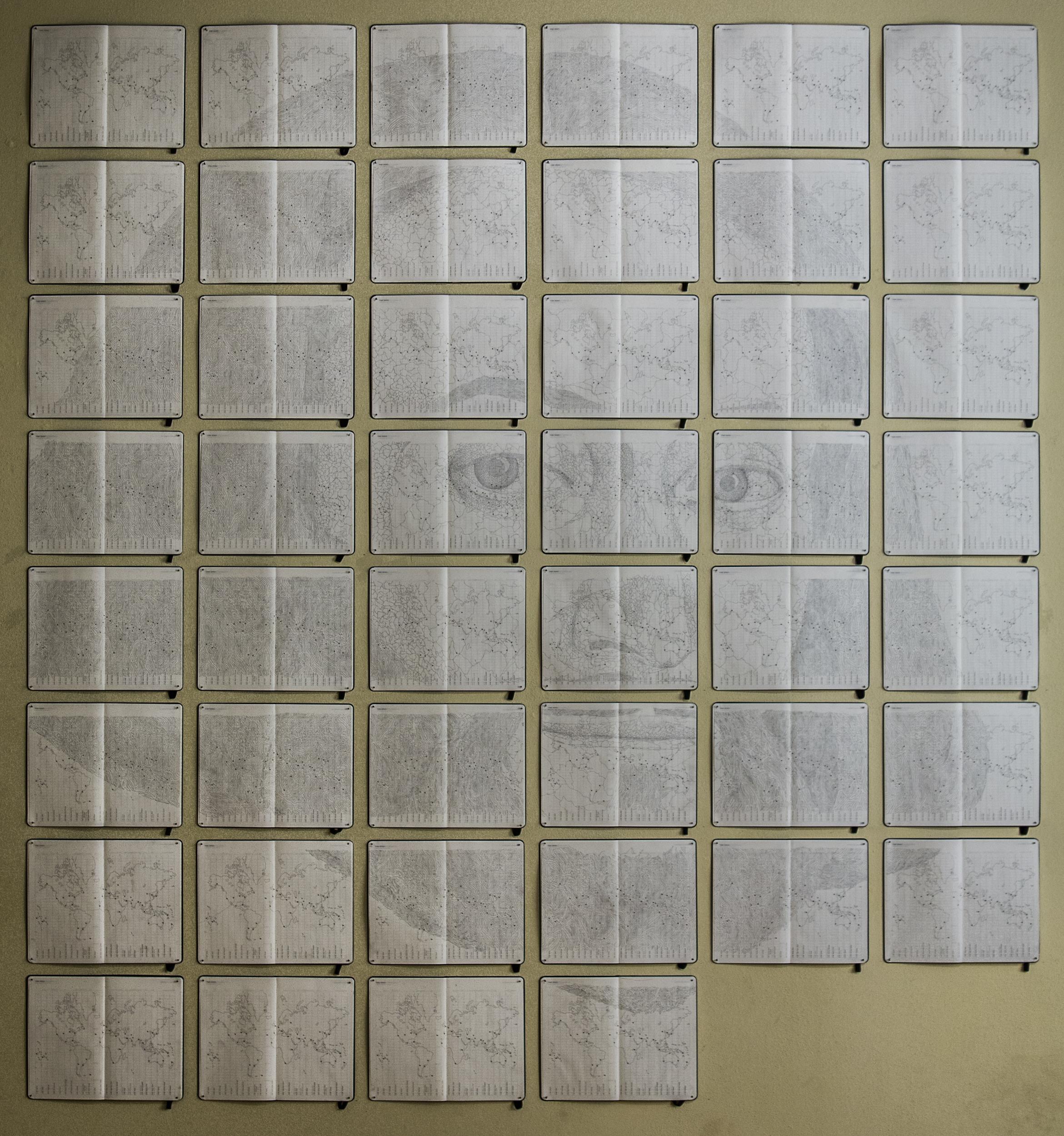
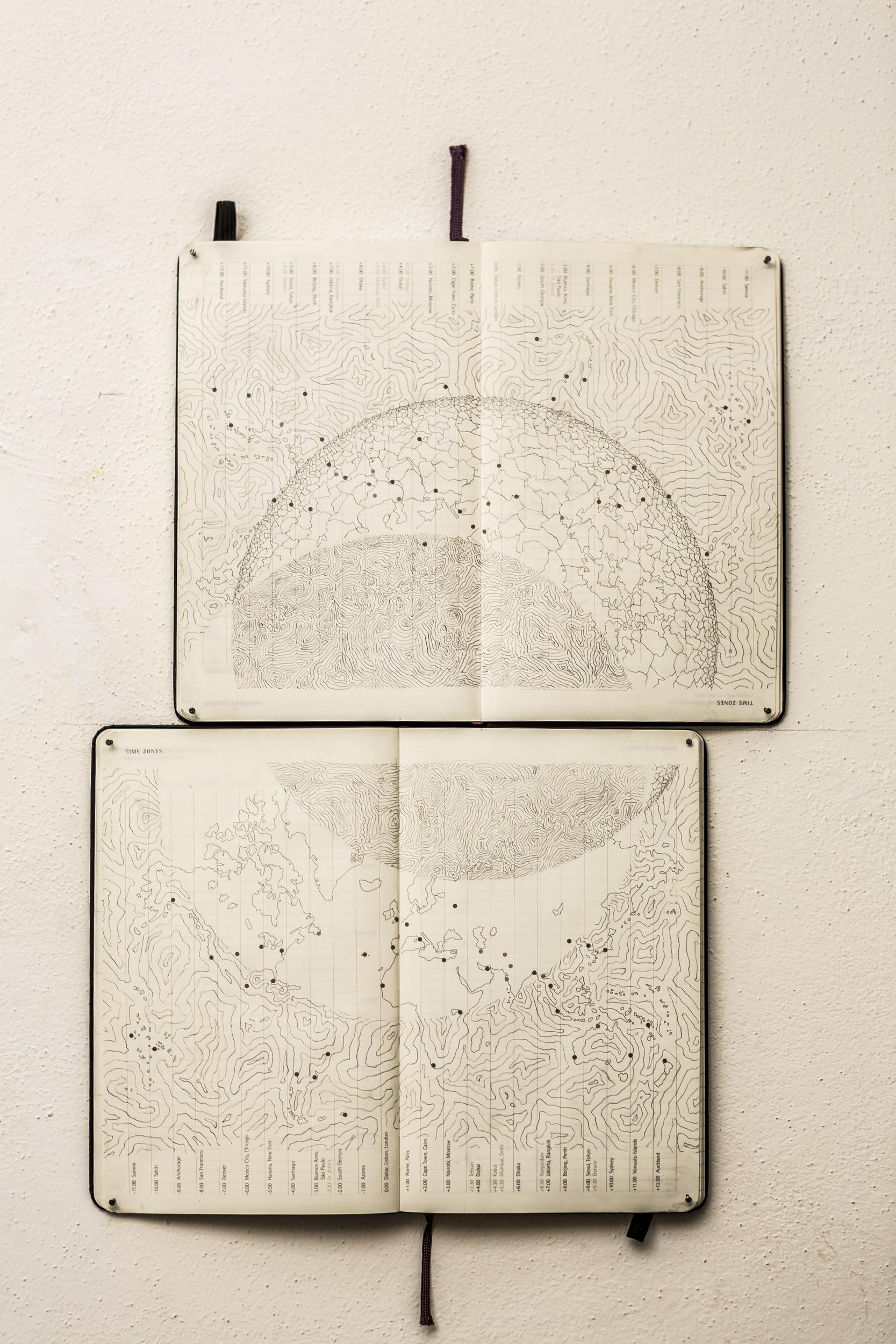
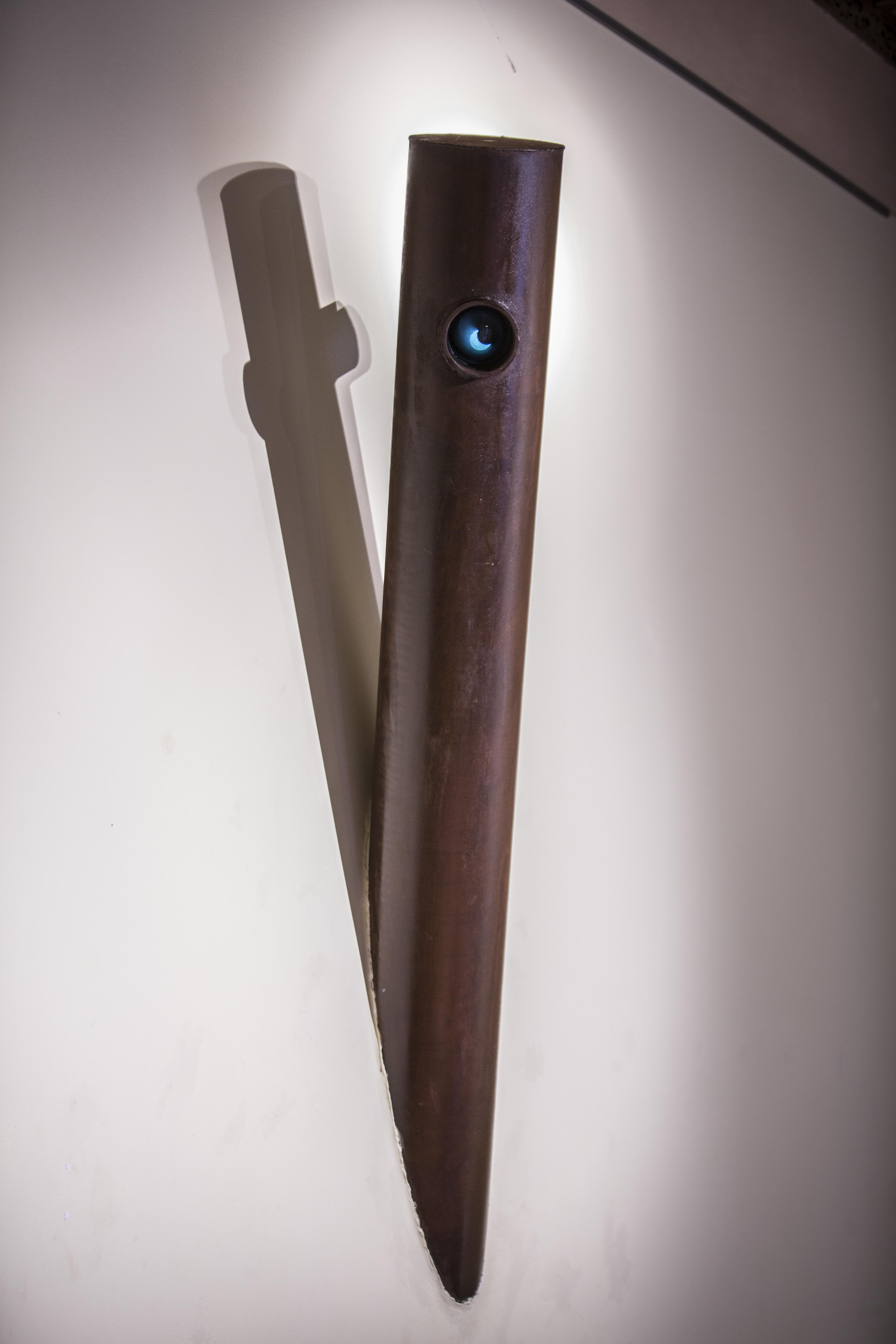
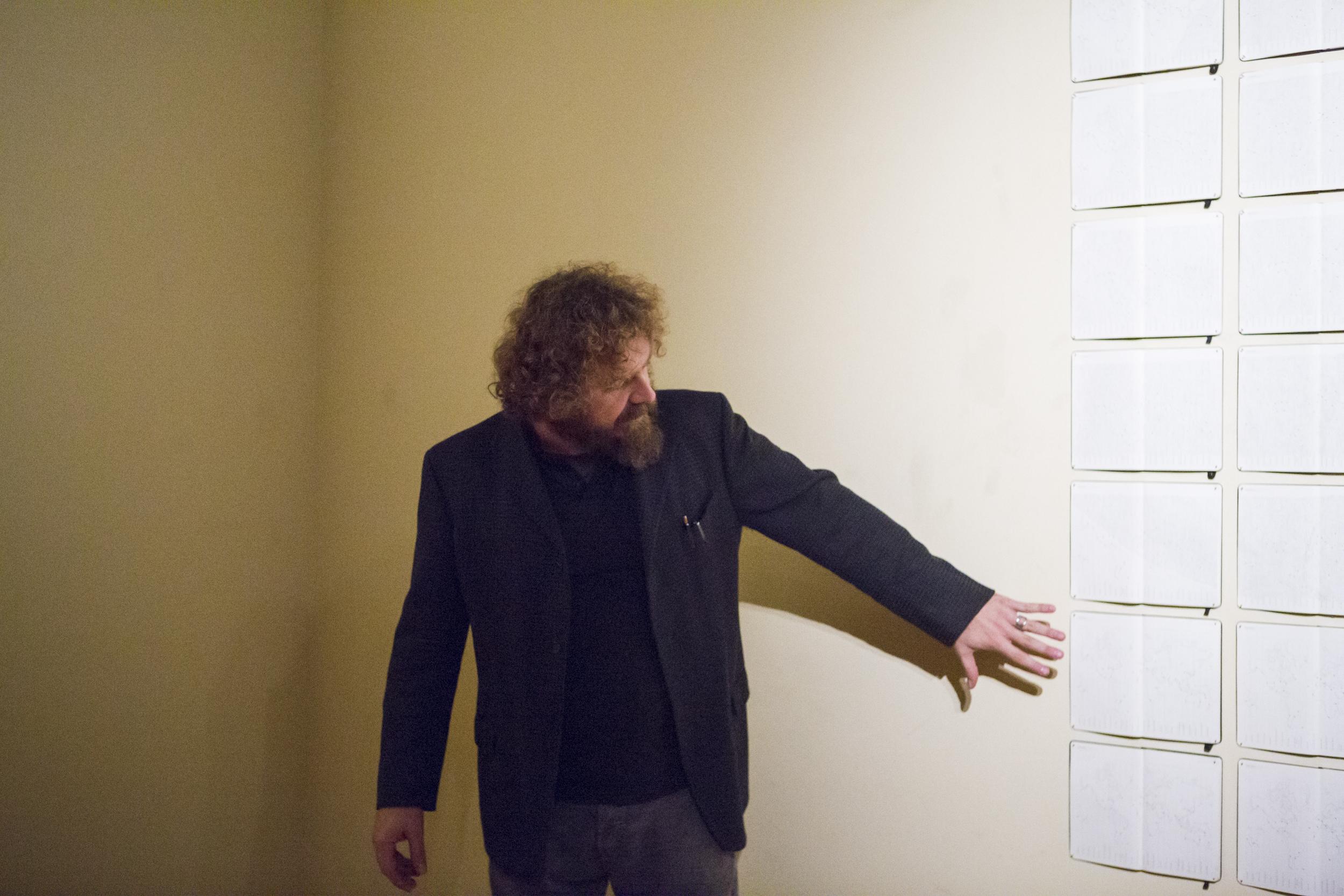
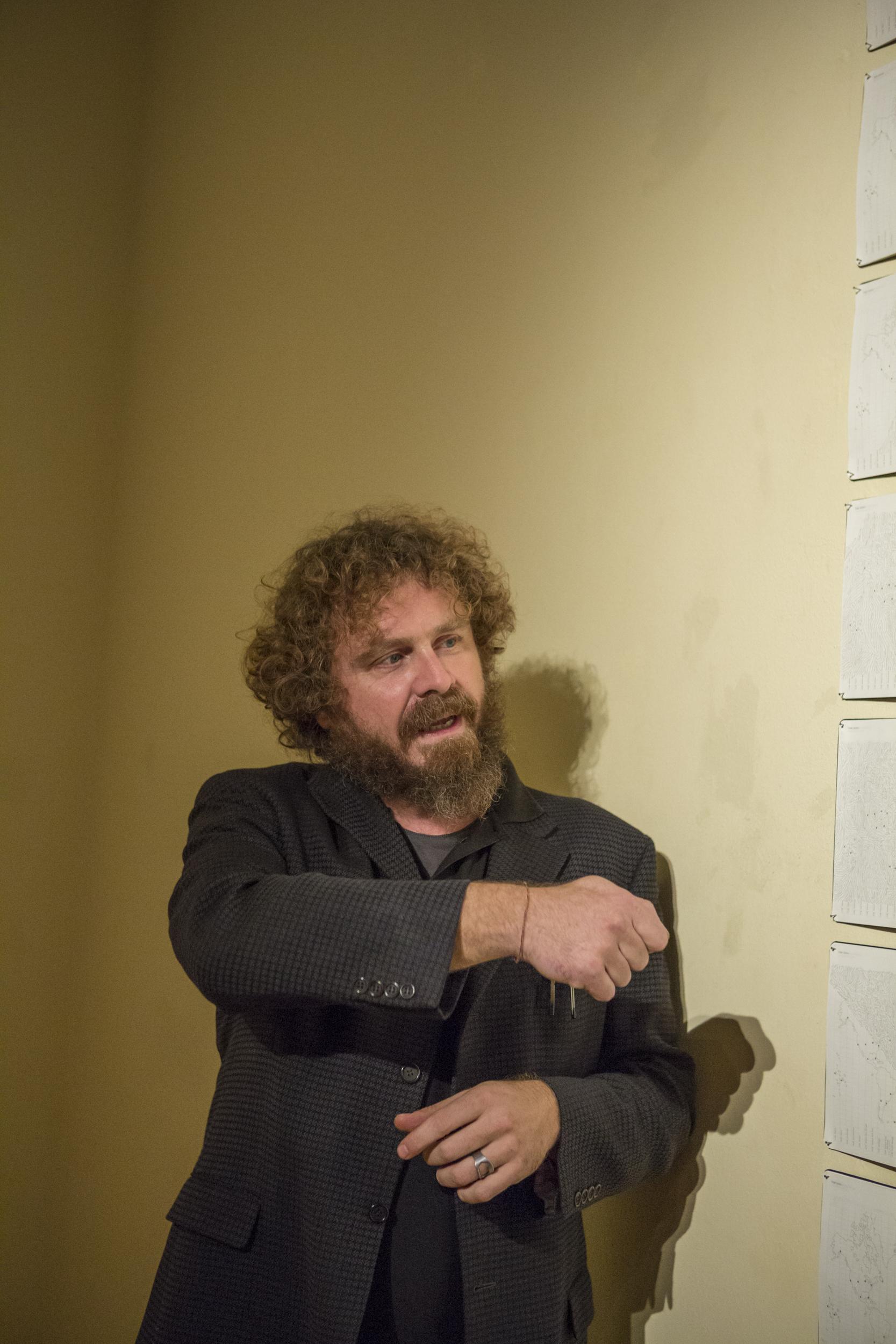
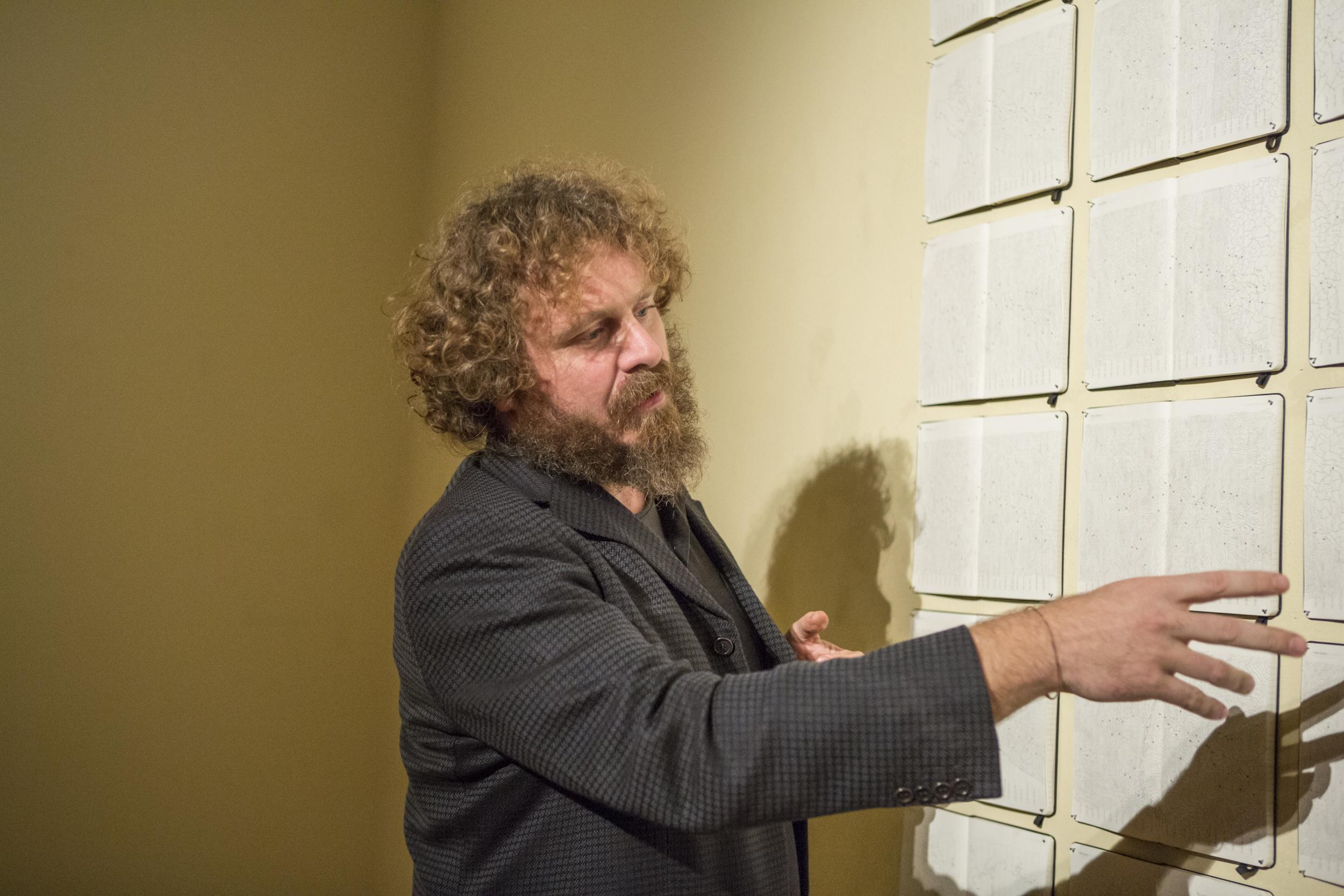
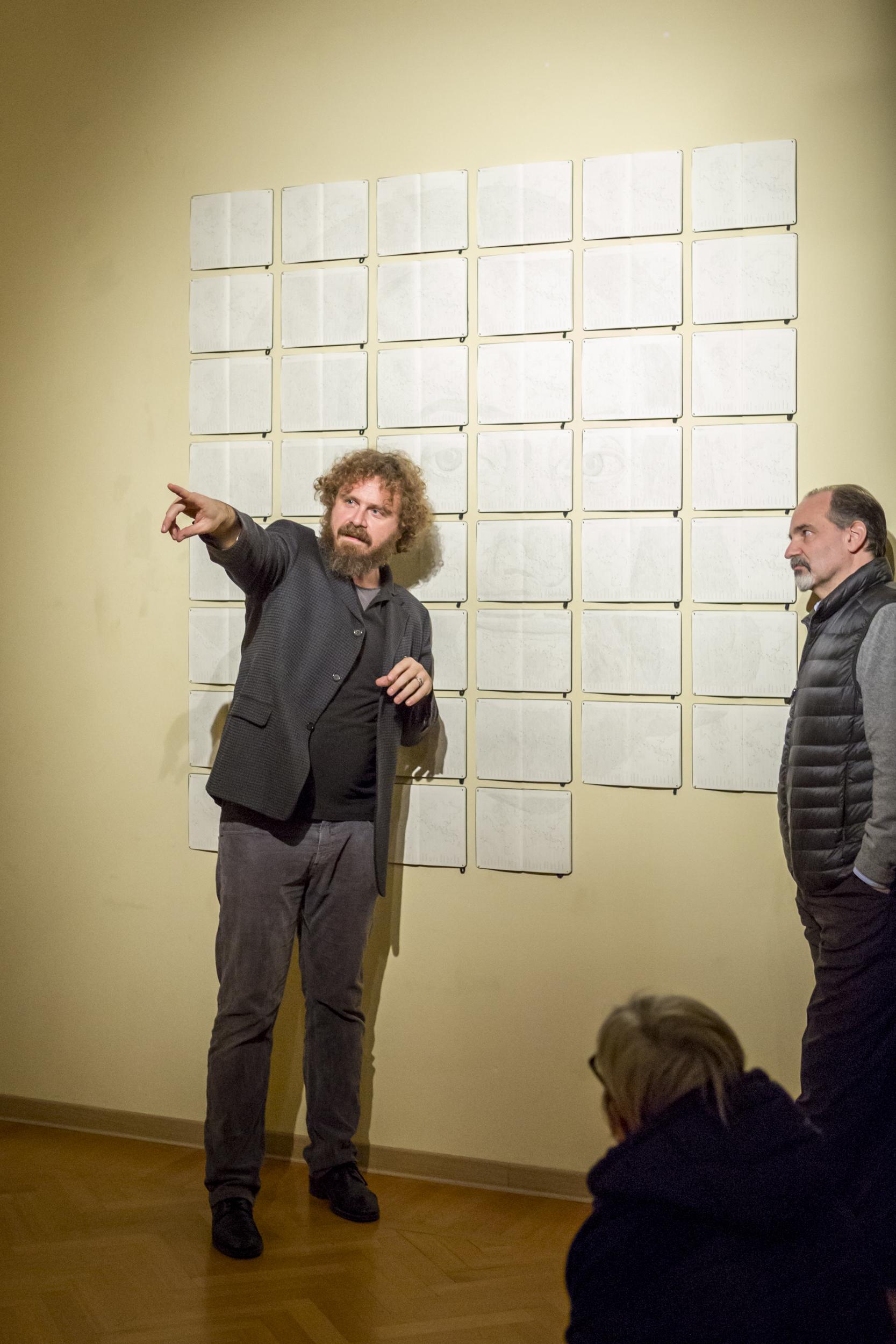
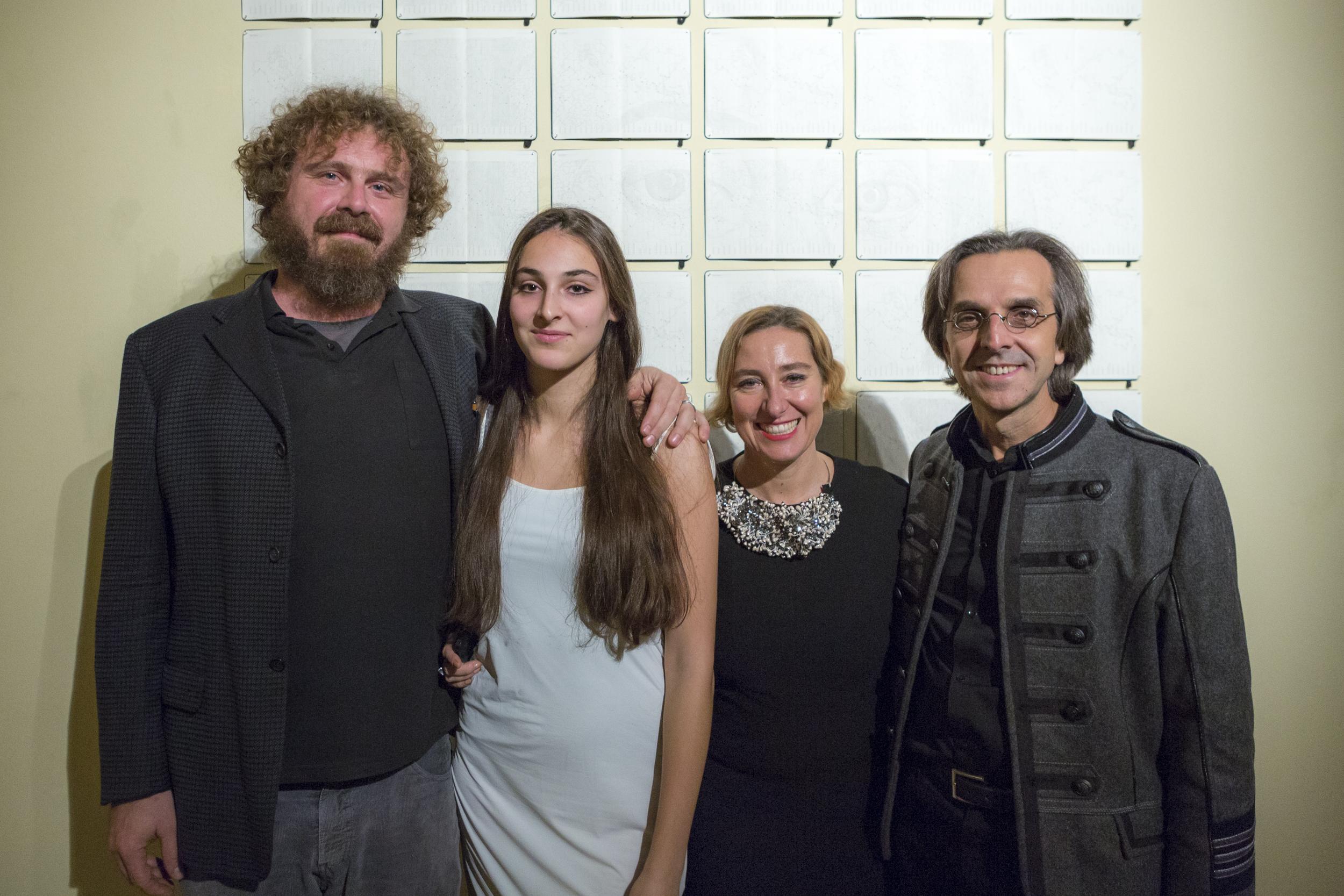
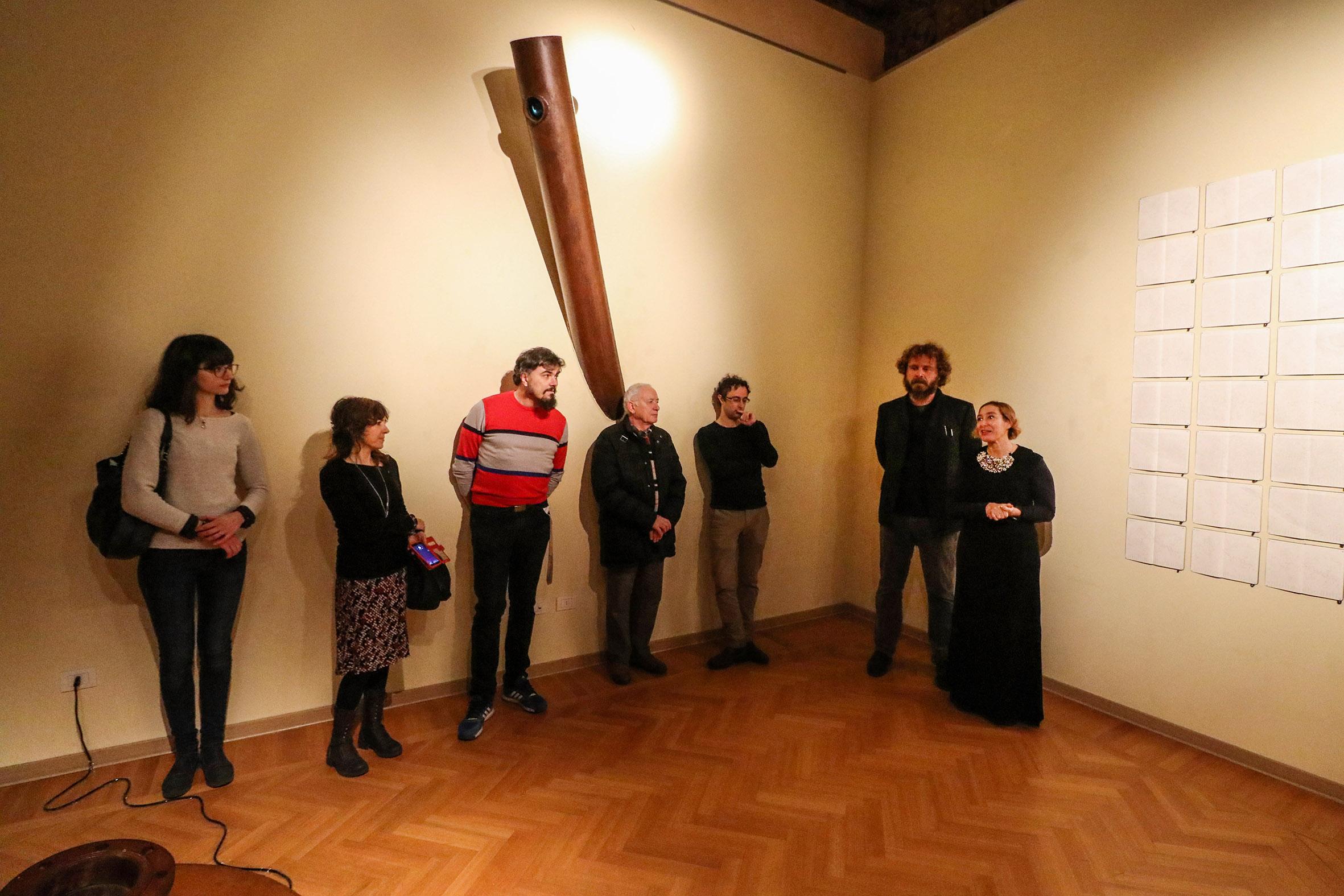
There are no better words than those of Marco Di Giovanni to tell this second part of the exhibition: "The main wall will be dominated by an installation with 46 Moleskine notebooks, one for each song of the poem, all open on the planisphere page divided into time zones; but madness makes us lose every space-time coordinate, as happens in Orlando, wandering the world to the right and to the left, naked, uprooting trees, without distinguishing even the day from the night ".
In this way the artist, with pencil, has added on every planisphere mimetic signs with respect to the print, in order to create an irrational chaos that will confuse borders and continents. -
Exhibited Works
View the embedded image gallery online at:
https://www.mlbgallery.com/en/events/itemlist?start=126#sigProIdaacdc12220Performance ed installazione "Bradamante"
-
Exhibition Set Up
View the embedded image gallery online at:
https://www.mlbgallery.com/en/events/itemlist?start=126#sigProIde7bf29b4a5 -
Vernissage: Photo Gallery
-
Title
Title
-
Title
Title
-
Title
Title
-
Title
Title
-
Title
Title
-
Title
Title
-
Title
Title
-
Title
Title
-
Title
Title
-
Title
Title
-
Title
Title
-
Title
Title
-
Title
Title
-
Title
Title
-
Title
Title
-
Title
Title
-
Title
Title
-
Title
Title
-
Title
Title
-
Title
Title
-
Title
Title
-
Title
Title
View the embedded image gallery online at:
https://www.mlbgallery.com/en/events/itemlist?start=126#sigProId0c530188b0Finger food a cura di Silvia Brunelli
View the embedded image gallery online at:
https://www.mlbgallery.com/en/events/itemlist?start=126#sigProId8c9a817c61 -
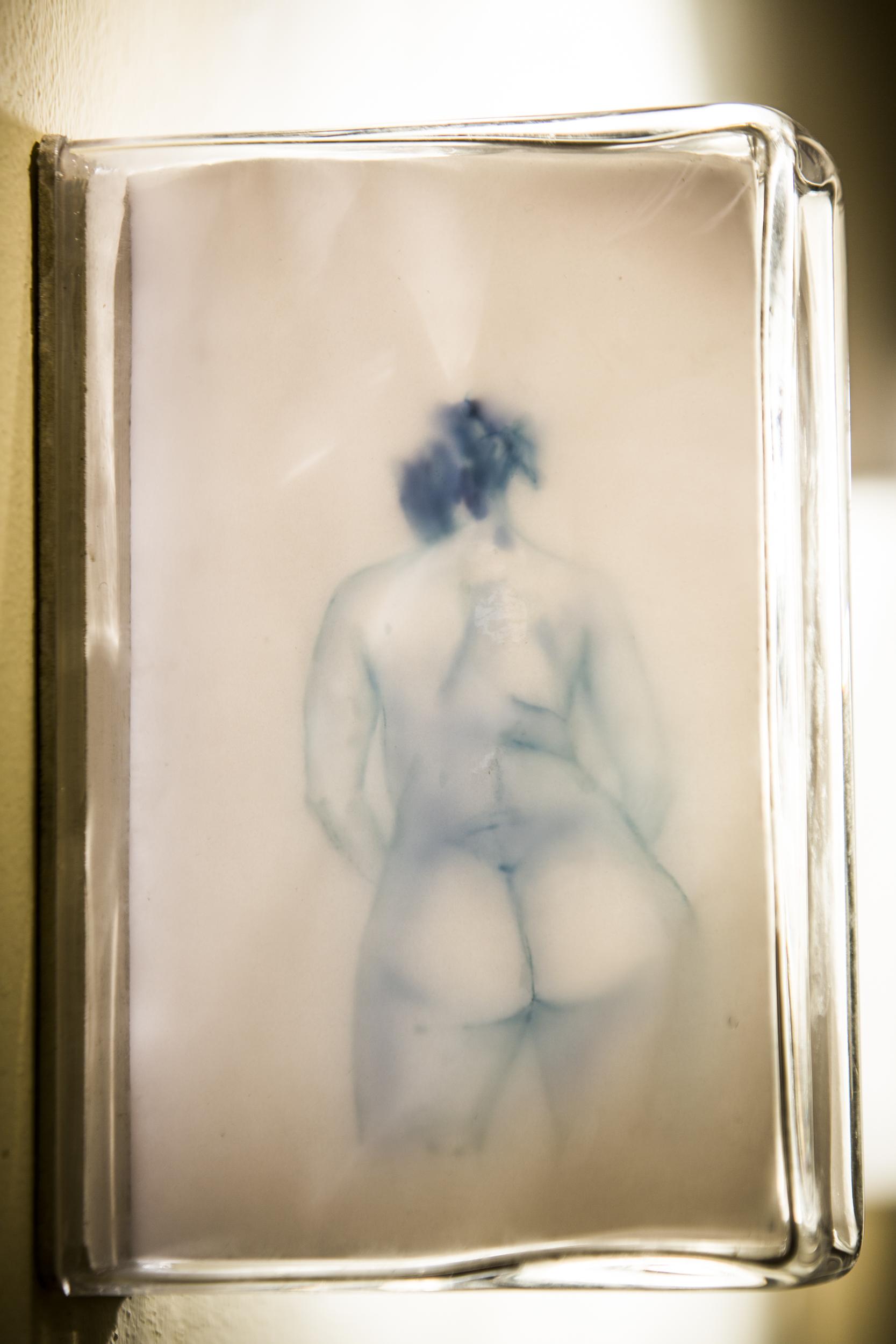
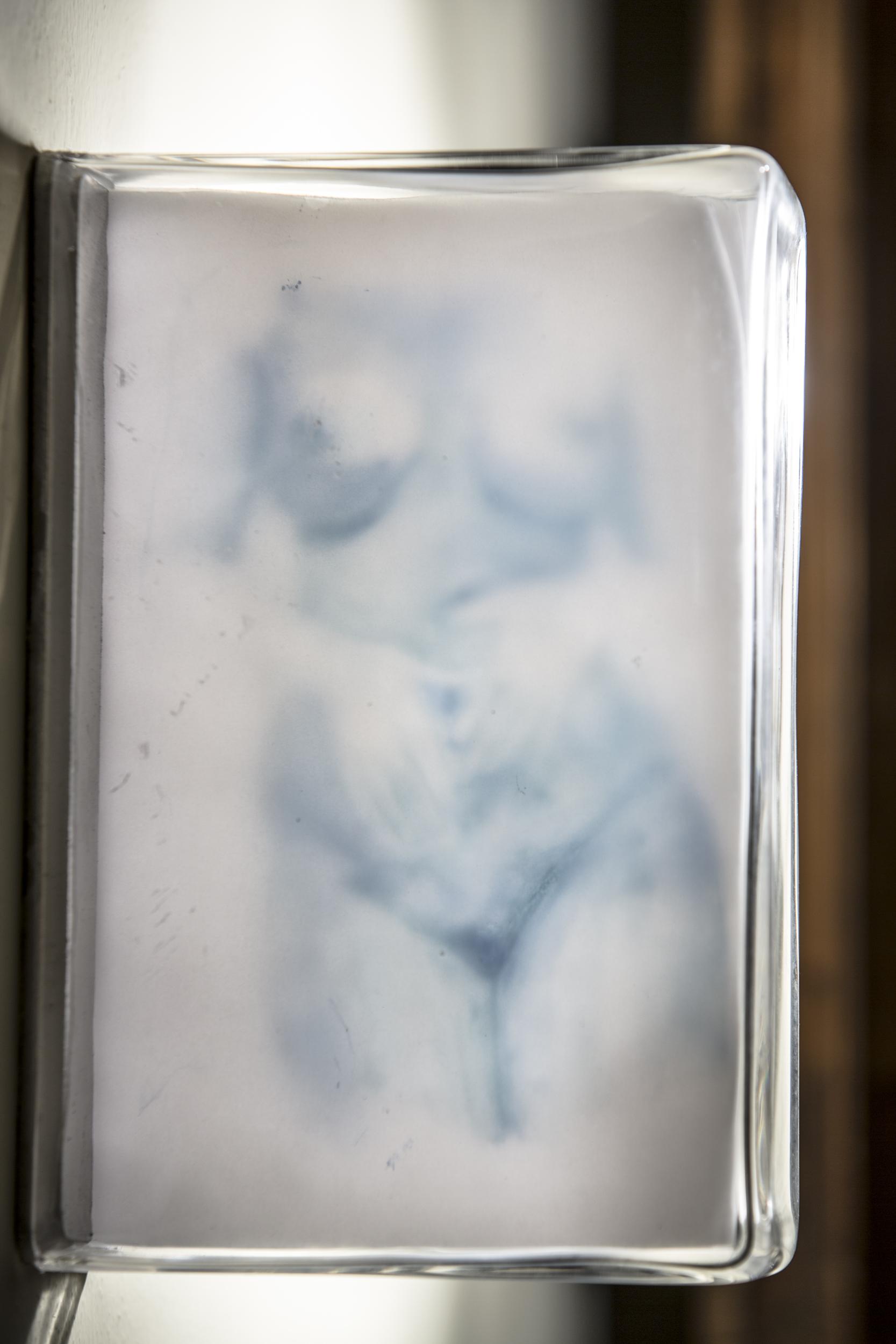
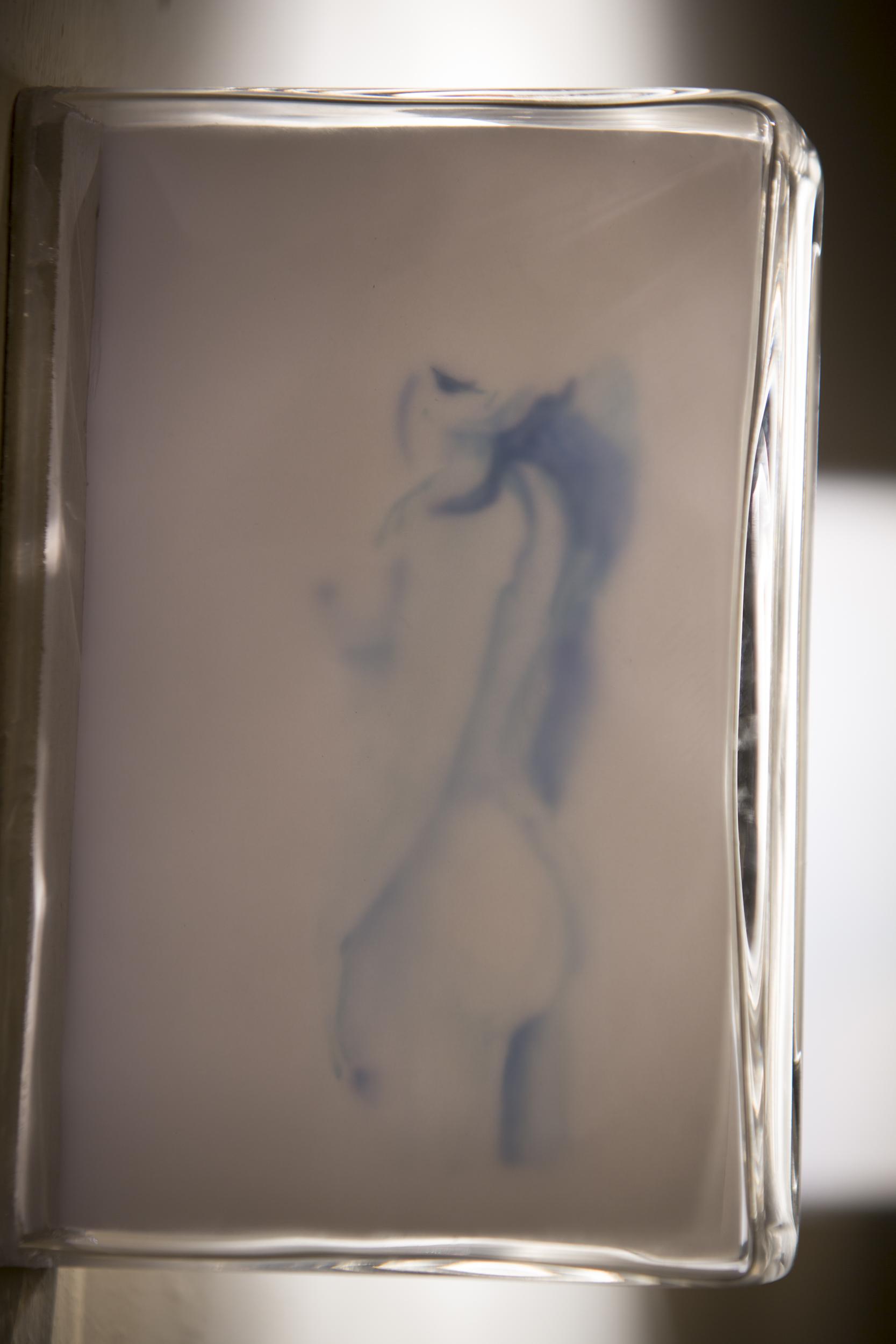
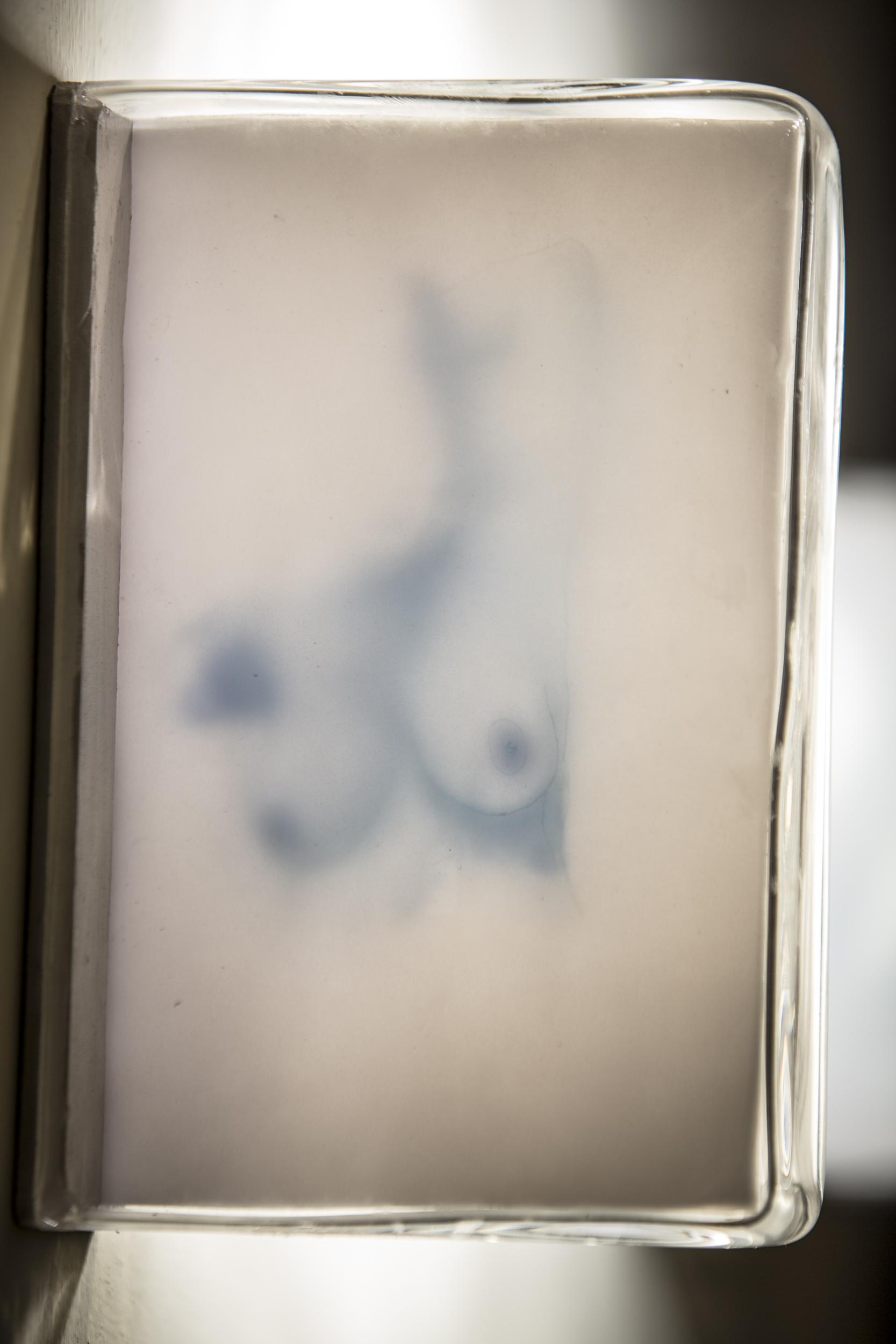
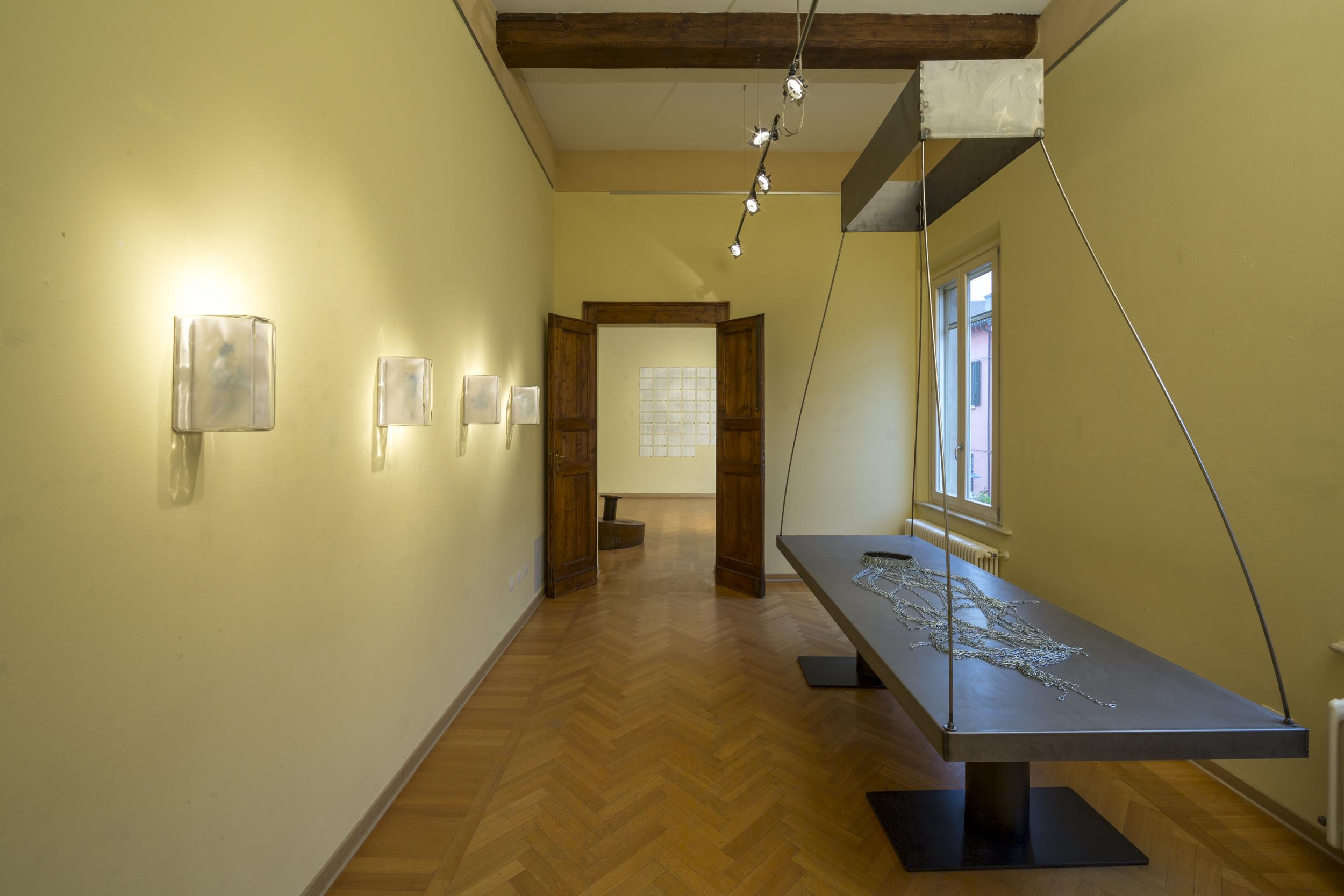
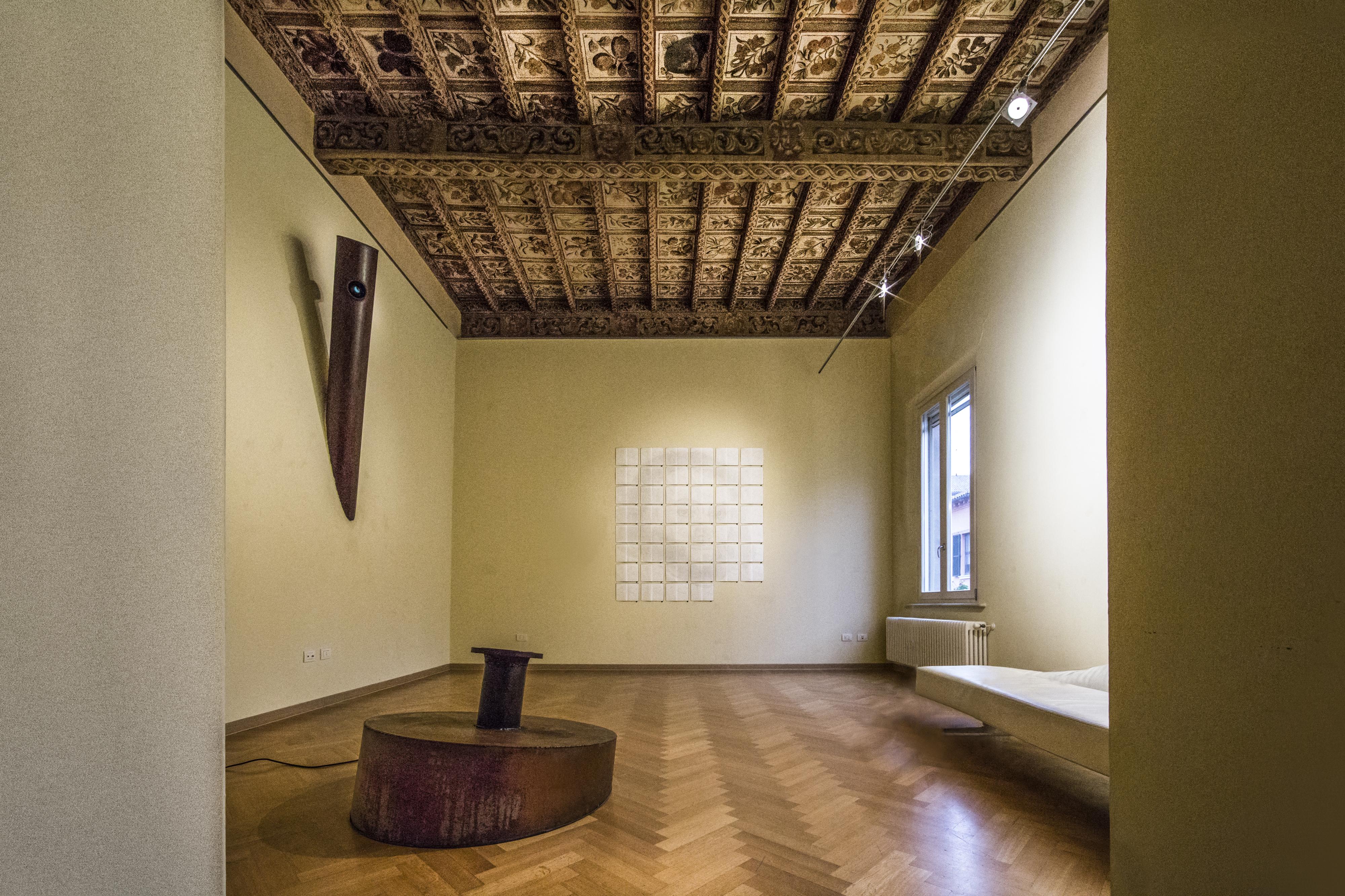
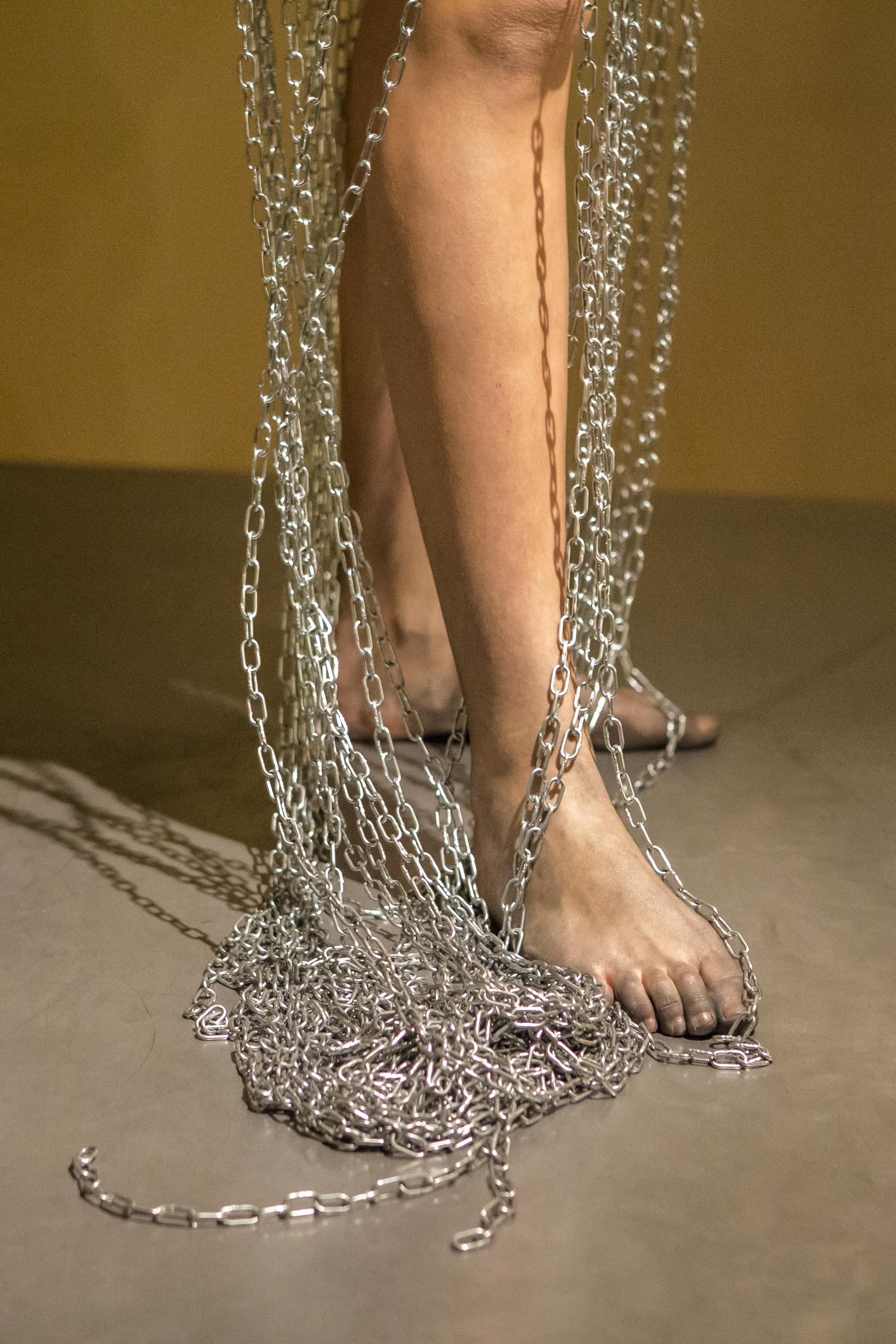
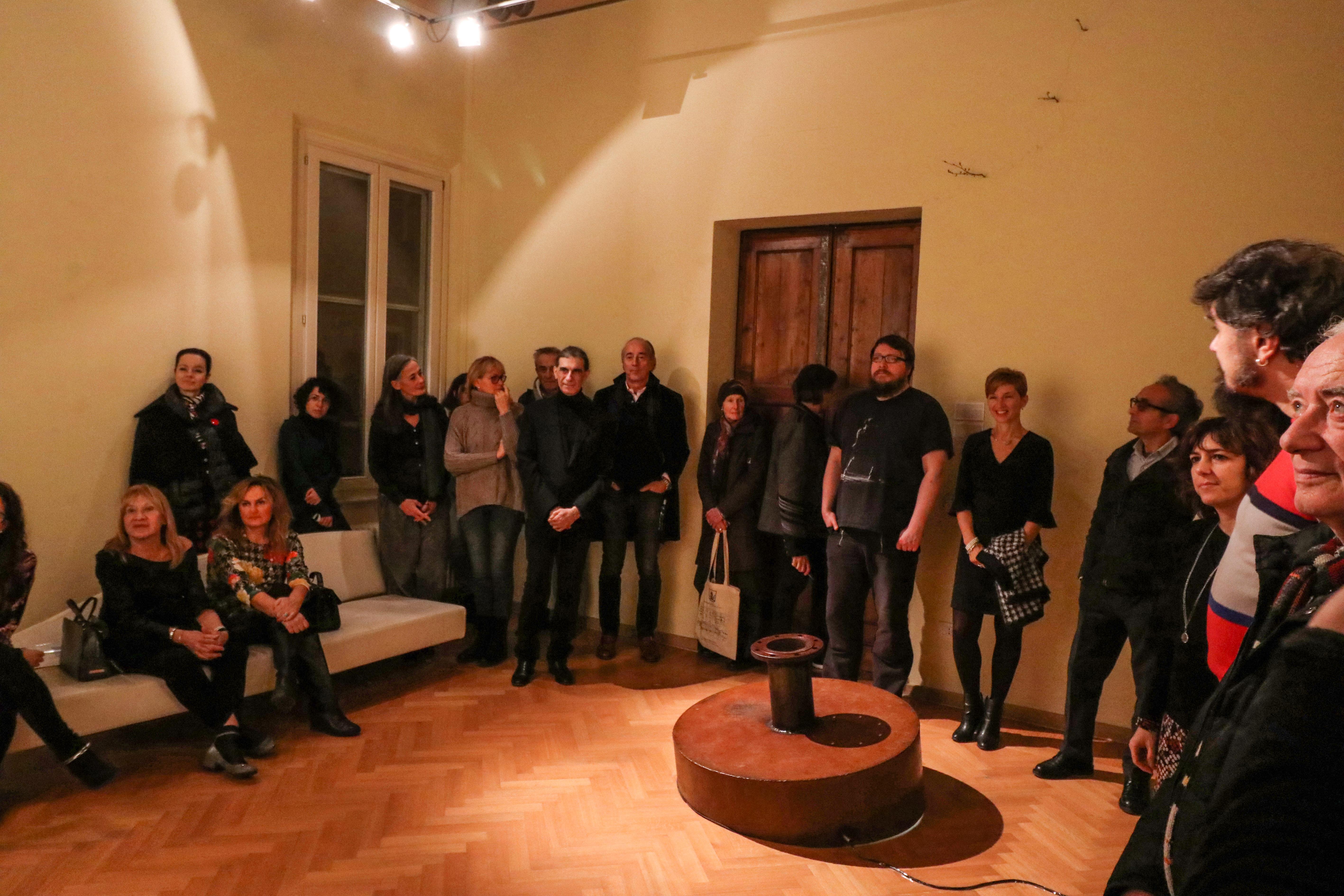
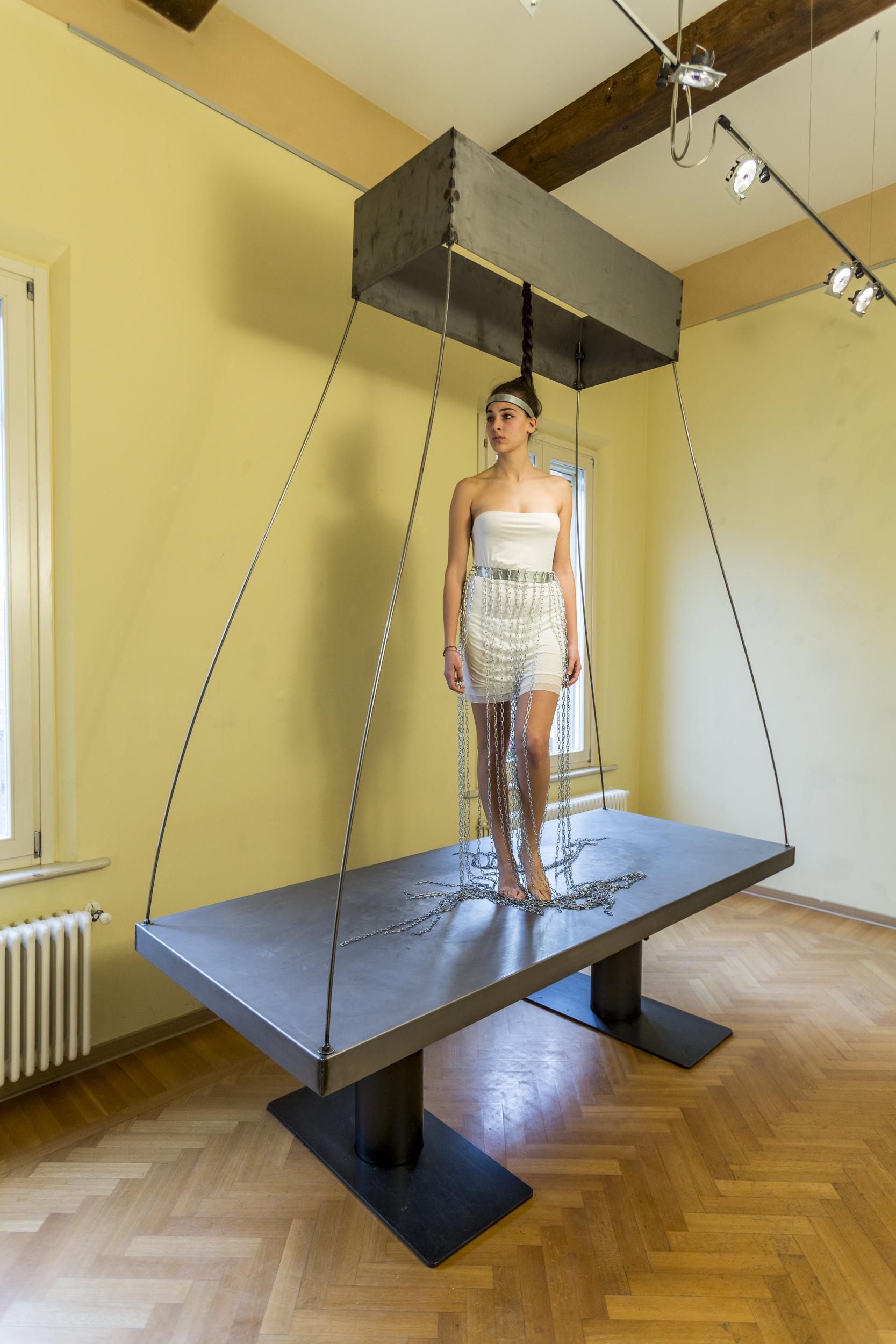
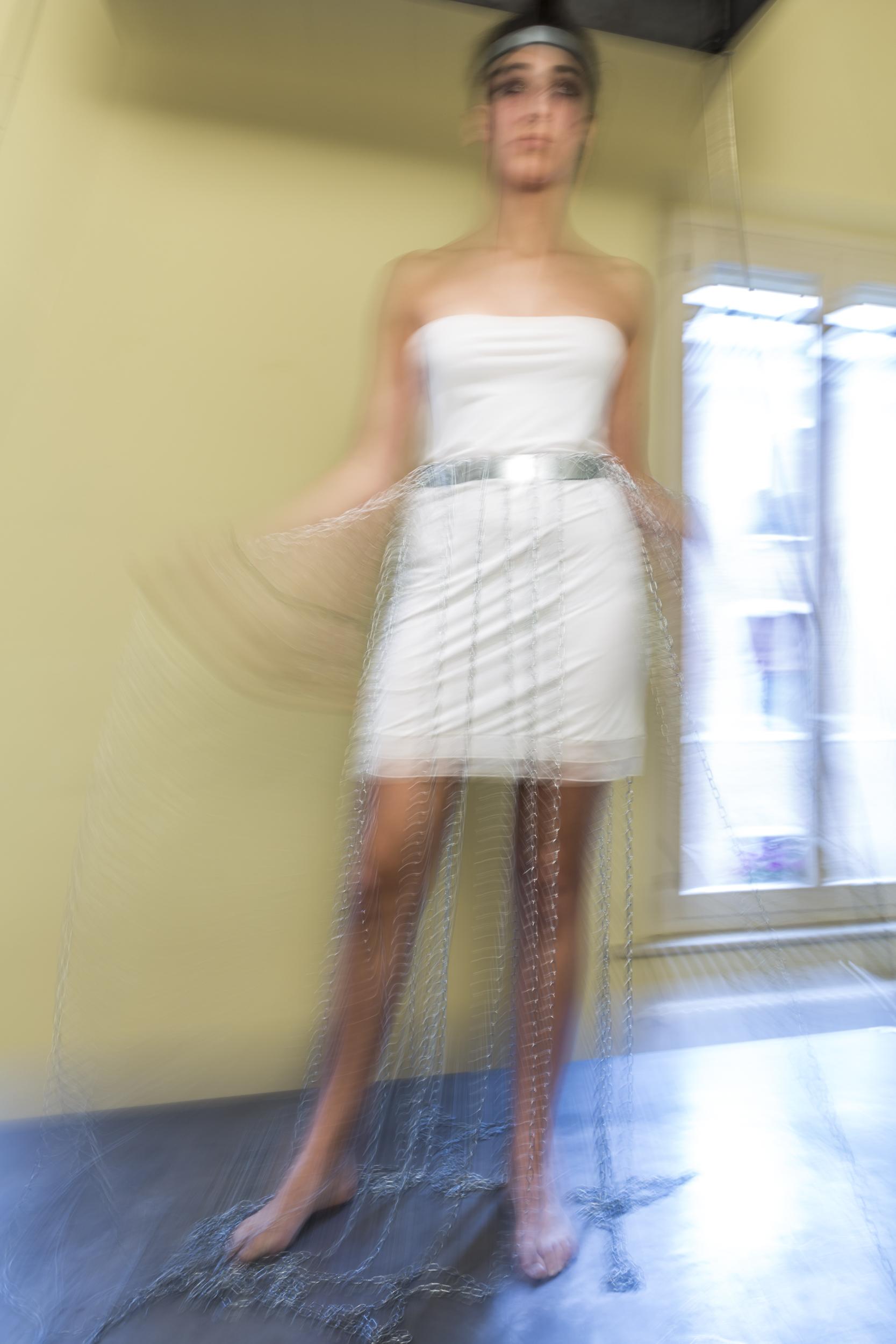
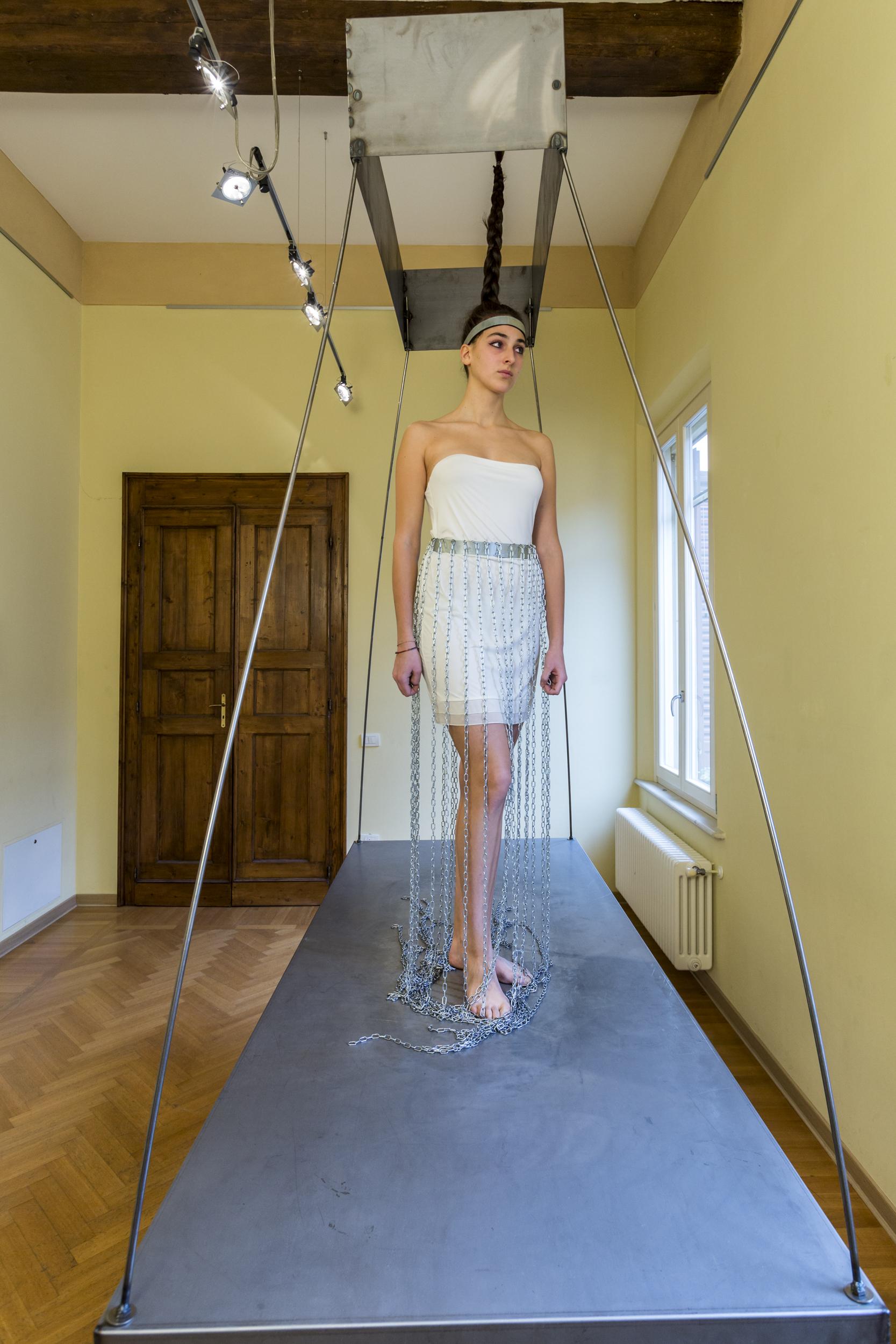
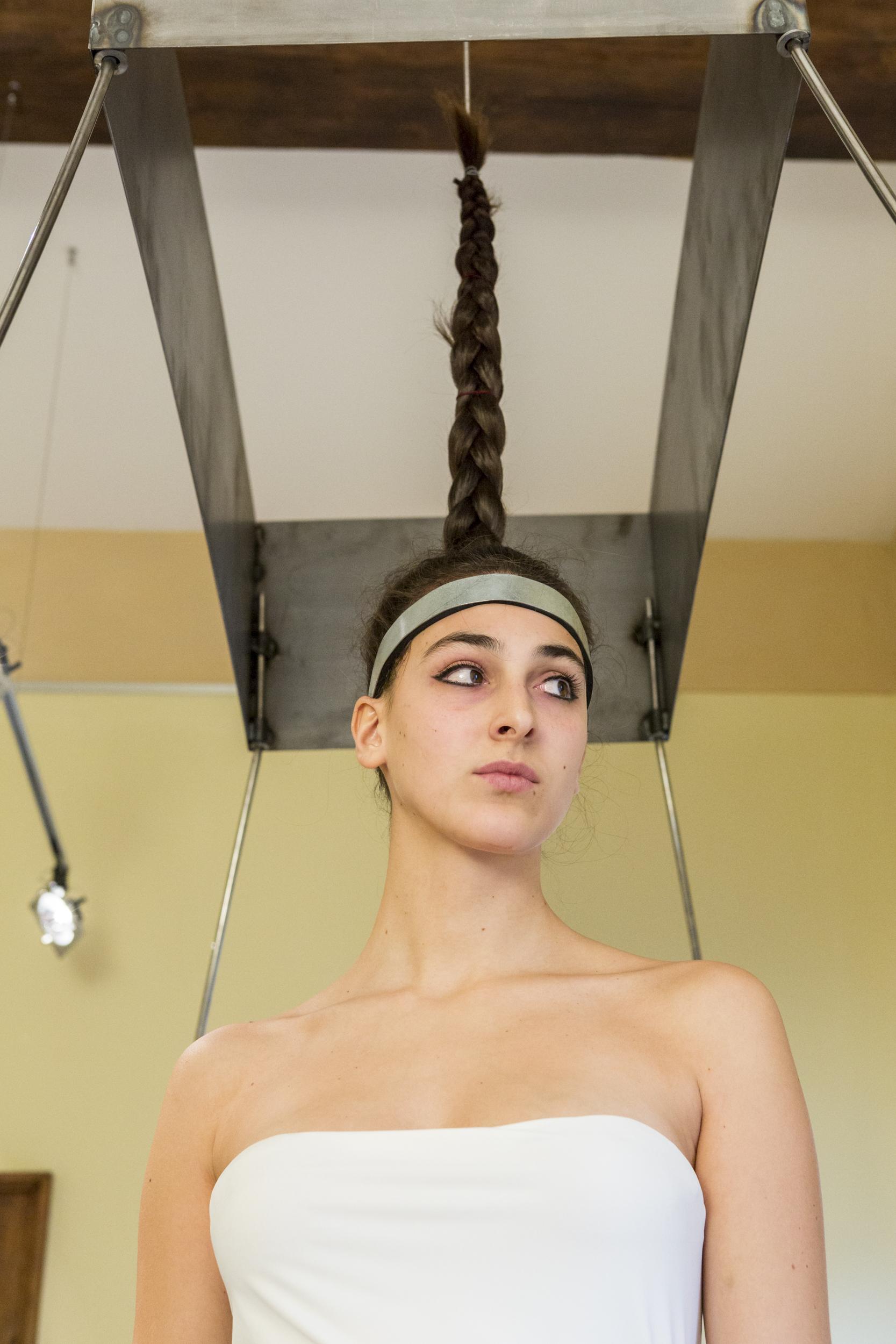
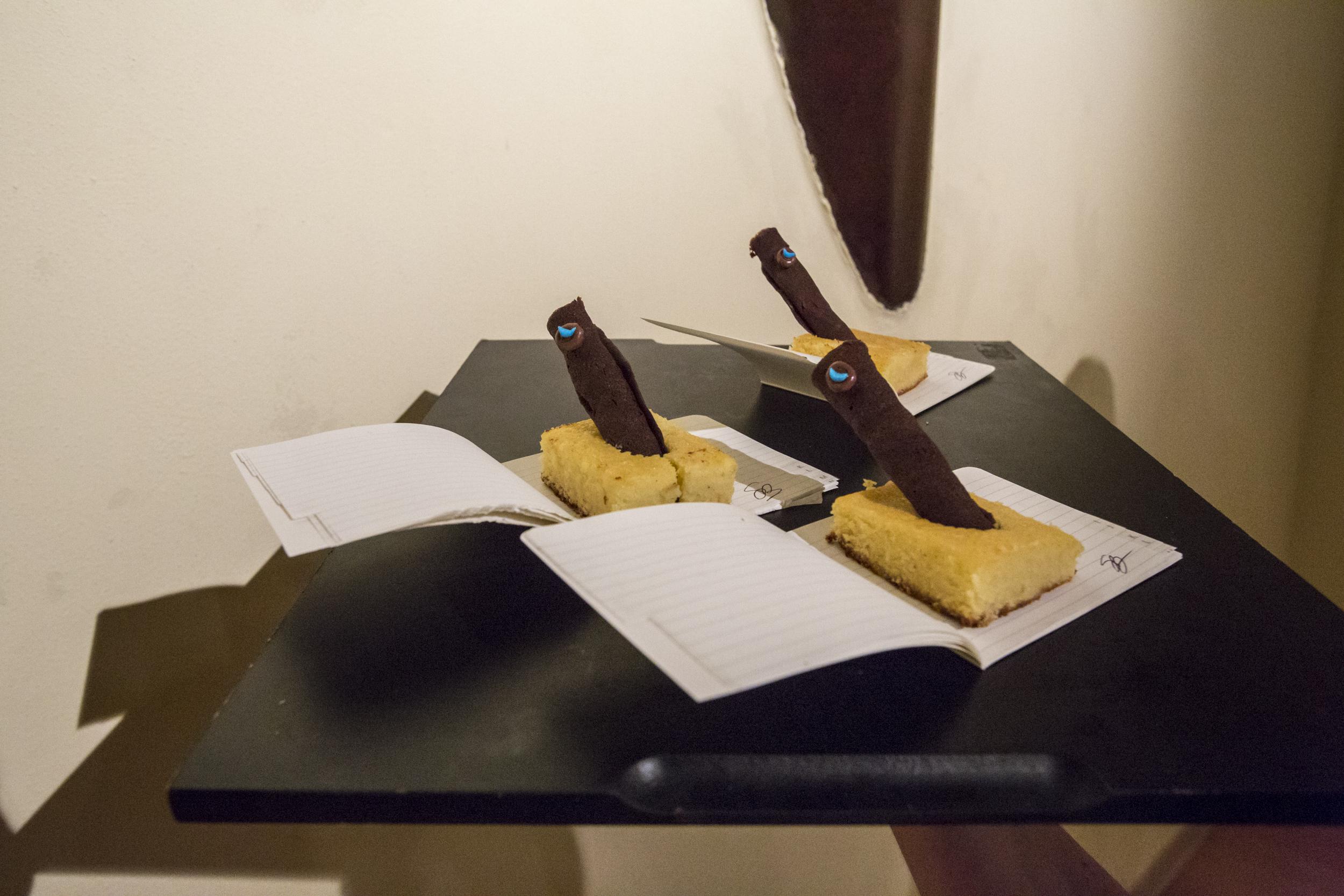
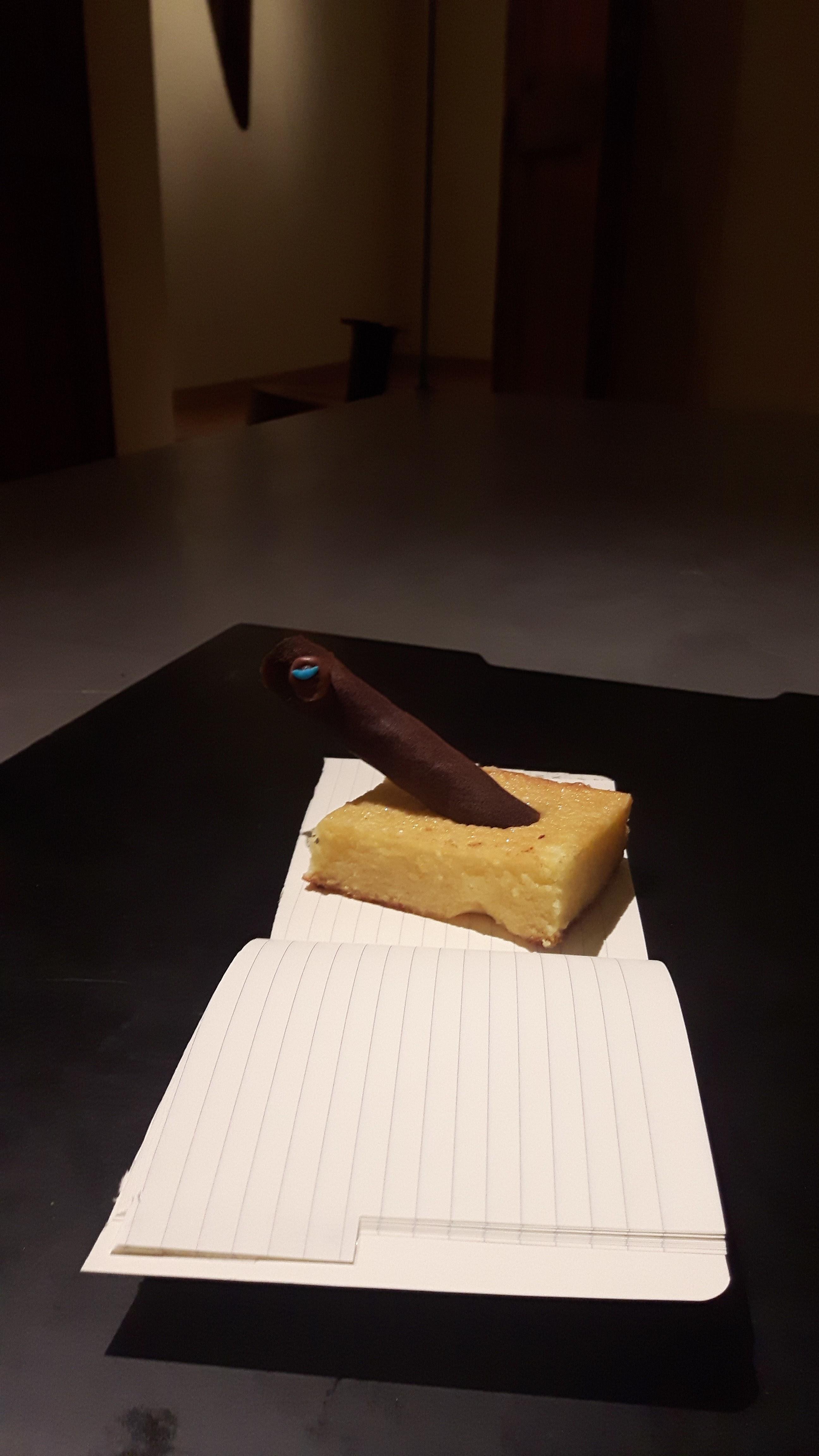
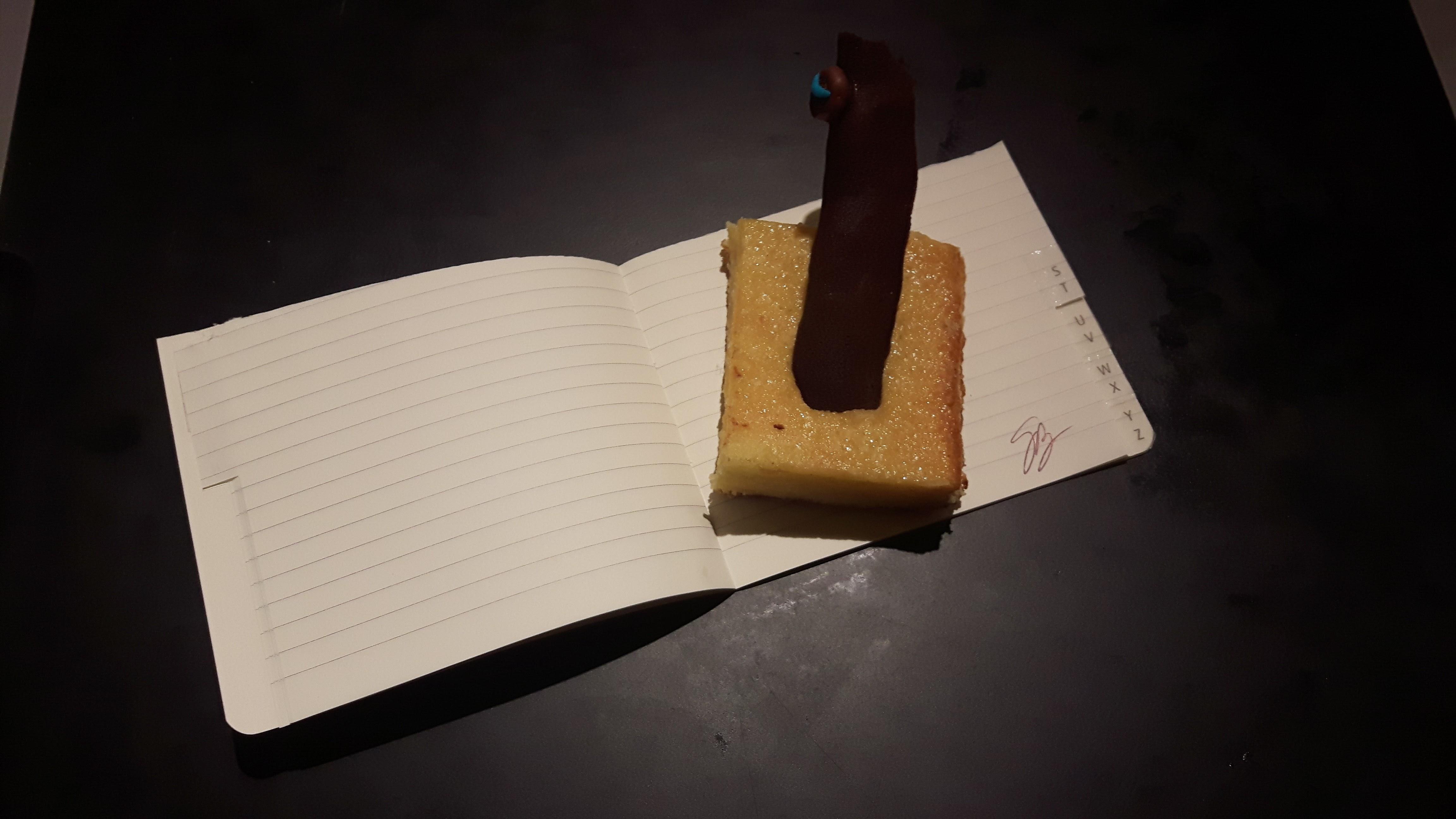
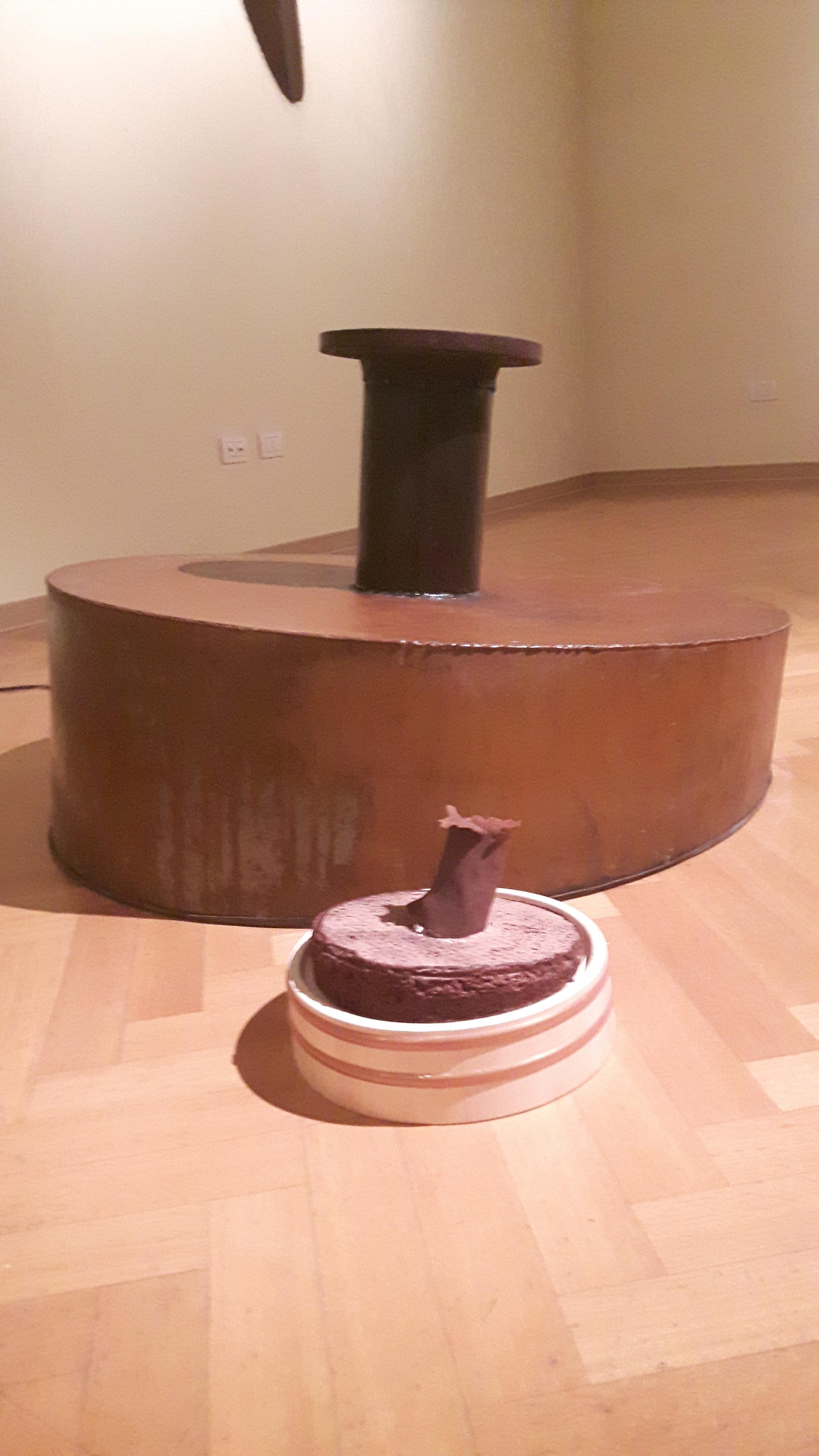
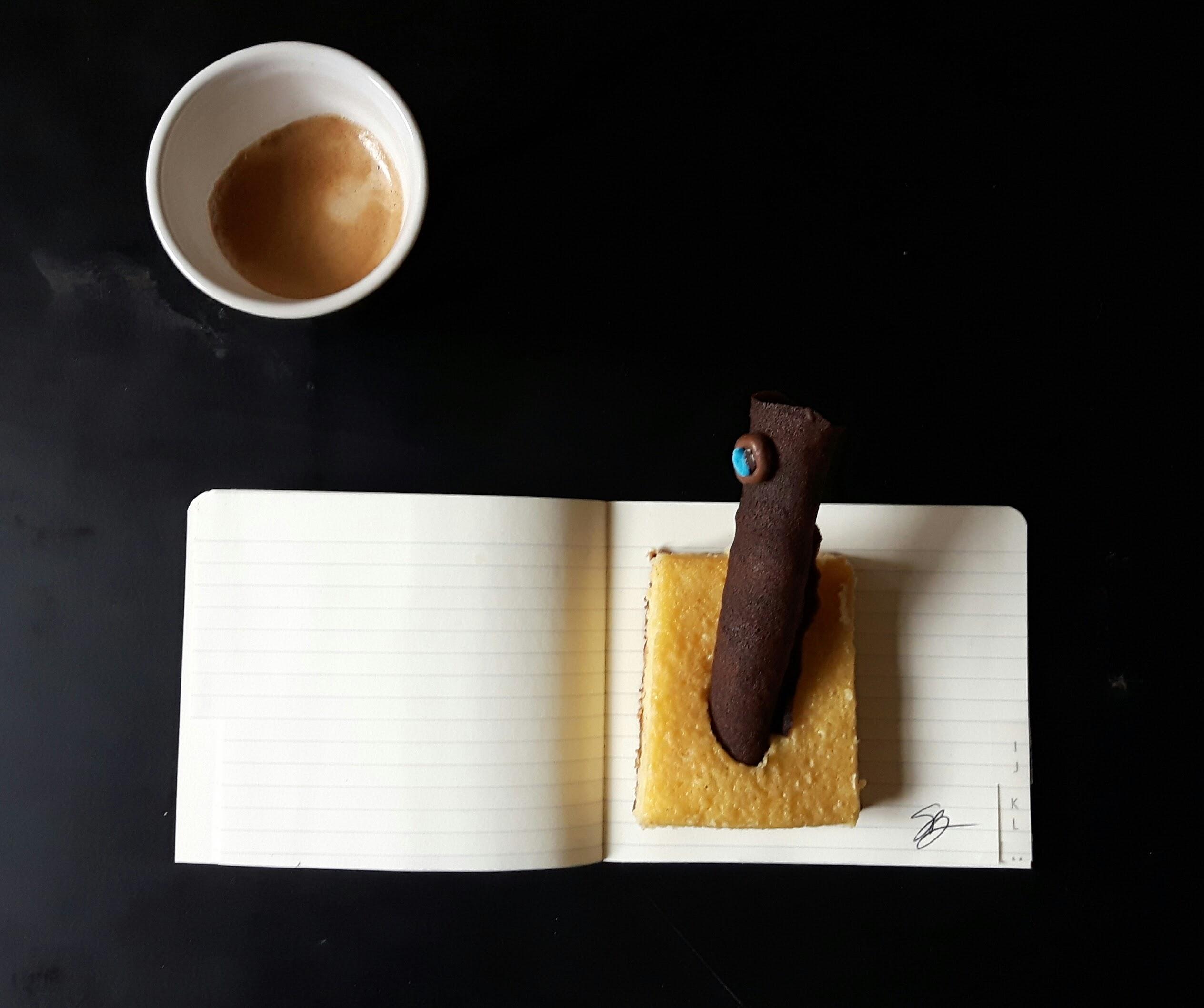
More...
Silvia Camporesi
Additional Info
-
Intoduction
Silvia Camporesi has explored over a year and a half all the Italian regions in research of abandoned countries and buildings. "Atlas Italiae" is the result of this collection of images, an ideal map of Italy that is disappear, an atlas of fading. The artist lets us discover hidden and often unveiled corners, magical places in their peeling marks, they are pervaded by impalpable energies. The photographic series presents itself as a poetic collection of places (uninhabited villages, crumbling architectures, industrial archeology) founded on the search for fragments of memory. This mapping has no intent to report, but ideally incorporates the spirit of the Grand Tour, the search for past sign, still bearers of traces of lives experienced, with which to confront to reflect on the present in order to imagine the future. Once the artists went to discover the Roman ruins, today Silvia Camporesi searches for the contemporary ruins to observe the passing of time.
On the occasion of the MLB exhibition Maria Livia Brunelli, the home gallery in front of the Estense Castle, the artist decided to deepen his exploration of the territory of Ferrara in the footsteps of the fascinating places described by Giorgio Bassani. Bassani is a writer born in Ferrara and from there he became internationally famous thanks to "Il Giardino dei Finzi Contini". A spiritual assonance links the writer to the photographer from Forlì, because the Camporesi develops and continues the exhortation of Bassani to honor and respect the vestiges of the Italian past, which was the basis of his activity in "Italia Nostra", trace that, according to Camporesi, are not limited to the past of the Renaissance but are also those of the most recent history that, observed with greater attention, are not less worthy of respect and full of charm.
In fact, part of the photos that make up the installation exposed to the MLB was taken in Ferrara on the wave of the evocations of the gardens and views described by Bassani in his books. the grandiose installation on the central wall of the gallery are all photographs printed in black and white and then meticulously hand-colored by the artist, to give a conceptual resemblance to places and stories that have lost color, but which Silvia Camporesi has decided to bring back in light and memory. -
Exhibited Works
-
Title
Title
-
Title
Title
-
Title
Title
-
Title
Title
-
Title
Title
-
Title
Title
-
Title
Title
-
Title
Title
-
Title
Title
-
Title
Title
-
Title
Title
-
Title
Title
-
Title
Title
-
Title
Title
-
Title
Title
-
Title
Title
View the embedded image gallery online at:
https://www.mlbgallery.com/en/events/itemlist?start=126#sigProIdd38044b603 -
-
Exhibition Set Up
View the embedded image gallery online at:
https://www.mlbgallery.com/en/events/itemlist?start=126#sigProId4e9dccb6ba -
Vernissage: Photo Gallery
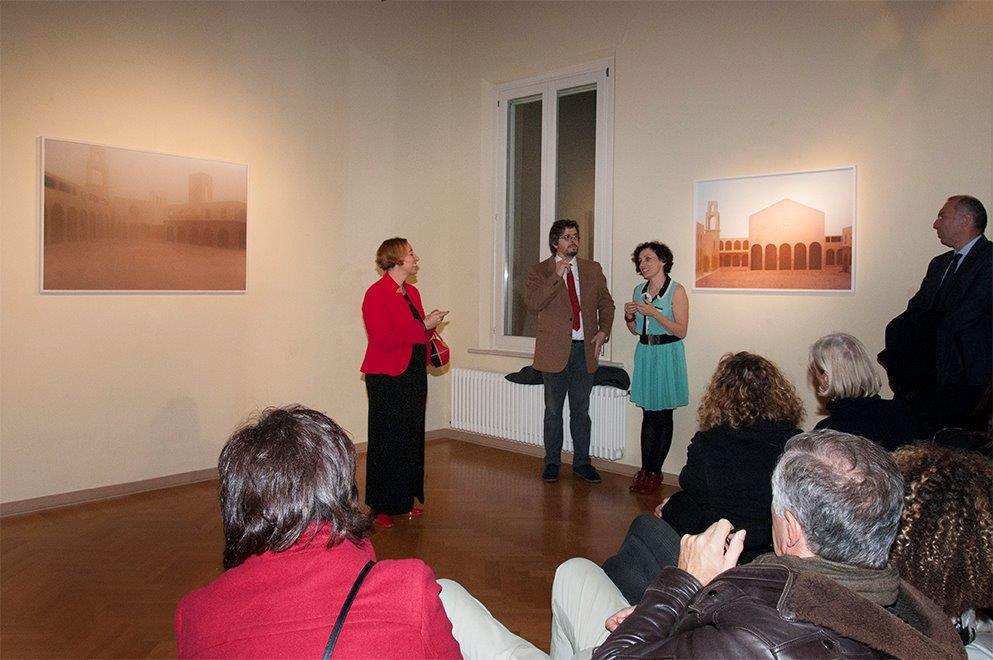
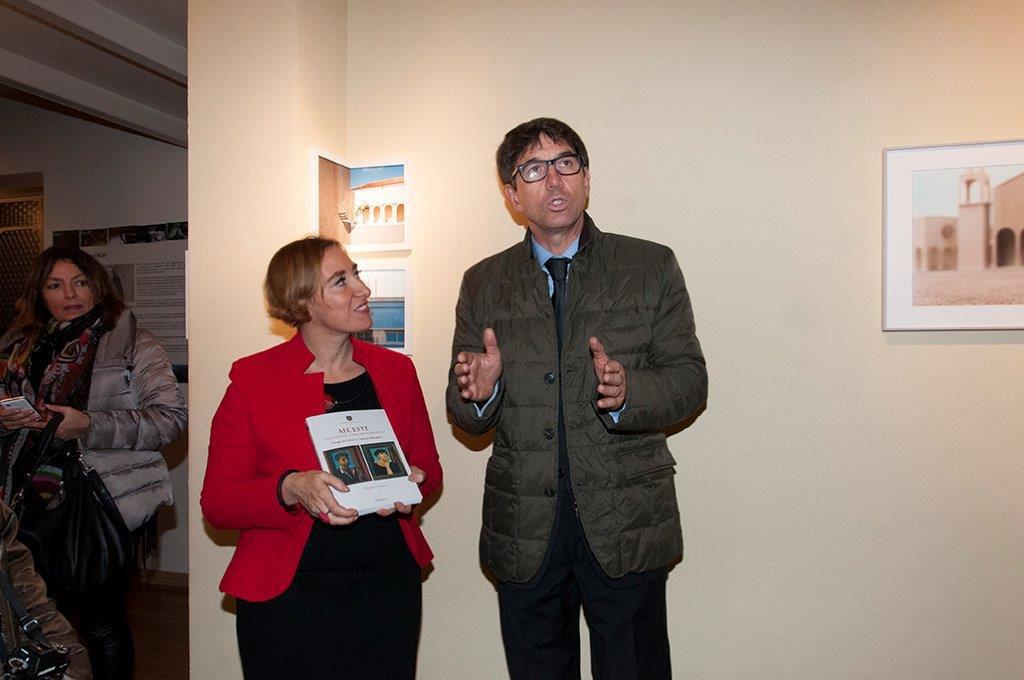
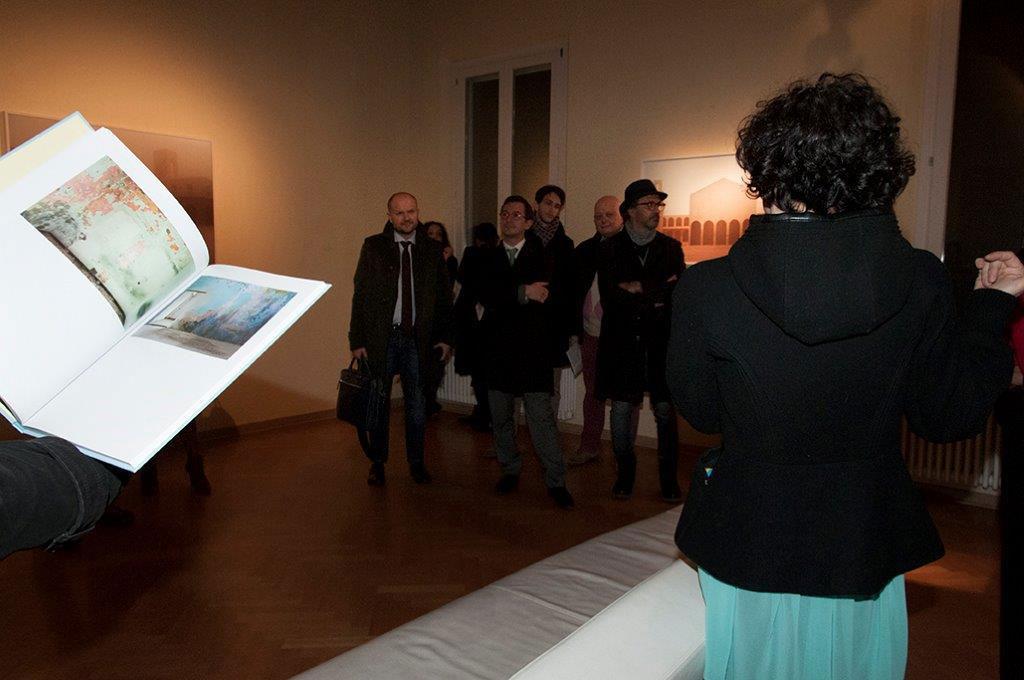
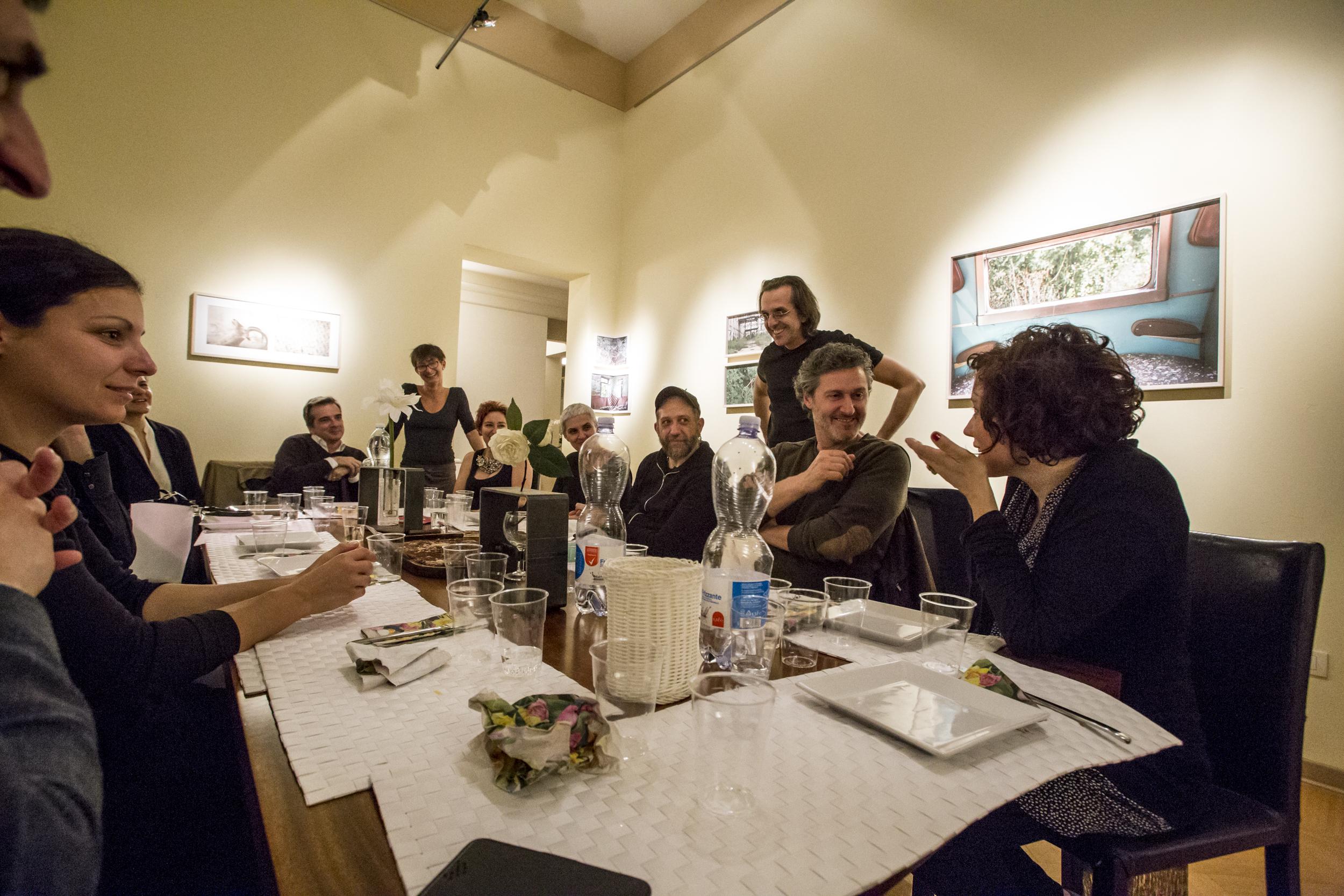
Pubblico di appassionati ed artisti al vernissage e alla cena
-
Title
Title
-
Title
Title
-
Title
Title
-
Title
Title
-
Title
Title
-
Title
Title
-
Title
Title
-
Title
Title
-
Title
Title
-
Title
Title
-
Title
Title
-
Title
Title
-
Title
Title
-
Title
Title
-
Title
Title
-
Title
Title
-
Title
Title
-
Title
Title
-
Title
Title
-
Title
Title
-
Title
Title
-
Title
Title
-
Title
Title
-
Title
Title
-
Title
Title
-
Title
Title
-
Title
Title
-
Title
Title
-
Title
Title
-
Title
Title
-
Title
Title
-
Title
Title
-
Title
Title
-
Title
Title
-
Title
Title
-
Title
Title
-
Title
Title
-
Title
Title
-
Title
Title
-
Title
Title
-
Title
Title
-
Title
Title
-
Title
Title
-
Title
Title
-
Title
Title
-
Title
Title
View the embedded image gallery online at:
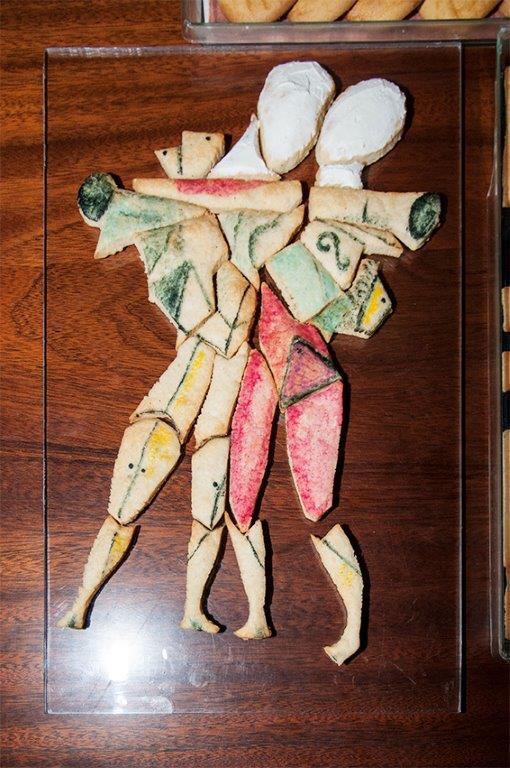
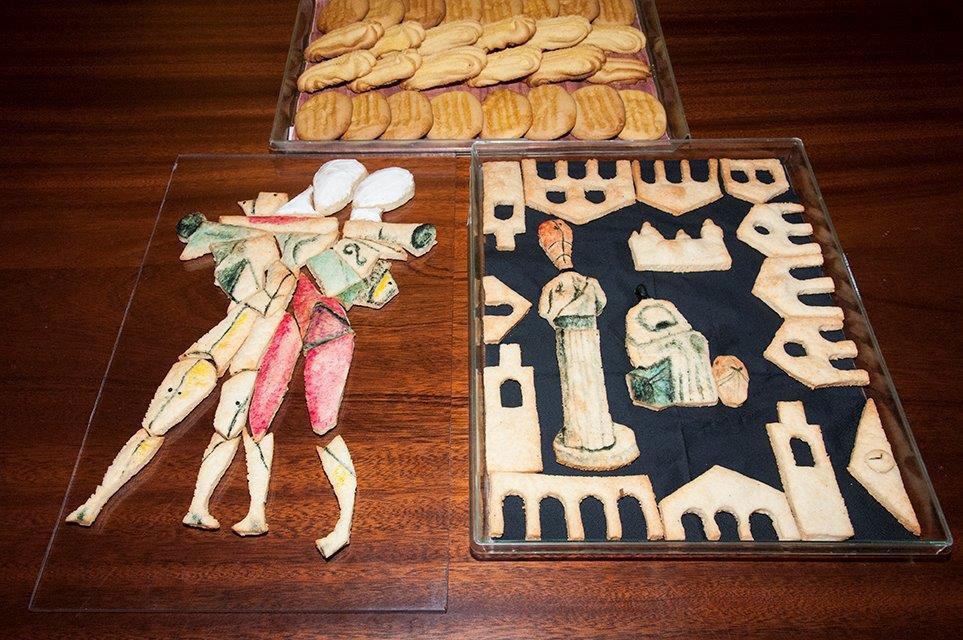
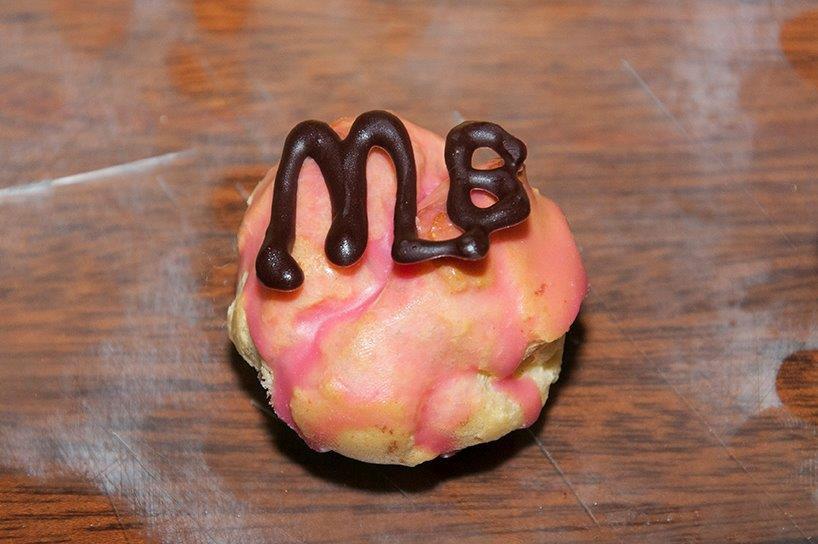
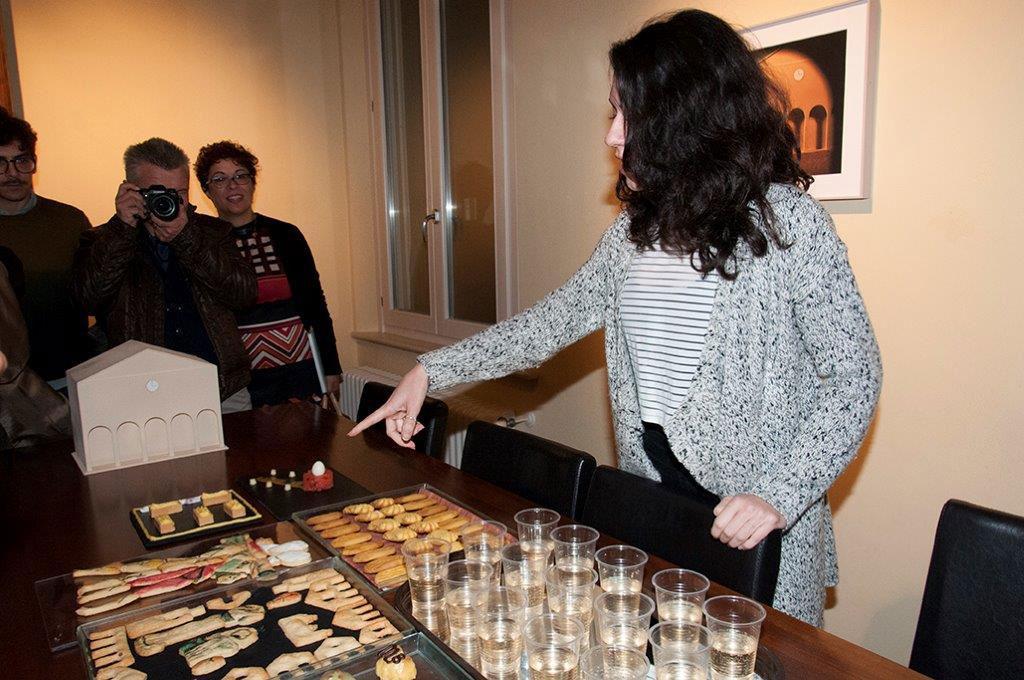
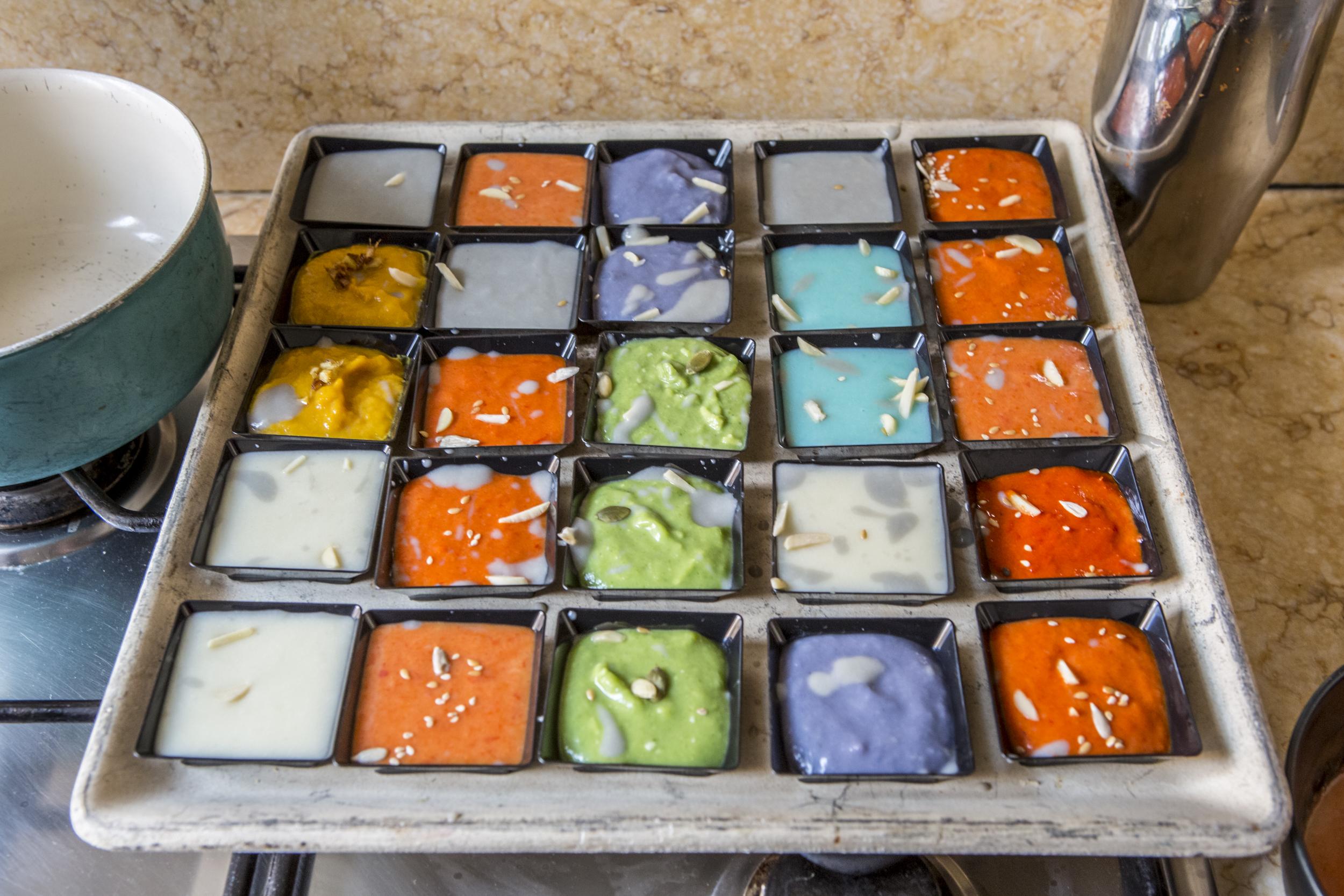
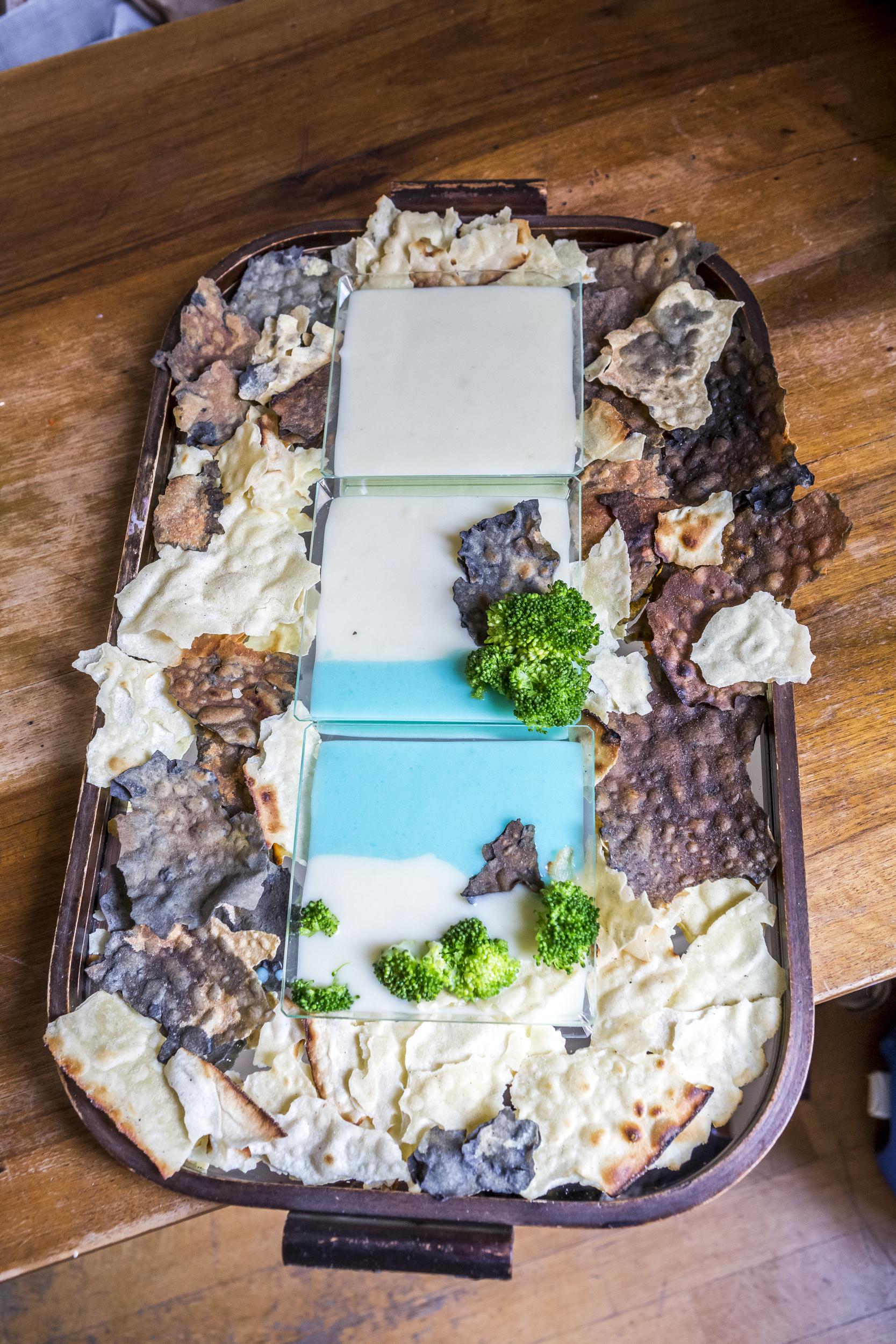
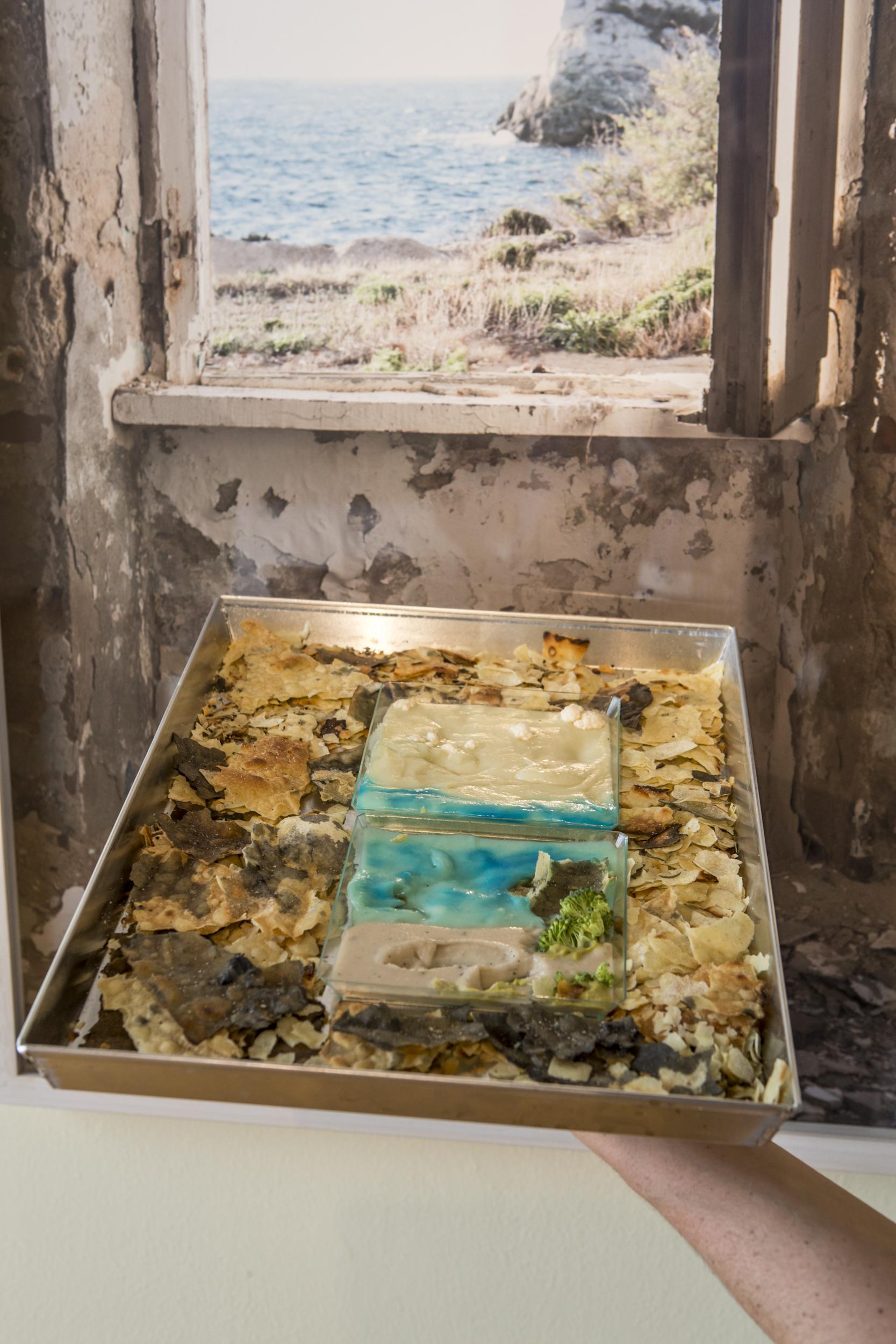
https://www.mlbgallery.com/en/events/itemlist?start=126#sigProIda7ce882814Il finger food creato da Silvia Brunelli ispirato alle opere in mostra
-
Title
Title
-
Title
Title
-
Title
Title
-
Title
Title
-
Title
Title
-
Title
Title
-
Title
Title
-
Title
Title
-
Title
Title
-
Title
Title
-
Title
Title
View the embedded image gallery online at:
https://www.mlbgallery.com/en/events/itemlist?start=126#sigProId405aafd3c3 -
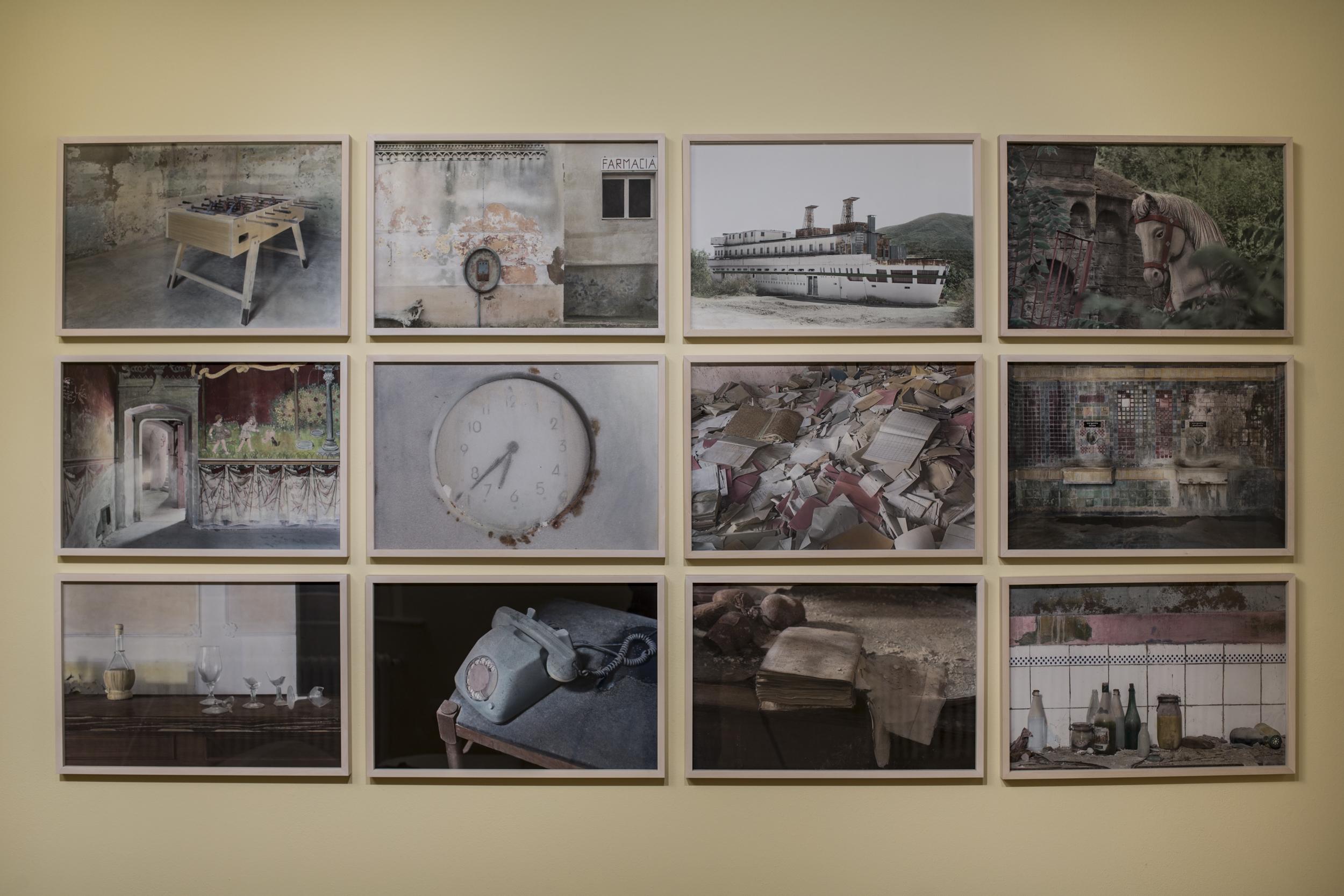
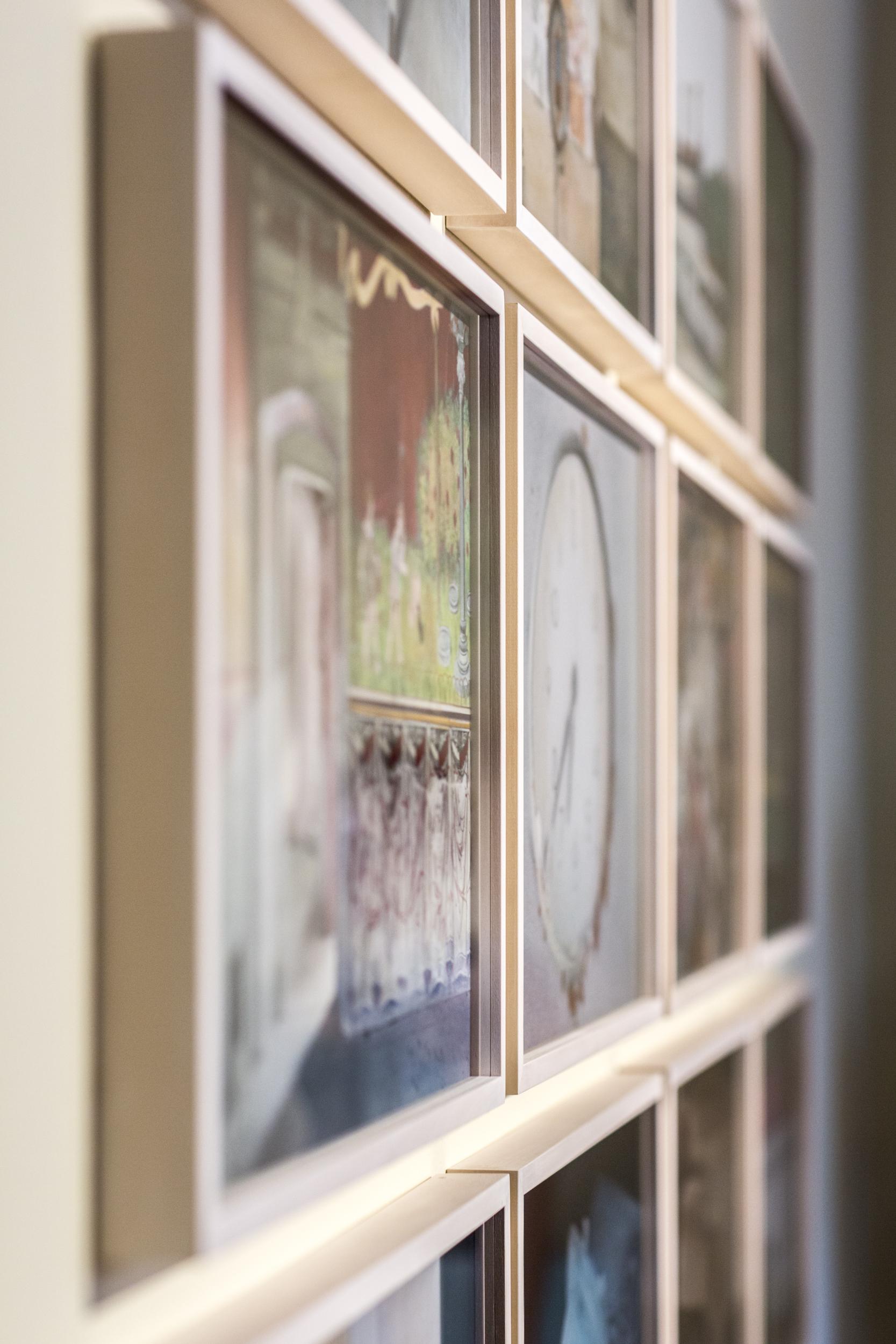
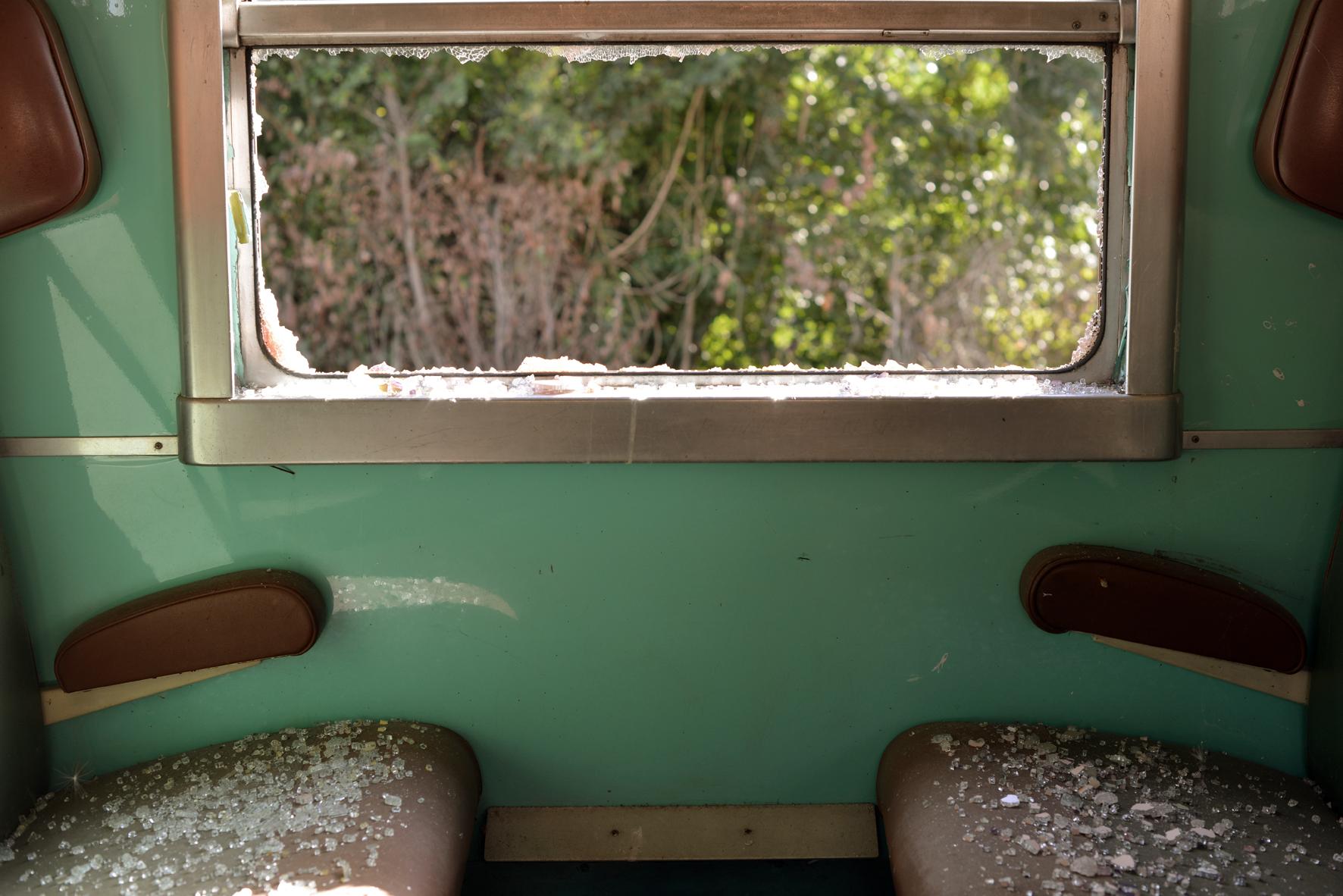
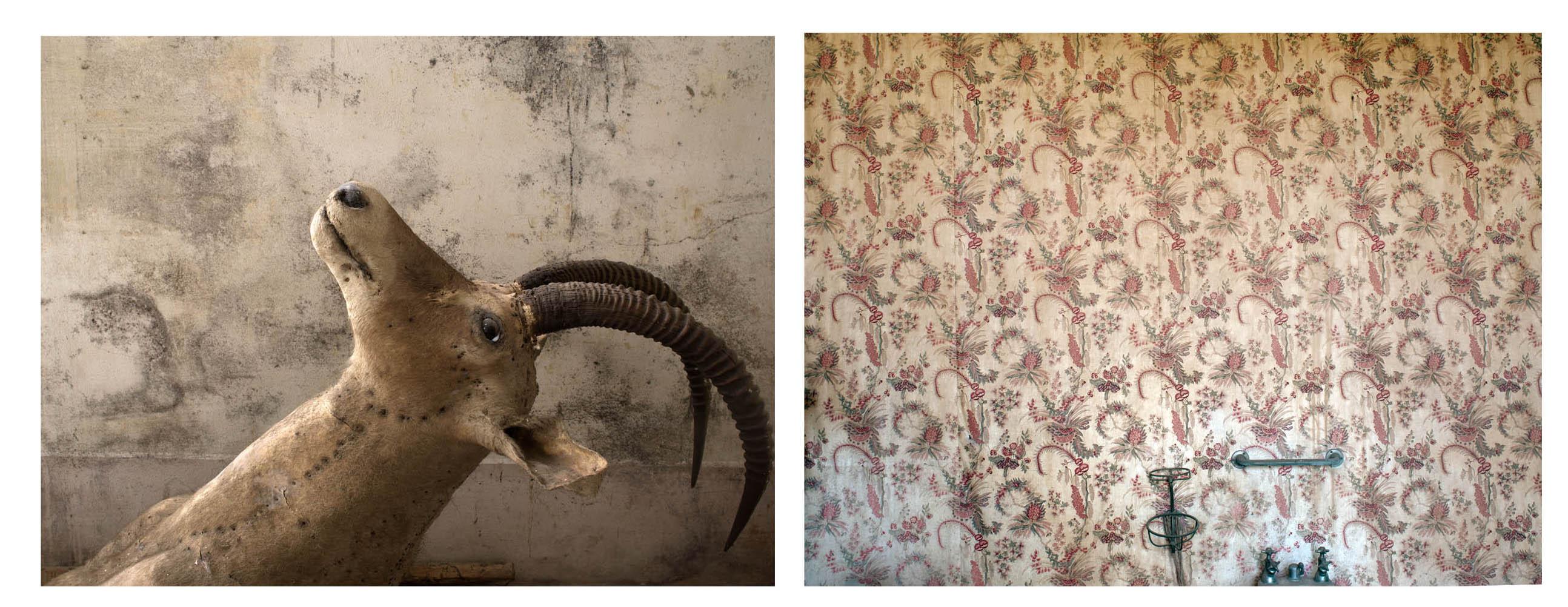
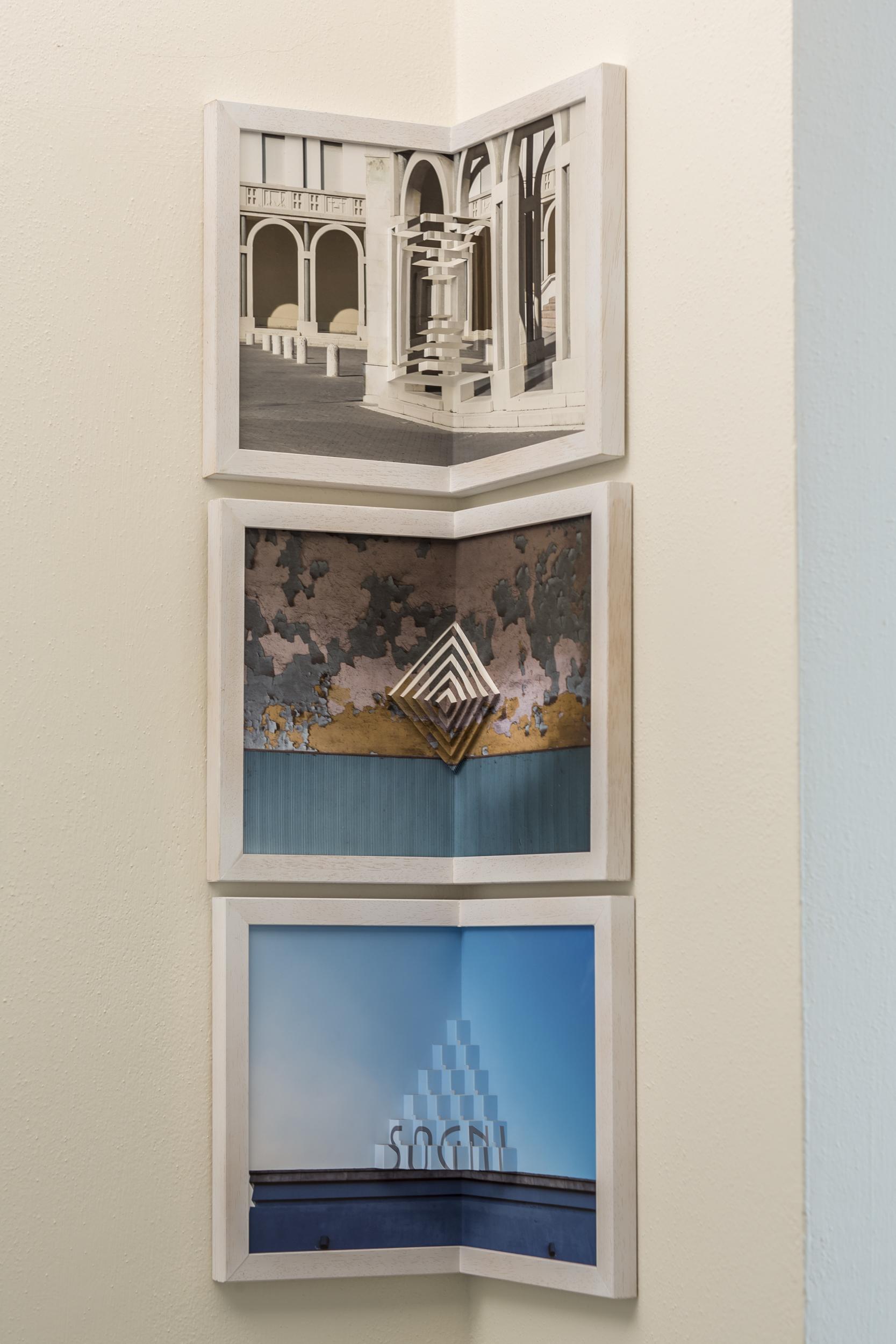
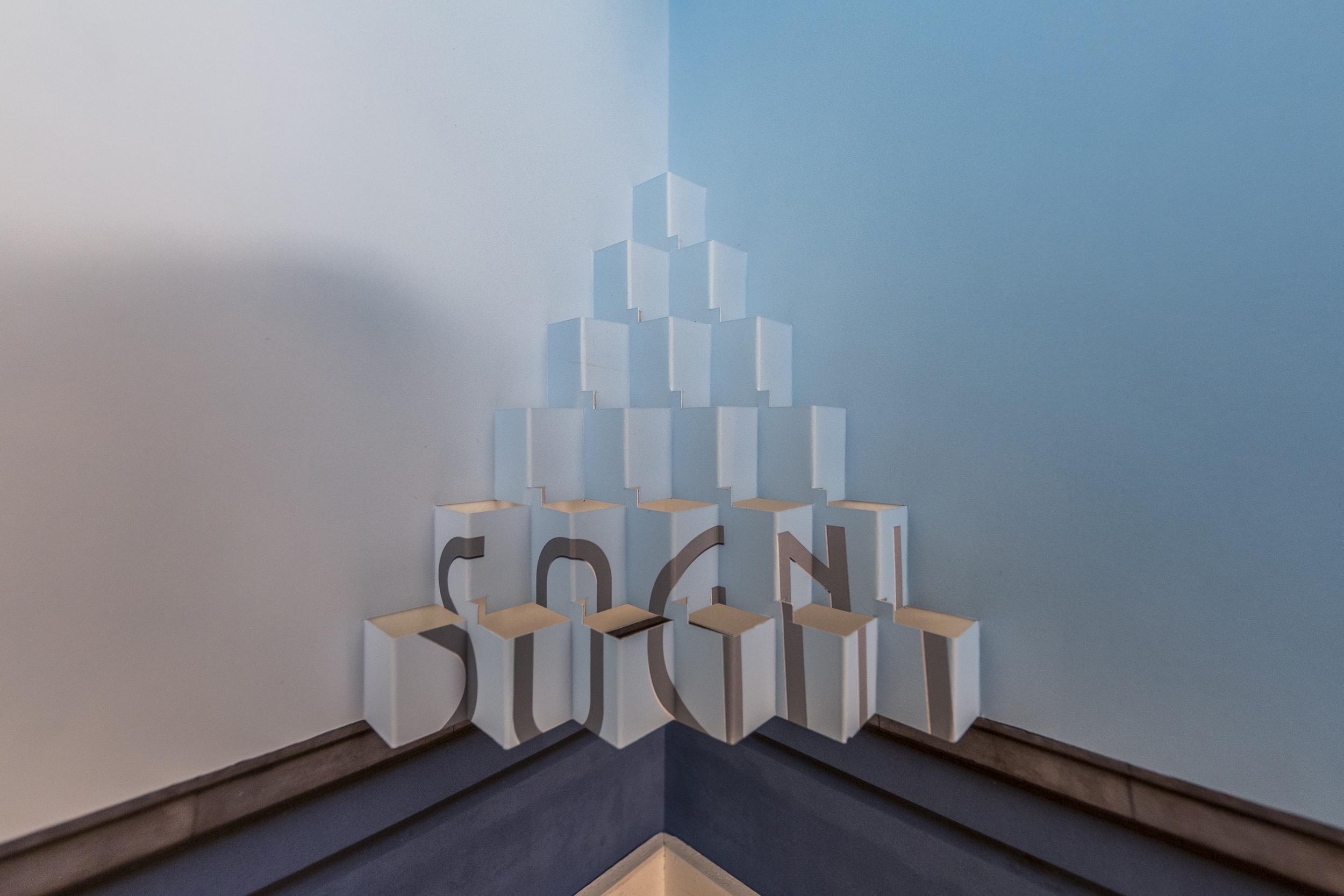
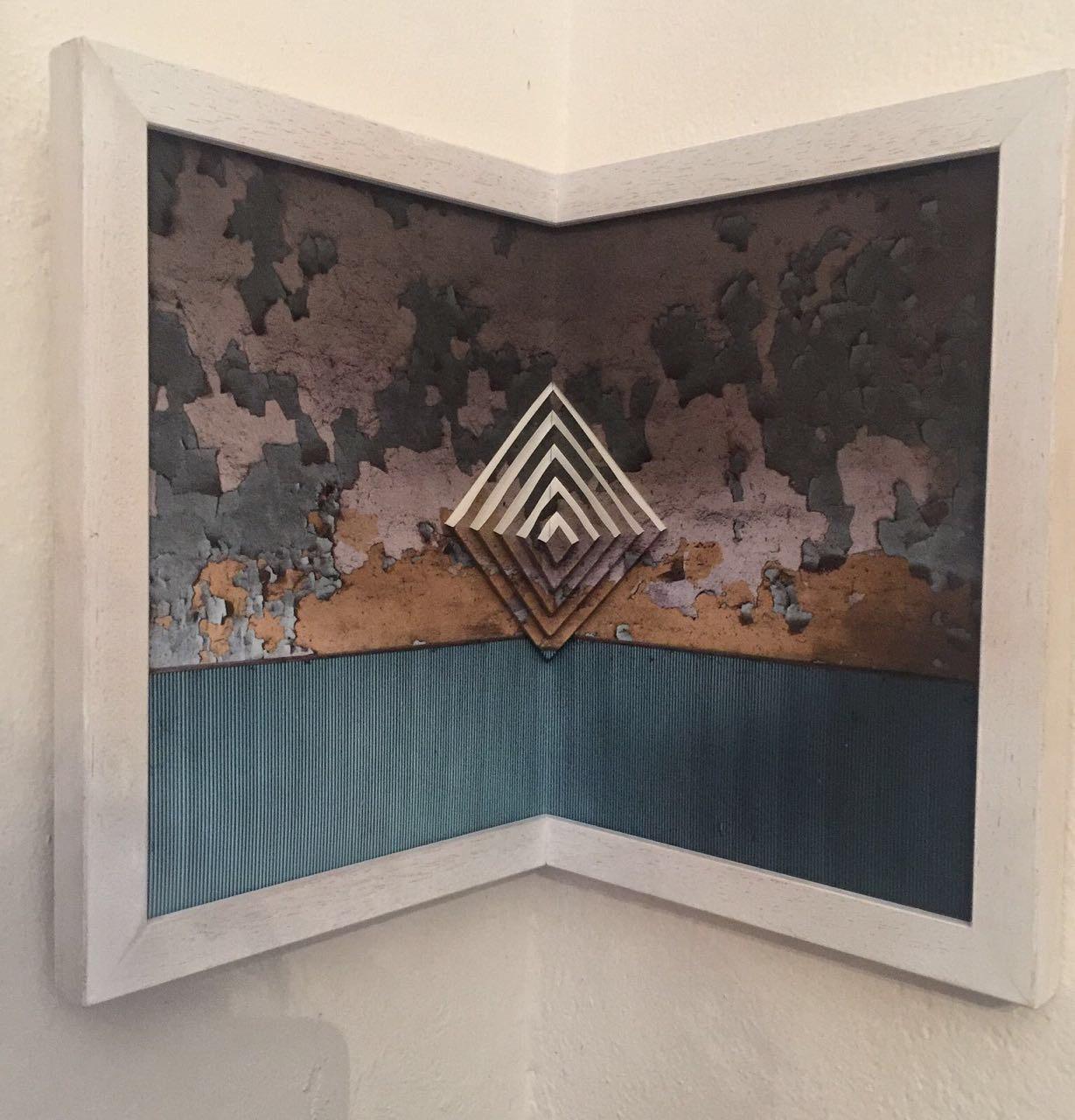
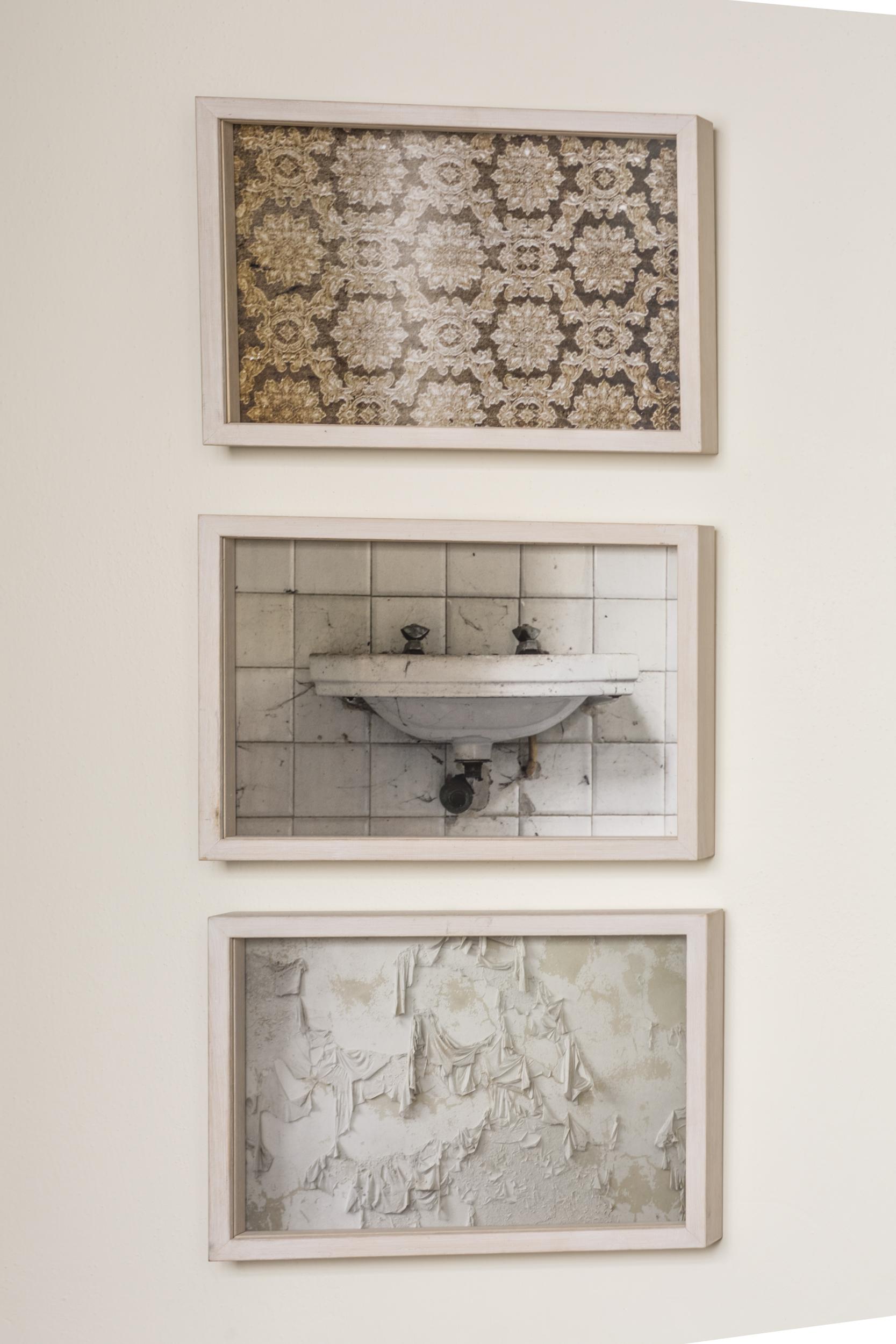
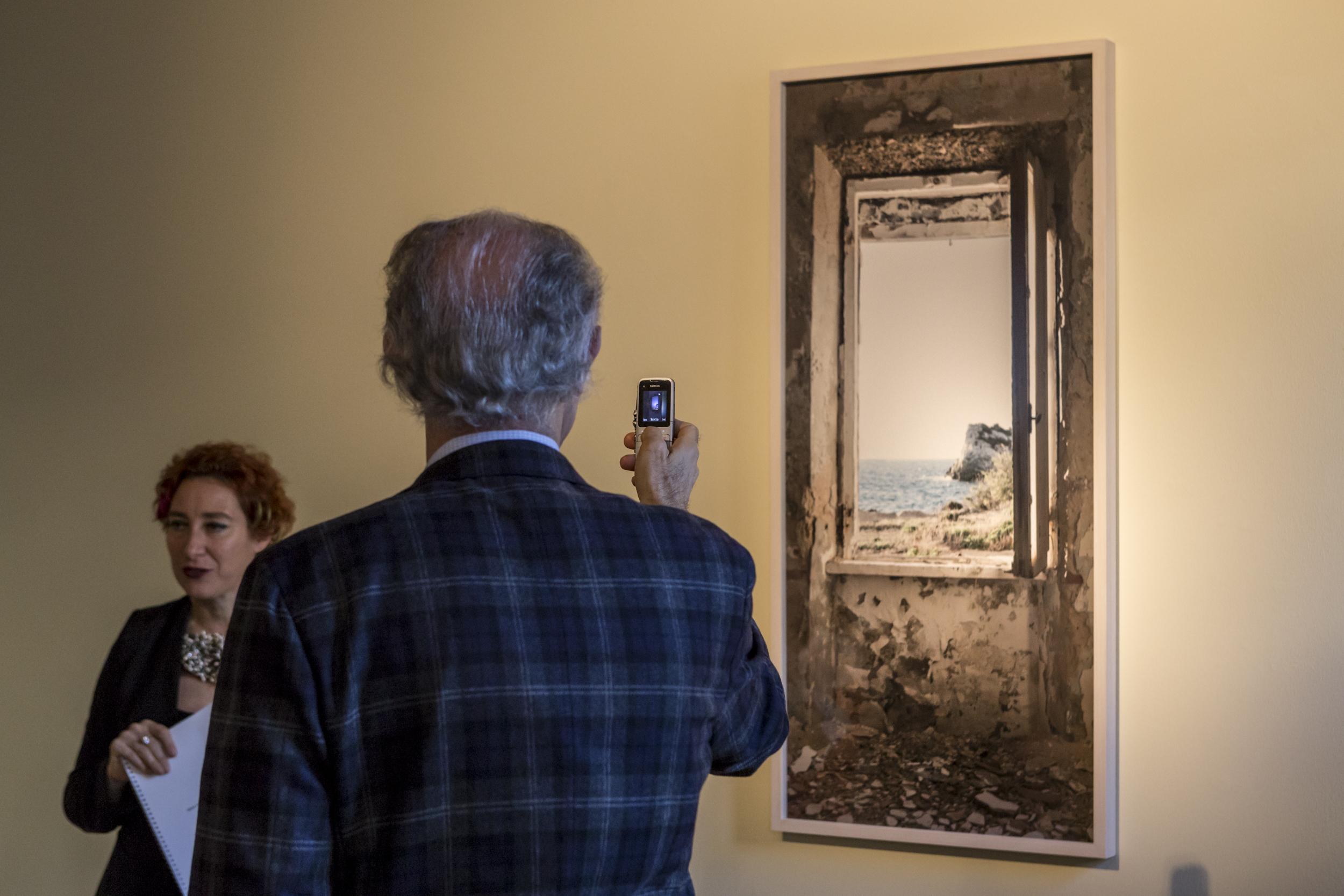
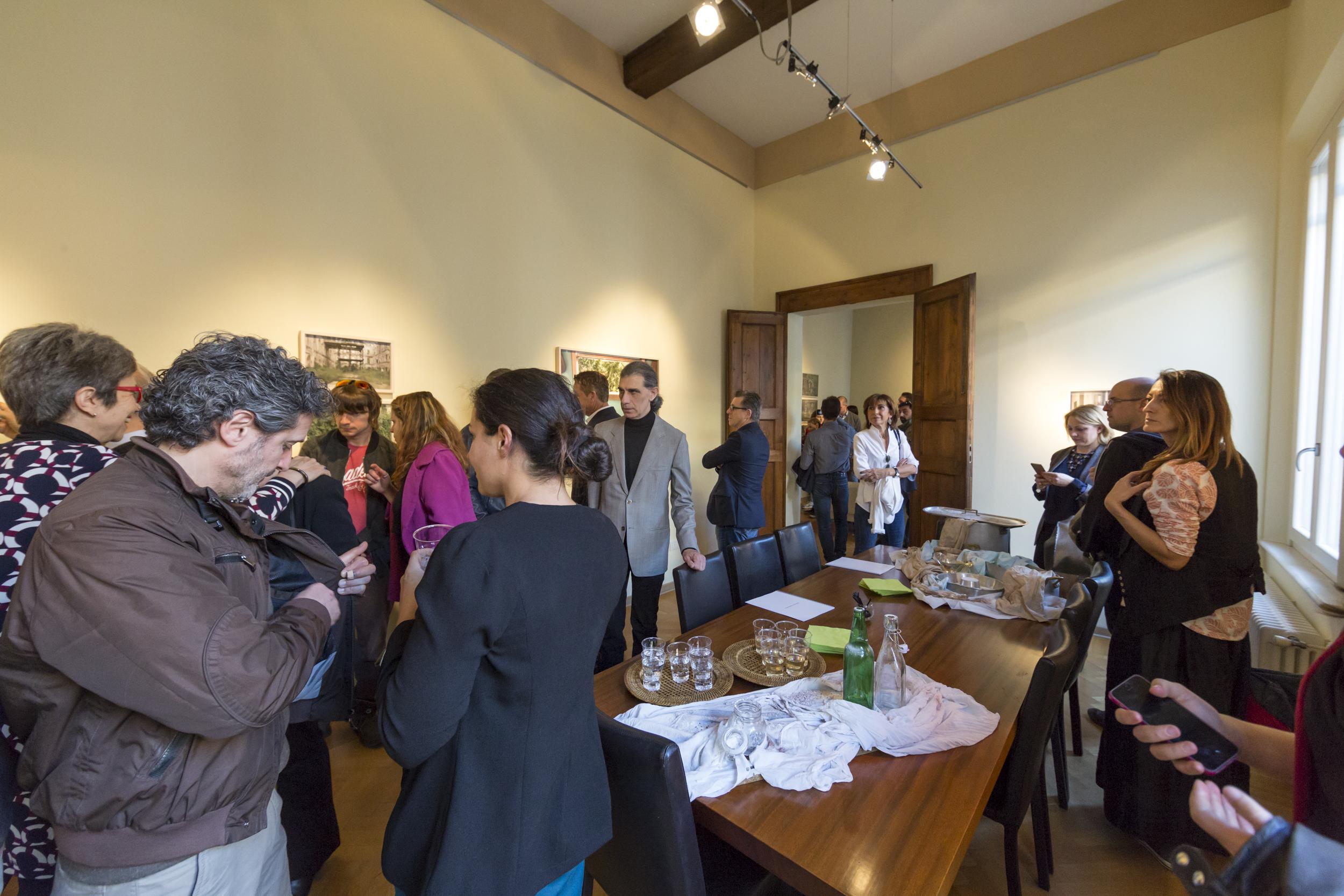
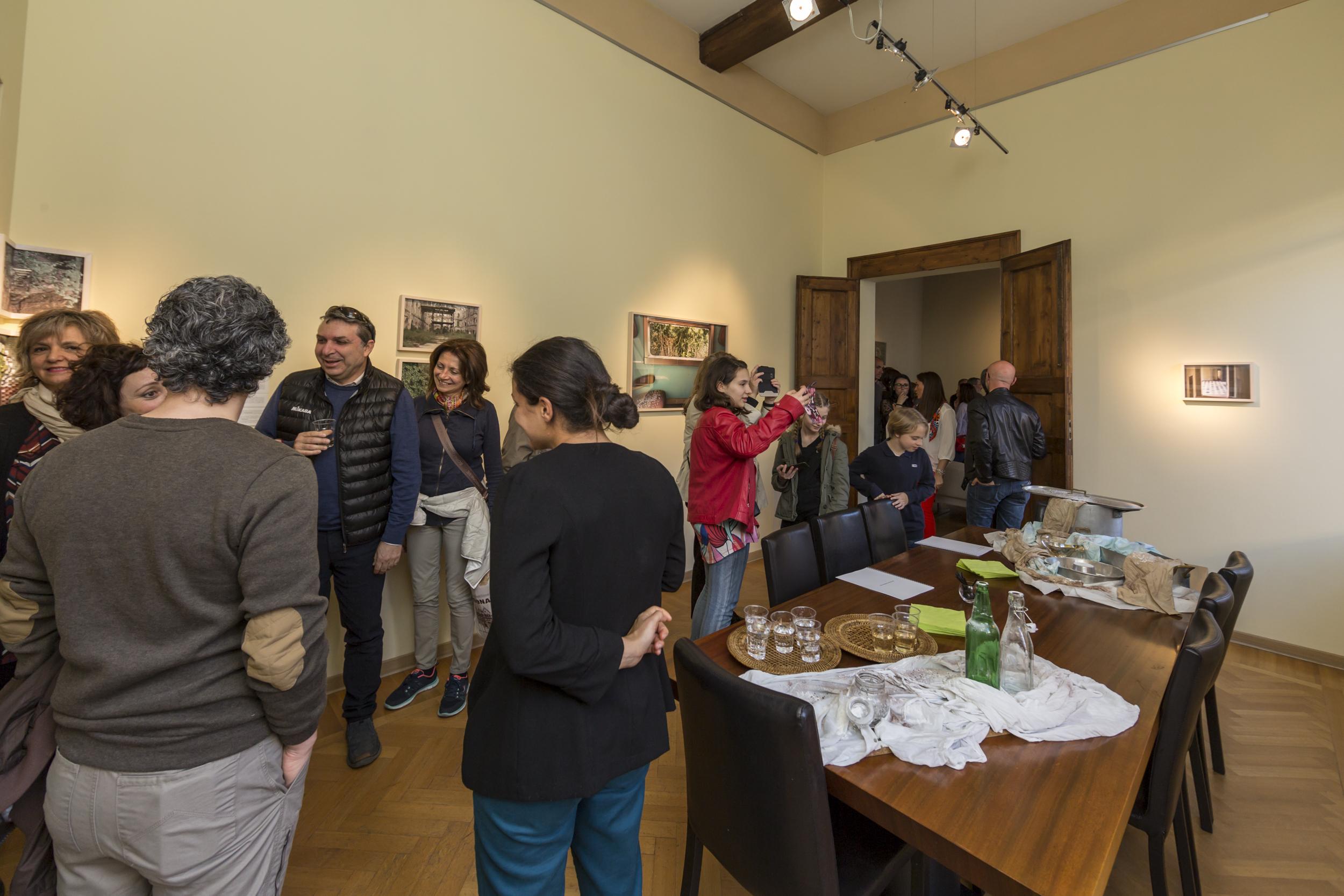
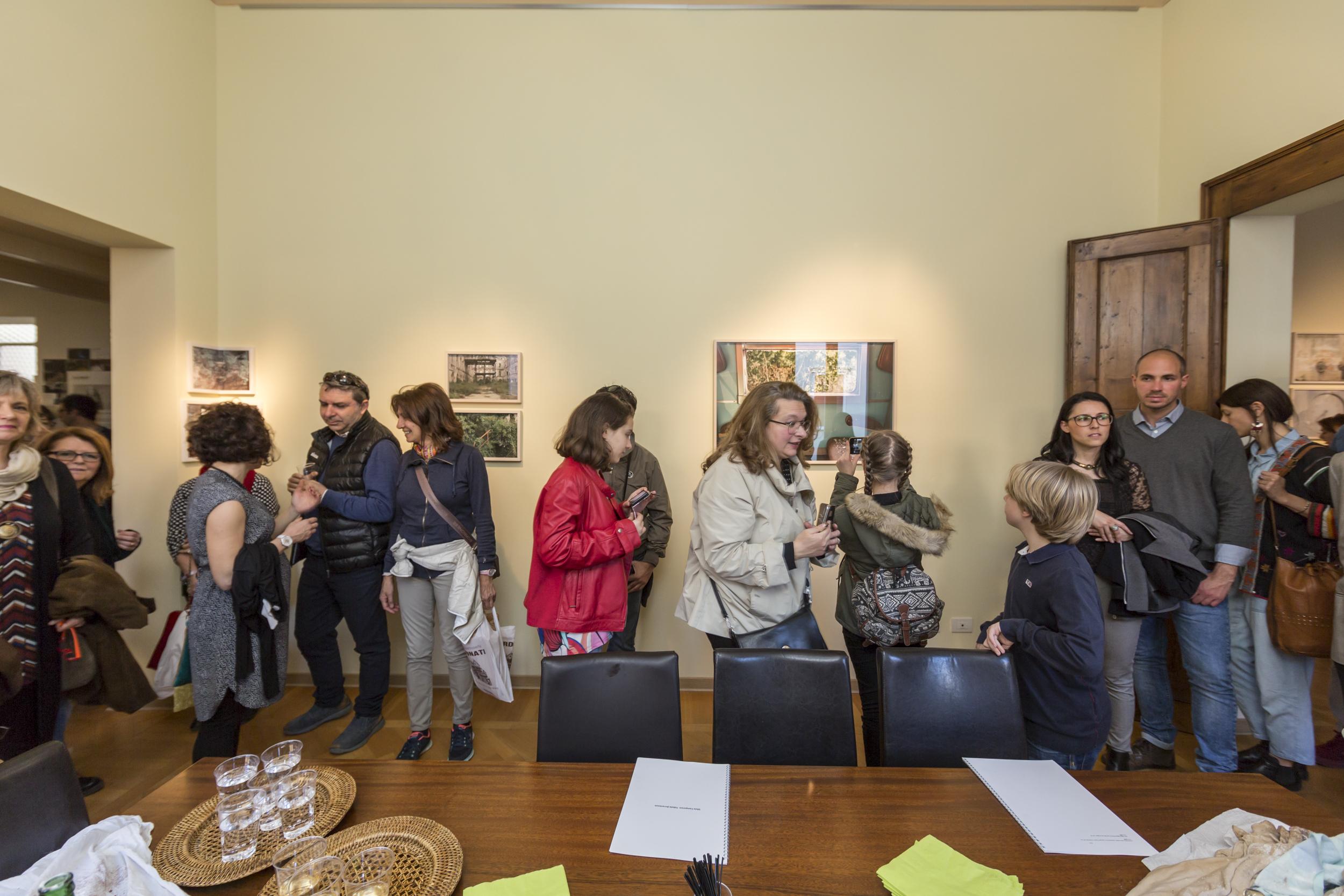
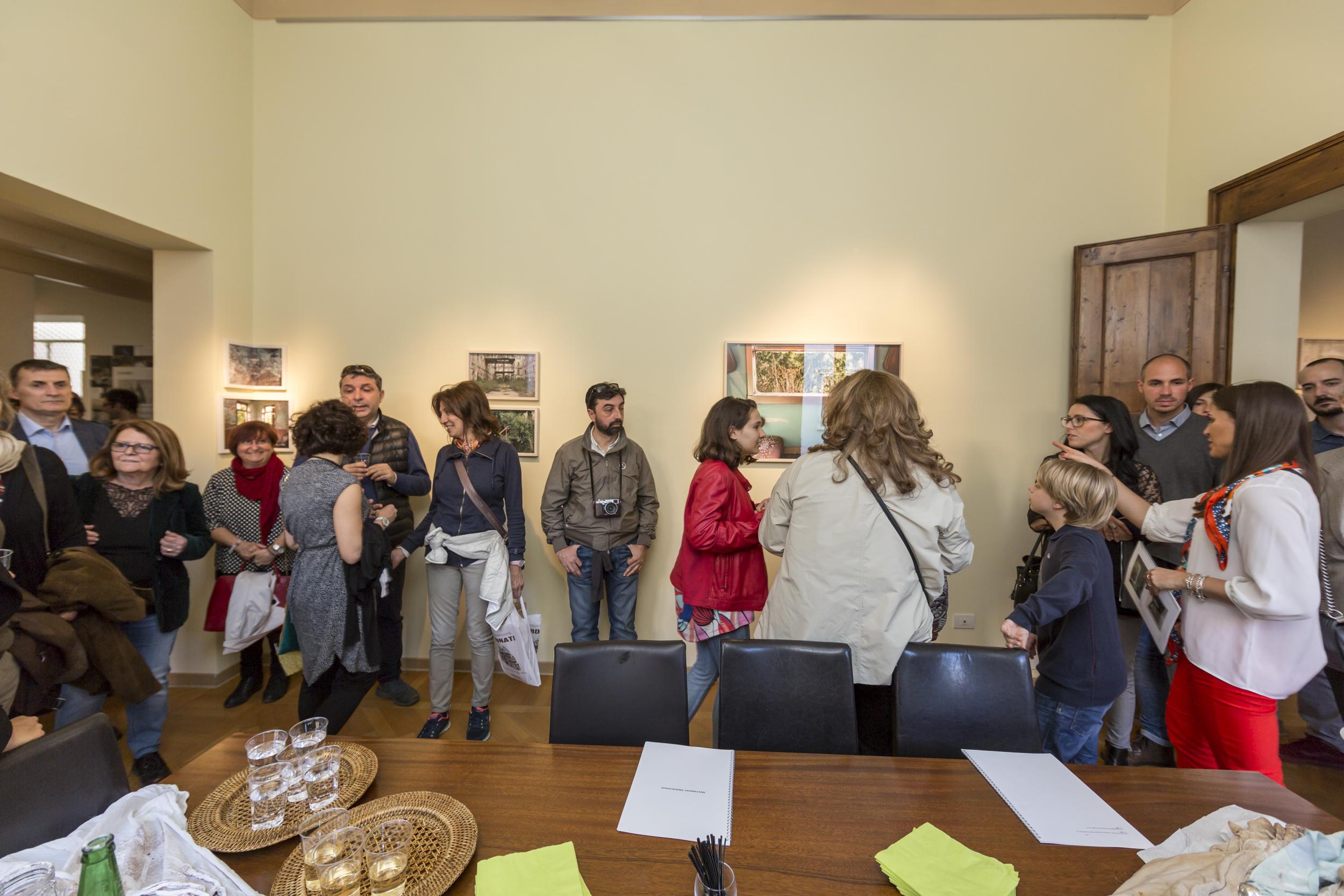
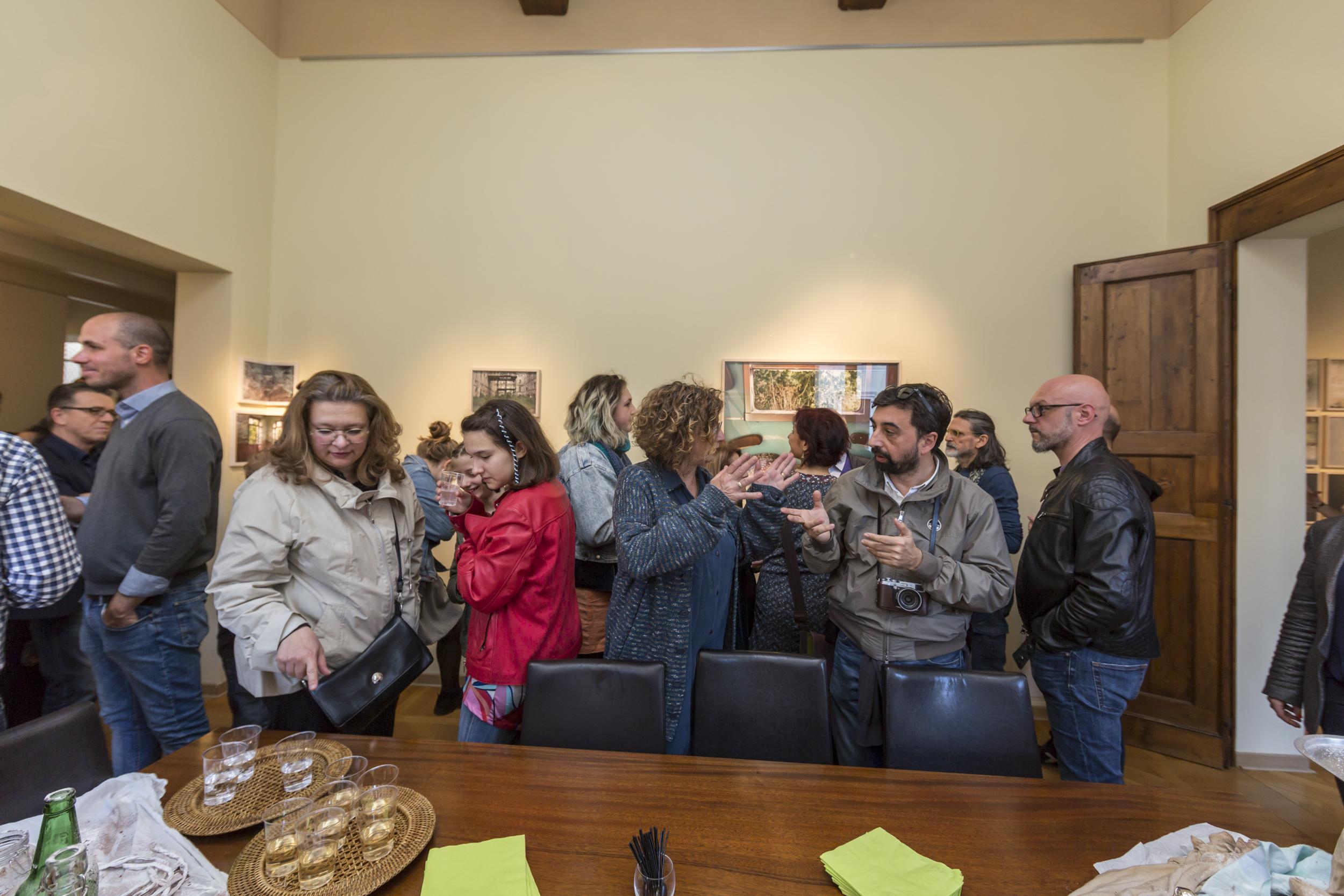


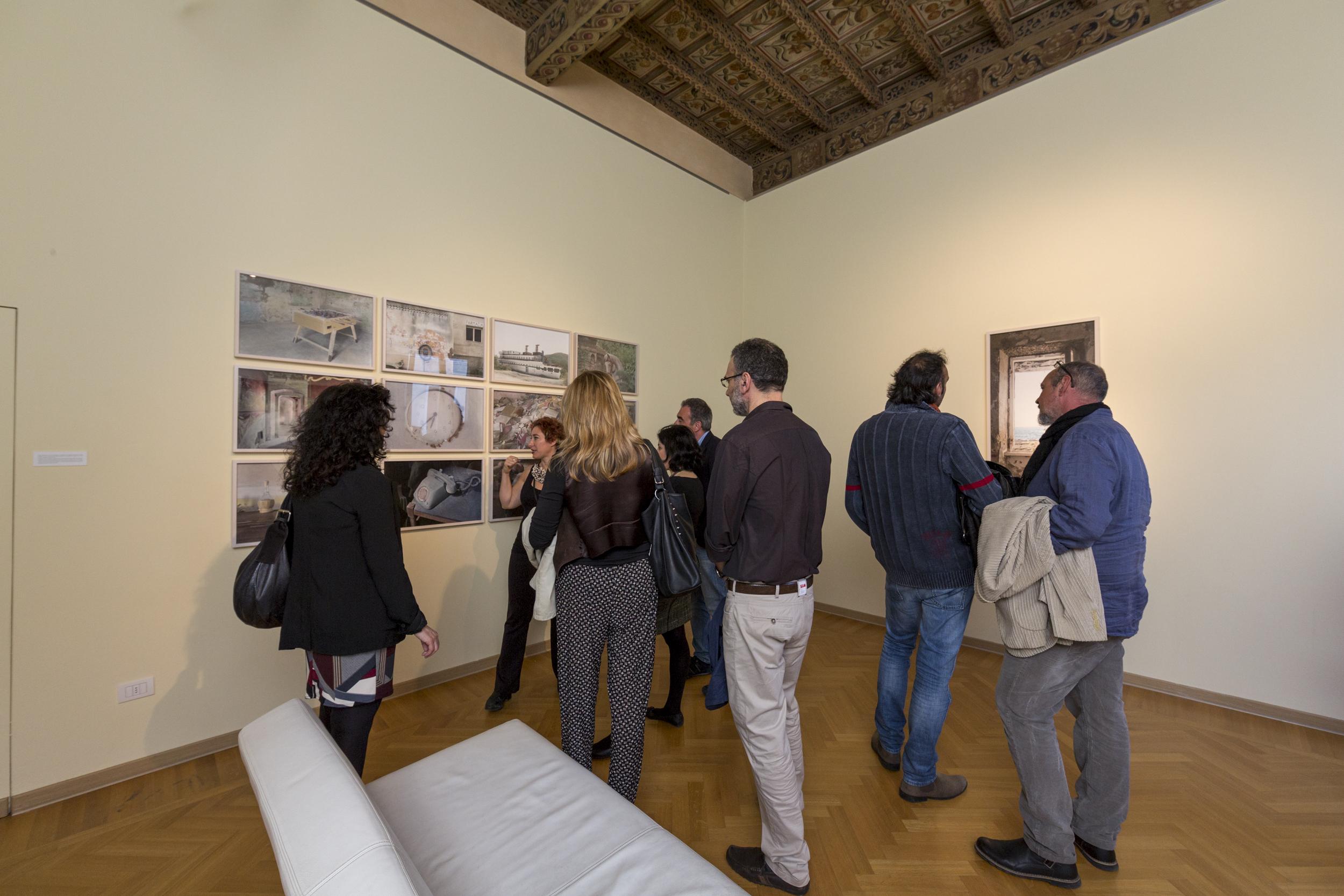
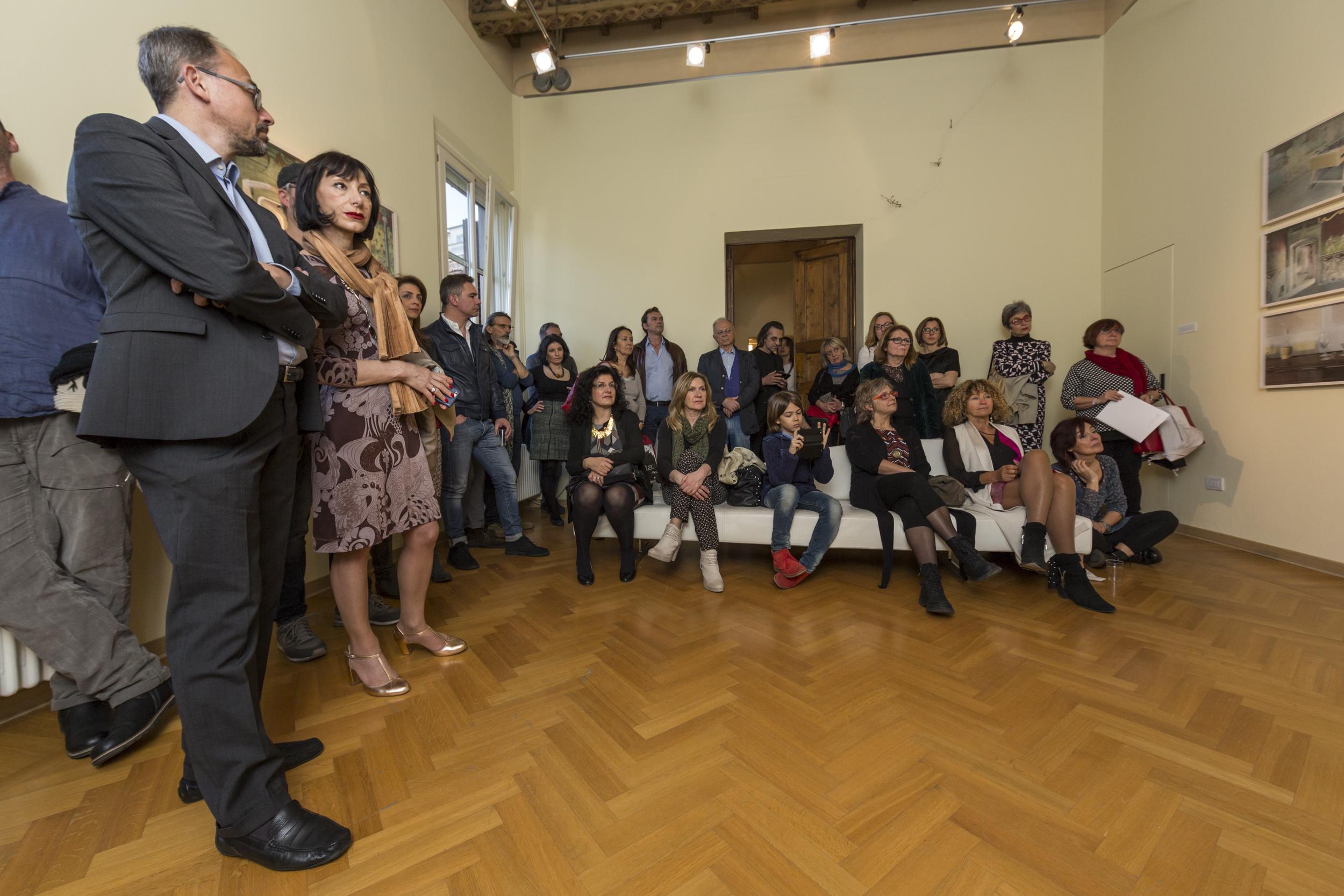
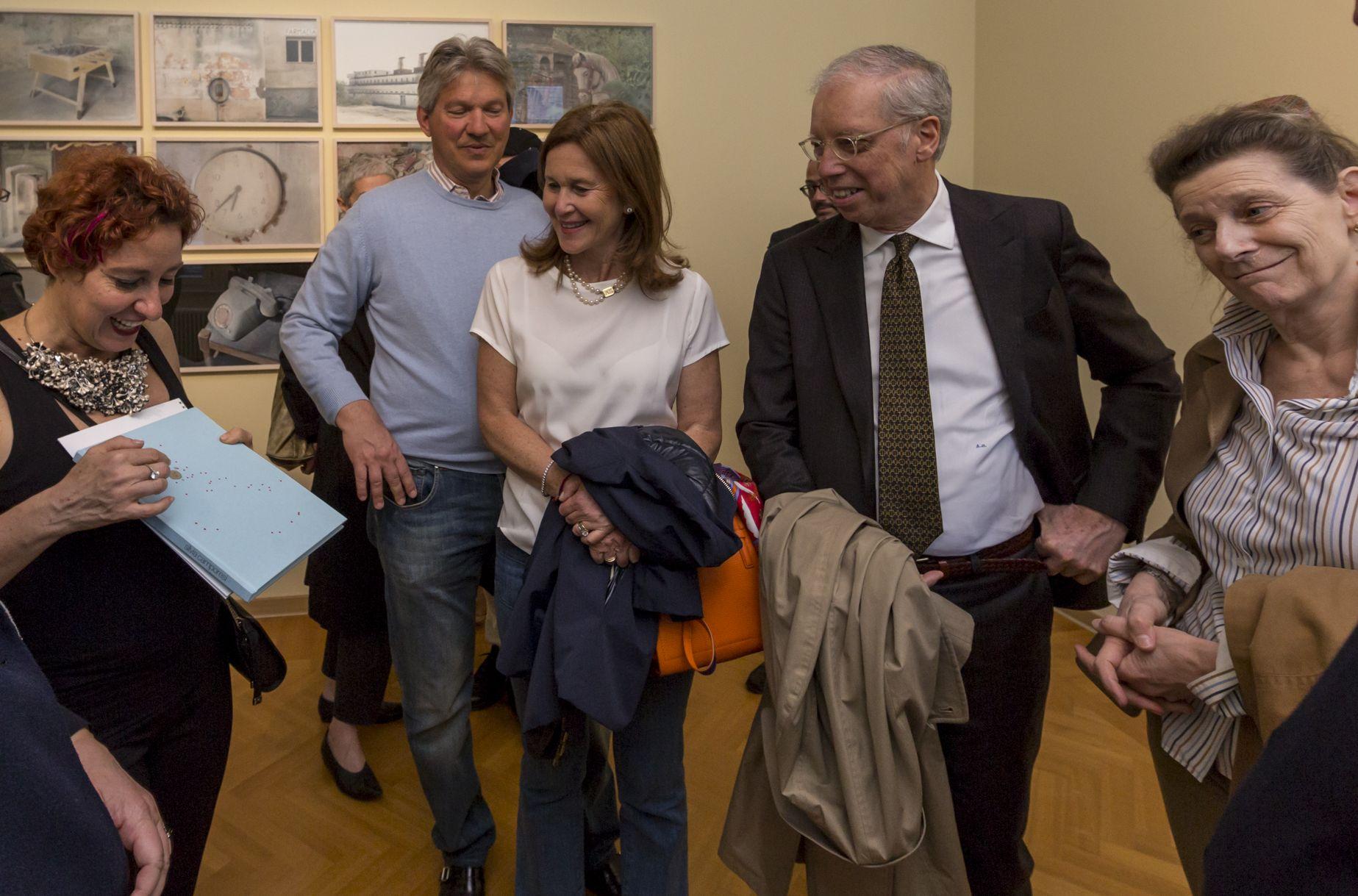
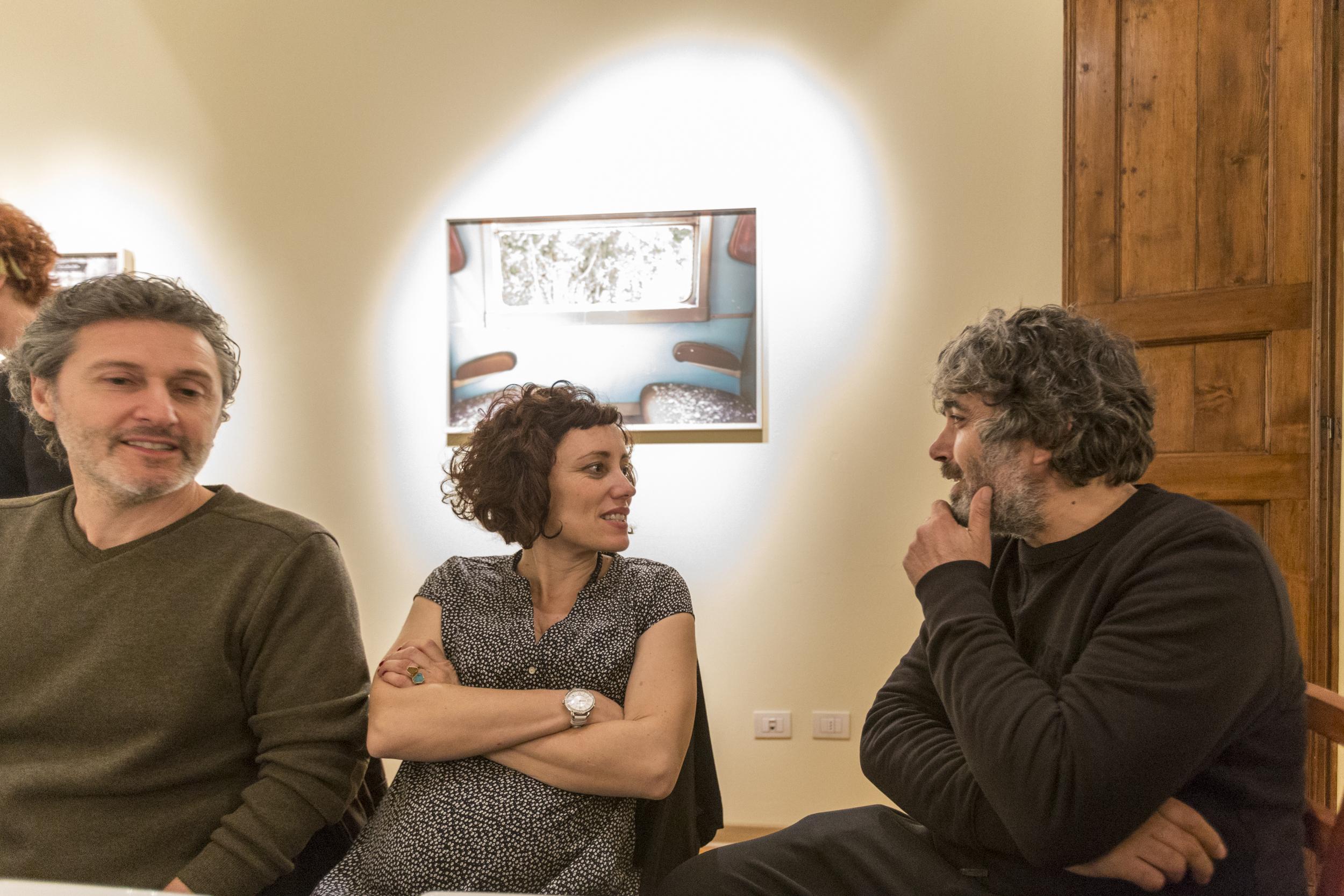
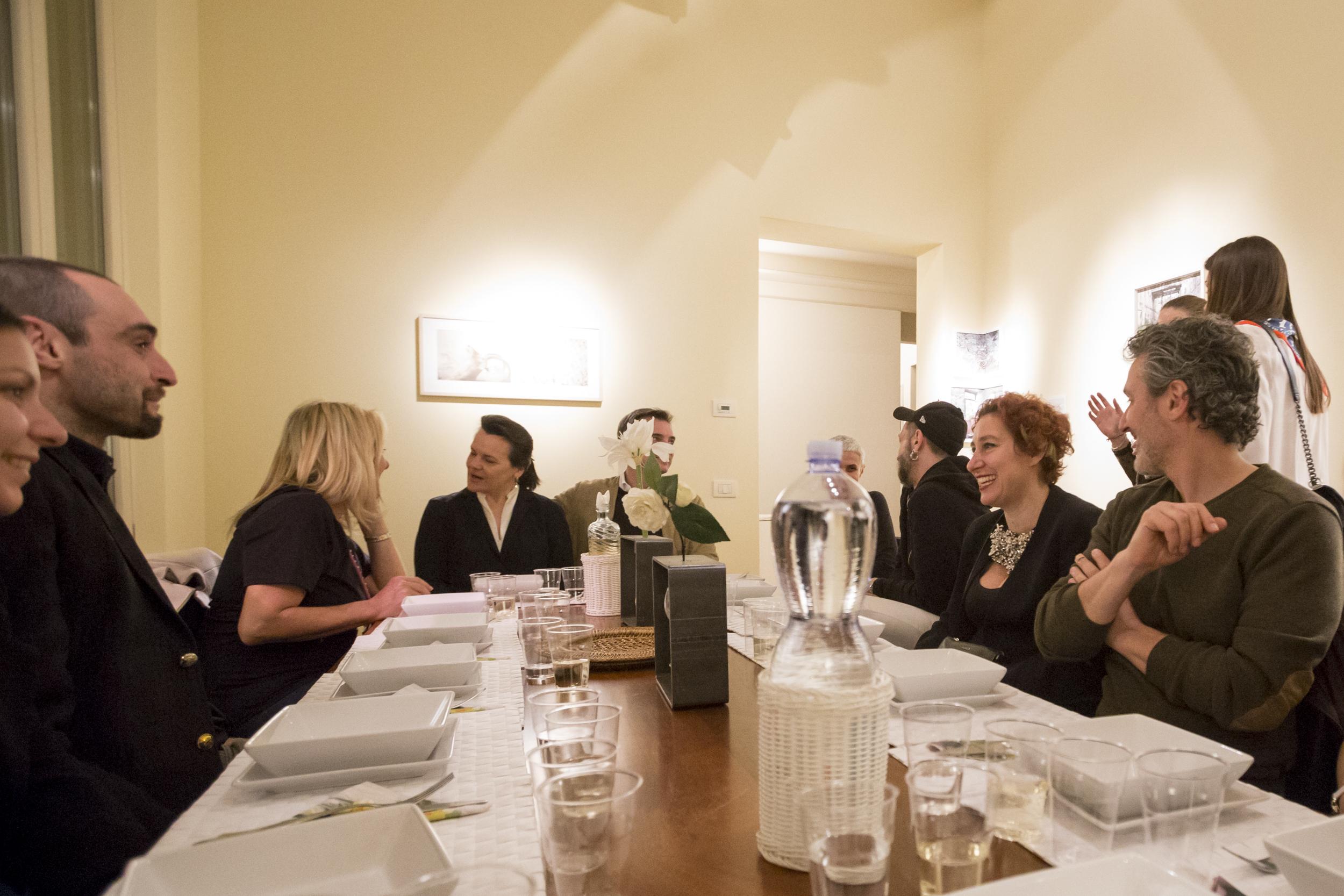
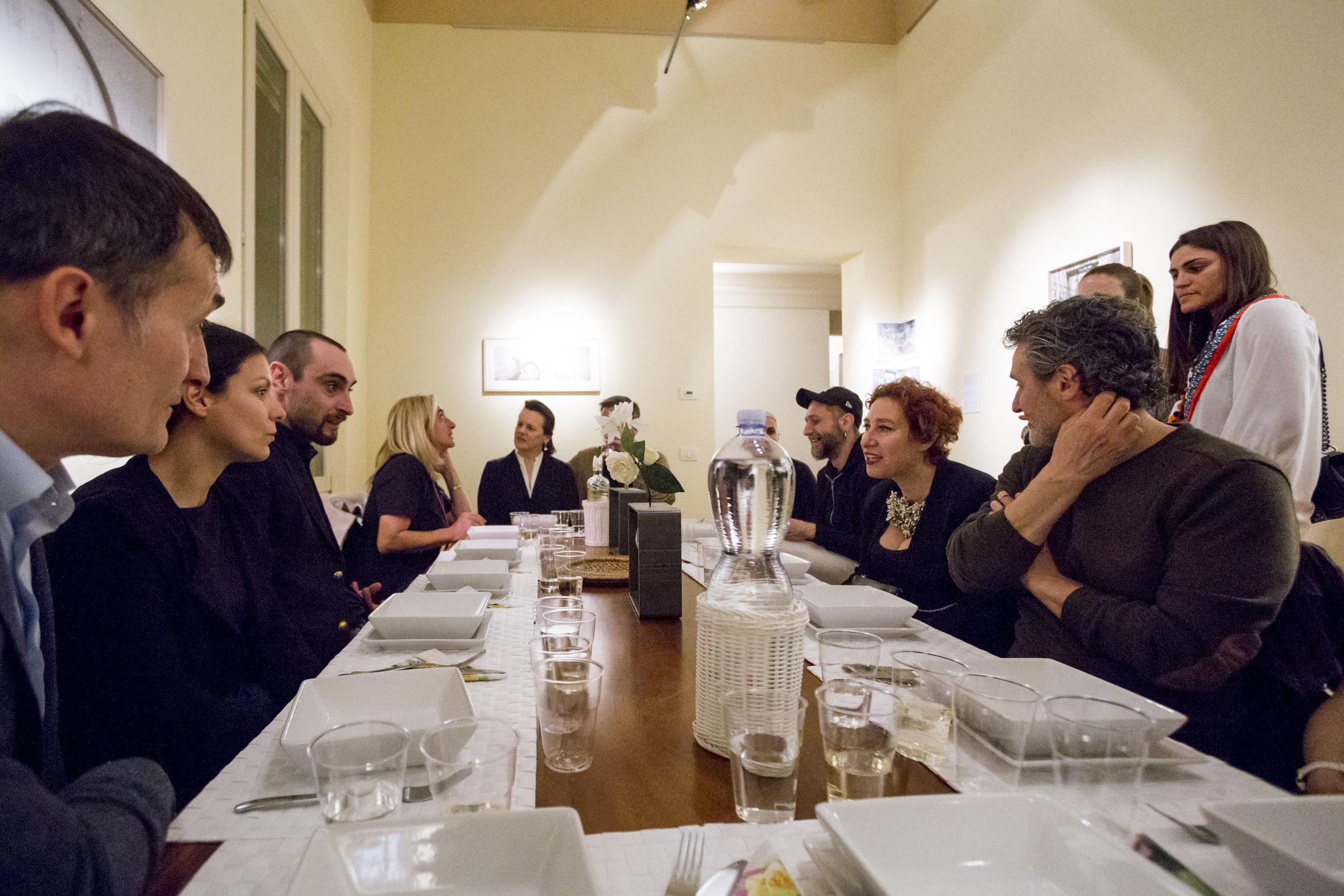
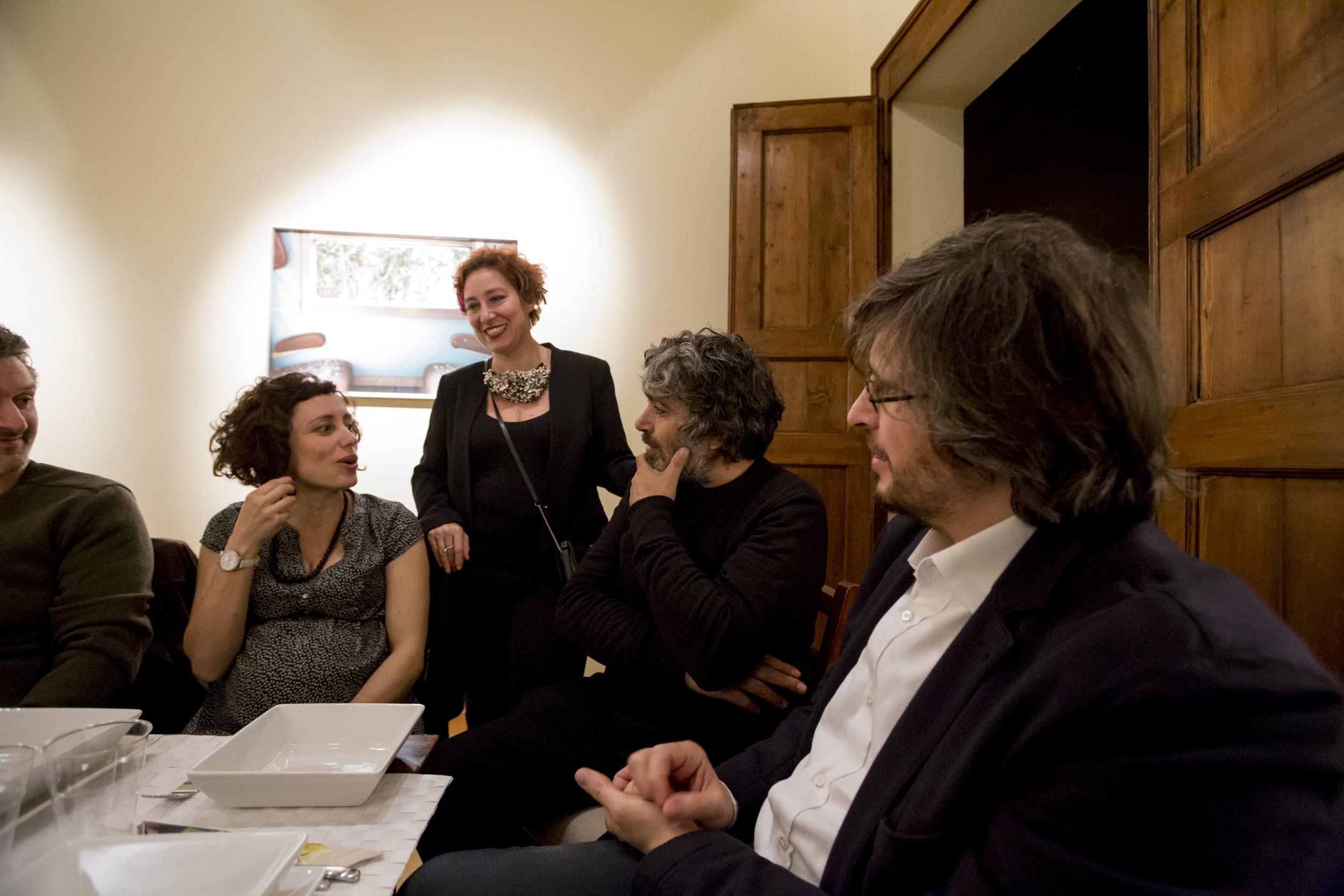
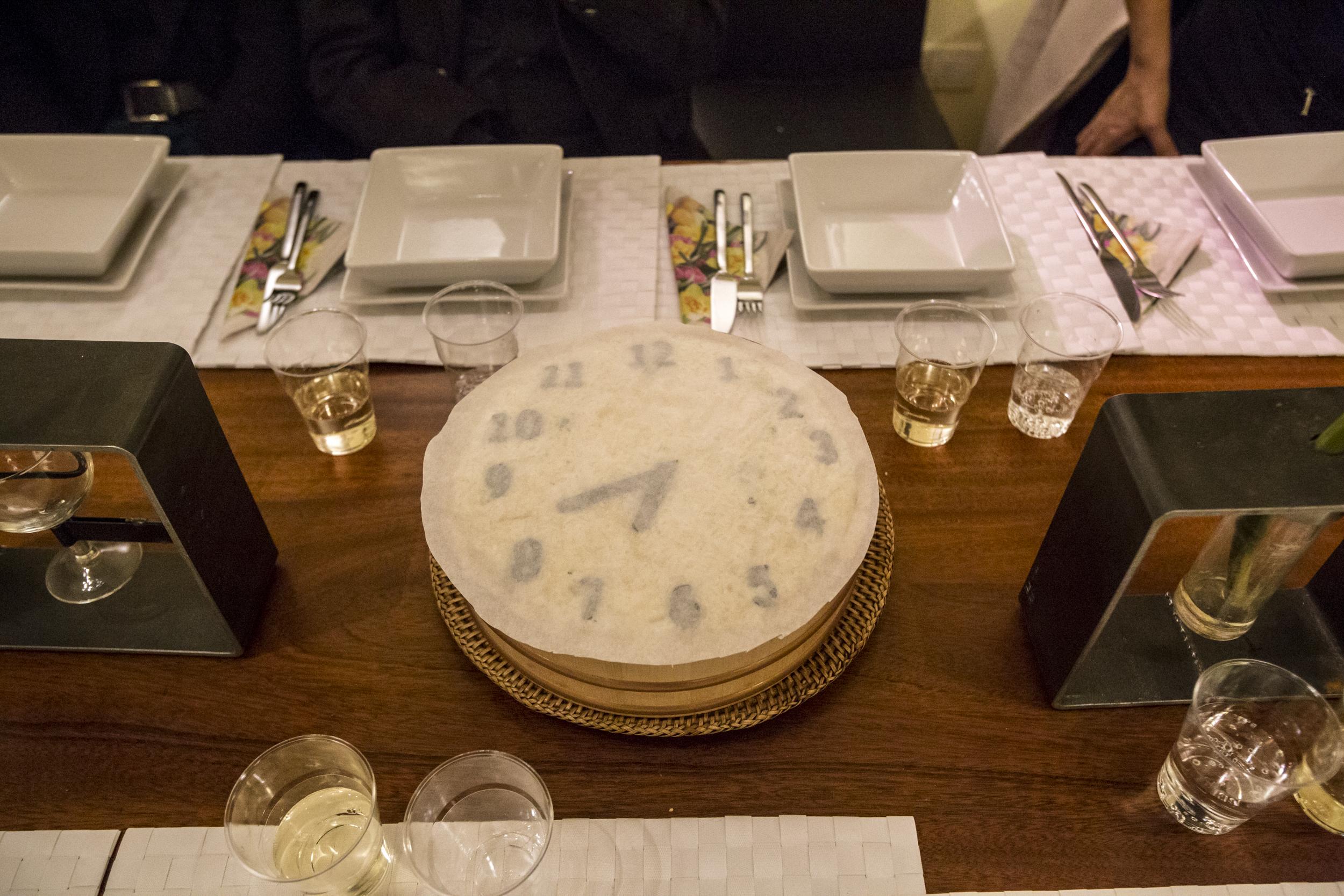
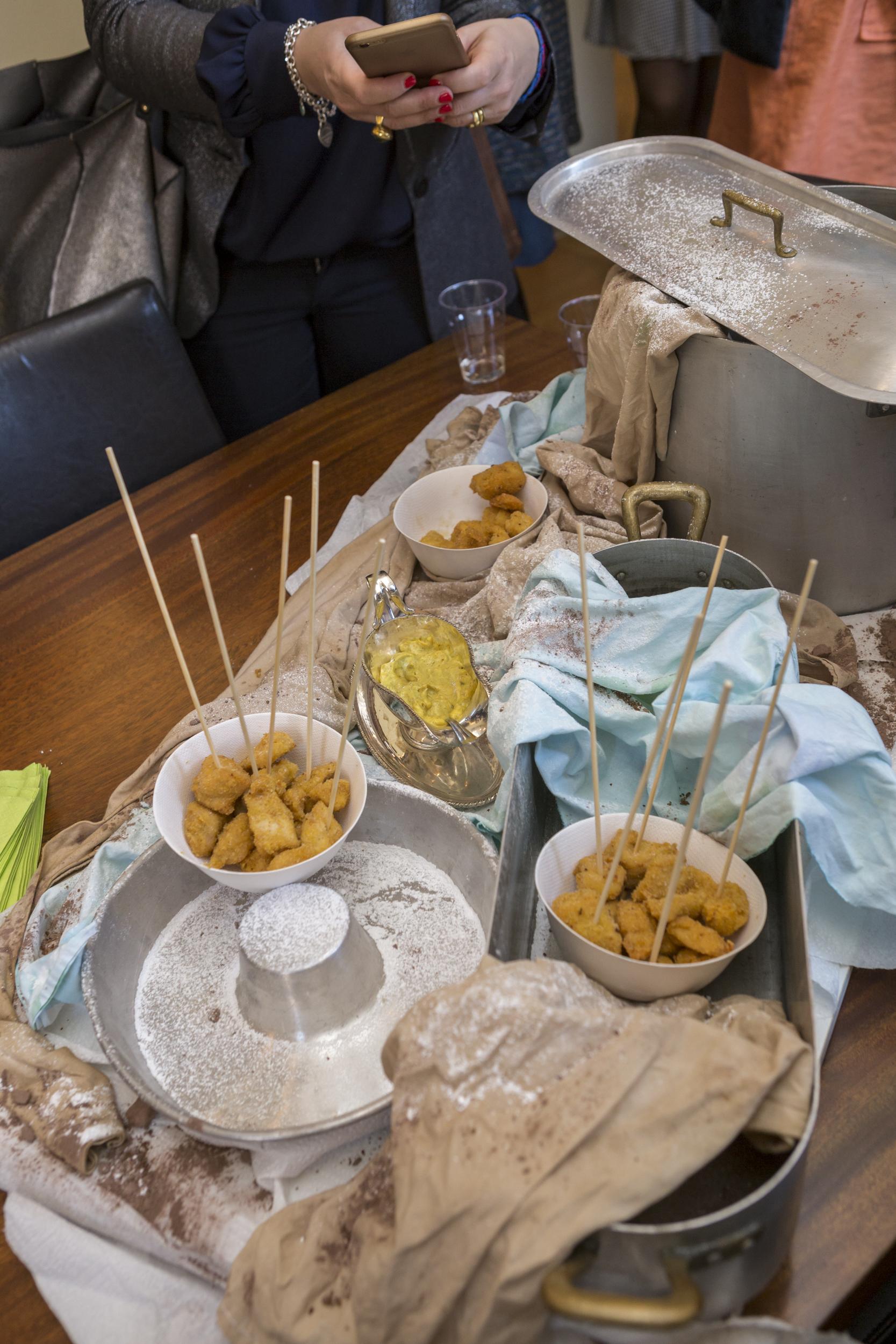
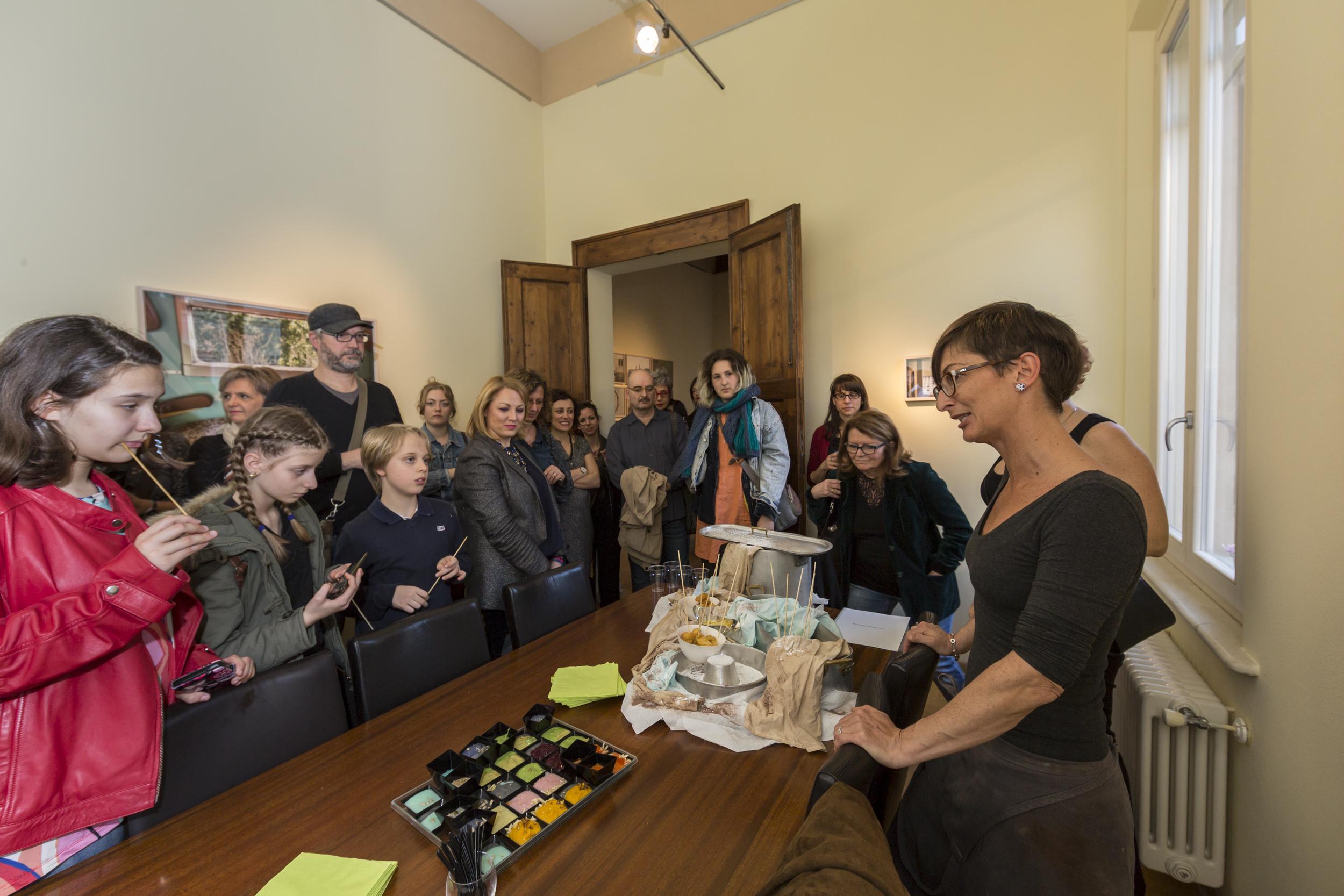
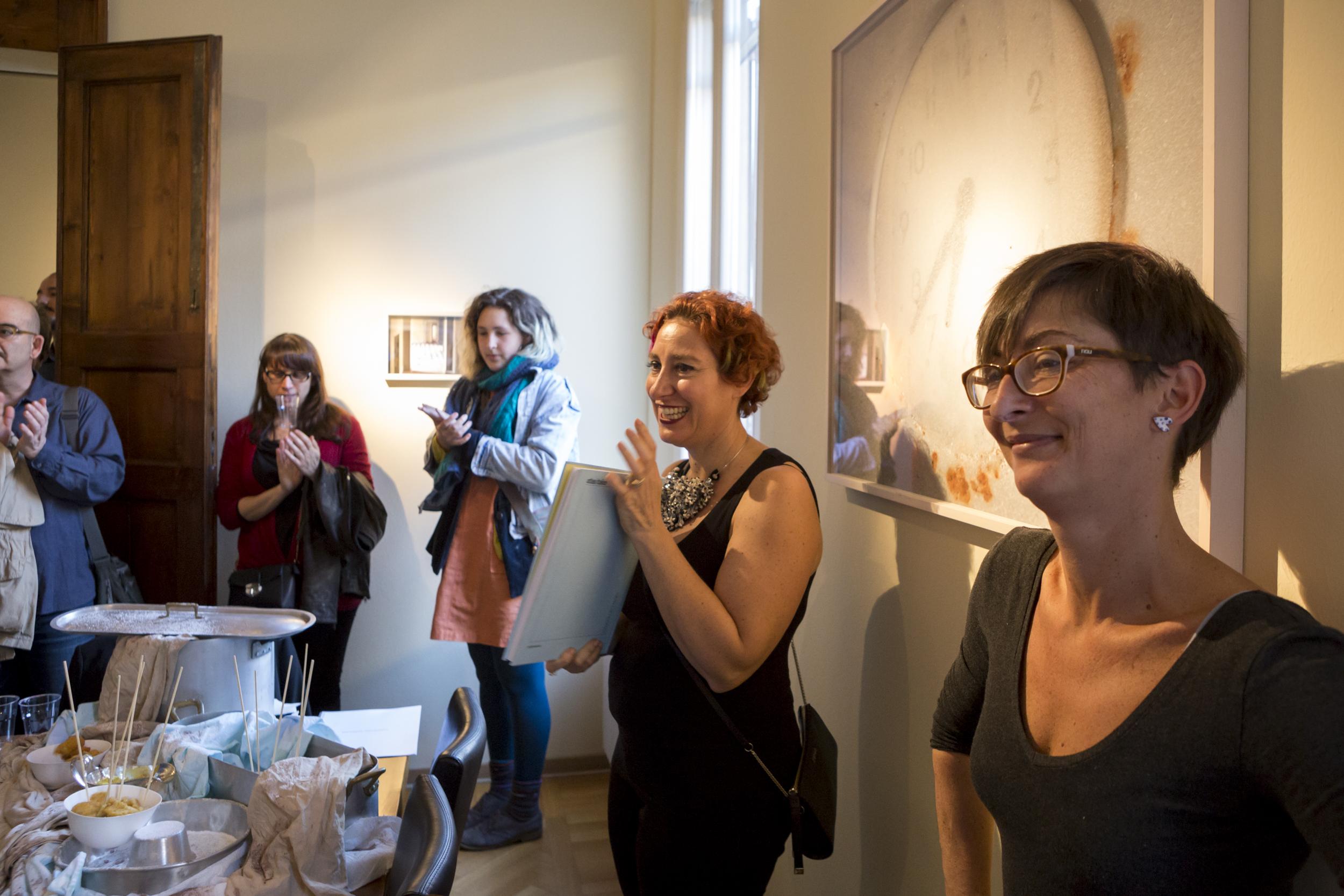
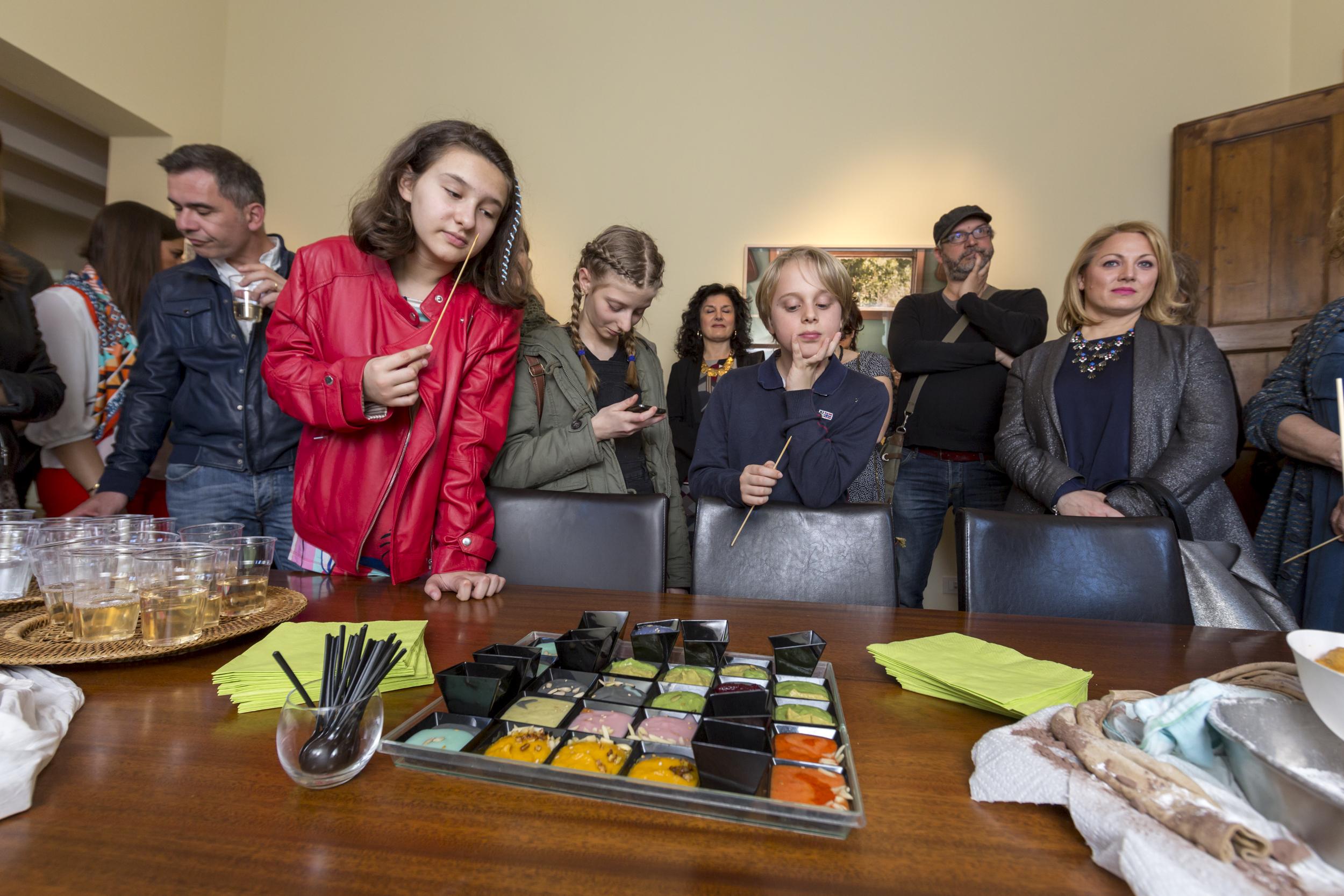
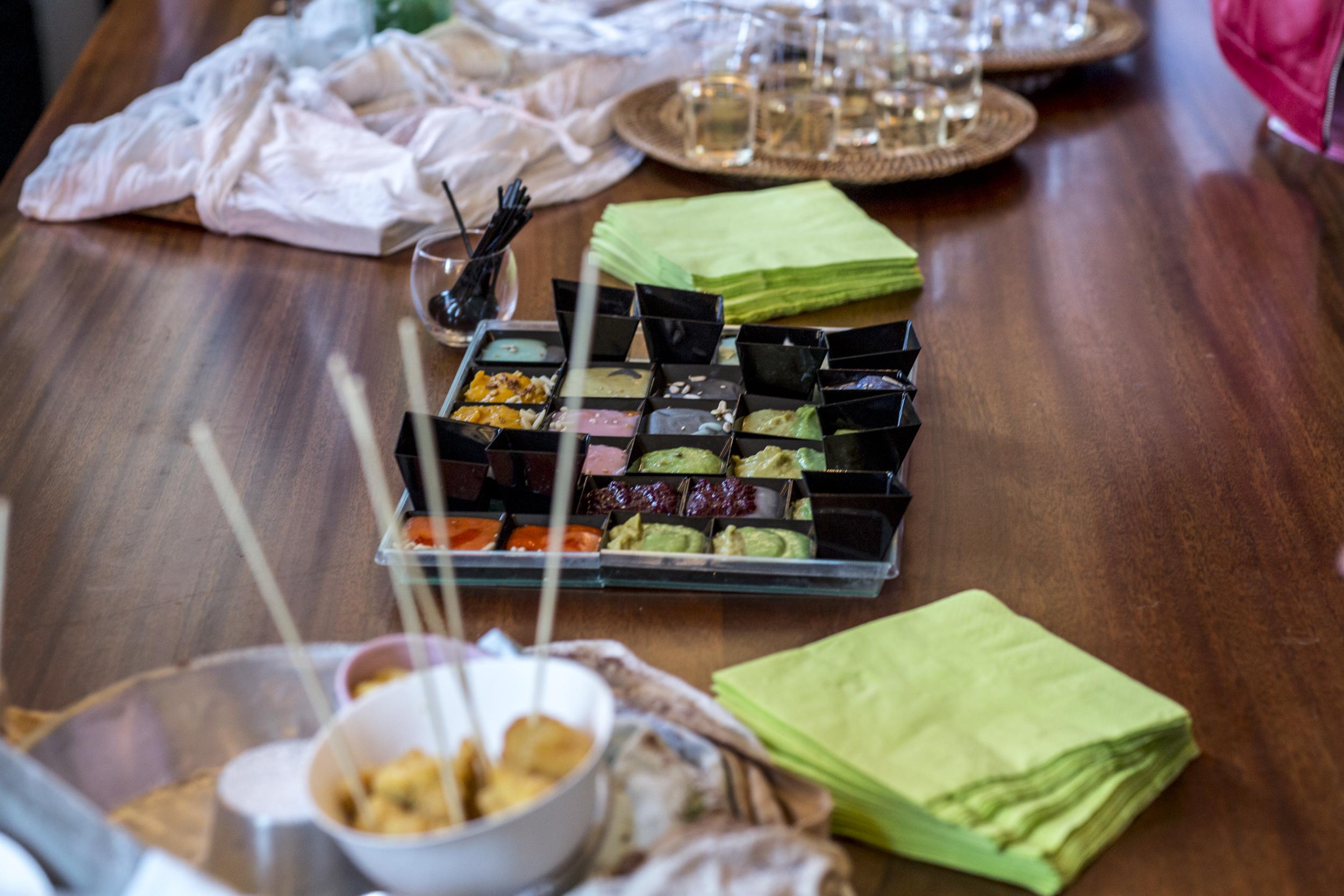
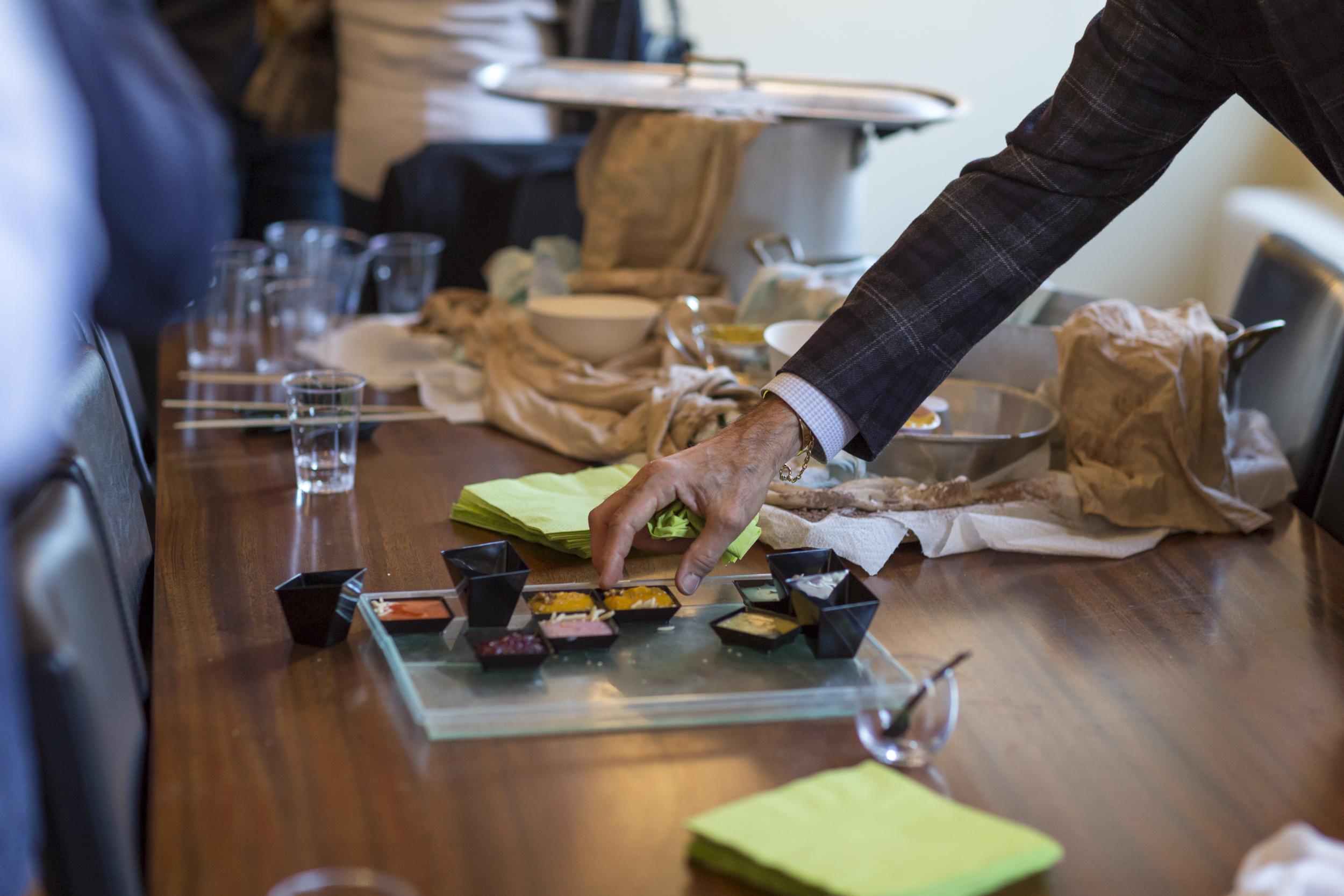
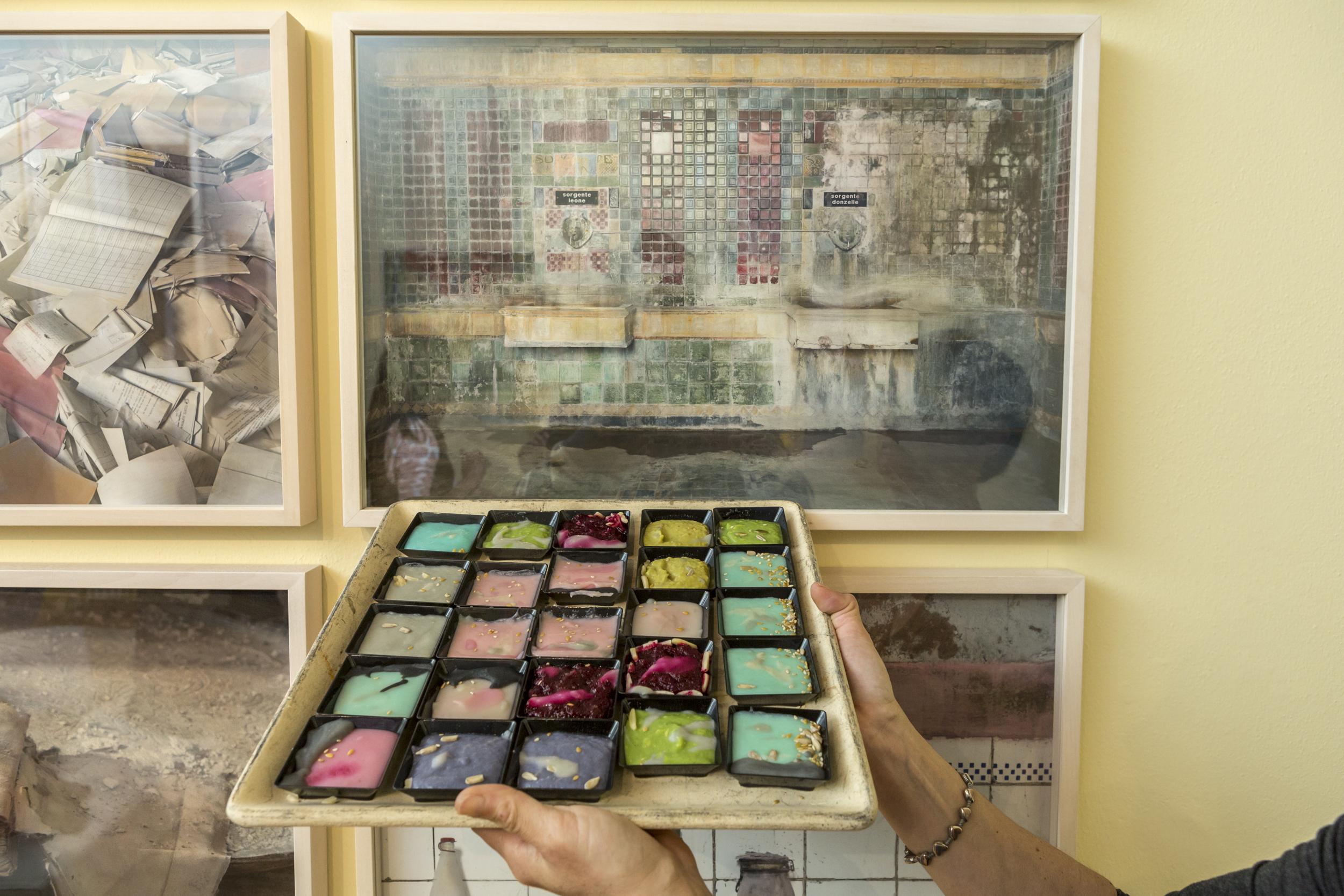
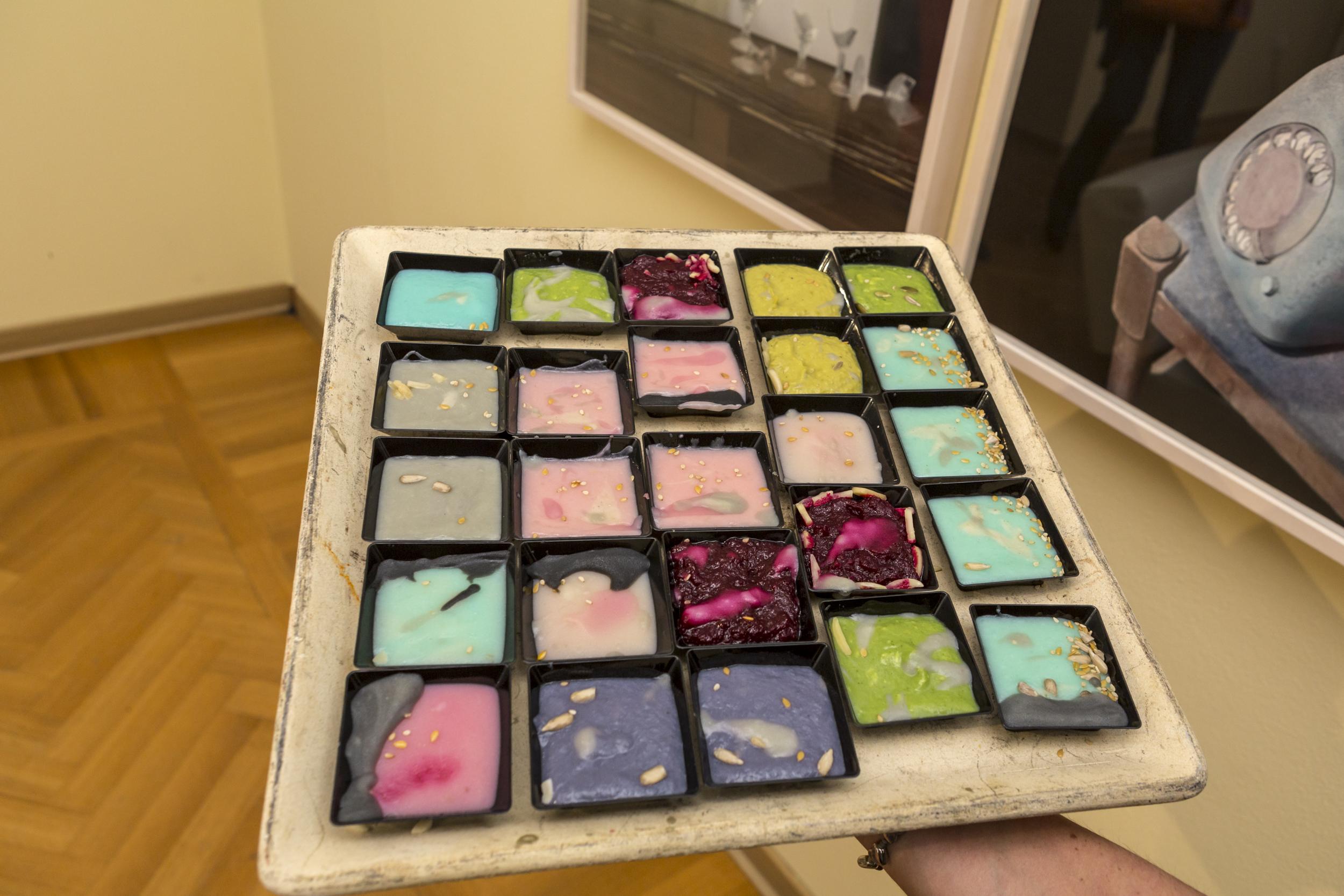
Sonia Lenzi e Giovanni Scotti
Additional Info
-
Intoduction
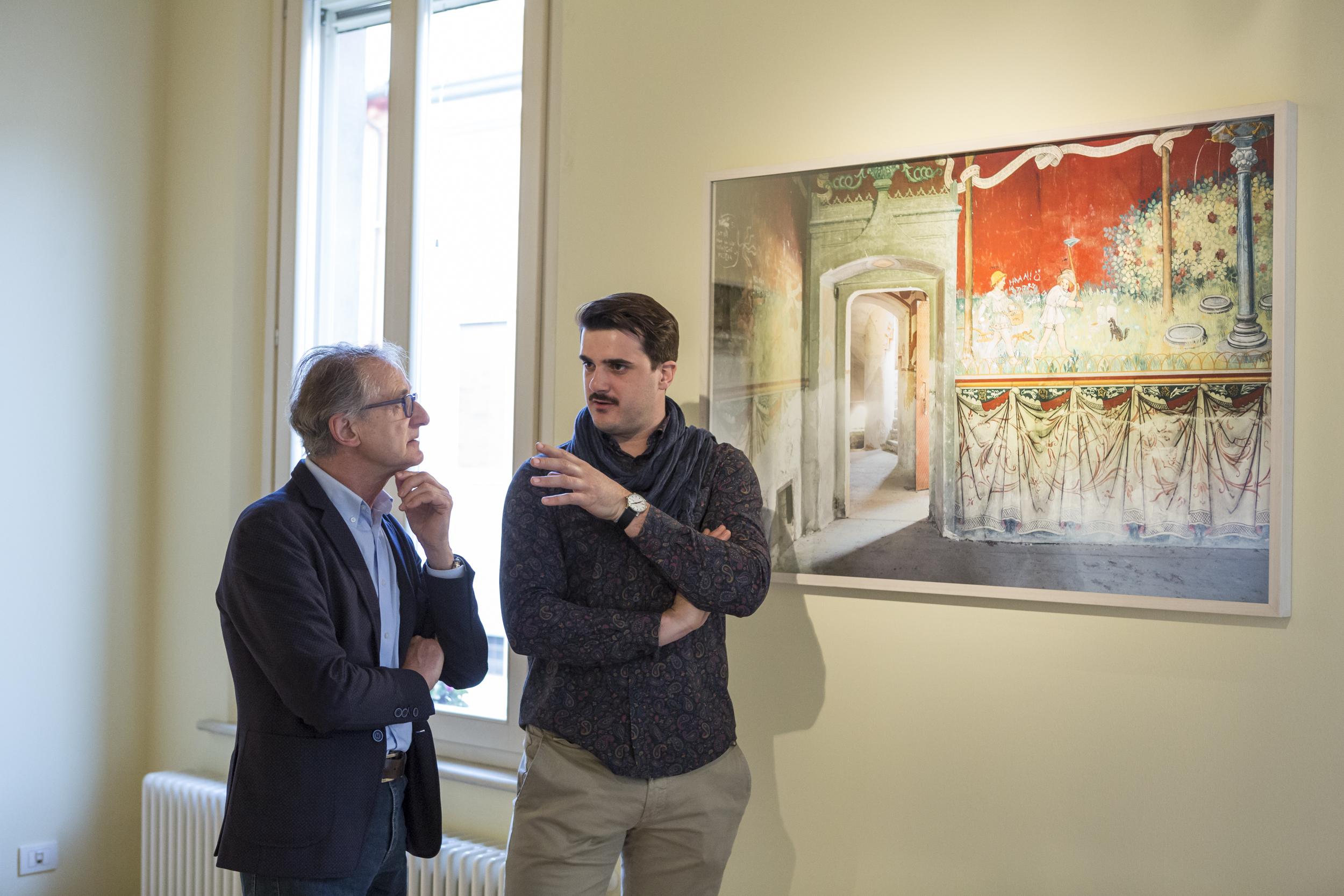
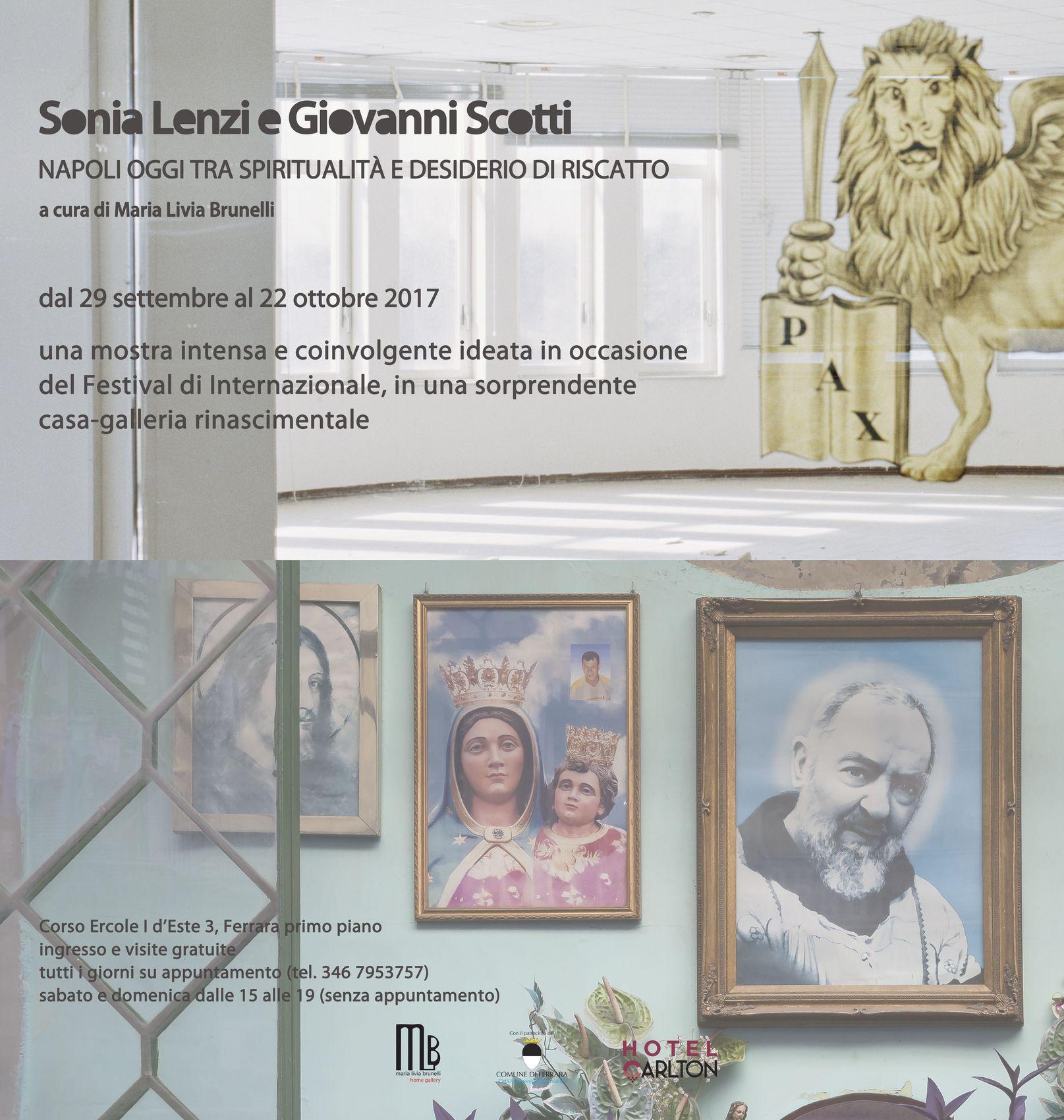
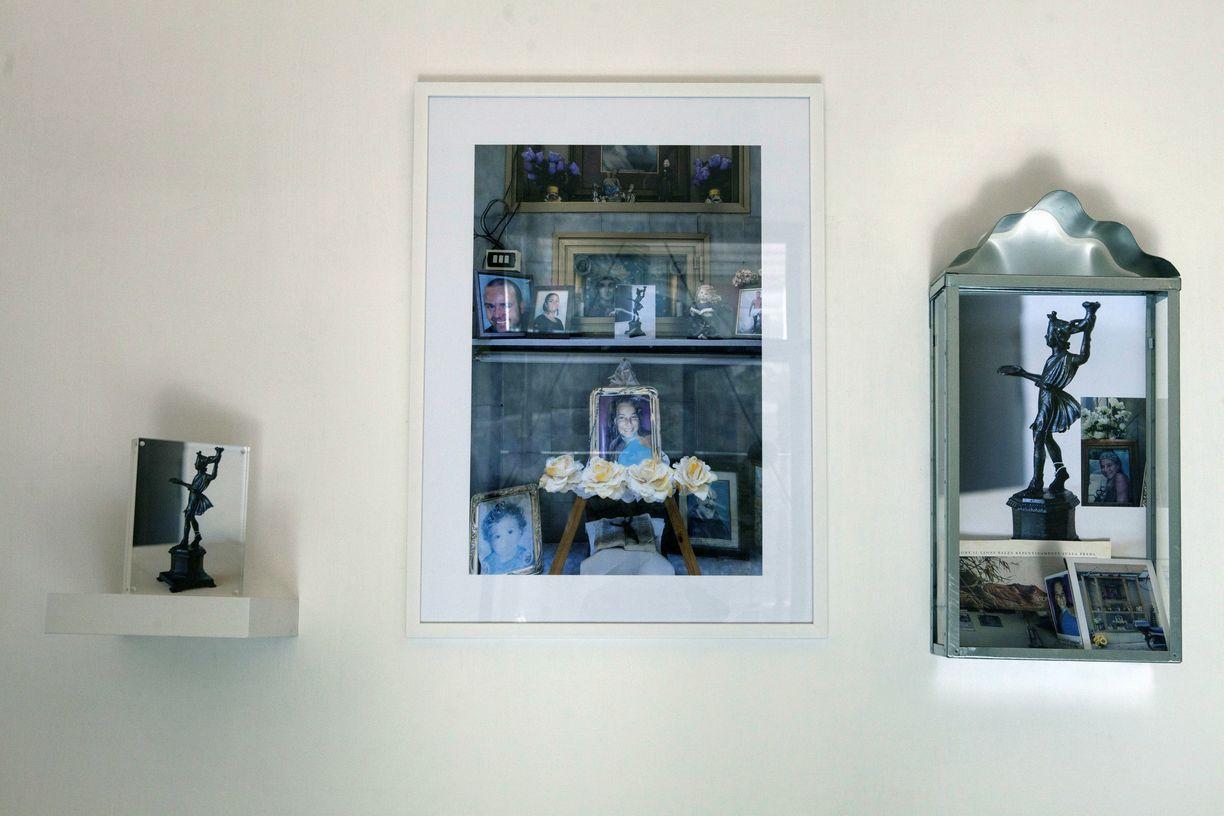
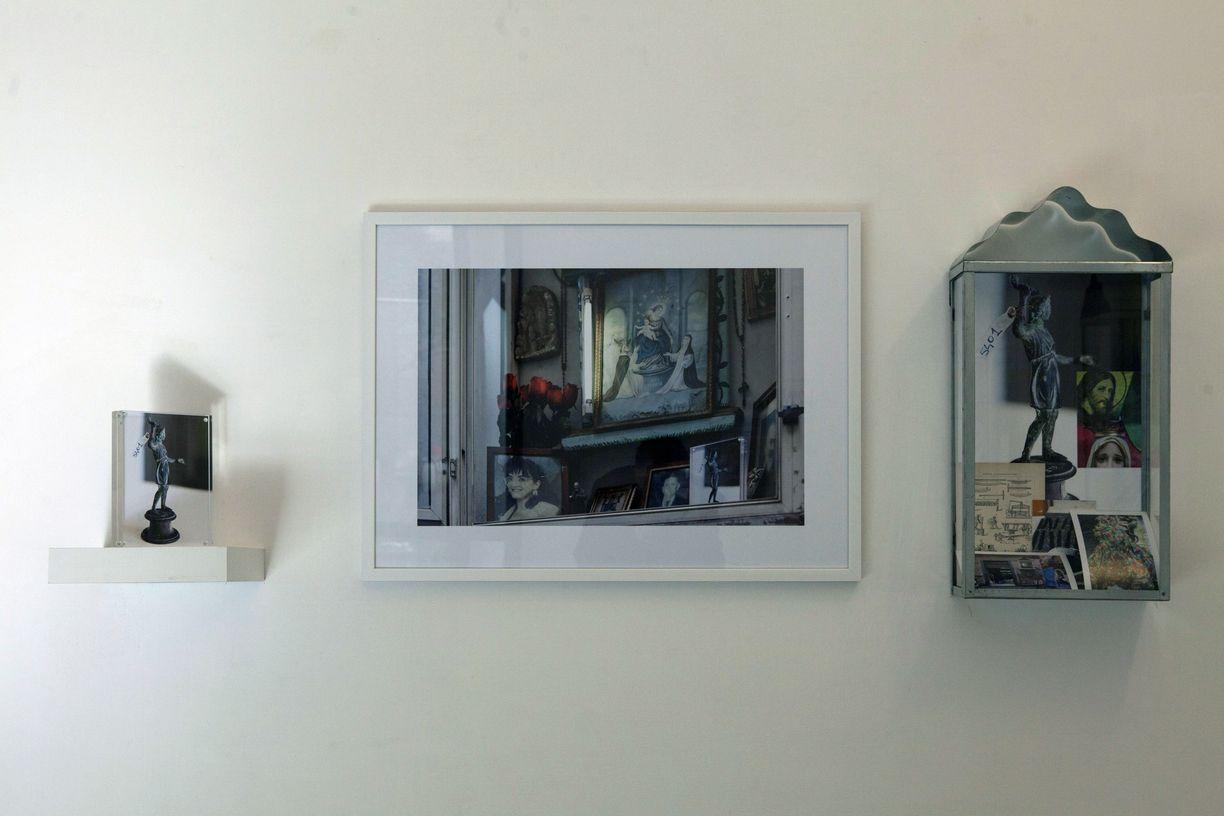
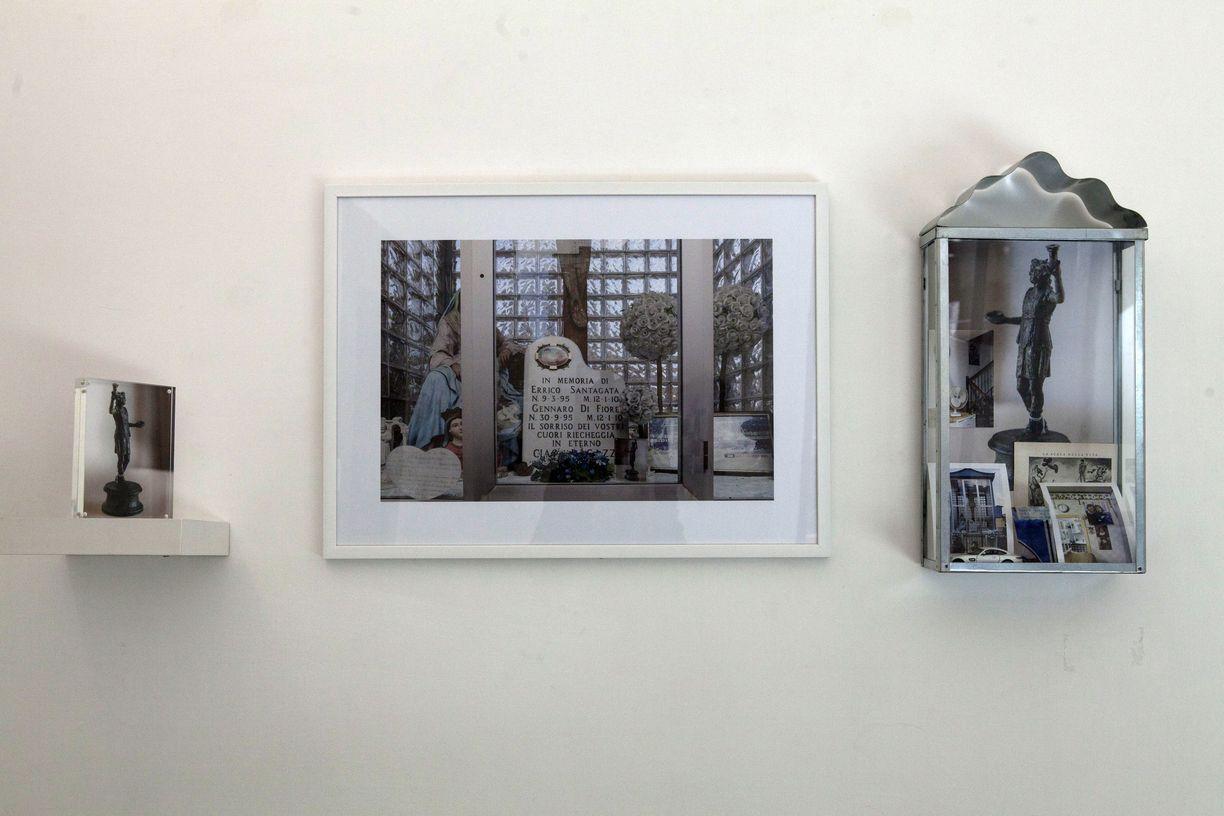
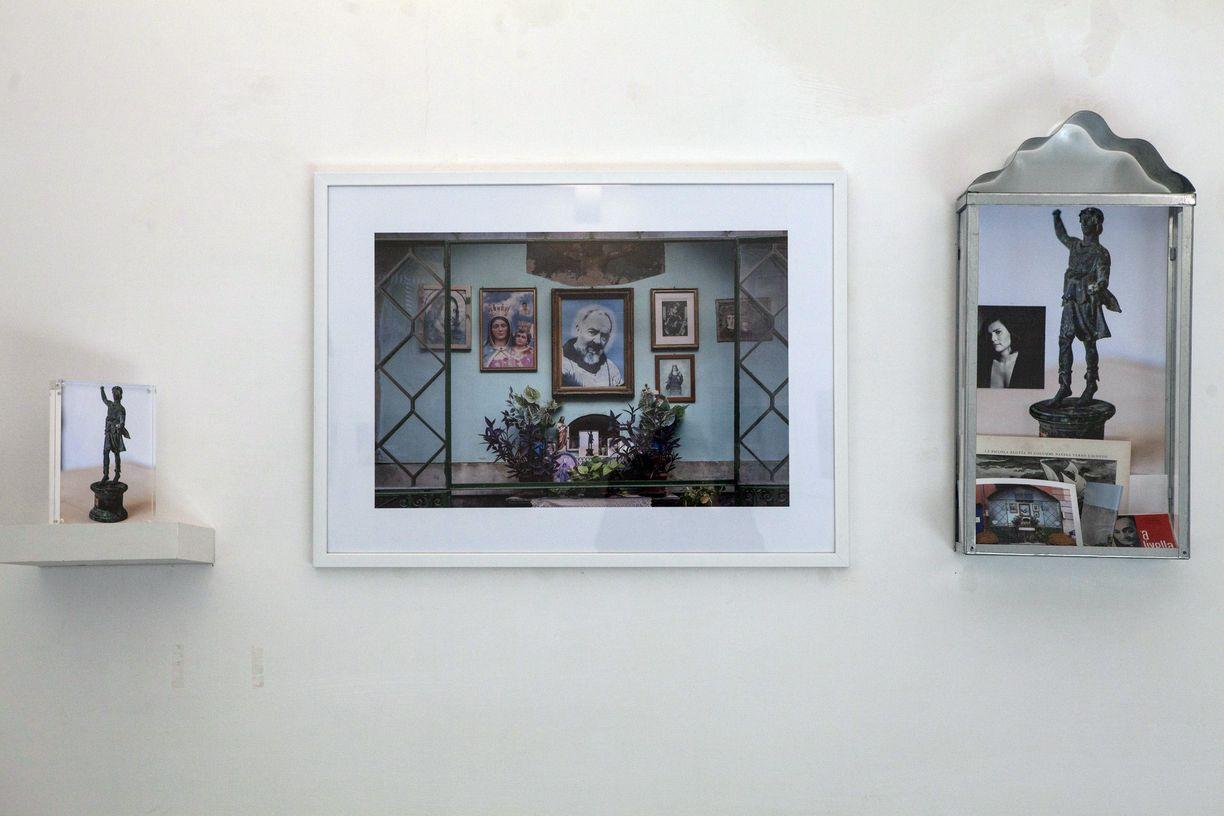
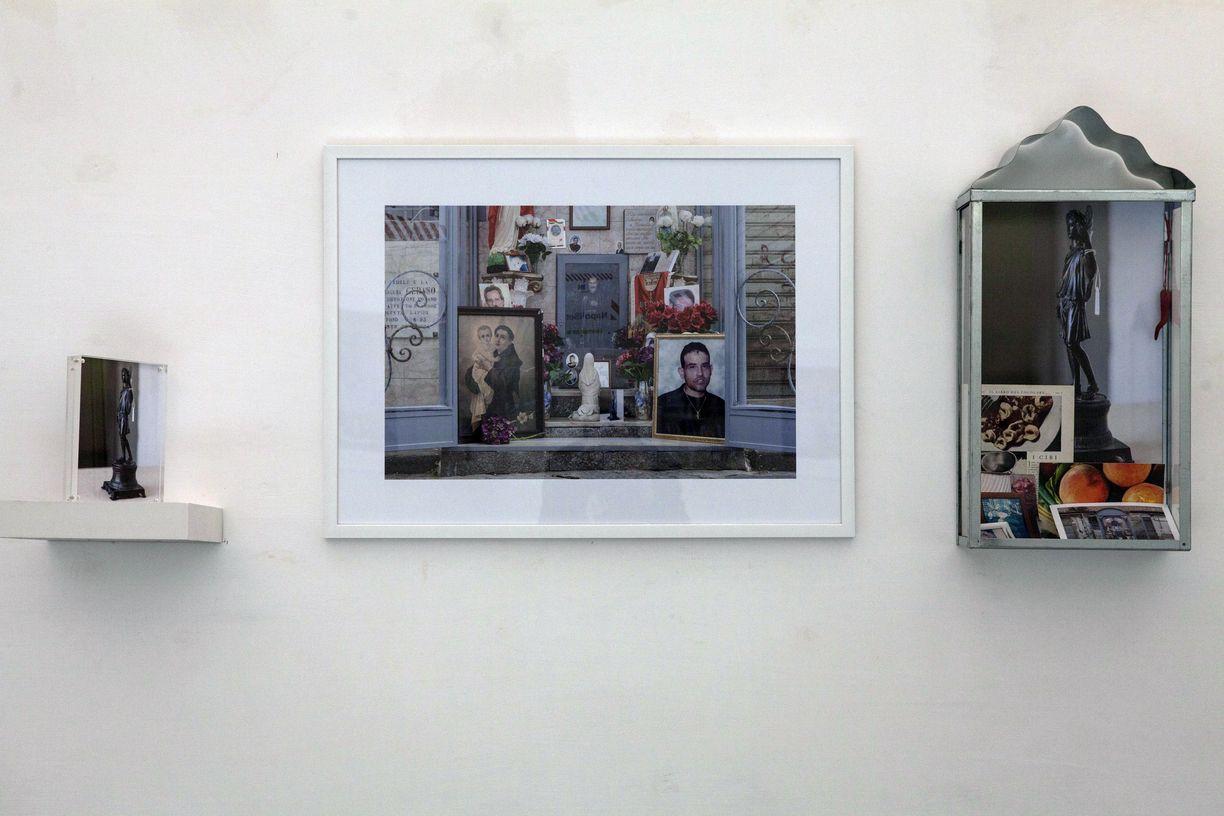
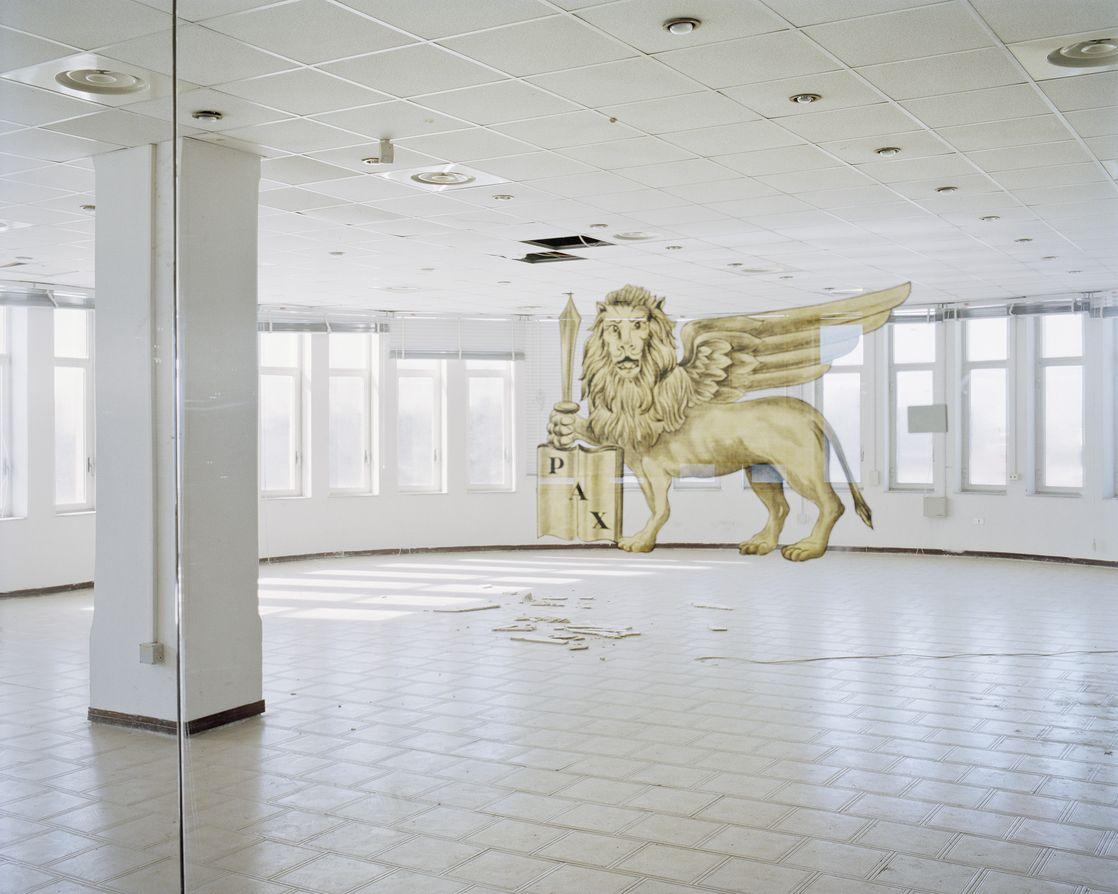
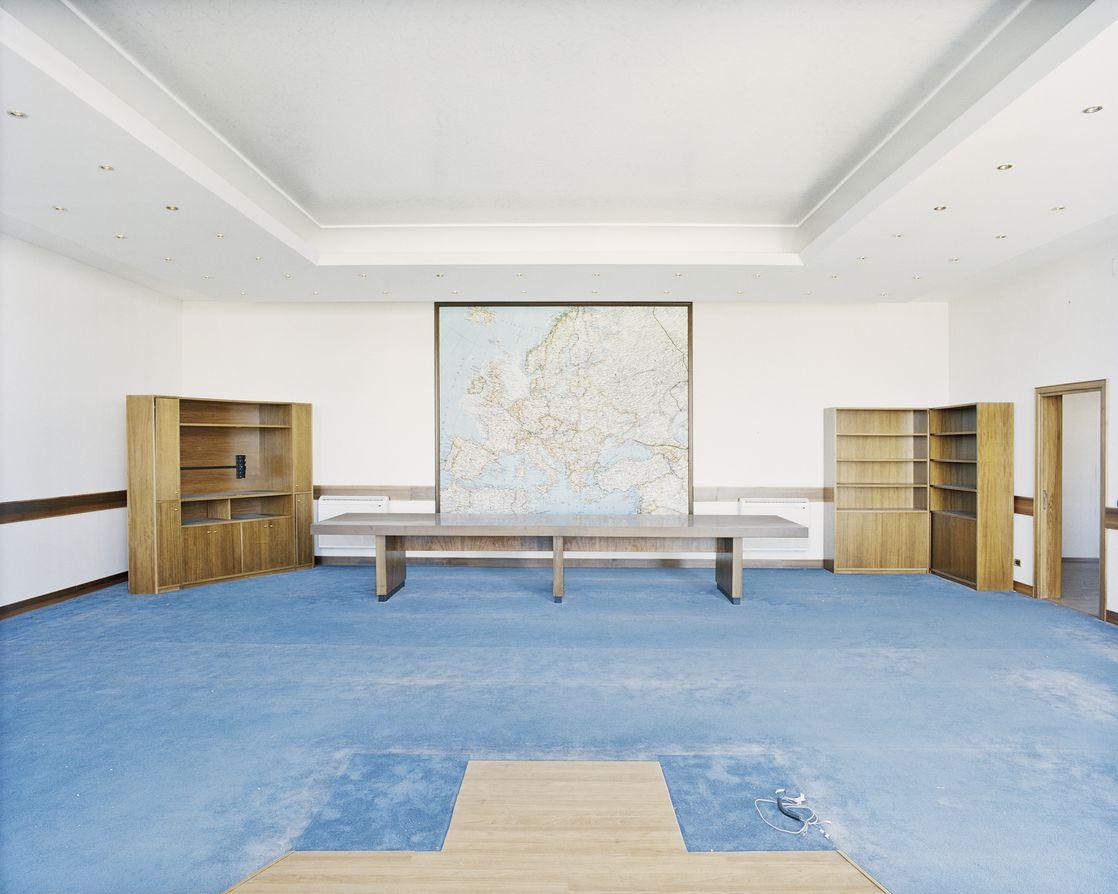
Two artists who use photography for an analysis Napoli nowadays . Sonia Lenzi recontextualizes the Lari, roman deities that guarded the family, inside the votive shrines of the historic neighborhoods of the city, putting in relation with contemporary sacredness. The past NATO base of Bagnoli, immortalized in its abandonment, becomes for Giovanni Scotti a symbol of a desired urban regeneration. Two realities full of emotion that come from Napoli to Ferrara for the Festival di Internazionale, one of the most significant initiatives of the Italian cultural scene that takes place from September 29th to October 1st, with the intent to recreate an entire number of International live: journalists, writers and protagonists of the cultural world dialogue on issues of great relevance and relevance social, economic and political, arousing the interest and the involvement of a large public.
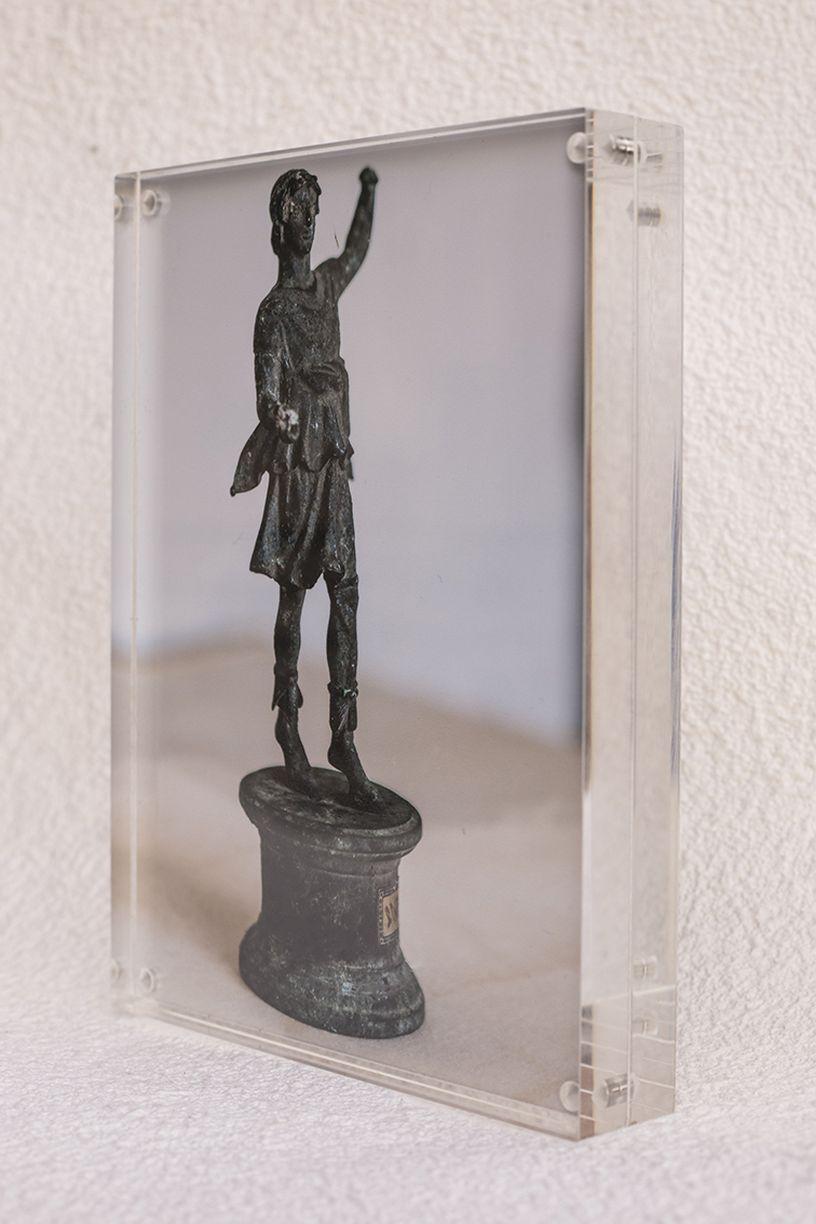
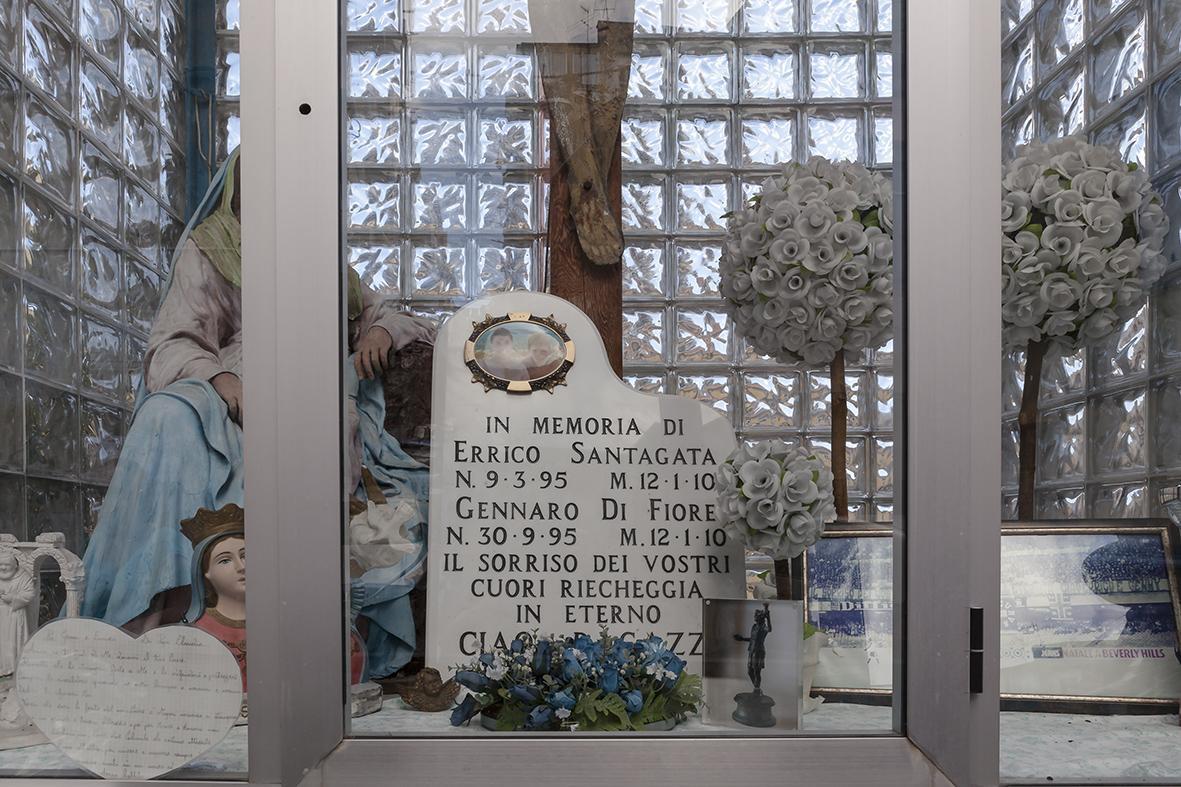
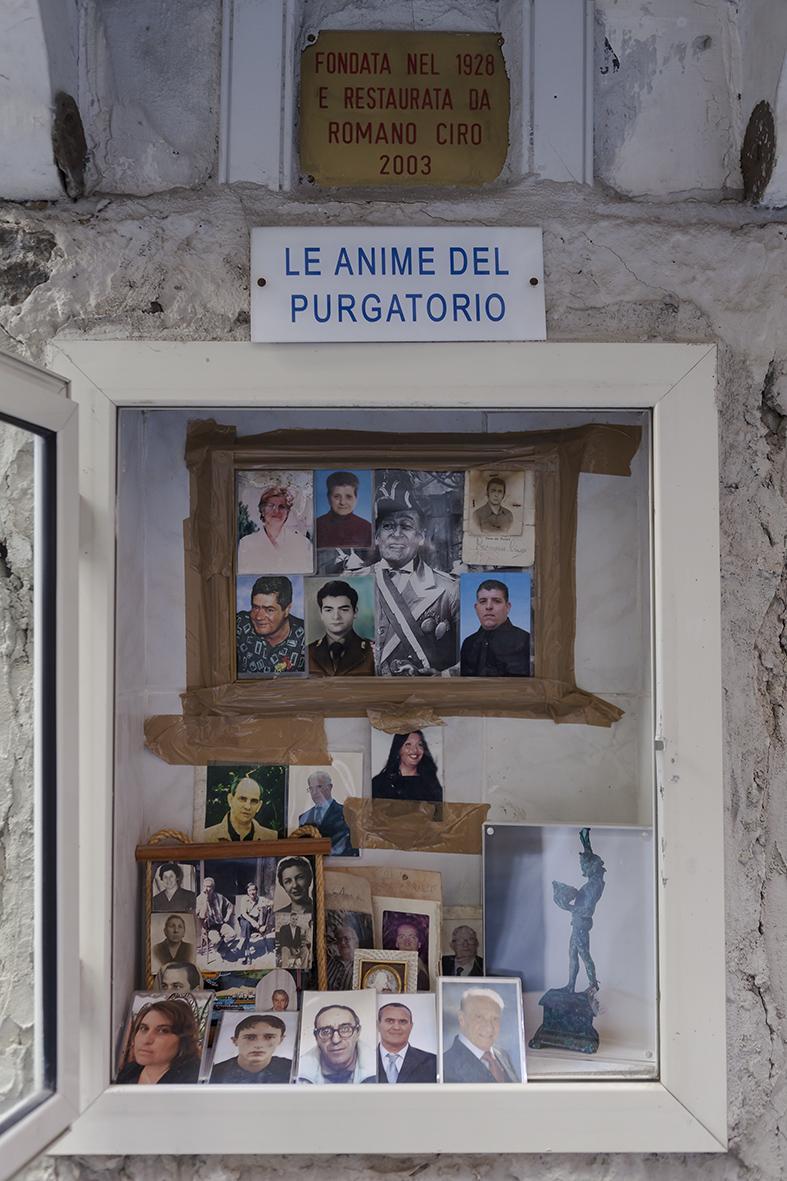
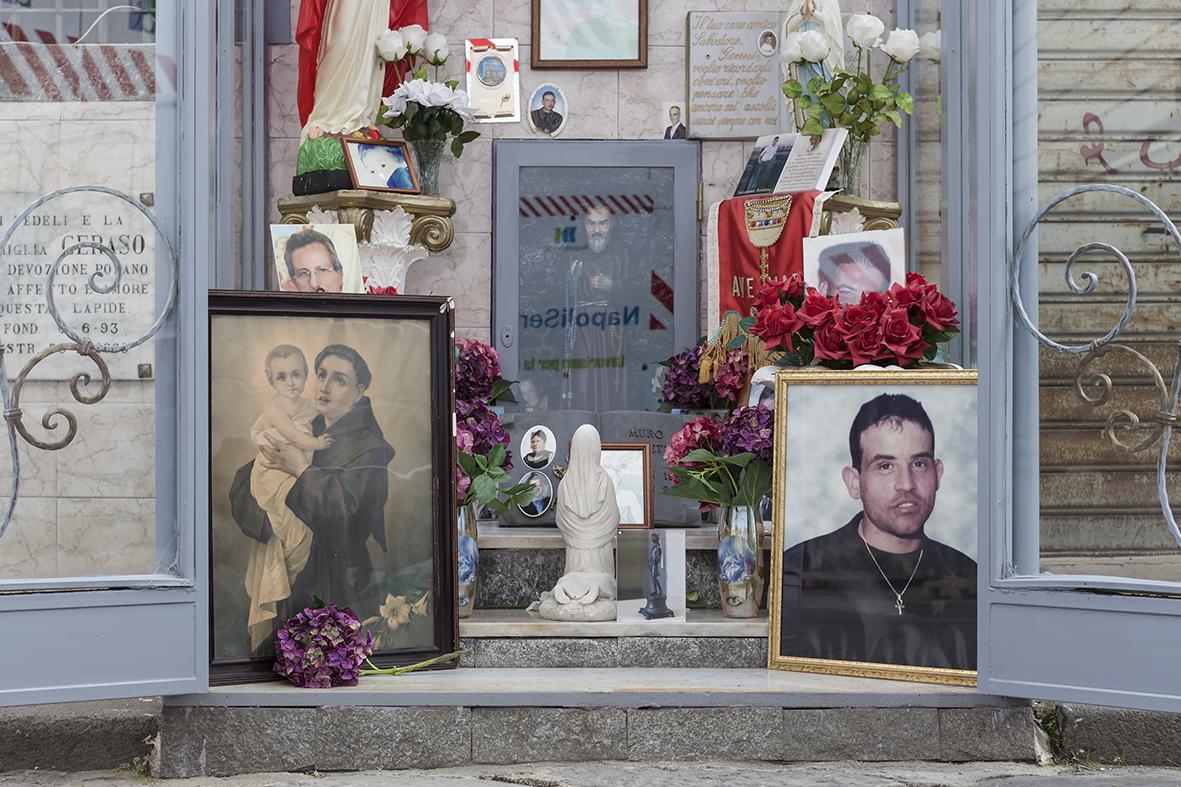
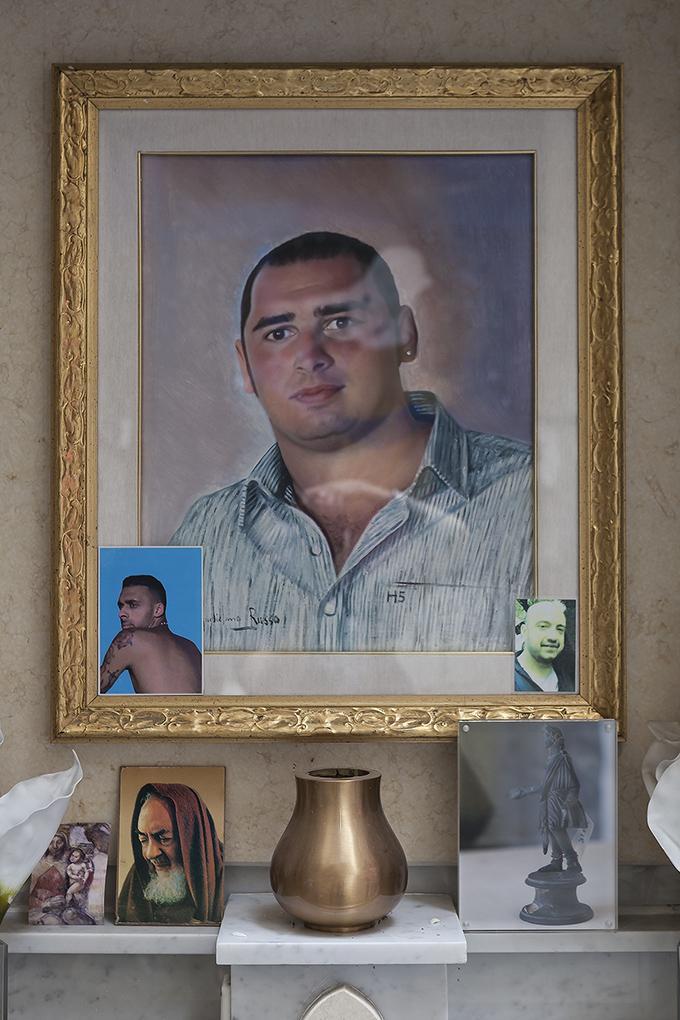
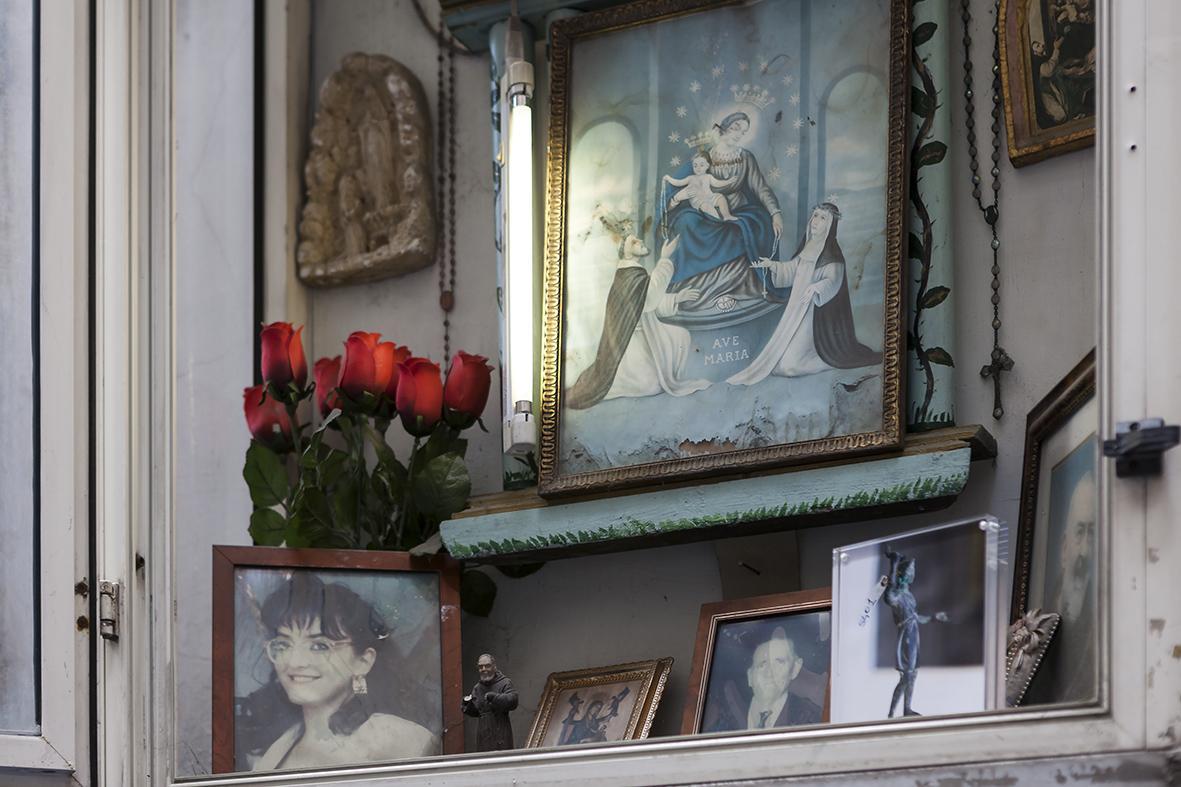
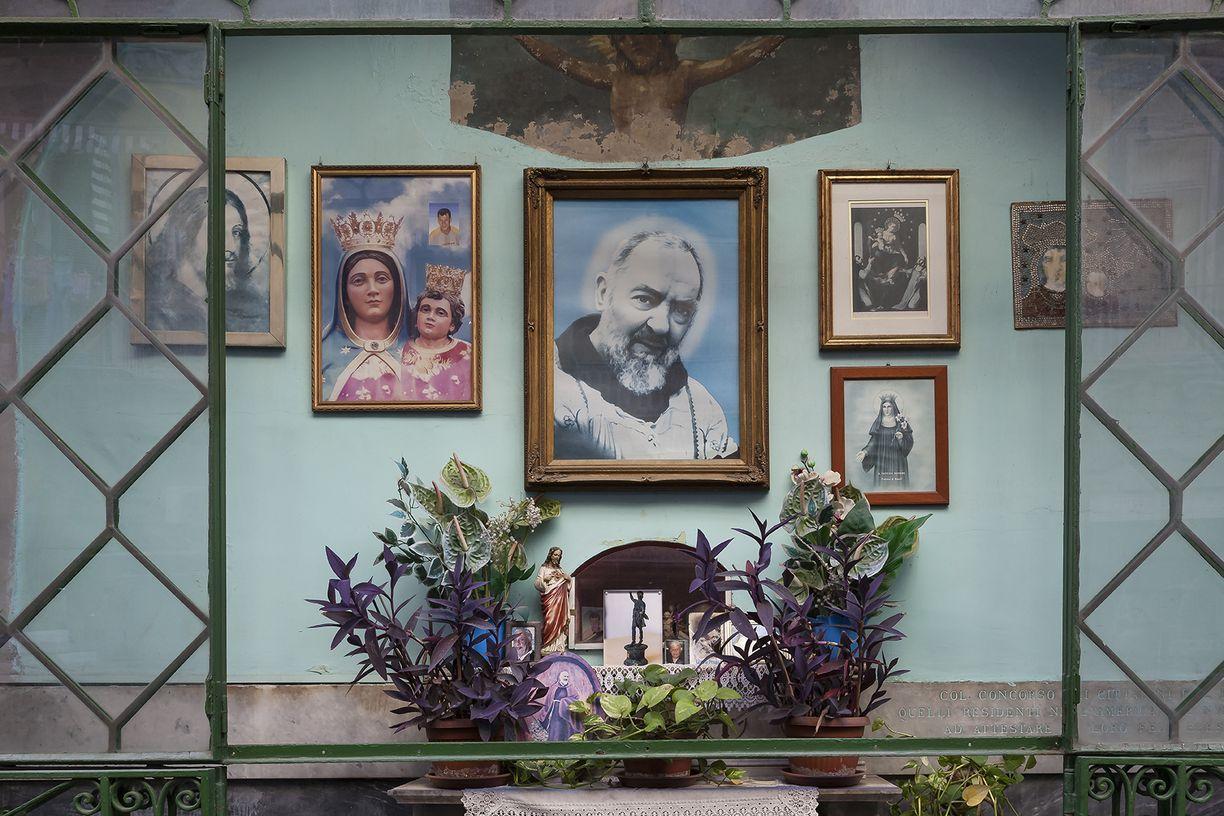
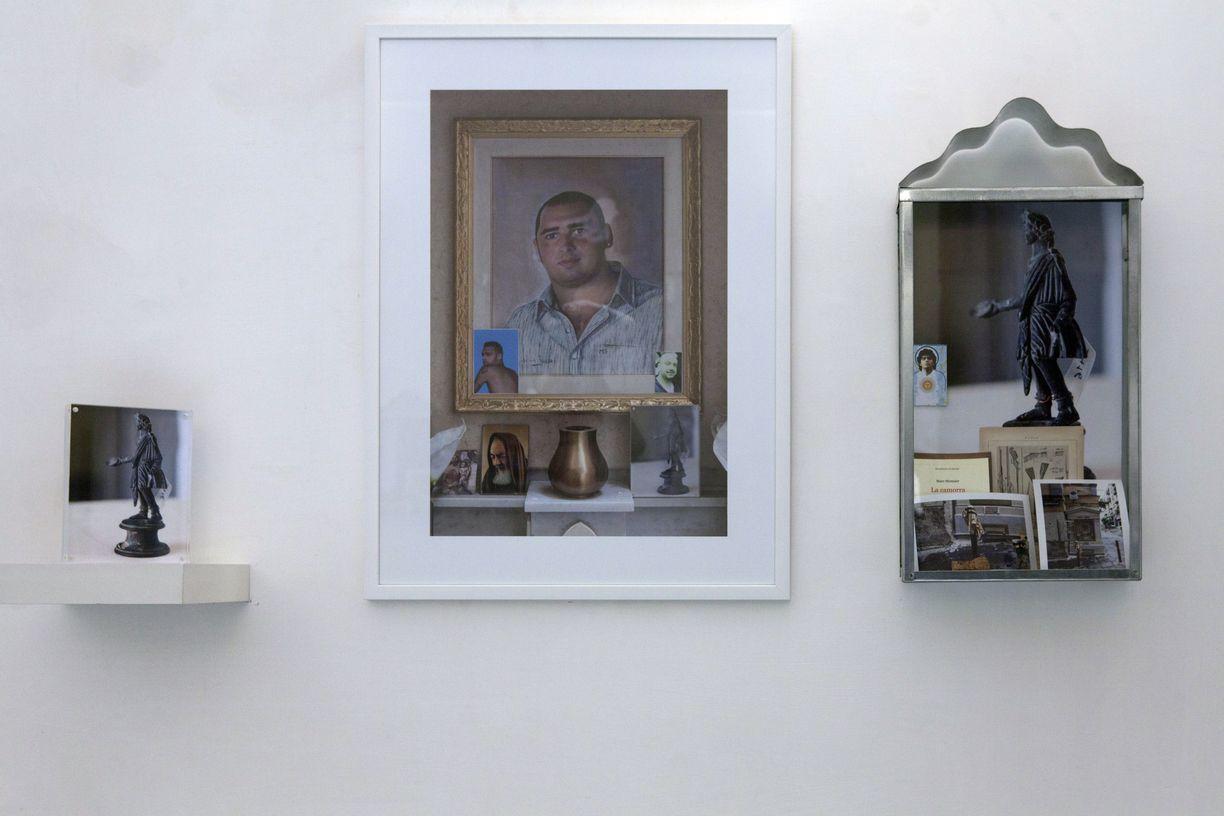
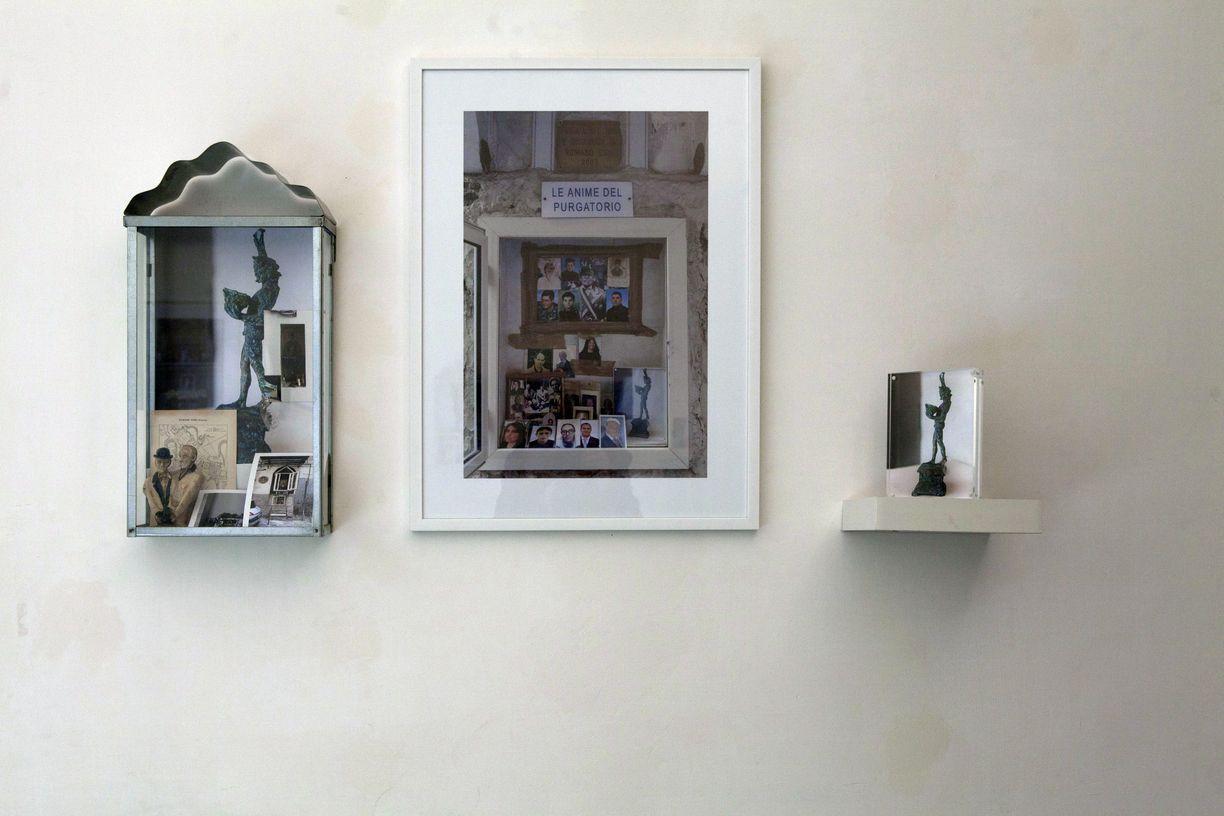
Sonia Lenzi tells about her work Lares Familiares: “Family relationships are the first to compare and domestic reality is our starting point for the adventure called life. The meaning of our existence is therefore inherent in those relationships and in those places. In the Roman world the Lari were gods who ensured protection and fortune to the family they belonged to and that occupied a place of honor in the heart of the house inside a particular shrines, the lararium. Their cult and lararia have a strong relationship with the difficult reality of today's Napoli and with the votive shrines in the old neighborhoods of the city.
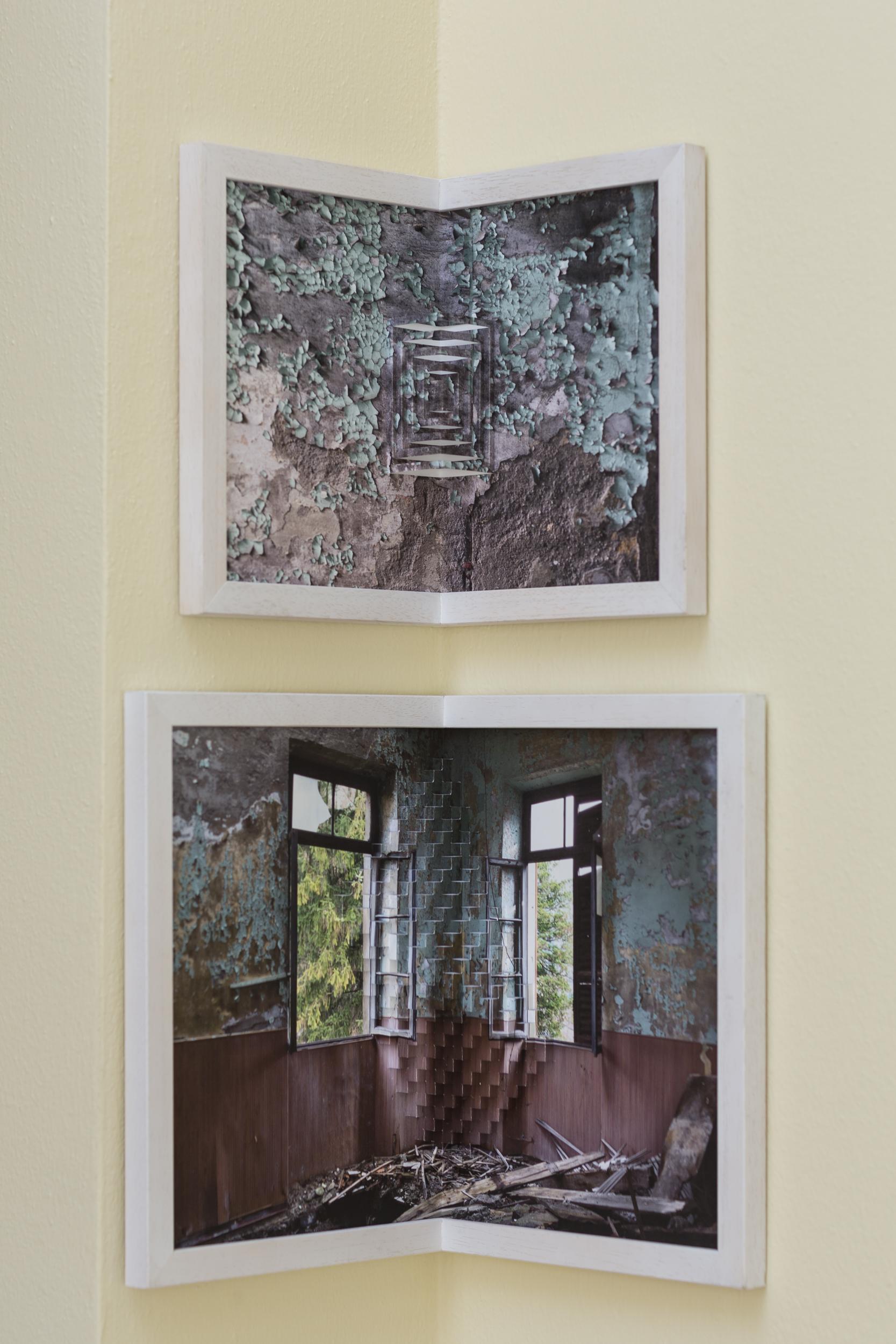
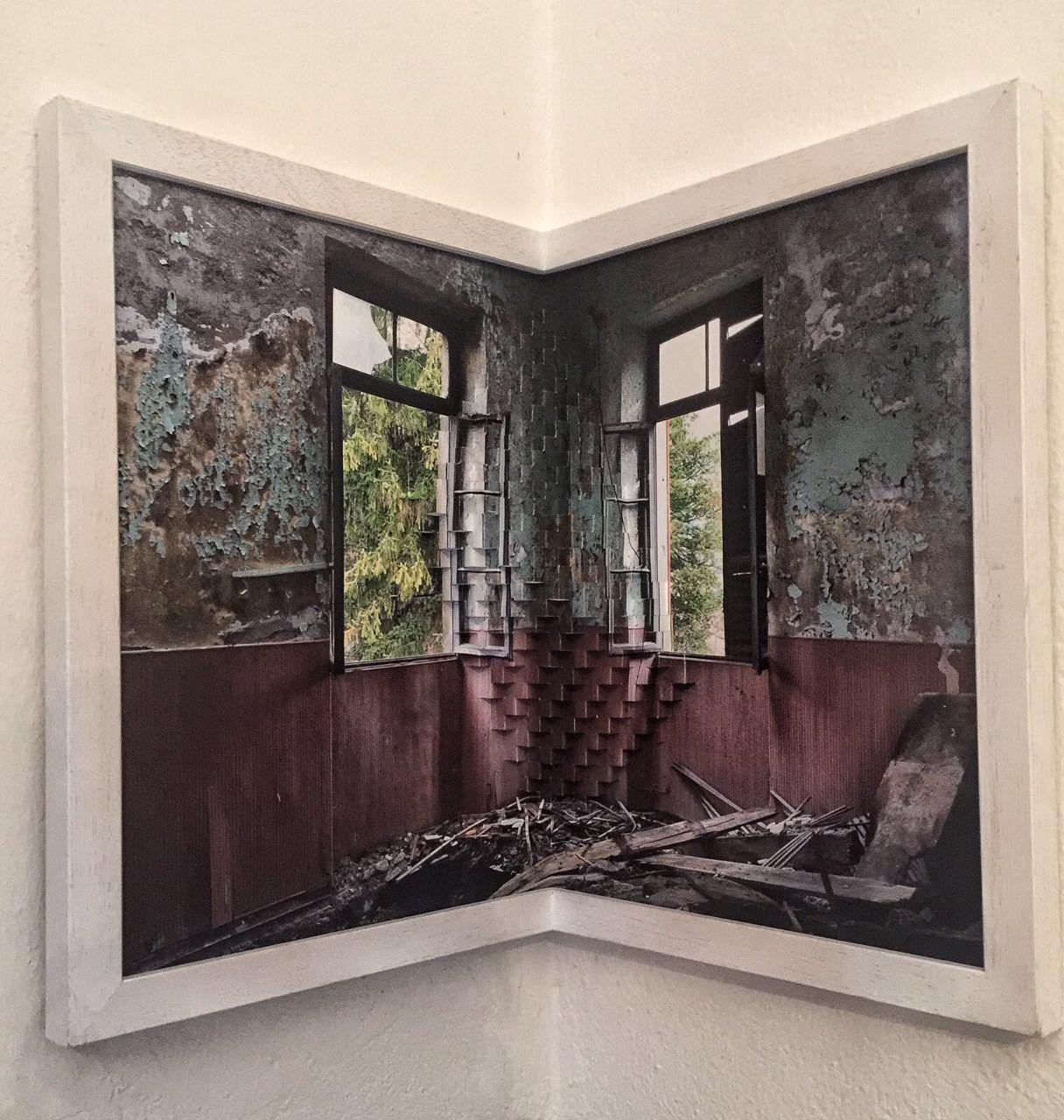
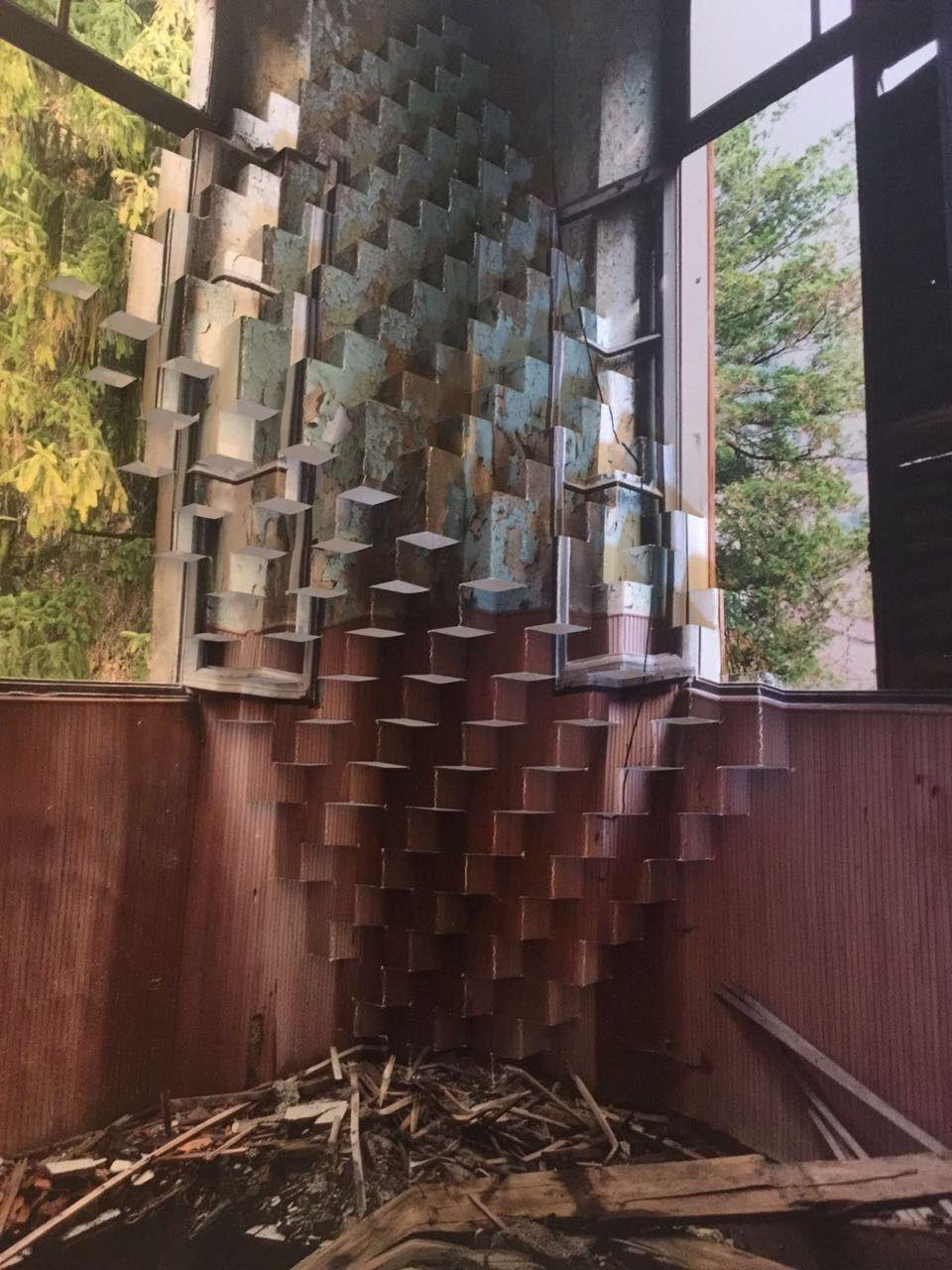
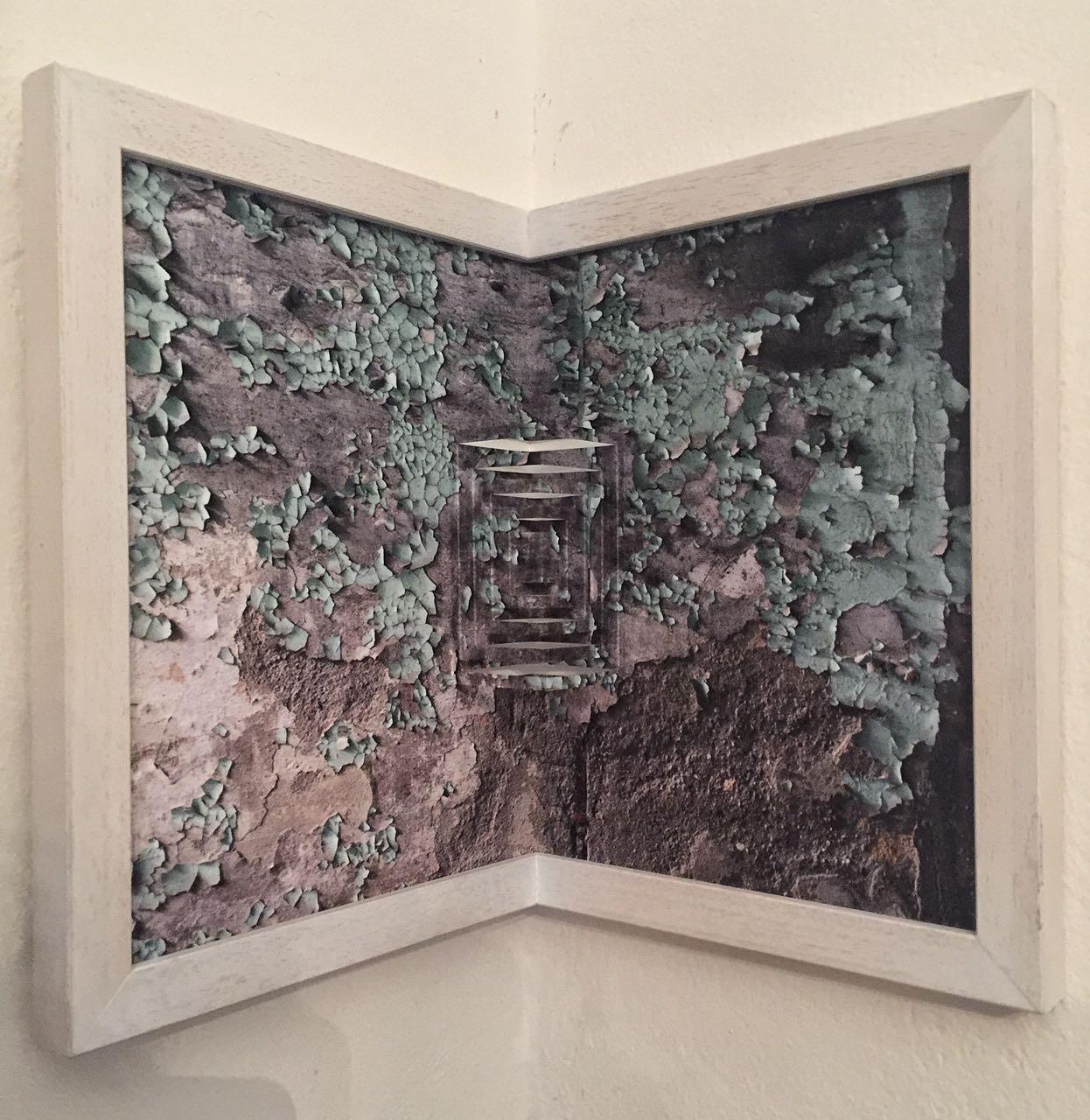
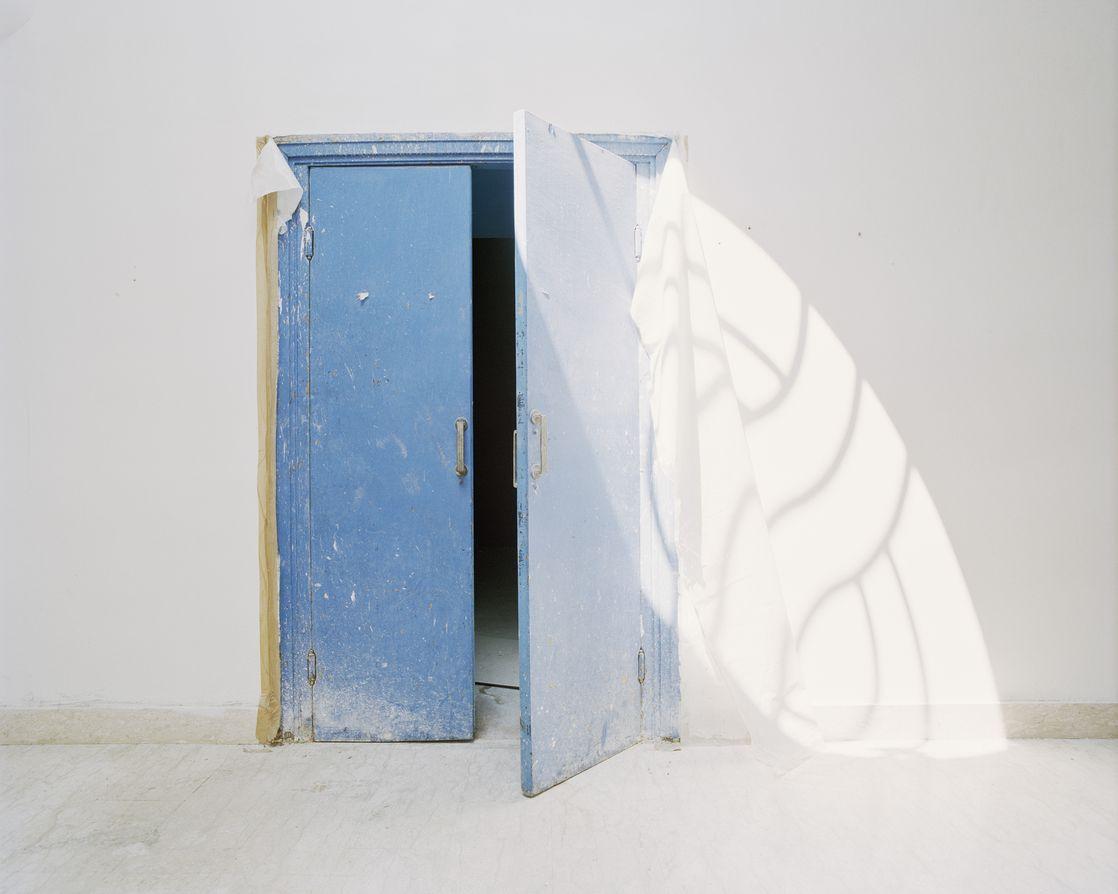
These are devotional altars, cavity built for family members, a sort of little temples with the photograph of the deceased and sacred images, flowers, objects linked to a spontaneous religiosity. There are people who are victims of road accidents, others killed by stray bullets or the Camorra, like Annalisa Durante, used as a human shield during an attack. The chronological and conceptual distance between the two phenomena is canceled by me: the Lares of the Archaeological Museum collections become small three-dimensional photographic objects that I have recreated, that some families of the Quartieri Spagnoli, the Rione Sanità, the Forcella and Mercato insert in the devotional altars, that they have cared for ". The Sonia Lenzi’s Lare has been permanently entrusted to the families or communities they have accepted, to bring good luck, directly from ancient Rome, during a performative delivery action (which took place on 6 July 2017), which was attended by the Directors of the Archaeological Museum of Napoli Paolo Giulerini and the Director of MADRE Andrea Viliani. the performance documented through an unpublished video for the first time presented to the public, together with photographs of some devotional altars, photographic objects and larari created by the artist. The project had the Matronato of the Donnaregina Foundation for Contemporary Arts, in addition to the patronage of the Ministry of Cultural Heritage and the City of Naples. Giovanni Scotti instead tells the reality of a large abandoned complex, the ex Nato di Bagnoli, near Napoli. A place mythologized by the artist since childhood. Scotti say: “when I was a child I heard about NATO as an incredible and inaccessible place, but I didn’t know what exactly it was and what was done in there. What I knew was that you could buy cheap peanut butter, marshmallows, Marlboros, TVs, VCRs, cameras and stereos. All American stuff. Inaccessible if you did not know someone inside. Until one evening, during the concert of Edoardo Bennato, the first and last event organized there after the farewell of the Americans, I slipped into the rooms on the upper floors and finally I saw. I saw the light of an era that was fading and another that from the past illuminated my memories, when I imagined that place full of mystery and magic. The lights of the street lamps penetrated the windows like giant yellow moths that rested on my heart, while all around the air still smelled of computers and documents just transferred, of the letterhead with the fourteenth wind star of the JFC- Naples, but also some sweets. Like the box of Cinnamon Hearts in the shape of a heart, still sealed, that slept forgotten in a half-closed locker, next to a CD with the writing "NATO SECRET". The ex Nato di Bagnoli is a place with a burning history: owned by the Banco di Napoli Foundation and originally intended for the reception of destitute children, after the war it was requisitioned by the Americans and from 1954 to 2013 it was the headquarters of the Supreme Command of NATO, the most important in Southern Europe. After the farewell of the troops, the Municipality of Napoli proposed using the complex for socio-cultural purposes, accusing the Foundation of pursuing instead a project to build houses. But it was then the same Municipality to stipulate an agreement in which it renounces the idea of a large area available to the city, encouraging speculation. A story that is unveiled in its raw reality, but with a sensitivity and a poem that elevates the interiors of this immense complex to the authority of a contemporary cathedral. The same suspended and rarefied atmospheres can be found in the series of photographs dedicated to Edenlandia, the first theme park built in Europe in 1965, in the suburbs of Napoli, in total abandonment since 2013. The volume that collects the shots, The City of Disenchantment, recently presented at the MADRE in Naples by Andrea Viliani and Giovanni Chiaramonte, unveils the entire investigation on this surreal place. -
Exhibited Works
Sonia Lenzi. Lares Familiares
-
Title
Title
-
Title
Title
-
Title
Title
-
Title
Title
-
Title
Title
-
Title
Title
-
Title
Title
-
Title
Title
-
Title
Title
-
Title
Title
-
Title
Title
-
Title
Title
-
Title
Title
-
Title
Title
View the embedded image gallery online at:
https://www.mlbgallery.com/en/events/itemlist?start=126#sigProId0f3737ba52Giovanni Scotti. Cinnamon Heart (NATO)
View the embedded image gallery online at:
https://www.mlbgallery.com/en/events/itemlist?start=126#sigProId054107a006 -
-
Invitation to the vernissage
Anna Di Prospero
Additional Info
-
Intoduction
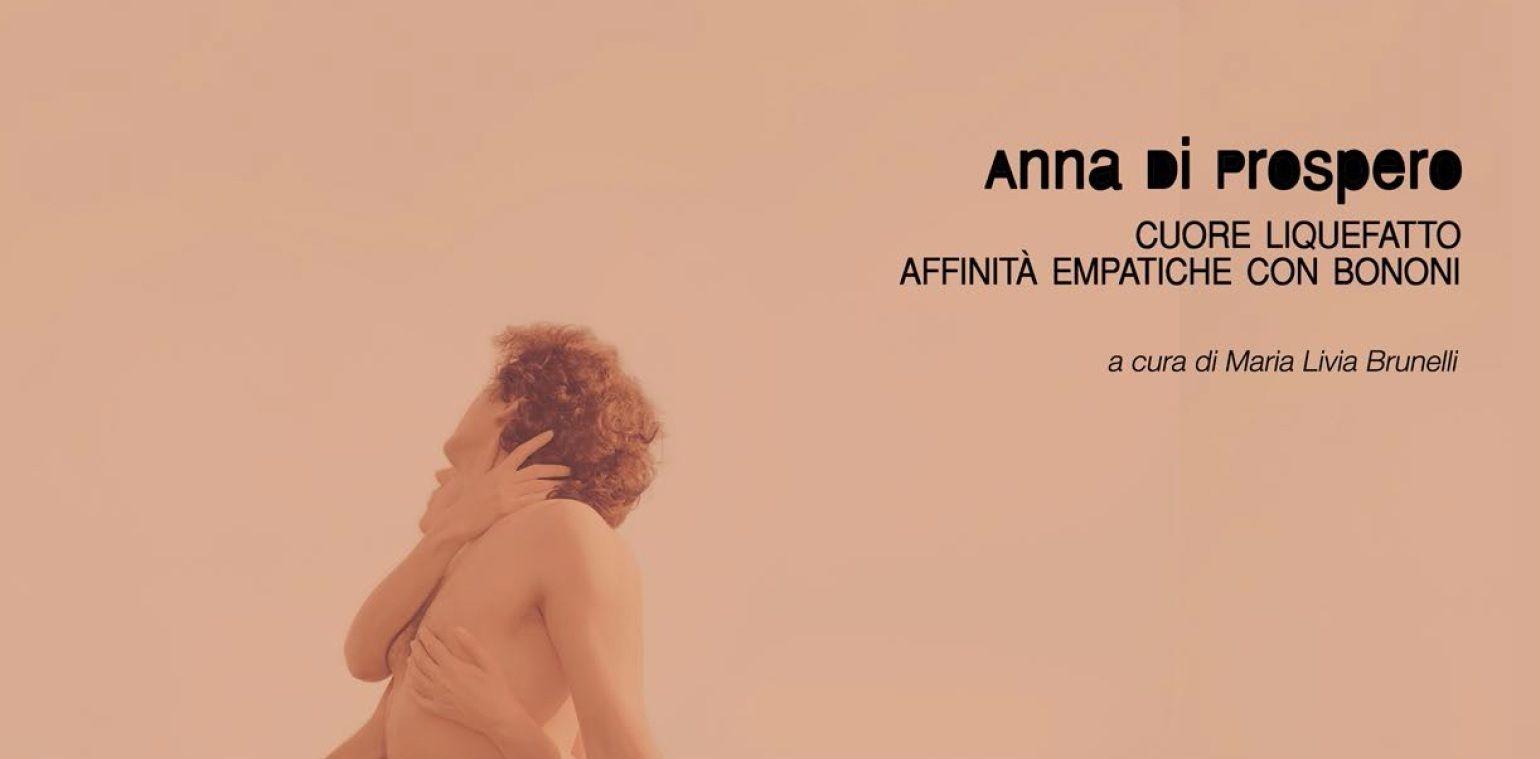
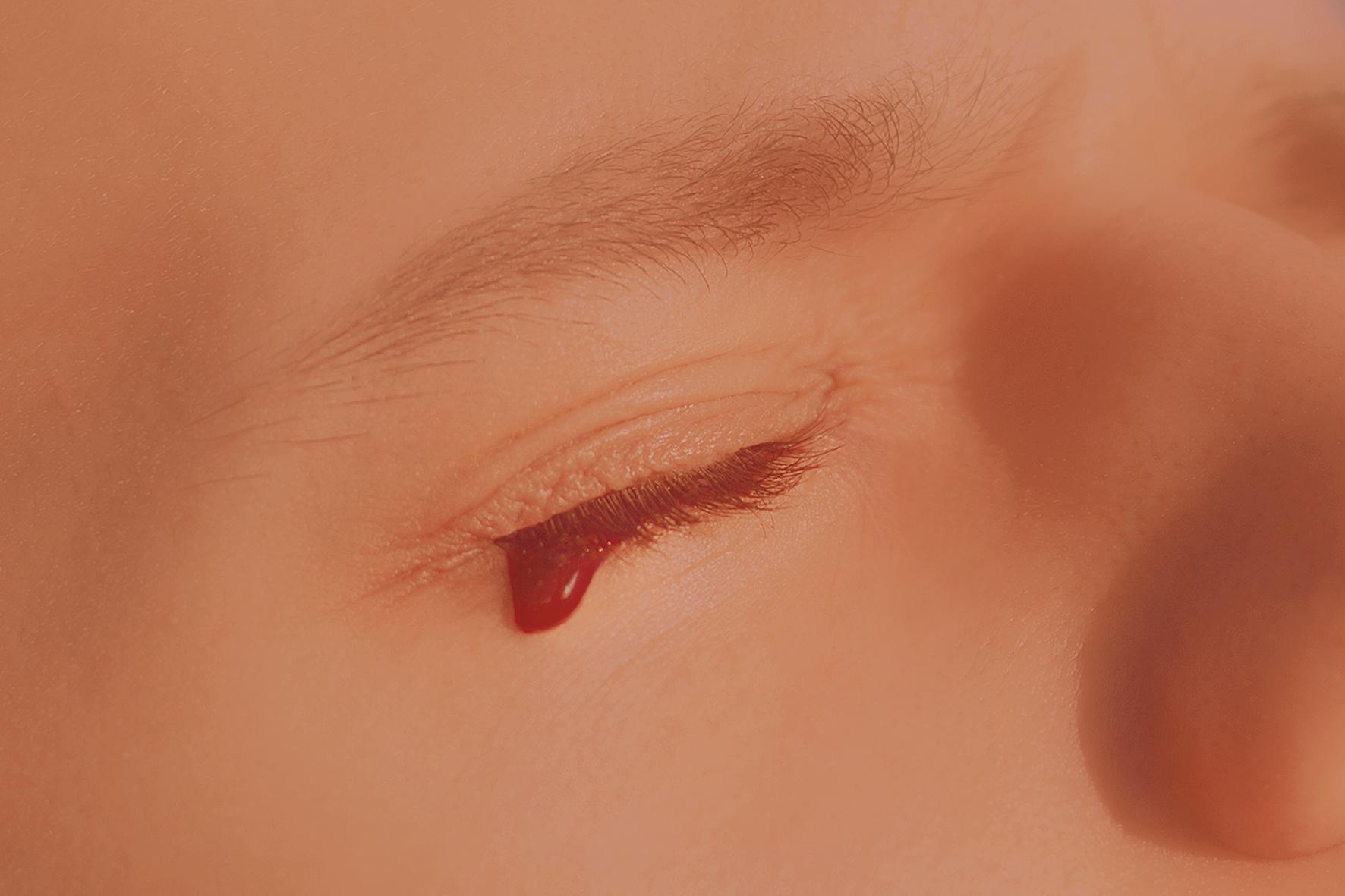
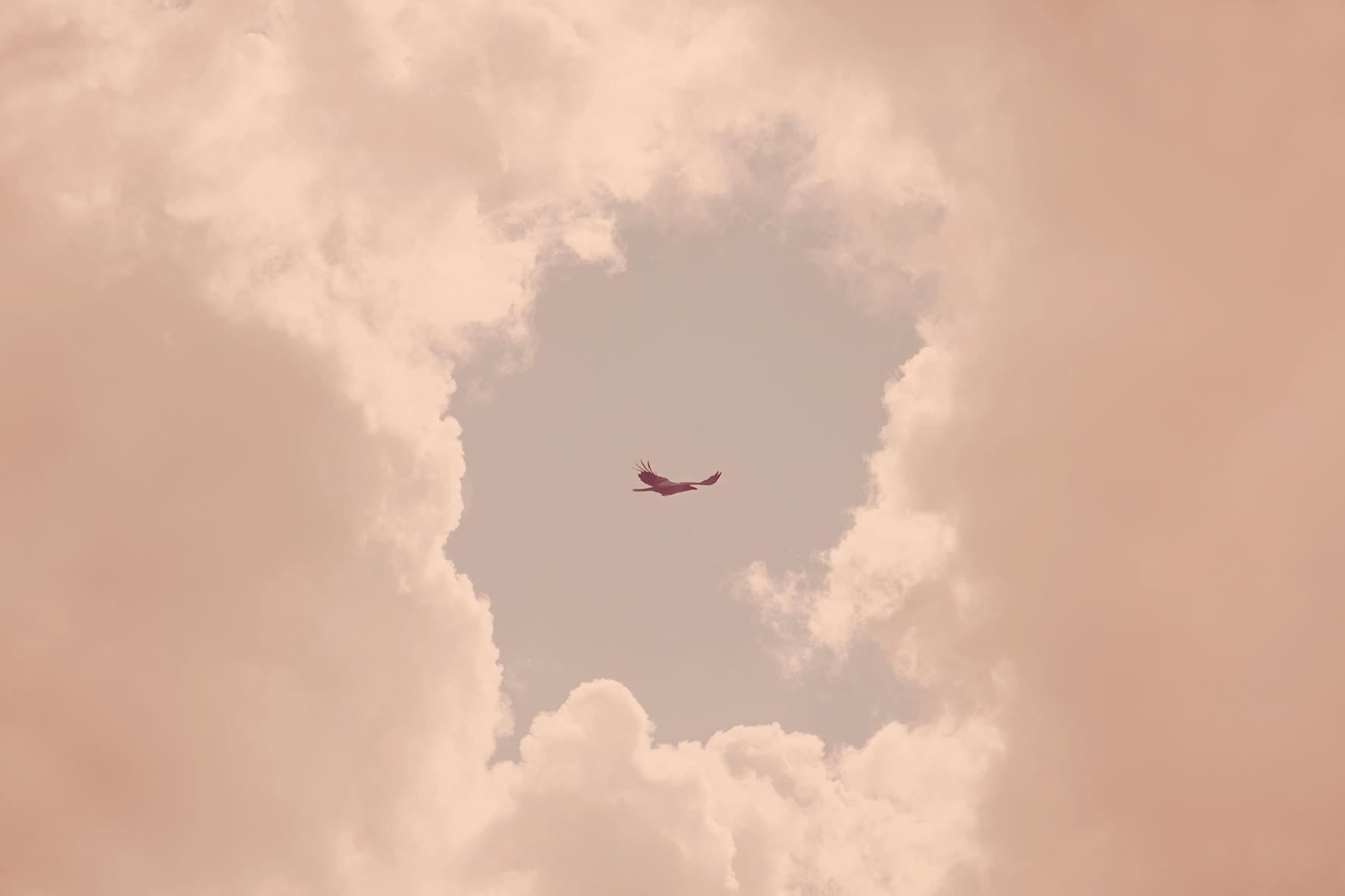
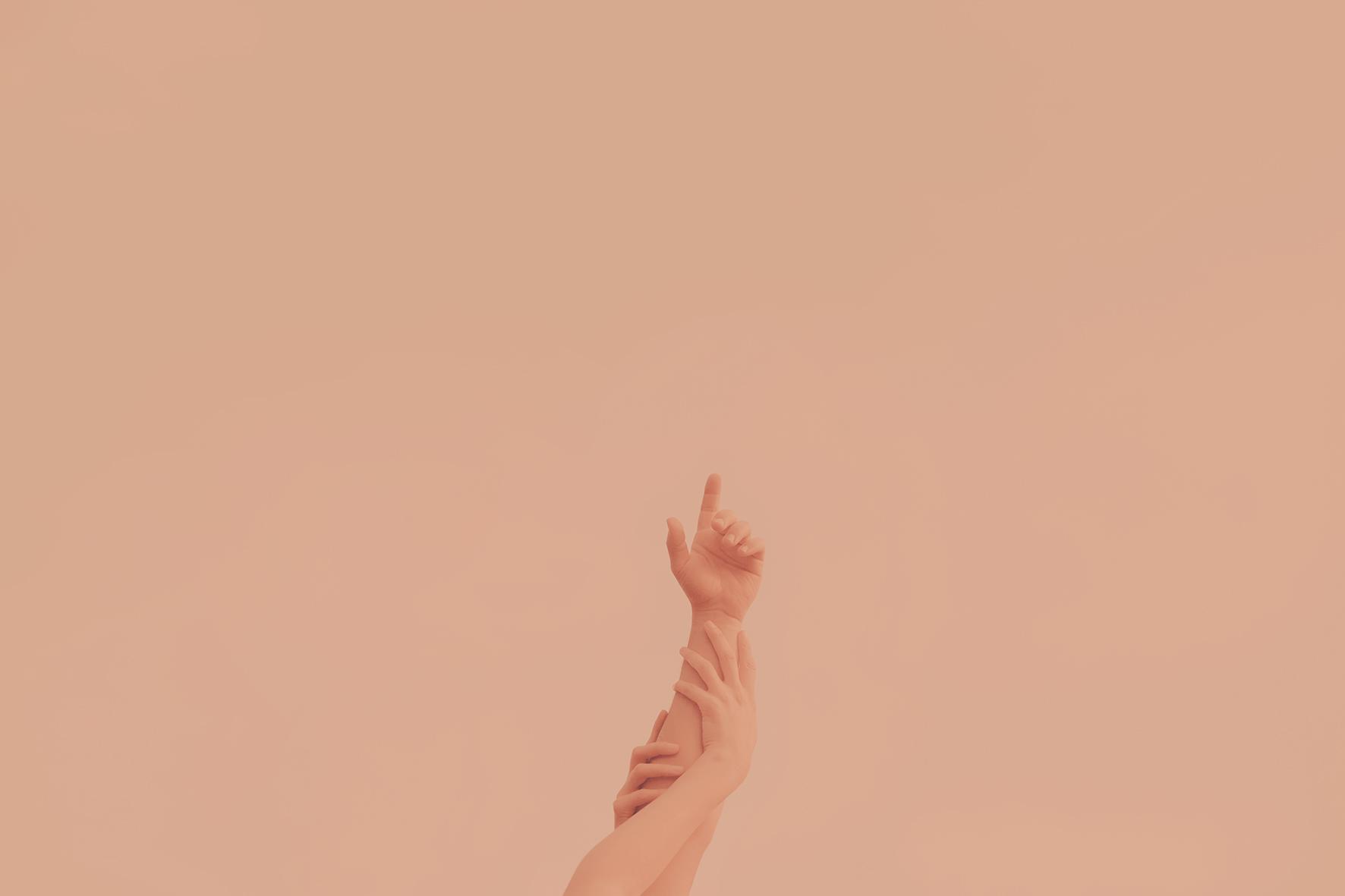
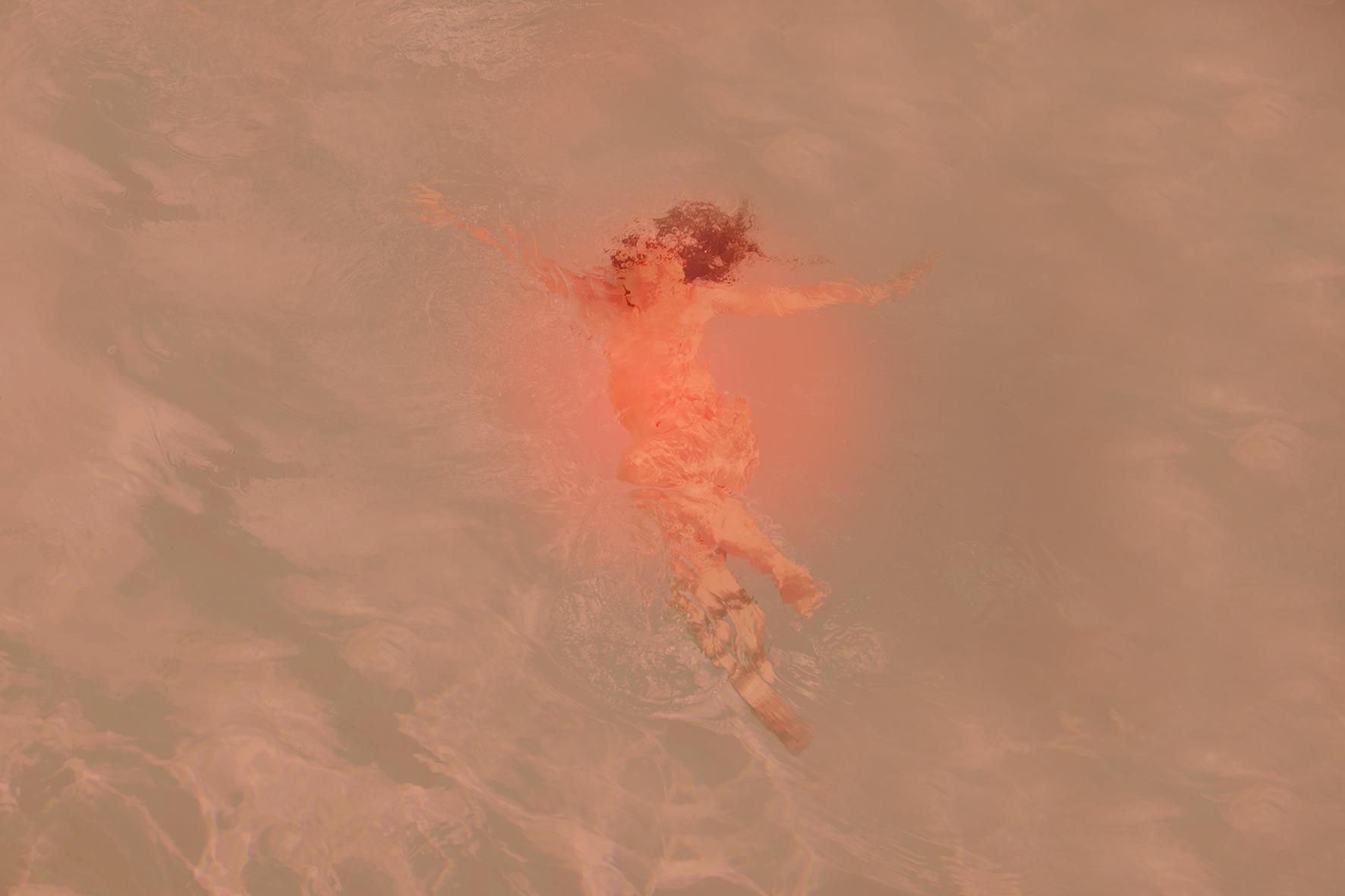
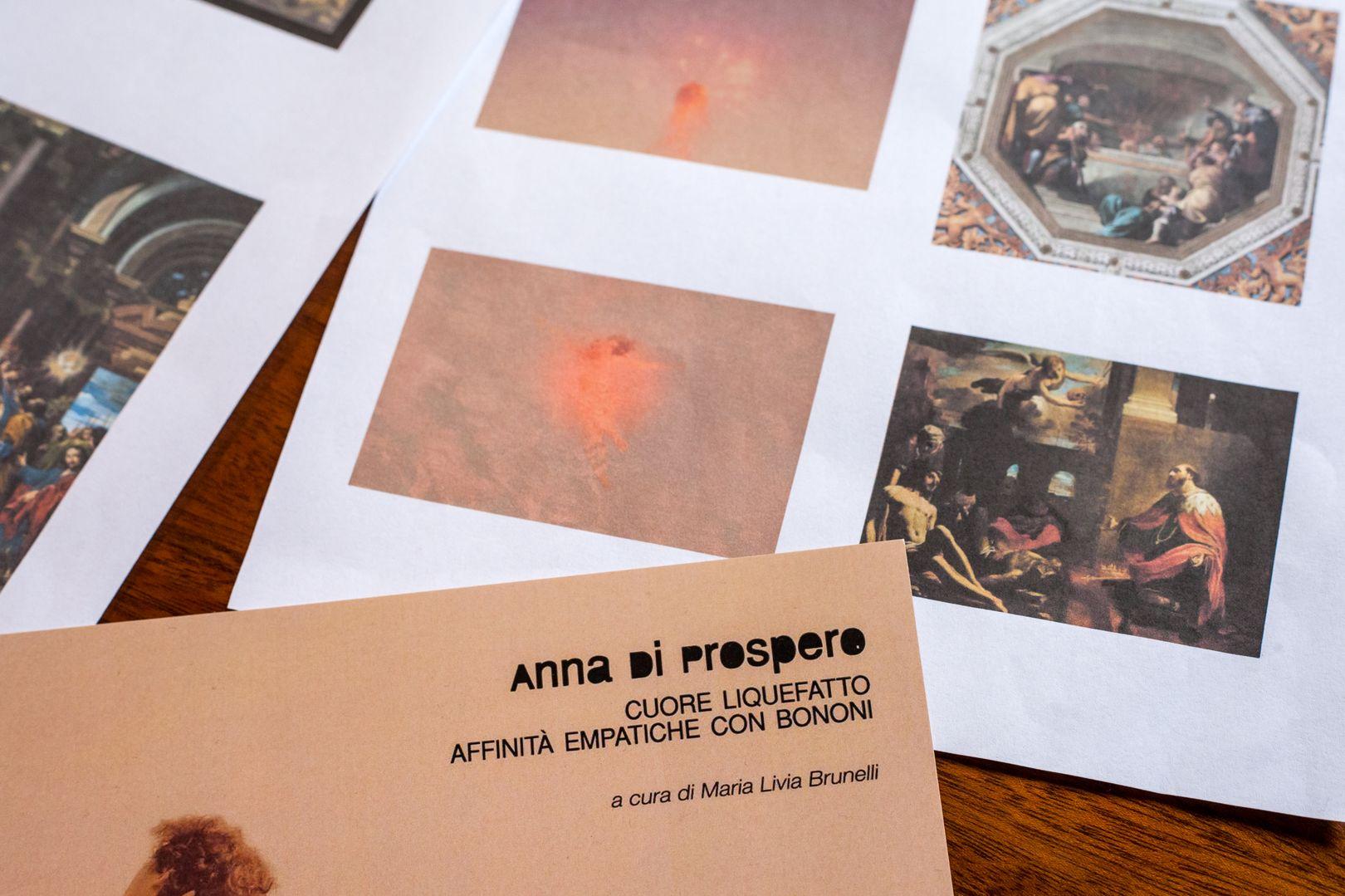
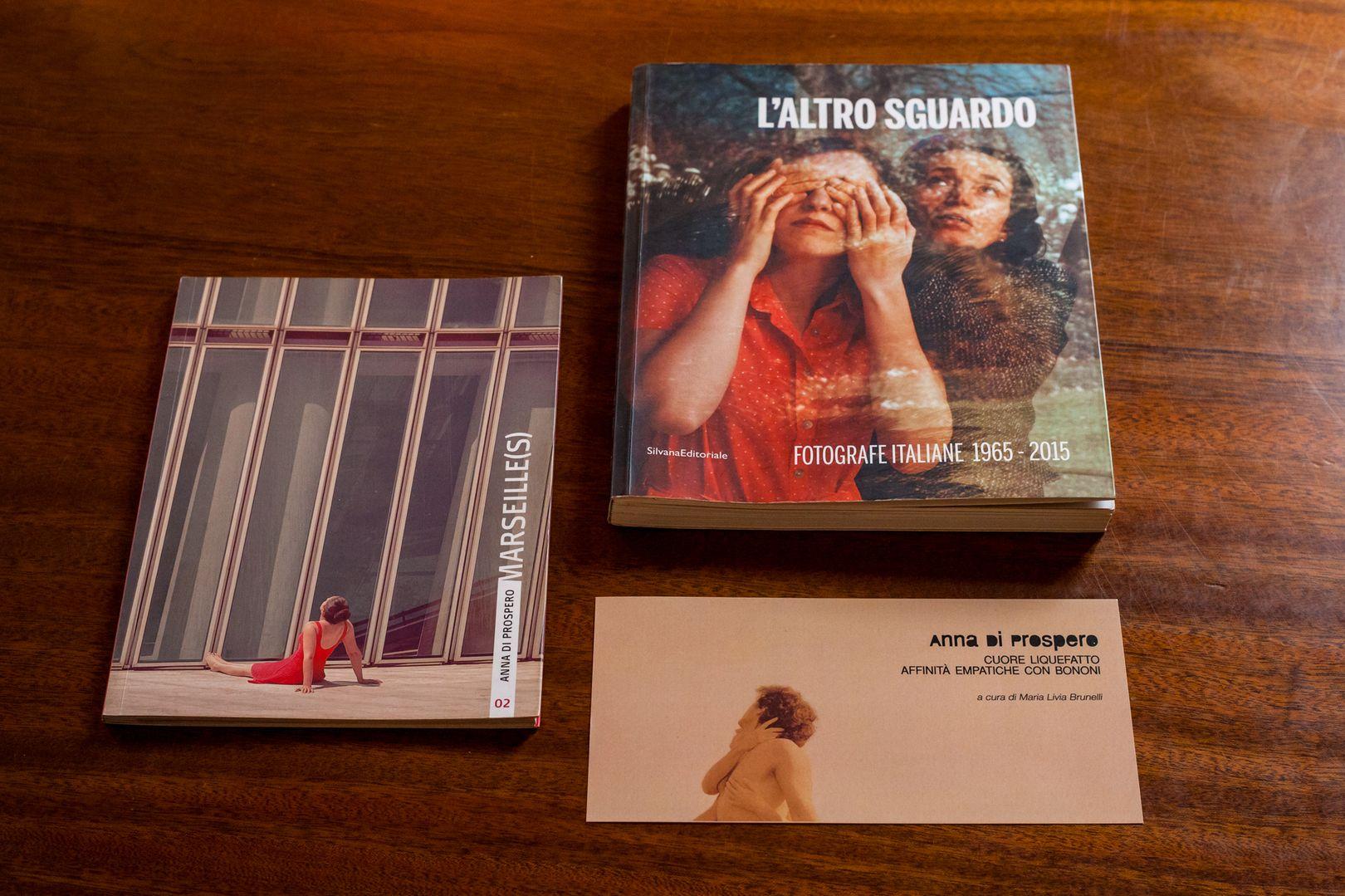
Cuore liquefatto is an unpublished photographic series by Anna Di Prospero, inspired by the works of the artist Carlo Bononi, he was one of the protagonists of seventeenth century art in Ferrara. Initially he was influenced by Caravaggio. Later he focused his poetics on the effects of light, so much to be called “Tintoretto ferrarese”. Anna Di Prospero. She has created an artistic project on the figure of Bononi and on the dynamics of affective relationships that bind the portrayed characters together.
Anna Di Prospero immediately felt attracted to the figure of this painter because the effects of light and emotional relationships are two elements that have always characterized his research. In fact she reveals: “the main elements that guided my creative process were the empathic character that Bononi summarizes between the painted figure and the observer and the deep emotions arising from this combination the series realized doesn’t want to be an iconographic and stylistic remake of the painter, but a paraphrase of his unique and strong artistic sensibility and interpretative The true essence of this work is precisely the emotion, the feeling. To concentrate on this aspect, I worked by subtraction, creating images with an essential and direct composition.
Studying Bononi's work, my attention often fell on some factors that recur in many of his paintings as strong gestures, sculpted and sensual bodies, scenes of amazement and wonder and those of torment. These were the source of inspiration and creation of the subjects present in my photographs ".
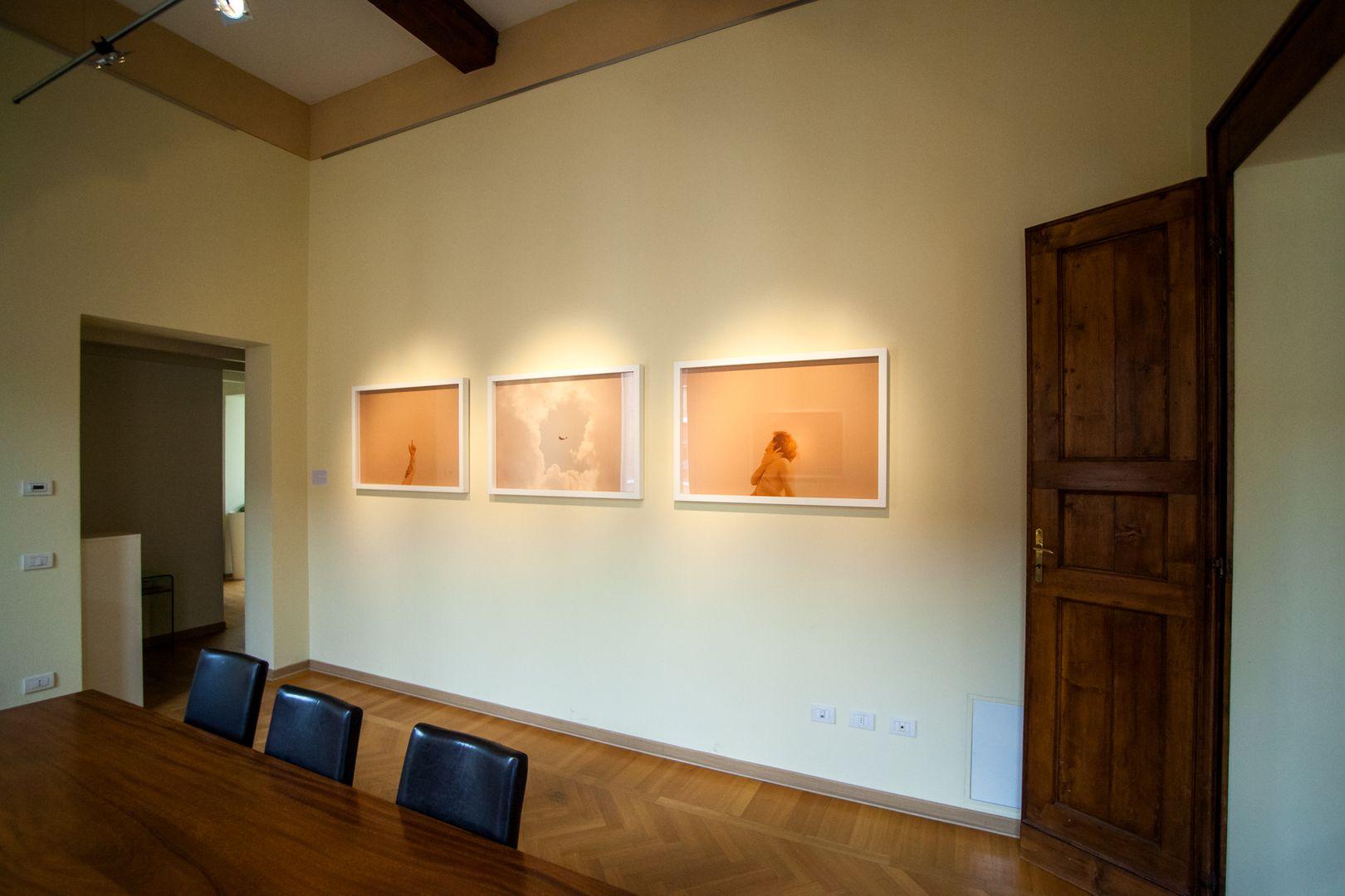
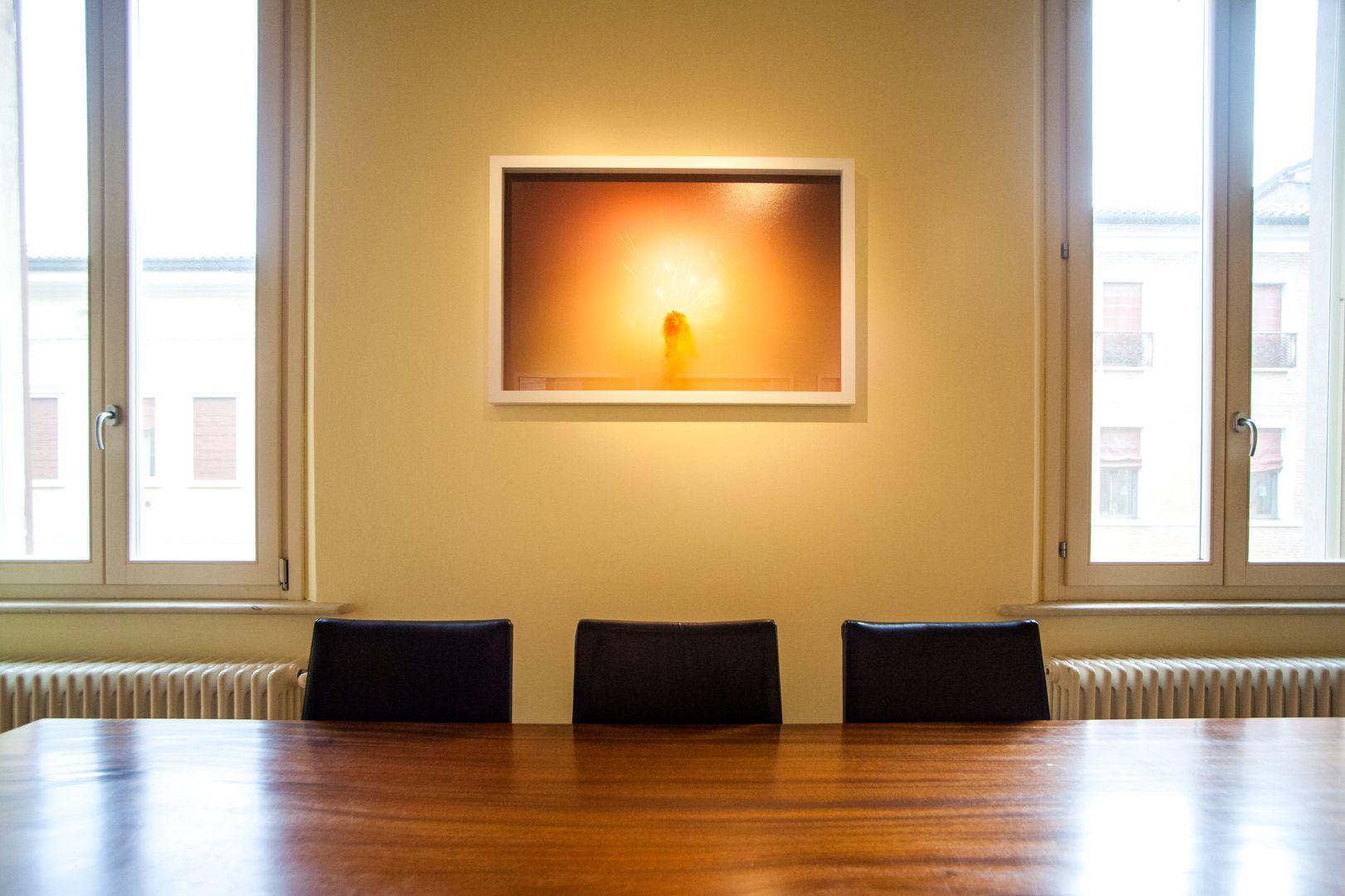
The eight works that the artist has selected for the exhibition constitute a poetic and evocative series, in which Anna Di Prospero has voluntarily excluded any reconstruction of the pictorial and mannerist style. In fact, the series is a reflection on the work of the painter but with a strong contemporary nature, in fact, the series is a reflection on the work of the painter but with a strong contemporary character, not only from the stylistic point of view but also from the contents . The images were created following a specific sequence and narrative sequence: a development of micro events and the unfolding of a story that evokes a wounded feeling, like a "Cuore liquefatto". -
Exhibited Works
Cuore liquefatto
View the embedded image gallery online at:
https://www.mlbgallery.com/en/events/itemlist?start=126#sigProIdeb6aa531a4 -
Exhibition Set Up
View the embedded image gallery online at:
https://www.mlbgallery.com/en/events/itemlist?start=126#sigProId9ac52b1473 -
Invitation to the vernissage



Stefano W. Pasquini e Mustafa Sabbagh
Additional Info
-
Intoduction
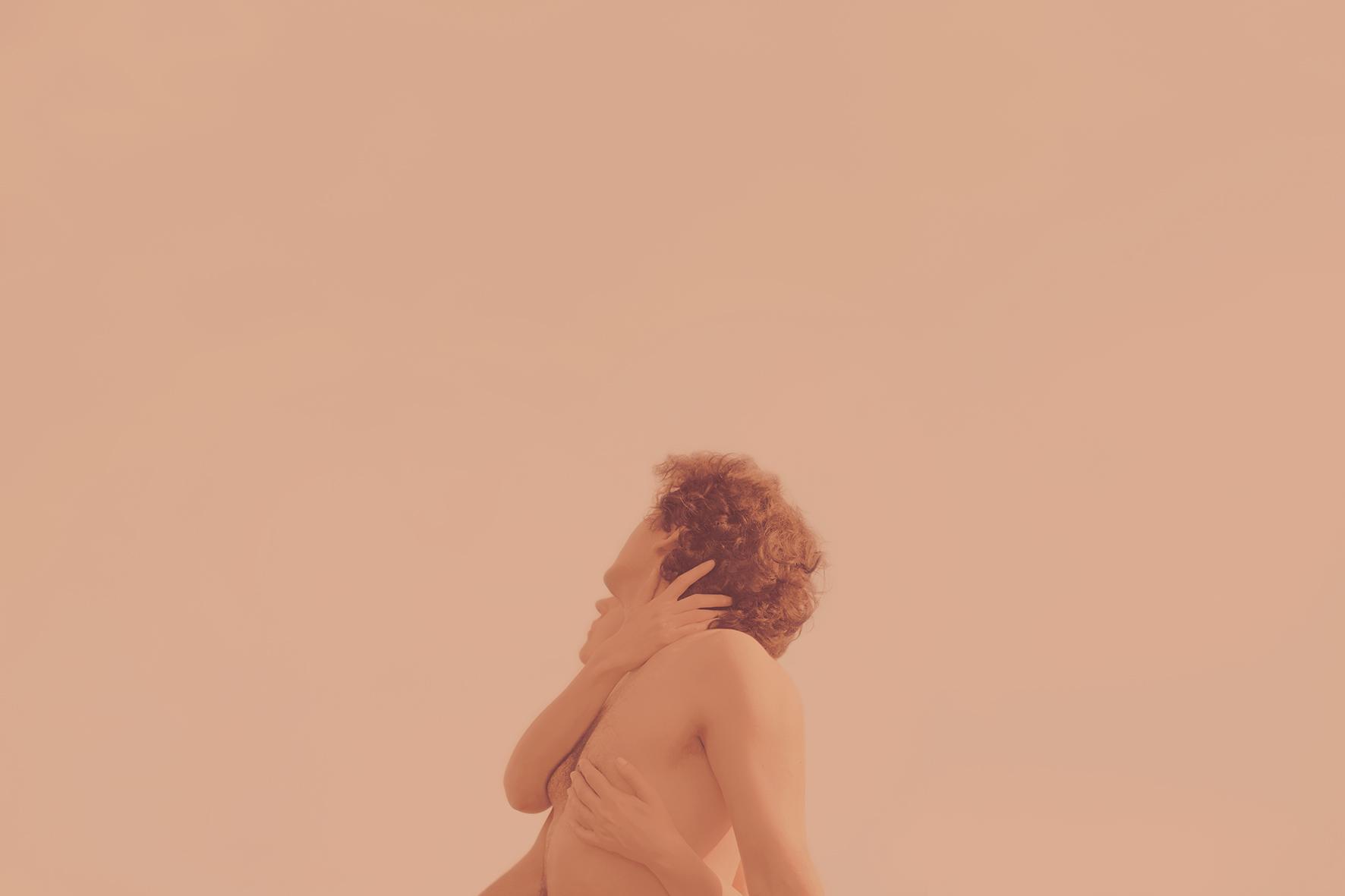
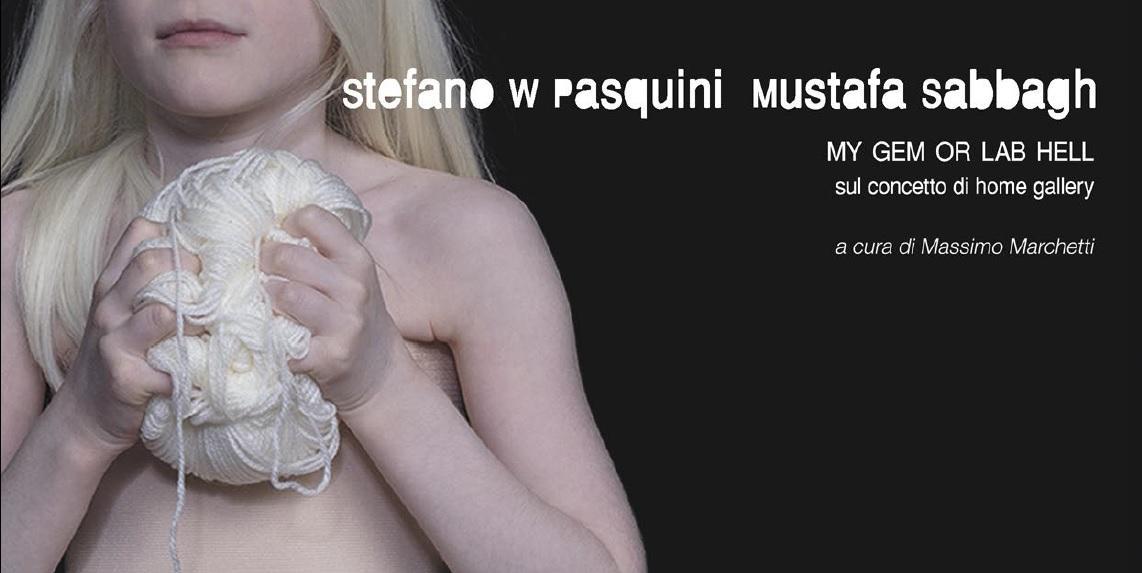
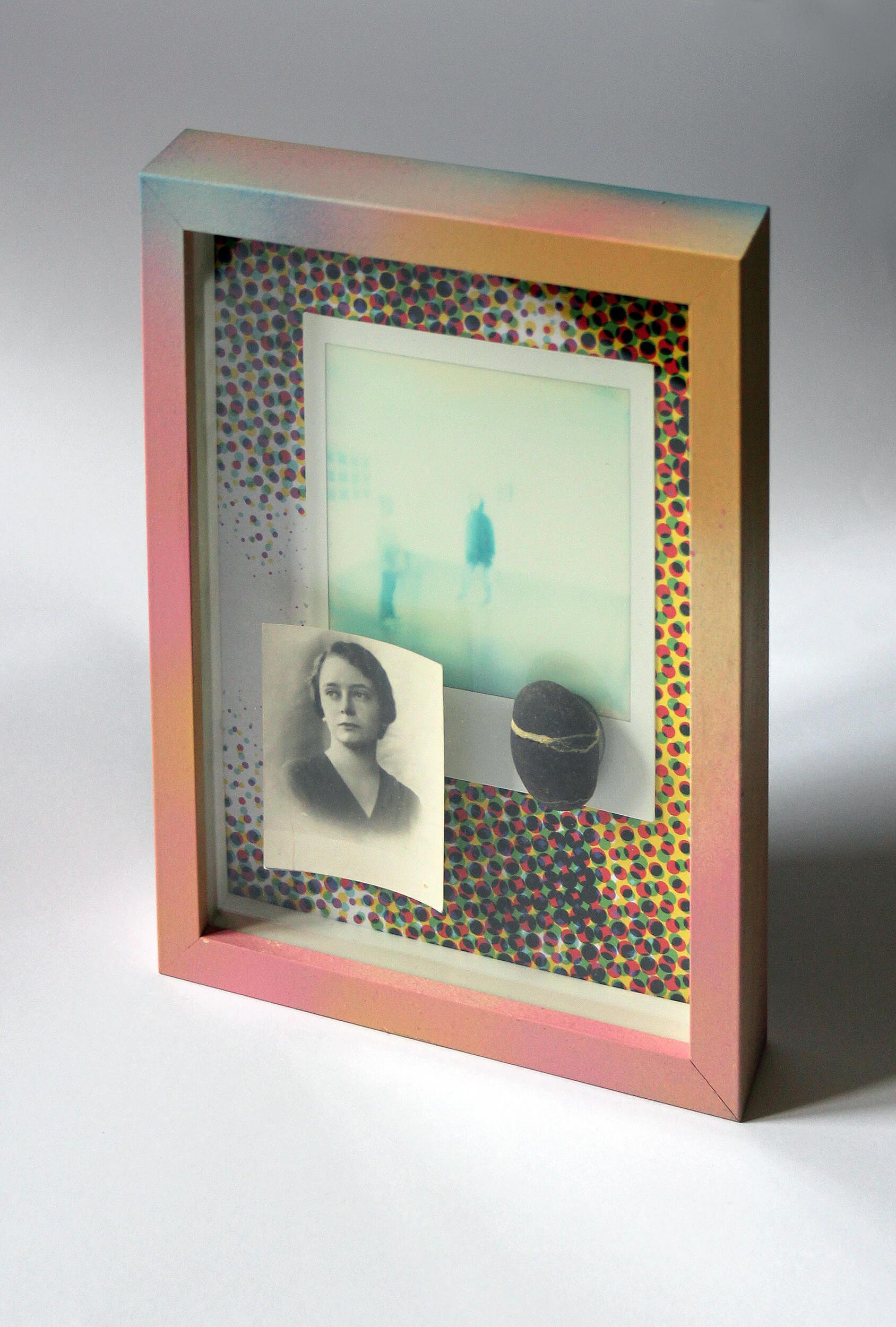
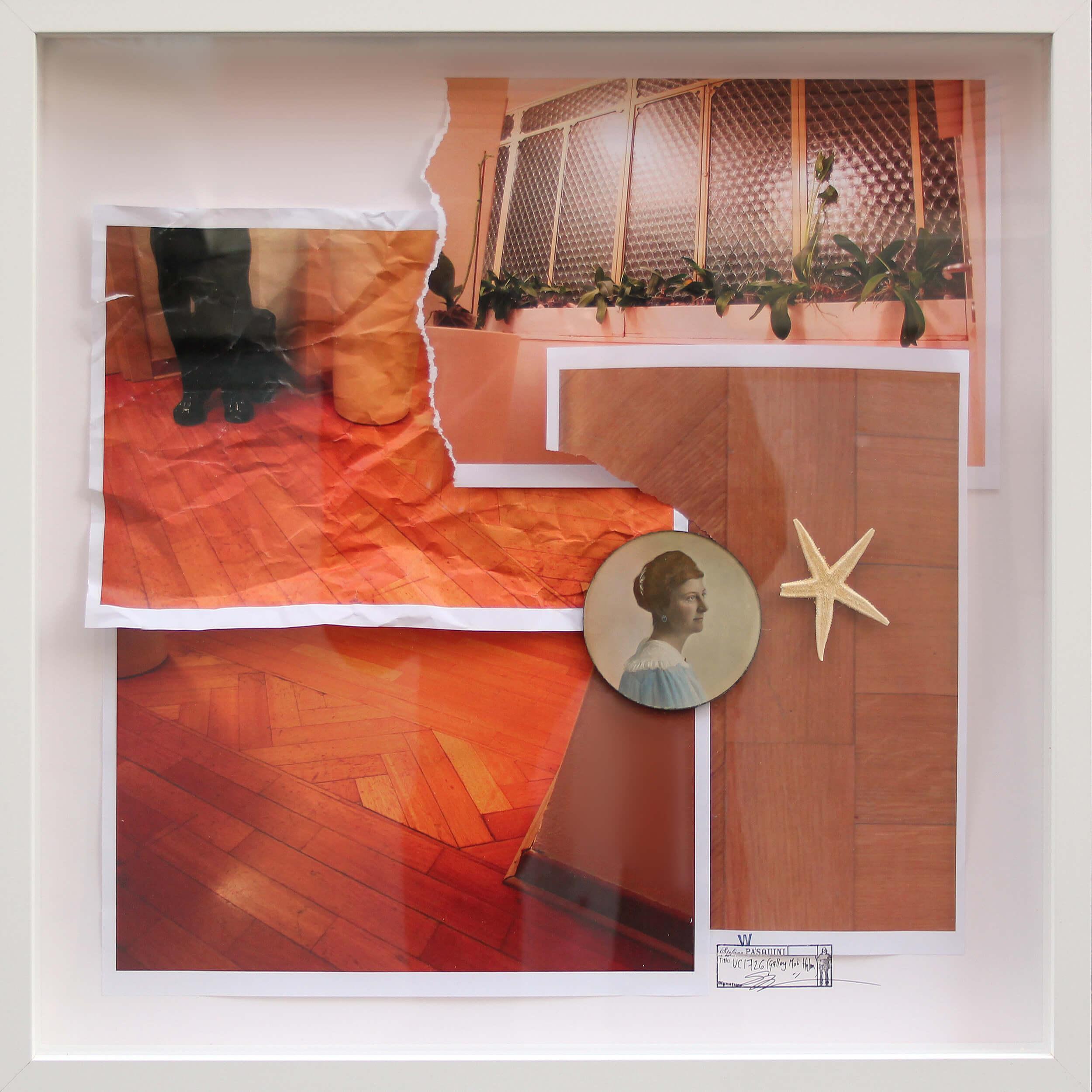
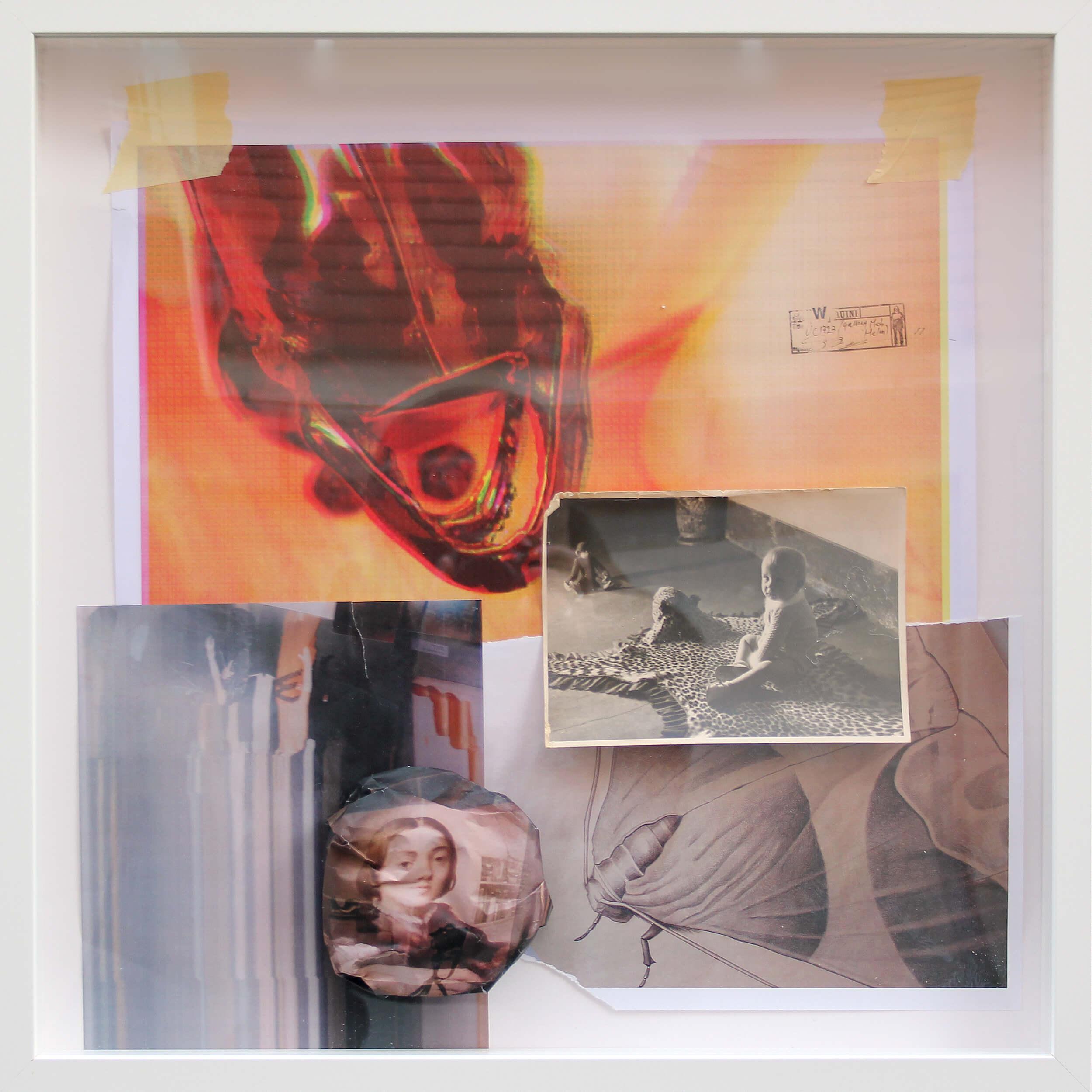
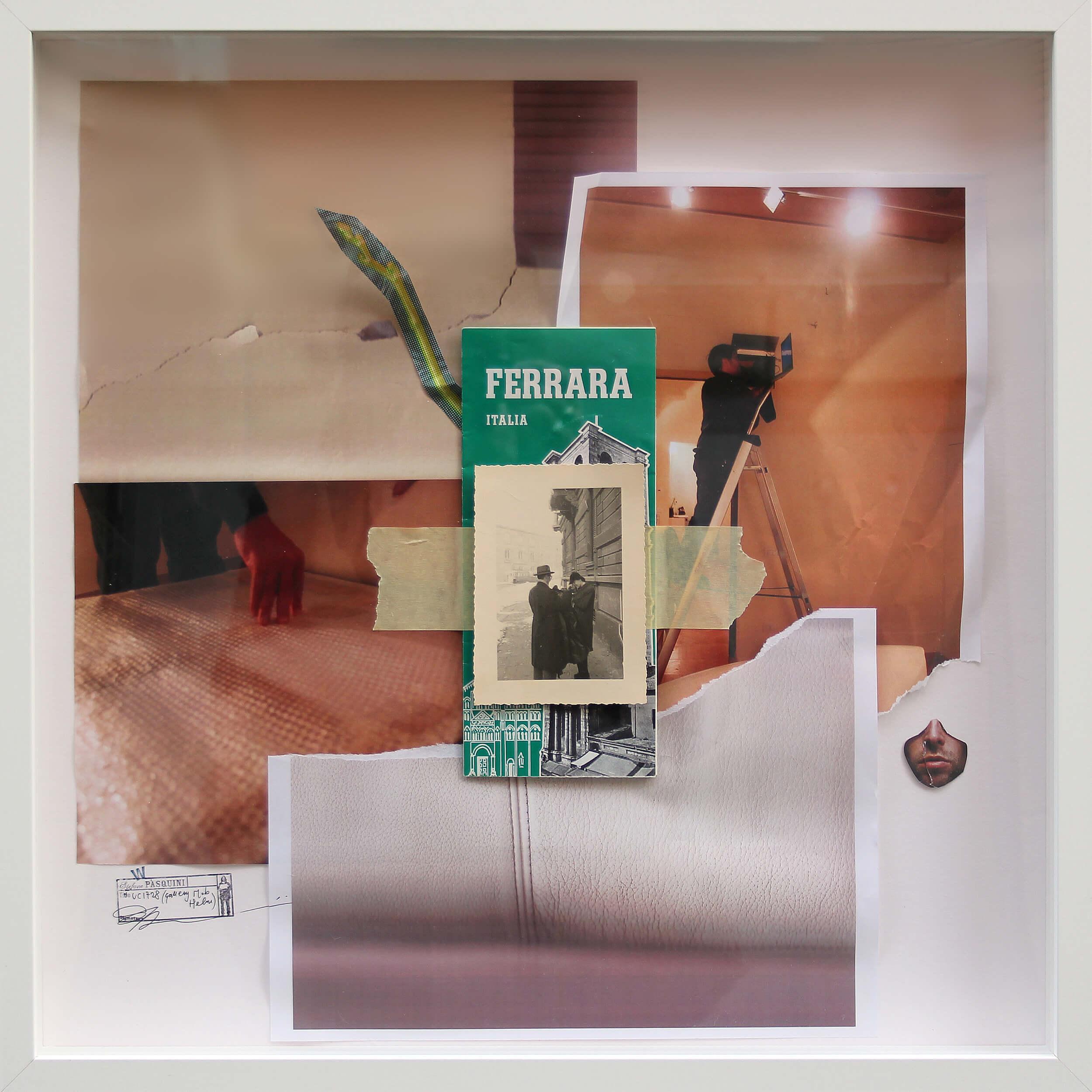
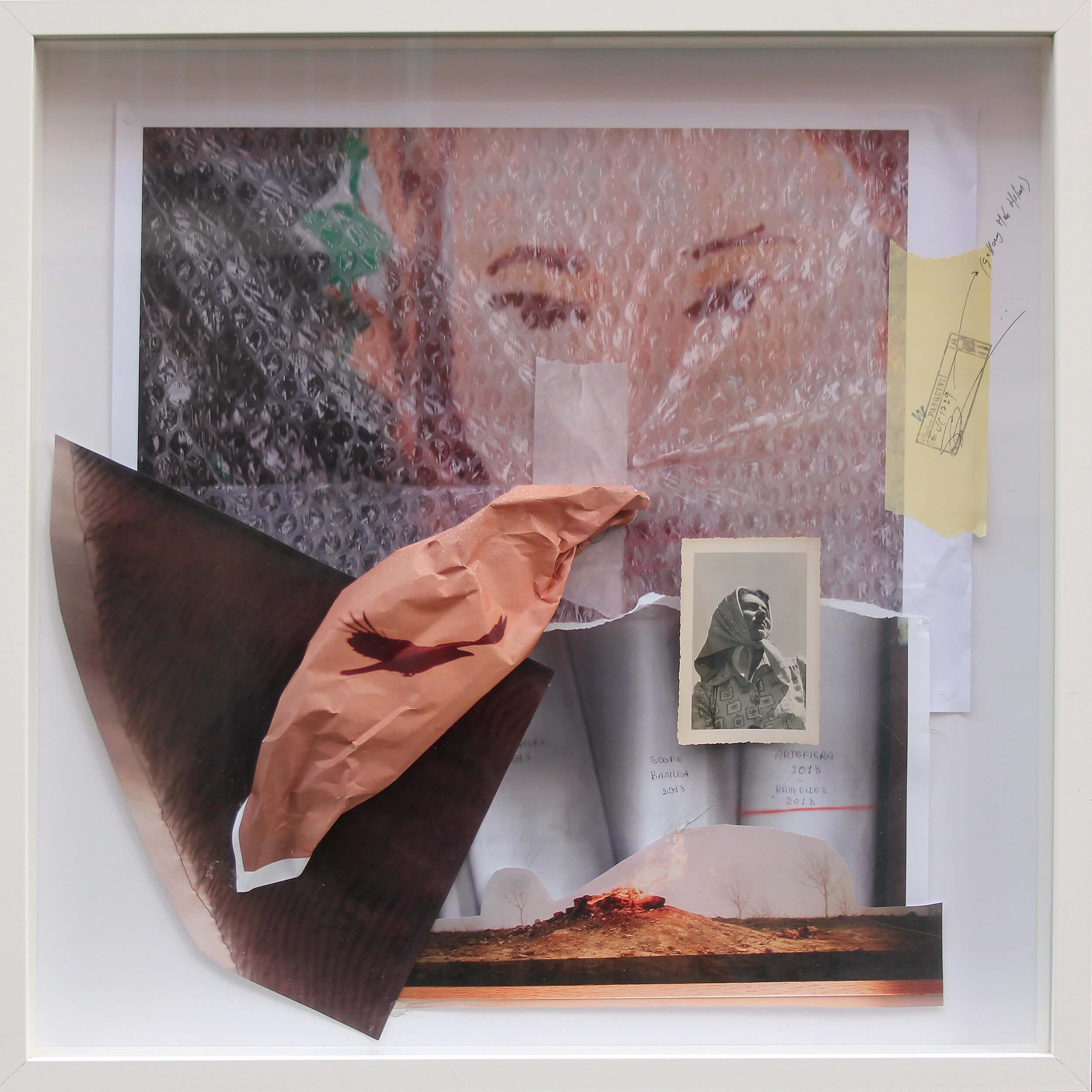
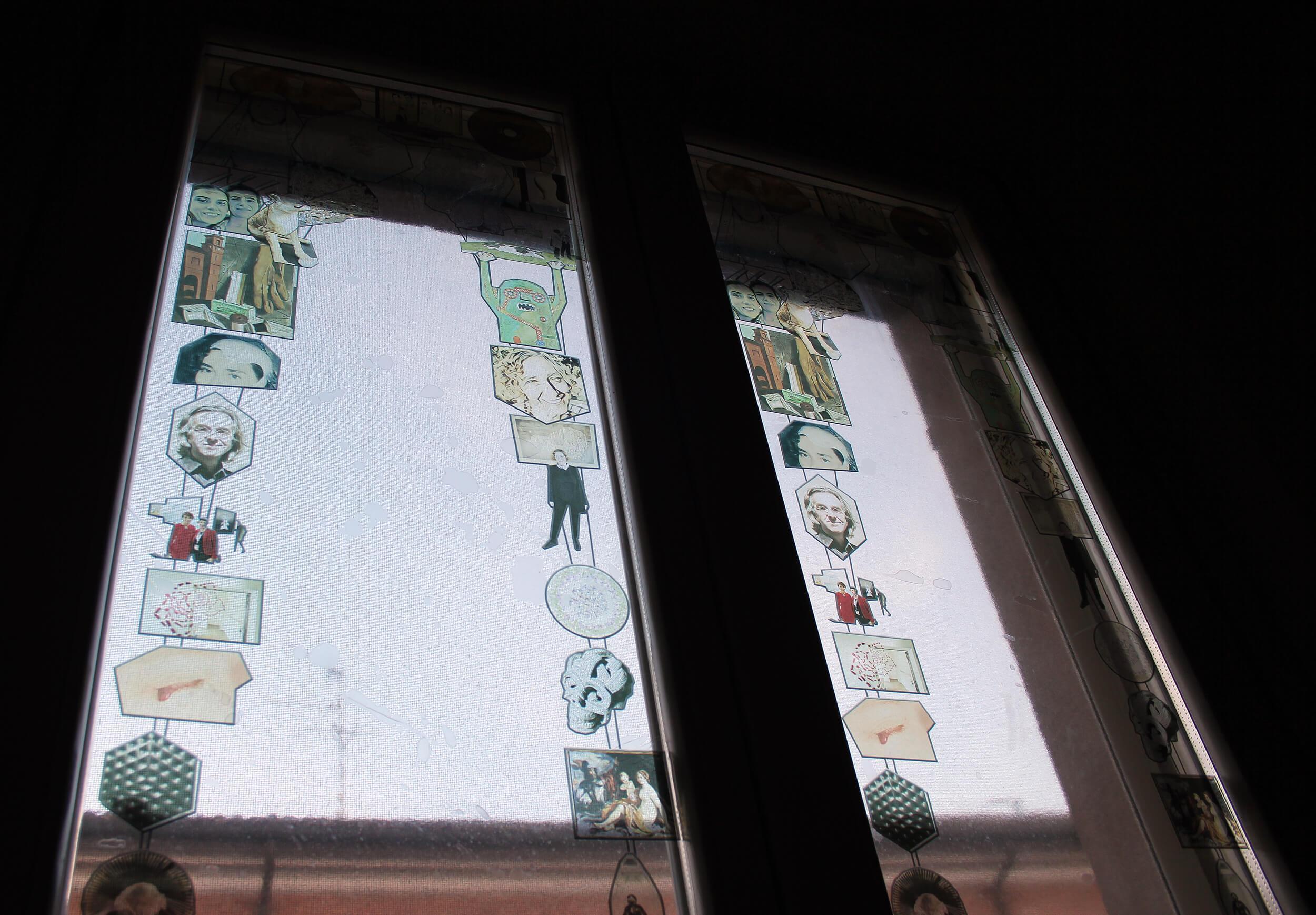
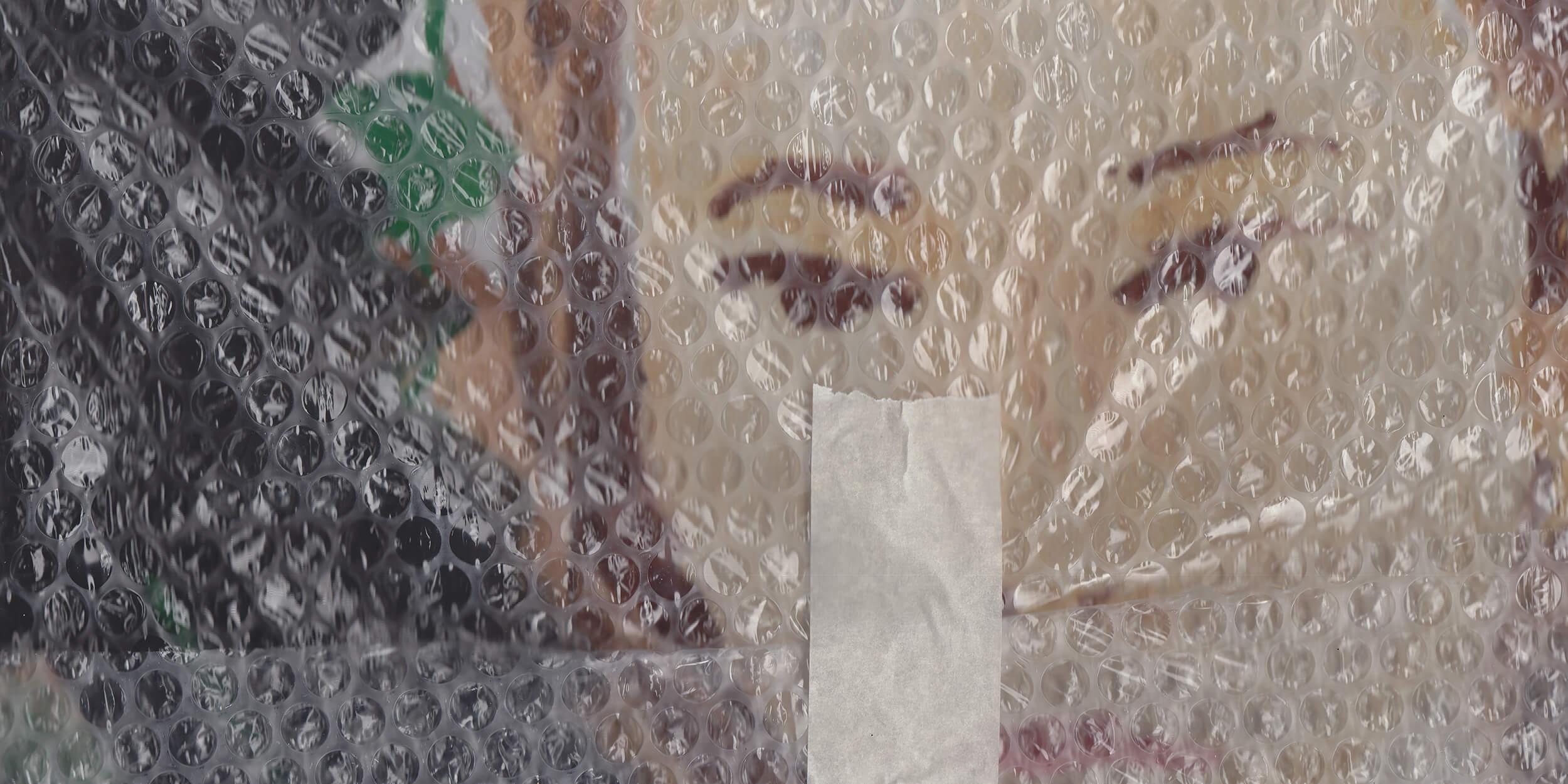
"My Gem Or Lab Hell" is the title of double exhibition with Stefano W. Pasquini and Mustafa Sabbagh, curated by Massimo Marchetti.
Usually there is no opportunity for dialogue between a "gem" and a "infernal laboratory". And yet this juxtaposition of foreign realities finds its own reason for being exactly in the place that hosts it, in the letters that make up its name and which can be reconfigured as the elements of an exhibition: the title is the anagram of MLB home gallery.
The case, as Dadaism teaches, is revealing. In fact, the same house-gallery is an oxymoron because it is evident that the challenge to solve the dualism between public and private in one single identity is resolved in a singular reality: a place built on the sense of hospitality and the production of empathy. In the visitor, the sensation of accessing something as precious as a gem is progressively superimposed on being involved in such an incessant and pervasive dynamism that it becomes a guest of the mythological forge of Vulcano.
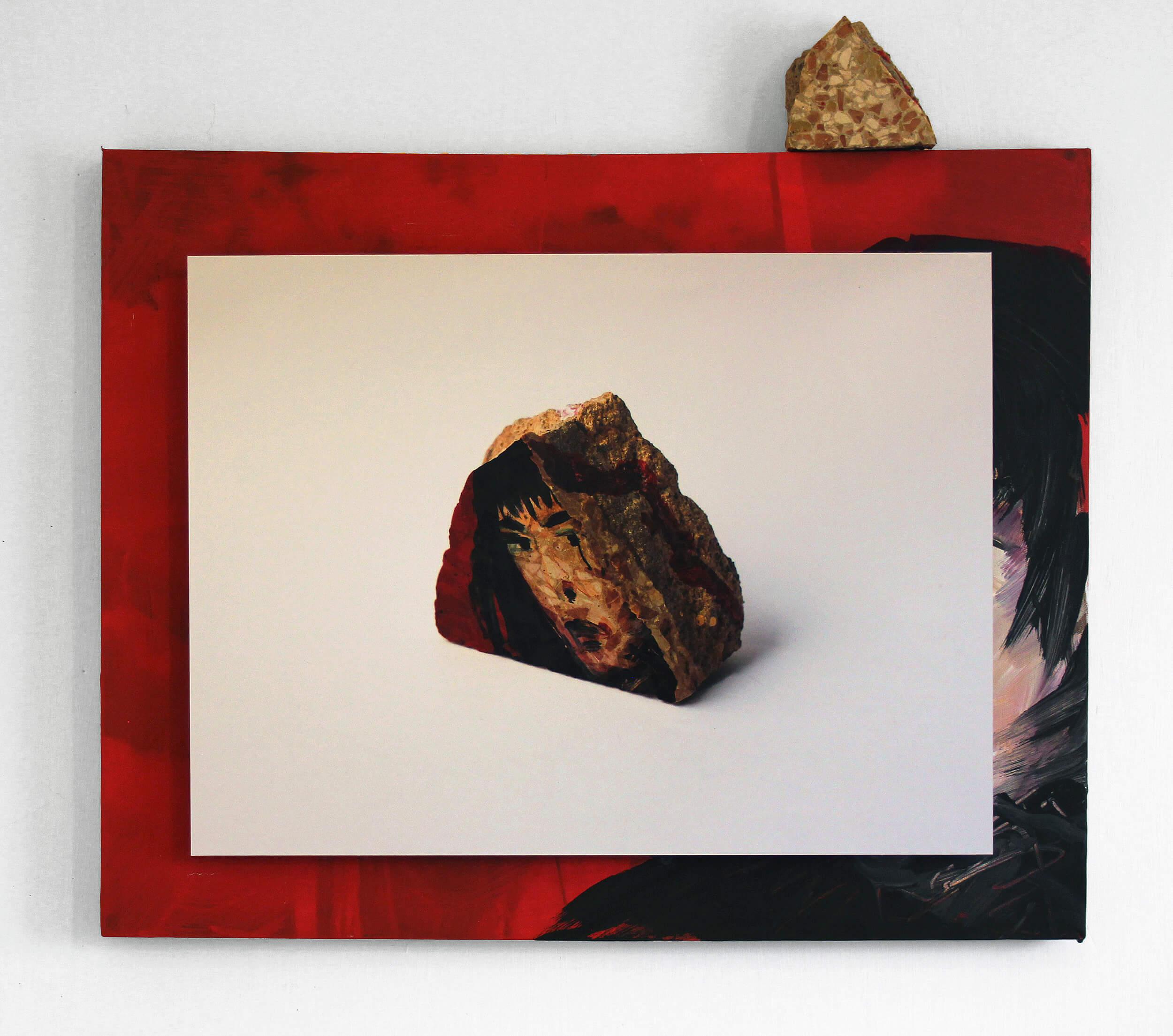
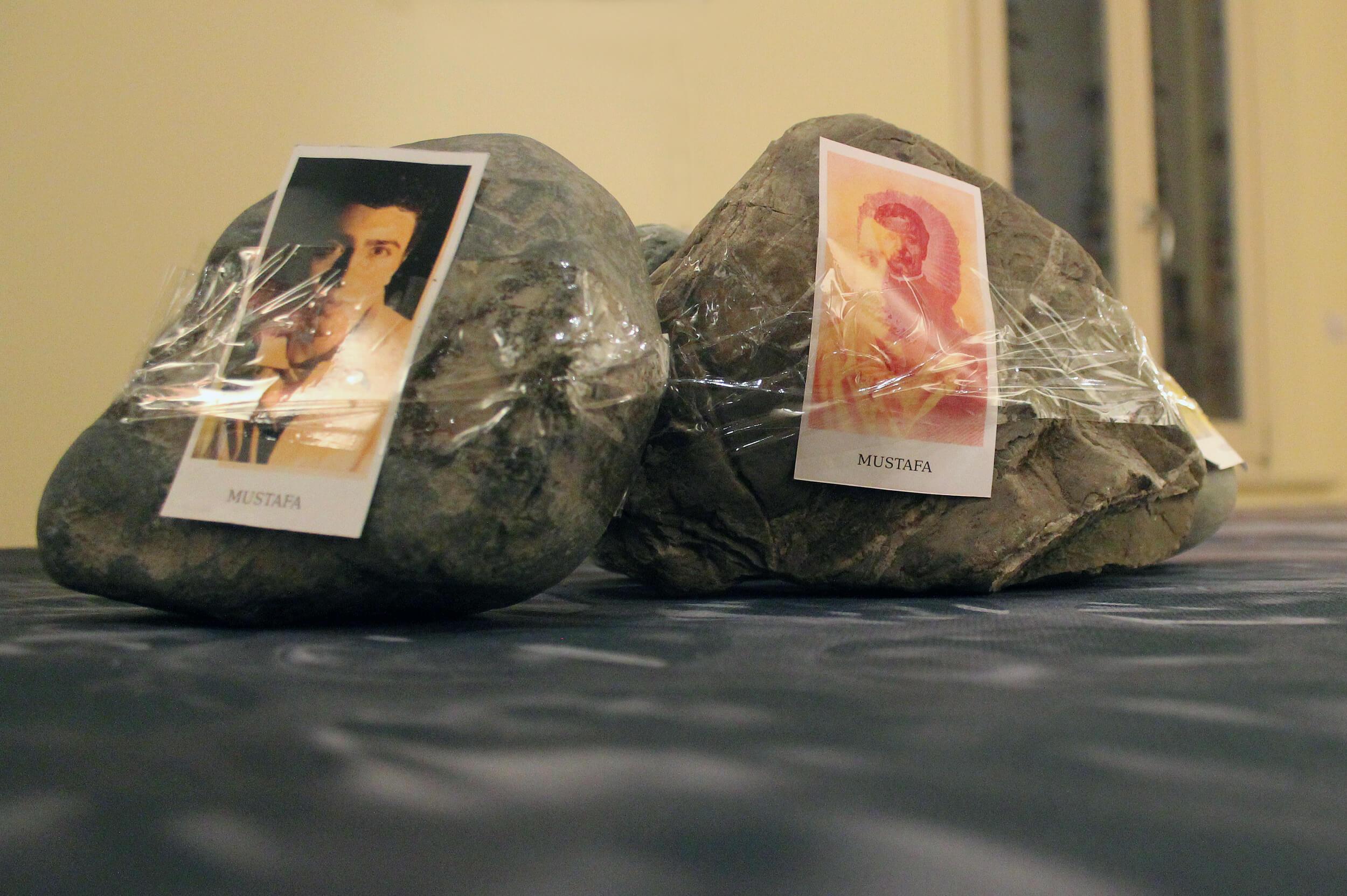
From the early 2000s the artistic paths of Stefano W. Pasquini and Mustafa Sabbagh have had the opportunity to cross each other in several group exhibitions and in the pages of an art magazine, but his is the first time that a direct comparison takes place between different poetics that are approached in the political feature of the gaze on actuality. On the one hand, Pasquini's work presents itself as a series of simple and at the same time violent gestures that pass through several techniques with an anarchic and provocative spirit; on the other hand, Sabbagh's work is mainly expressed in photography and video, “dove l'intensa sofisticazione è funzionale a fare emergere la dimensione sovversiva e perturbante della fisicità.” . The theme of the house-gallery is developed by Pasquini and Sabbagh starting from the dilemma between everyday life and exceptionality to get to provoke unexpected results. It is important to underline that the MLB home gallery has recently crossed the finishing line of its first ten years of activity.
For this particular exhibition the two artists will disseminate their works in unusual spaces. Pasquini will intervene directly on the elements that characterize the domestic side of the home gallery, such as the sofa, the large table, the window doors. the artist realizes a series of assemblages and photographic prints on unusual supports, they originate from the ironic contextualization of absurd sentences at first sight, for example: images from Google, unusual scans of architectural and human details, all traces of the memory of this place and the people passing through it “con le quali si “esporrà” la confluenza tra vita familiare e attività lavorativa in un groviglio di capovolgimenti e duplicazioni.”.
Instead, Sabbagh will present a new version of the video installations “anthro_pop_gonia” where some Greek myths have been dethroned by their divine dimension to interpret the human history of contemporary vices. Gods and demigods will then be convened to a symposium that crush in the various rooms of the house-gallery evoking the atmosphere of a family ritual. At this installation Sabbagh will support a pair of photographic prints of the cycle “sub limen”, one of these works is reworked by Pasquini, a work of an ambiguous nature that embodies the deviant operation put in place by the two artists.
Thanks to these artists the house-gallery will be shown at the same time as a precious jewel and a whirling laboratory, to interrogate both visitors and its inhabitants. -
Exhibited Works
My Gem Or Lab Hell
Stefano W. Pasquini
-
Title
Title
-
Title
Title
-
Title
Title
-
Title
Title
-
Title
Title
-
Title
Title
-
Title
Title
-
Title
Title
-
Title
Title
-
Title
Title
-
Title
Title
-
Title
Title
-
Title
Title
-
Title
Title
View the embedded image gallery online at:
https://www.mlbgallery.com/en/events/itemlist?start=126#sigProId7274647bf4Mustafa Sabbagh
View the embedded image gallery online at:
https://www.mlbgallery.com/en/events/itemlist?start=126#sigProId47a61e3cf7View the embedded image gallery online at:
https://www.mlbgallery.com/en/events/itemlist?start=126#sigProIdce31be6945 -
-
Invitation to the vernissage
-
Vernissage: Photo Gallery
View the embedded image gallery online at:
https://www.mlbgallery.com/en/events/itemlist?start=126#sigProIdd3fae72573


Iscriviti alla nostra newsletter
